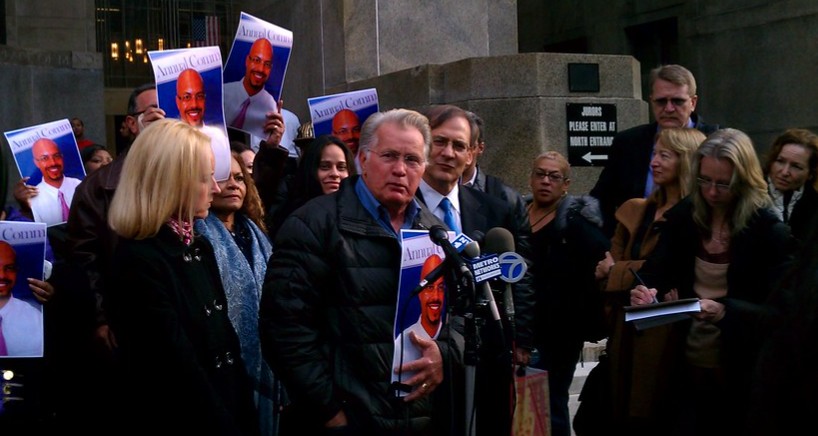
Hollywood likes to present its finished films as if they were always meant to look exactly the way they do. The reality behind the scenes is often messier, with actors quietly swapped out after cameras have already rolled for weeks. Some of these last-minute changes were so seamless that most audiences never knew a different face once occupied the role, while others became infamous industry stories in their own right.
1. Eric Stoltz replaced by Michael J. Fox in Back to the Future

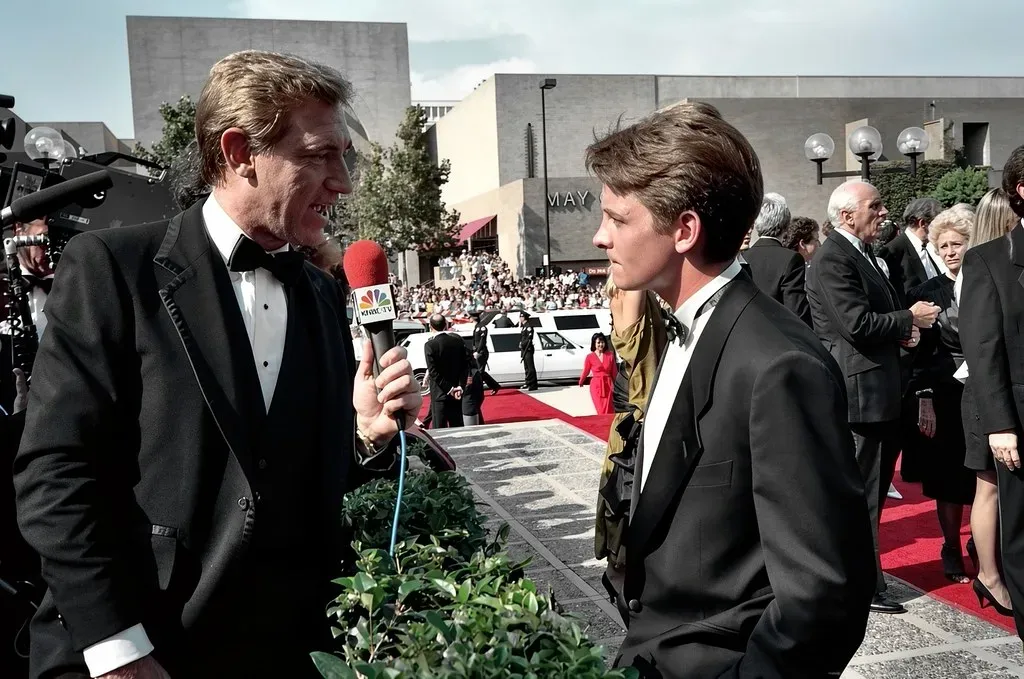
Long before Michael J. Fox became synonymous with Marty McFly, the role belonged to Eric Stoltz, who had already been cast as the lead character Marty McFly, wasn’t putting in the performance that director Robert Zemeckis was looking for. Zemeckis and co-writer Bob Gale had wanted Fox from the start, but scheduling conflicts with Family Ties initially kept him unavailable, so Universal executive Sid Sheinberg pushed for Stoltz instead.
The problem became clear once filming began. Co-star Lea Thompson later recalled that “Eric had such an intensity. He saw drama in things. He wasn’t really a comedian, and they needed a comedian”. After roughly six weeks of shooting, the filmmakers made their move, and Fox replaced Eric Stoltz as the lead in Robert Zemeckis and Steven Spielberg’s time-traveling romp six weeks into production. The swap even triggered a second recasting, since Fox’s leading lady Melora Hardin was recast by Claudia Wells after being deemed too tall for Fox.
2. Kevin Spacey replaced by Christopher Plummer in All the Money in the World

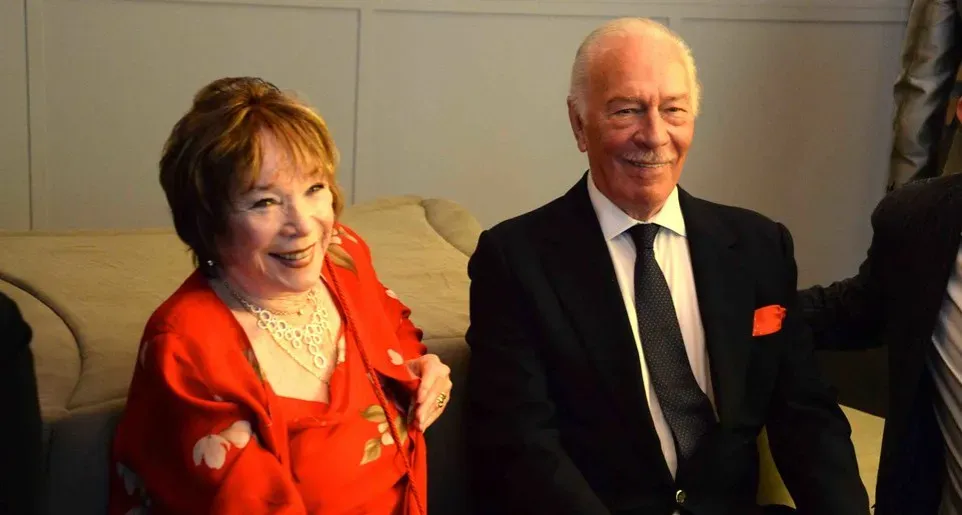
This might be the most dramatic last-minute swap in modern film history, largely because it happened after the movie was already finished. Following allegations of sexual misconduct against Kevin Spacey, director Ridley Scott made an extraordinary decision: in an unprecedented bold move, director Ridley Scott, along with Imperative Entertainment’s Dan Friedkin and Bradley Thomas, decided to remove Kevin Spacey from their finished movie All The Money In The World, setting Christopher Plummer to replace Spacey in the role of J Paul Getty, with re-shoots expected to commence immediately.
The timeline was almost absurdly tight. Scott and his crew had a completed film set for release in about six weeks, and had to refilm a film set for theatrical release by Sony in just six weeks, which would mean refilming 22 scenes in All the Money in the World. Remarkably, they pulled it off in barely more than a week, as Scott and others worked 18-hour days as they rushed to finish in nine days what would typically have taken at least a month. Spacey had originally shot the role for about eight days, while the actor shot roughly eight days, and many of his scenes were performed solo, though for those that weren’t, co-stars Mark Wahlberg and Michelle Williams were called back to work on the reshoots.
3. Armie Hammer replaced by Josh Duhamel in Shotgun Wedding

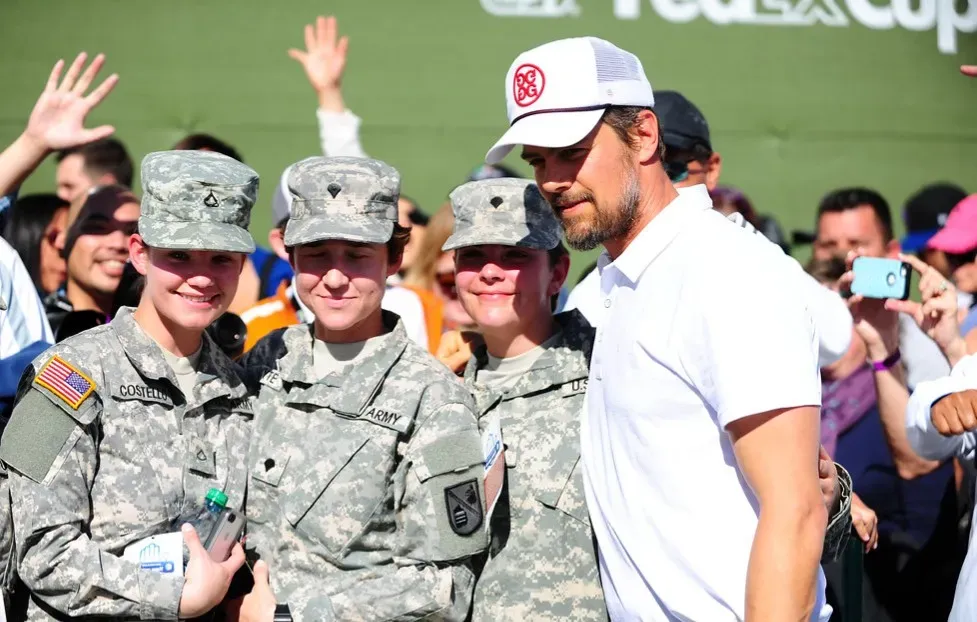
Armie Hammer was set to star opposite Jennifer Lopez in the action comedy Shotgun Wedding, but he exited the project just weeks before production was due to begin. This came amid controversy over explicit messages he allegedly sent, messages that surfaced on social media and quickly spiraled into a wider scandal. Hammer addressed the fallout directly, stating that “I’m not responding to these [expletive] claims but in light of the vicious and spurious online attacks against me, I cannot in good conscience now leave my children for 4 months to shoot a film in the Dominican Republic”.
Lionsgate moved quickly to keep the production on schedule. Just about a week after Hammer’s exit, Josh Duhamel replaced Armie Hammer and starred alongside Jennifer Lopez in action comedy film Shotgun Wedding, studio Lionsgate confirmed. Interestingly, the role had already changed hands once before Hammer even signed on, since prior to Duhamel, Ryan Reynolds was attached to the role in 2019, and Armie Hammer previously replaced him before dropping out in early 2021, making Duhamel the third actor connected to the part.
4. Harvey Keitel replaced by Martin Sheen in Apocalypse Now
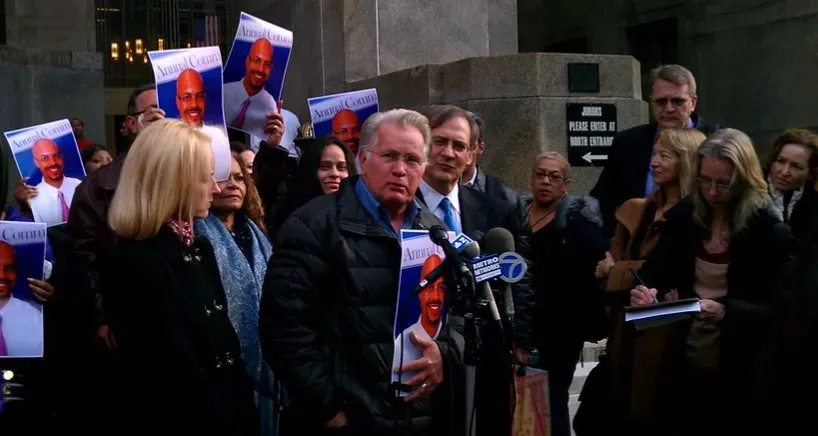
Before Martin Sheen became the haunted face of Captain Willard, the role went to Harvey Keitel, who won the part only after several bigger names passed. Coppola had exhausted his options first, since the director first offered the part to Steve McQueen, who turned down the role because he didn’t want to shoot in the jungle on location, and Al Pacino, James Caan, and Jack Nicholson all turned down successive offers from Coppola until he gave the role to Harvey Keitel. Once filming got underway in the Philippines, though, Coppola quickly felt something was off.
The exact timeline varies slightly depending on the source, but most accounts agree it happened within the first month of shooting. According to one detailed account, Coppola fired Keitel six weeks into production because he thought the actor’s performance wasn’t as introspective as he needed for the character, so he called Martin Sheen, who had previously auditioned for the role of Michael Corleone in The Godfather. Keitel has since said he holds no lingering resentment toward Coppola, though he has pushed back on how the story gets told, noting that “life happens as it happens. I’m not sad about anything or resent anything except there has been a blurring of the truth… I’m not upset with Francis, he did what he felt he had to do. But there’s a blurring of the truth”. Each of these recastings reshaped a film in ways audiences rarely get to see firsthand. Whether driven by chemistry issues, scandal, or a director’s gut instinct, the decision to pull an actor mid-production remains one of the costliest and riskiest moves a studio can make, and yet in each of these cases, it also produced the performance that ended up defining the movie.