There is something almost electric about a book that catches you mid-breath, mid-adolescence, and holds a mirror directly in front of your face. Coming-of-age stories do that better than any other genre. They tap into something raw and universal, that messy, terrifying, exhilarating stretch between being a child and becoming something else entirely.
The best coming-of-age books capture the universal experience of growing up, exploring themes of identity, belonging, and self-discovery that resonate across generations. These transformative stories guide readers through the complex journey from childhood to adulthood, offering profound insights into the human condition. Yet in a world where roughly four in ten Americans did not read a single book in 2025, it feels more urgent than ever to point people toward the ones that genuinely matter. These four books are not just great reads. They are the kind of stories that quietly reshape you. Let’s dive in.
The Catcher in the Rye by J.D. Salinger – The Original Outsider

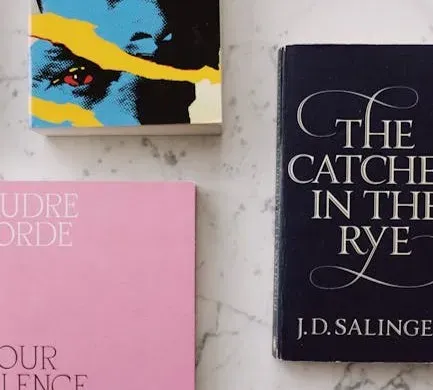
If you have ever felt like the whole world is fake and you are the only one who can see it, this book was written specifically for you. First published in 1951, The Catcher in the Rye is arguably the founding text of adolescent alienation in modern literature. The book has had critical success since its publication, selling sixty-five million total copies. That is not a fluke. That is generational resonance.
Holden Caulfield’s iconic narrative captures the alienation and confusion of adolescence in a way that continues to resonate with readers today. This coming-of-age masterpiece explores themes of authenticity, belonging, and the loss of innocence through Holden’s distinctive voice. The novel’s enduring popularity stems from its honest portrayal of teenage angst and the universal struggle to find one’s place in an adult world that often seems phony and disappointing.
Honestly, Holden can be exhausting to spend time with, and I think that is precisely the point. These coming-of-age novels, also called bildungsroman, often feature themes of nostalgia, the growing pains of adolescence, coming to terms with adult realities, developing one’s identity, and exploring relationships. Salinger’s genius was making a deeply unlikeable narrator feel deeply necessary. Reading this book as a teenager feels like discovering a secret language. Reading it as an adult feels like grief.
The term “coming-of-age” is often used interchangeably with “bildungsroman,” a quirky term that many readers may be unfamiliar with. Bildungsroman is a German phrase that translates to “novel of education” or “novel of formation.” It is a literary genre that focuses on the formative years of life, often exploring adolescence through to early adulthood, where psychological growth and self-development are key aspects in a character’s arc. Salinger basically defined what that looks like in American literature. He did it with one book. One restless, cigarette-smoking, hotel-room-wandering book.
The Perks of Being a Wallflower by Stephen Chbosky – Letters to Nobody, Heard by Everybody


Here is the thing about this book: it does not announce itself as a masterpiece. It just sneaks up on you, and by page fifty you are already a little bit wrecked. The Perks of Being a Wallflower is a 1999 young adult novel by Stephen Chbosky. Set in the early 1990s, the novel follows Charlie, an introverted and observant teenager, through his freshman year of high school in a Pittsburgh suburb. The novel details Charlie’s unconventional style of thinking as he navigates between the worlds of adolescence and adulthood, and attempts to deal with poignant questions spurred by his interactions with both his friends and family.
The book dispassionately addresses a range of themes, which include drugs, friendship, body image, first love, suicide, eating disorders, and sexuality. That list sounds heavy on paper, but inside the novel it flows with remarkable honesty. It never feels like a checklist of issues. It feels like a life. The novel has sustained popularity as a millennial cultural touchstone, evidenced by its 25th anniversary coverage in February 2024, which highlighted retrospective analyses of its contribution to early discussions on adolescent mental health challenges like depression and trauma through introspective storytelling.
Reader engagement metrics reveal polarized responses, with the book averaging 4.2 out of 5 stars across approximately 1.97 million Goodreads ratings as of 2024, where roughly four in five readers award it four or five stars for its raw portrayal of growing pains. Nearly two million ratings is a staggering number for a quiet, epistolary novel about a shy kid in Pittsburgh. Despite positive reviews from critics, the book has frequently been banned and challenged in the United States according to the American Library Association’s Office for Intellectual Freedom. In a strange way, the controversy only tells you how honest it is.
Chbosky wanted to convey respect for teenagers, to “validate and respect and celebrate what teenagers are going through every day,” and said the novel is for “anyone who’s felt like an outcast.” If you read this as an adult and feel something loosen in your chest, that is recognition. That is the book working exactly the way it was designed to. It was written for every quiet kid who ever sat at the edge of a party wondering if they were the only one pretending to be fine.
The Hate U Give by Angie Thomas – Growing Up With Your Eyes Open


Some books arrive at exactly the right moment in history and become something larger than literature. Angie Thomas’s debut novel is one of those books. The Hate U Give is a 2017 young adult novel by Angie Thomas, expanded from a short story she wrote in college in reaction to the police shooting of Oscar Grant. That origin matters. This is not a book written for commercial calculation. It is a book born from grief and urgency.
The book is narrated by Starr Carter, a 16-year-old African-American girl from a poor neighborhood who attends an elite private school in a predominantly white, affluent part of the city. Starr becomes entangled in a national news story after she witnesses a white police officer shoot and kill her childhood friend, Khalil. She speaks up about the shooting in increasingly public ways, and social tensions culminate in a riot after a grand jury decides not to indict the police officer for the shooting.
The book was a commercial success, debuting at number one on The New York Times young adult best-seller list, where it remained for 50 weeks. Fifty weeks at number one. Think about that for a second. The Hate U Give has sold nearly 3 million copies and earned eight starred reviews, the William C. Morris Award, a National Book Award longlisting, and a Printz Honor. Those are not just numbers. They represent millions of young readers sitting with one of the most important conversations in modern America.
The novel covers modern-day racism in an incredibly educational and impactful manner whilst also engaging young readers through strong, likeable characters and fast-moving plot lines. It amplifies Black voices and stories, allowing a Black teenage girl to tell her story about learning to speak out and use her voice to fight the racism and police brutality that her community faces daily. I think the reason this book hits so hard is precisely because it refuses to make the story comfortable. It asks something of the reader. It asks you to truly see Starr’s world, not just observe it from a safe distance.
To Kill a Mockingbird by Harper Lee – The Conscience of a Generation

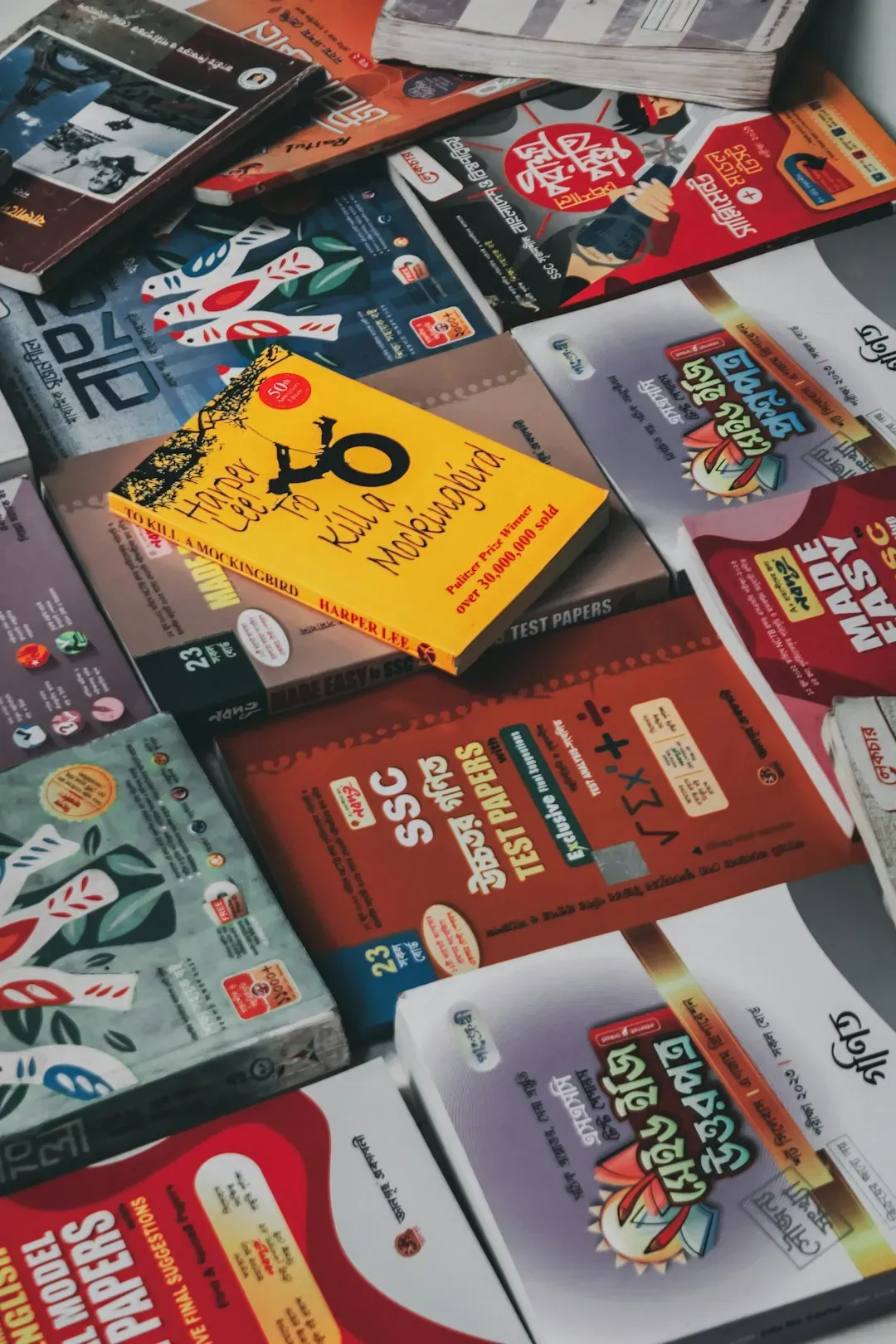
There are books that teach you what literature can do, and then there is To Kill a Mockingbird, which is itself the lesson. The unforgettable novel of a childhood in a sleepy Southern town and the crisis of conscience that rocked it, To Kill a Mockingbird became both an instant bestseller and a critical success when it was first published in 1960. It went on to win the Pulitzer Prize in 1961 and was later made into an Academy Award-winning film. Few debuts in American literary history carry that kind of weight.
Compassionate, dramatic, and deeply moving, To Kill a Mockingbird takes readers to the roots of human behavior, to innocence and experience, kindness and cruelty, love and hatred, humor and pathos. Seen through the eyes of young Scout Finch, the story of her father Atticus defending a Black man falsely accused of a crime in the American South becomes a childhood transformed by reality. It is the kind of story that makes growing up feel both devastating and necessary. With over 18 million copies in print and translated into forty languages, this regional story by a young Alabama woman claims universal appeal.
What makes this book feel so alive even decades after publication is Scout’s voice. She is just a child watching the adult world reveal its worst instincts, and she cannot yet fully process what she sees. That gap, between innocence and understanding, is exactly what coming-of-age fiction lives inside. Harper Lee always considered her book to be a simple love story. Today it is regarded as a masterpiece of American literature. A love story about decency, about courage, about the painful education of growing up honest in a dishonest world.
Bildungsroman novels have been a regular feature on Booker and International Booker Prize longlists. The winner of the Booker Prize 2025, Flesh, was described as an “unconventional kind of bildungsroman” by the Economist. The genre that Harper Lee helped define in 1960 is still shaping prize-winning fiction in 2026. That continuity says everything. The coming-of-age story has never gone out of fashion because growing up never goes out of fashion. It is, quite simply, the most human thing there is.
What do you think – which of these four books hit you the hardest, and was there one you wish someone had put in your hands years earlier? Drop your thoughts in the comments.