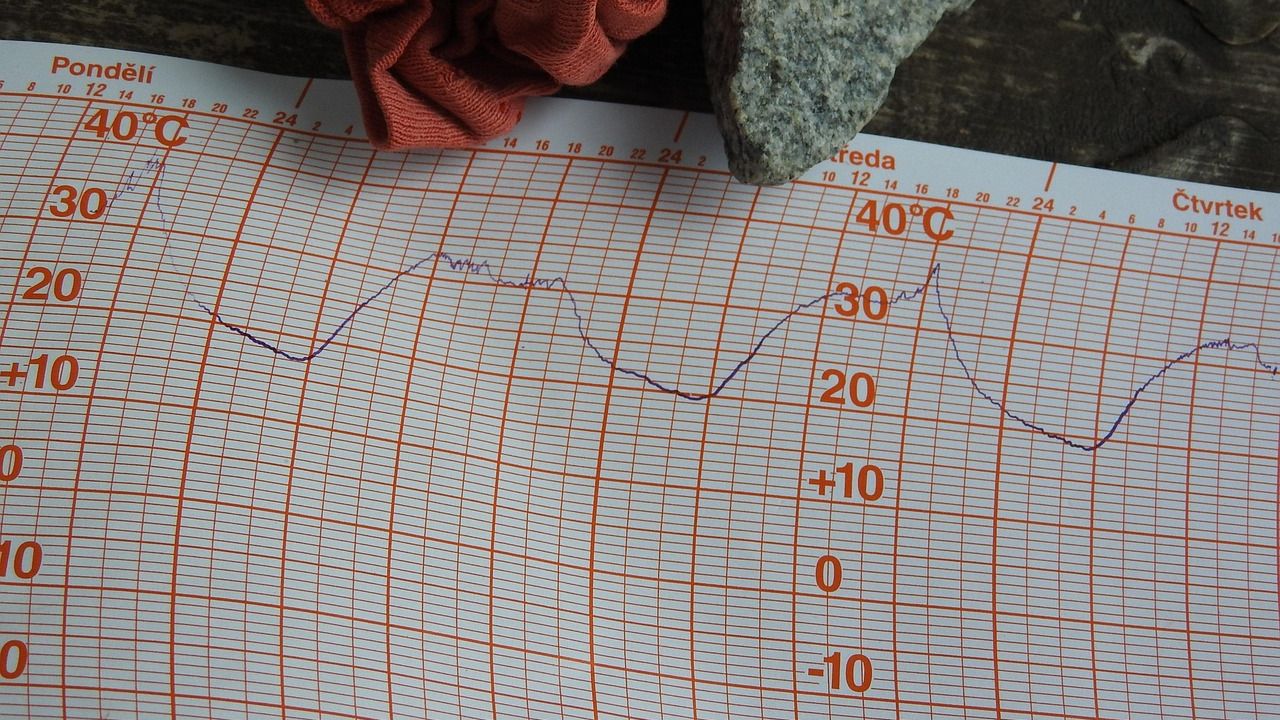
(Question) What is the warmest temperature ever officially recorded in UK? – Image for illustrative purposes only (Image credits: Pixabay)
Lincolnshire – Thermometers pushed past 40 degrees Celsius for the first time in British history on July 19, 2022, when Coningsby registered 40.3 degrees Celsius, or 104.5 degrees Fahrenheit. The Met Office later confirmed this measurement as the nation’s highest official temperature record after a detailed review process.[1][2] That summer’s heatwave gripped the country, straining infrastructure and prompting widespread warnings. The milestone underscored a shift toward more frequent extreme heat in the UK.
The Day Temperatures Soared Beyond Expectation
July 19 fell amid a prolonged heatwave that saw provisional readings climb rapidly across eastern England. Coningsby, a small town in Lincolnshire, emerged as the hotspot with its official station capturing the peak at 40.3 degrees Celsius. Earlier that day, nearby sites like Heathrow Airport reported 40.2 degrees Celsius, hinting at the record’s imminence.[3] Rail lines buckled under the strain, flights faced delays, and public health alerts urged people to avoid outdoor exertion.
Communities adapted as best they could, with schools closing early and emergency services on high alert. The heat persisted overnight in some areas, marking the UK’s warmest night on record at the time. This event tested the limits of a country where air conditioning remains rare in homes and public buildings.
Rigorous Verification by the Met Office
The Met Office subjected the Coningsby reading to stringent checks before declaring it official. Experts analyzed data from standardized weather stations to rule out anomalies from non-standard equipment. Only measurements from approved sites qualify for national records, ensuring reliability.[4] This process confirmed not just the 40.3 degrees Celsius peak but also multiple sites exceeding 38 degrees Celsius that day.
Such verification protects the integrity of climate data used for research and forecasting. The 2022 confirmation came weeks after the event, allowing time for cross-referencing with satellite imagery and neighboring stations. No higher verified temperatures have appeared since.
Tracing the Progression of UK Heat Records
British temperature records evolved gradually until recent decades. The previous national high stood at 38.7 degrees Celsius, recorded at Cambridge University Botanic Garden on July 25, 2019.[5][2] Before that, Faversham in Kent hit 38.5 degrees Celsius on August 10, 2003. These milestones reflect a warming trend, with each new record surpassing the last by smaller margins.
Here are the top five hottest days in UK history:
- 40.3°C (104.5°F), Coningsby, Lincolnshire, July 19, 2022
- 38.7°C (101.7°F), Cambridge, July 25, 2019
- 38.5°C (101.3°F), Faversham, Kent, August 10, 2003
- 38.2°C (100.8°F), Pitsford, Northamptonshire, July 18, 2022
- 37.8°C (100.0°F), Heathrow, London, July 31, 2020
All top readings occurred in England, highlighting the southeast and east’s vulnerability to continental heat. Earlier records, like 36.7 degrees Celsius at Cheltenham in 1990, now seem modest by comparison.[2] This progression aligns with broader observations of rising averages, though individual peaks remain rare.
Scotland’s highest reached 34.8 degrees Celsius in 2022, while Wales hit 37.1 degrees Celsius the same year. These constituent country records show heatwaves affecting the entire UK, albeit with regional variations.
Recent Heat and the Record’s Endurance
Summers since 2022 have challenged the record without toppling it. The UK experienced its warmest summer on record in 2025, with a peak of 35.8 degrees Celsius in Faversham, Kent.[6] Four heatwaves that year pushed averages higher, yet no site matched Coningsby’s mark. Such events signal persistent warmth but fall short of absolute extremes.
Climate patterns continue to evolve, with provisional data from early 2026 showing no new challengers. The Met Office maintains vigilant monitoring through its extremes database.[4]
The 40.3 degrees Celsius benchmark endures as a stark reminder of vulnerability to heat in a changing climate. As the UK braces for future summers, investments in resilient infrastructure gain urgency. This record, once unthinkable, now serves as a baseline for what lies ahead.