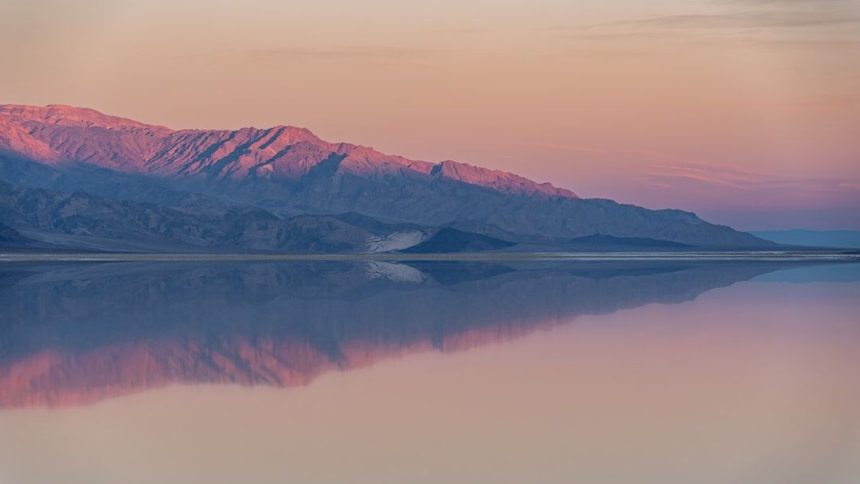
The Las Vegas Strip is electric. Literally. But sometimes, all that neon and noise makes you want to just… breathe. Honest truth: some of the most breathtaking landscapes on earth are sitting right outside Vegas’s back door, waiting for you to find them. You do not need a big budget or a packed itinerary to have a genuinely unforgettable weekend. You just need a tank of gas and the right destination.
Within roughly three hours of the Strip, you can be standing inside ancient slot canyons, kayaking a glowing river, staring at fiery red rocks, or hiking along cliffs with views so wild they barely look real. No flights. No resort fees. Just road. So pack a cooler, grab your best playlist, and let’s get into it.
1. Valley of Fire State Park, Nevada – The Alien Planet an Hour Away

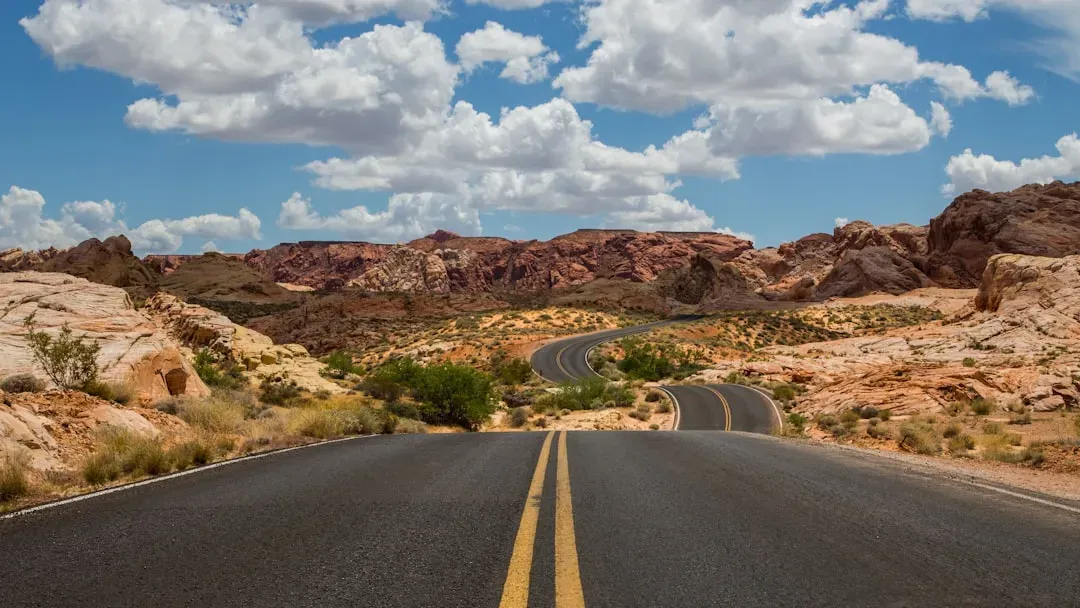
Here’s the thing. Most people have no idea that one of Nevada’s most visually staggering landscapes is just about an hour from the Strip. Valley of Fire is located about 58 miles from the Las Vegas Strip in the Mojave Desert. It sounds almost too convenient to be true, but it genuinely is.
Valley of Fire consists of bright red Aztec sandstone outcrops nestled in gray and tan limestone mountains, with sandstone from the Jurassic period that is the remnant of sand left behind by the wind after inland seas subsided and the land rose. Think about that for a second. You are literally walking on ancient seabeds.
Early man moved into southern Nevada as far back as 11,000 years ago, and the most obvious evidence of occupation is the petroglyphs carved into the rocks by the Basketmaker culture about 2,500 years ago, followed later by the Early Pueblo culture. Seeing those carvings up close is one of those genuinely humbling moments that no casino can replicate.
Cost-wise, this is an absolute steal. The entrance fee for Valley of Fire State Park is $10 for Nevada residents and $15 for out-of-state or foreign visitors, and upon entry you will pass by a small booth where you can pay your fee. Valley of Fire State Park has two fairly large campgrounds on site with restrooms, picnic tables, and grills, and campsites are $20 for Nevada residents and $25 for out-of-state or foreign visitors. That is a full weekend in a spectacular setting for almost nothing. Honestly, it might be the best value within 100 miles of Vegas.
2. Zion National Park, Utah – The Crown Jewel, Closer Than You Think

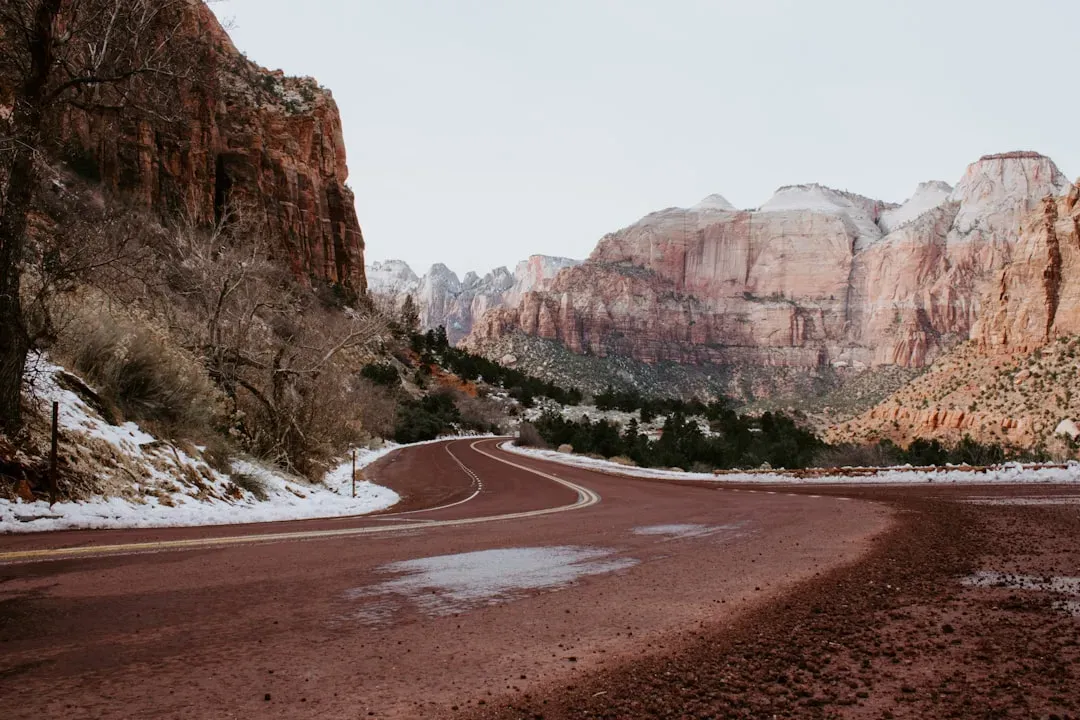
Zion National Park is located in Southern Utah around a two-and-a-half-hour drive from Las Vegas. It is one of those destinations that photographs well, but no camera – not one – can fully prepare you for standing inside it. The scale is almost disorienting.
Narrow slot canyons, red and white sandstone formations, 3,000-foot vertical walls, and the Virgin River make the main canyon of Zion National Park a spectacular place to explore. Zion was Utah’s first national park, established in 1919. It has been drawing visitors for over a century, and the place still manages to feel like a discovery.
Budget travelers will be relieved. Visiting Zion costs $35 per vehicle, and the pass is valid for seven days. For $80, US citizens and residents can get the America the Beautiful Annual Pass and have access to all of the nation’s National Parks, National Wildlife Refuges, National Forests, and National Grasslands for twelve months. If you are planning to visit more than two parks in a year, that pass pays for itself immediately.
In Zion National Park, budget travelers spend around $64 per day on average, mid-range travelers spend $146 per day, and luxury travelers spend around $279 per day. During peak season, private vehicles are not allowed on the Zion Canyon Scenic Drive, and visitors must use the park’s free shuttle service. That free shuttle is genuinely one of the nicest things about visiting. Affordable hotels can be found in Hurricane, Utah, about a 20-minute drive from the park, with prices as low as $30 in the low season and $80 in the high season.
3. Death Valley National Park, California – The Wildest Two Hours You Will Ever Drive
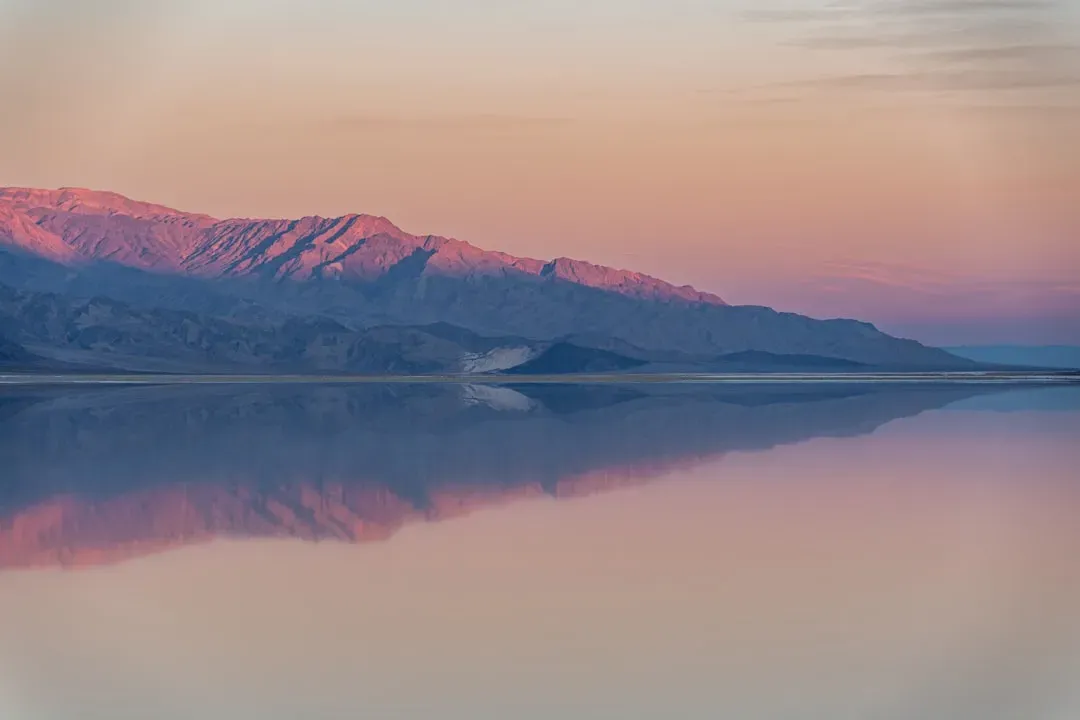
Death Valley National Park is located in the Mojave Desert in California, about a two-hour drive from Las Vegas, and as a land of extremes, it is the driest and lowest park in North America and the hottest in the world, made up of multicolored badlands, snow-capped peaks, sand dunes, and rugged canyons. It is everything people say it is and more.
I know it sounds a little intimidating. But visiting outside summer means you get all the drama with none of the danger. It makes a great weekend getaway spot, especially during the winter when the temperature is pleasant. Visit Badwater Basin, the lowest point in North America, and marvel at the surreal beauty of Zabriskie Point and the Mesquite Flat Sand Dunes. Each of those could genuinely be its own article.
An important heads-up for 2026 visitors: flash floods in September 2025 caused extensive damage to the roads throughout the park, and as of late 2025, much of the popular itinerary was inaccessible, with no clear indication of how long those road closures will last. Always check the National Park Service website before you go. For most visitors, the fastest and lowest-friction path is purchasing a 7-day vehicle pass ($30) at an automated kiosk upon arrival, but if you are visiting more than once in a year, the $55 Annual Pass pays for itself after two trips. Pack your food before leaving Vegas. Inside the park, options are extremely limited and expensive.
4. Boulder City and Hoover Dam, Nevada – History, Views, and Almost Zero Cost
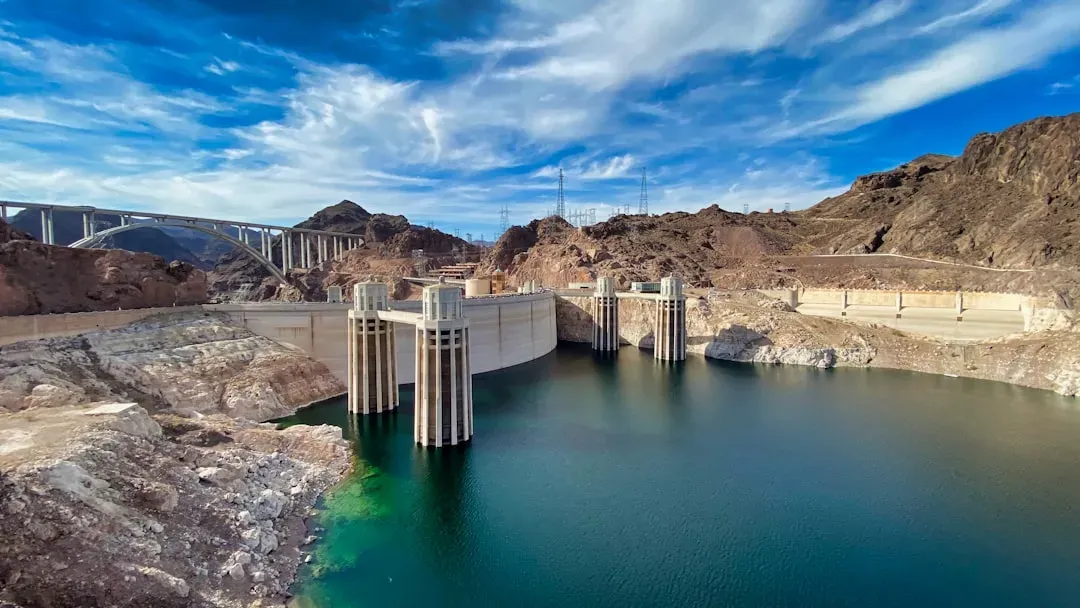
Let’s be real: sometimes you just want something easy, close, and genuinely impressive without spending much at all. Only 30 minutes from Las Vegas, Boulder City is home to the impressive Hoover Dam and Lake Mead. It is one of those places that sounds like a school field trip but is absolutely worth an adult weekend.
Hoover Dam, once known as Boulder Dam, is a remarkable engineering marvel from the Depression era, standing as one of America’s Seven Modern Civil Engineering Wonders, and the dam was completed ahead of schedule and under budget in 1936, built by thousands of men enduring extreme conditions to create the massive 726-foot-high structure. You cannot look at it and not feel something.
Hoover Dam is the modern marvel that cut off the Colorado River, forming Lake Mead and giving Las Vegas a much-needed water supply during its boom period. You can pay extra for an underground tour of the facilities, but the visitor’s center has a rooftop deck with perfect views, and admission and parking are $10 each. For the budget-focused traveler, that rooftop deck view is more than enough.
Boulder City is one of only two places in Nevada that prohibits gambling. That alone makes it feel like a different universe compared to Las Vegas. Visitors can enjoy thrilling activities like zip lining in Bootleg Canyon and savor delicious meals at local eateries such as the Coffee Cup, which was even featured on Guy Fieri’s Diners Drive-ins and Dives. There is charm here that is hard to find anywhere near the Strip.
5. St. George, Utah – The Red Rock Base Camp You Did Not Know You Needed
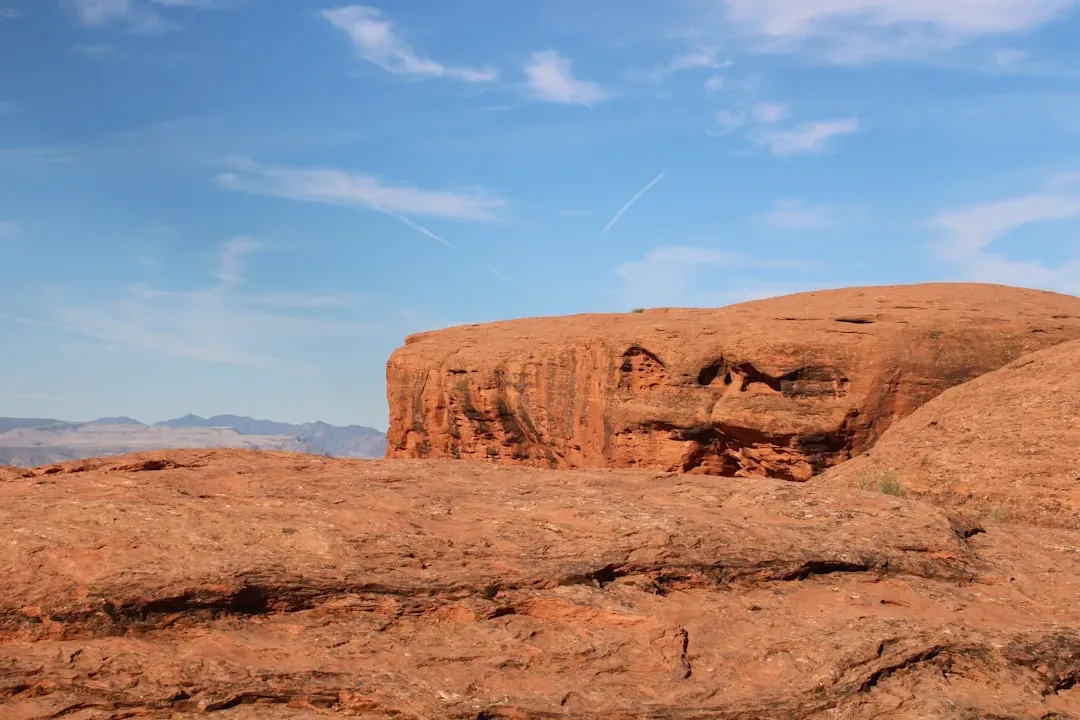
One hundred twenty miles from Las Vegas, St. George and the Greater Zion surrounding area is known as the gateway to three amazing regions – the Mojave Desert, the Colorado Plateau, and the Great Basin – that are home to southern Utah’s four national parks. It is essentially the best outdoor base camp within a two-hour drive of the Strip.
St. George is only a two-hour drive from Las Vegas and McCarran International Airport. St. George receives about 255 days of sunshine per year, and only about 2 inches of snowfall per year. That means almost any weekend you pick, the weather is likely going to cooperate with your plans.
You can explore the stunning Snow Canyon State Park, a local favorite for its dazzling red sandstone cliffs and lava flow remnants, perfect for hiking and photography. For a dive into history, the St. George Dinosaur Discovery Site and the historic downtown with its pioneer-era buildings are must-visits. There is genuinely something for every type of traveler here.
Partner offer

It is hard to say for sure which of St. George’s budget accommodations is the very best value right now, but the options are solid across the board. There are plenty of options for hotels in St. George, and almost all of the major budget hotel chains have locations here since I-15 passes right through, including Hyatt Place, Hampton Inn, and Days Inn. Its unique setting of red rock mesas and lush waterways makes it an ideal home base for family adventures with endless outdoor recreation, as well as spa retreats and golf outings. It genuinely has range.
Planning Tips to Keep Costs Low on Any of These Trips
Before you hit the road, a little planning goes a long way. To stay on budget, you will want to stock up on food and water at a grocery store before you leave Las Vegas, and pick up a cooler and ice if you are packing perishables. This single tip can save a family of four an enormous amount, especially at parks where in-park dining prices can be genuinely shocking.
The America the Beautiful Pass is worth a serious look if you plan to visit multiple national parks. This interagency pass provides access to over 2,000 federal recreation sites, including national parks, forests, and wildlife refuges, and for only $80 per year it is a fantastic option for frequent travelers and outdoor enthusiasts. Note, however, that the America the Beautiful Pass is not valid at Valley of Fire, as it is a Nevada State Park and not part of the National Park System.
Timing your visit also matters enormously. While Zion National Park can be visited year-round, temperatures are most pleasant in the months of April, May, early June, October, and November. The best times to visit the Mojave Desert region are during the cooler months of late fall to early spring, as summer temperatures can be extremely high. Plan around the heat and you will spend less, enjoy more, and feel far better about the whole experience.
What to Pack for a Budget Desert Weekend

Packing smart is practically a financial decision when you are heading into the desert. Drink at least 4 liters of water per day and never leave for a visit without enough drinking water for the whole family. That sounds like a lot until you have actually been out there on a warm afternoon, and then it sounds like a minimum.
Bring sunscreen with high protection, a hat or cap, and sunglasses. These seem obvious, but the number of people you see unprepared at every one of these parks is genuinely staggering. Grabbing these things at a gas station near the park costs triple what they cost at home. If you are camping or staying at one of the park hotels, buying groceries from Las Vegas instead is strongly recommended.
Layers matter more than you might think, especially in spring and fall when mornings are cold and afternoons are warm. The desert temperature swing can catch first-timers completely off guard. Think of it like dressing for two climates at the same time, because in a way, you are.
Best Season to Visit Each Destination
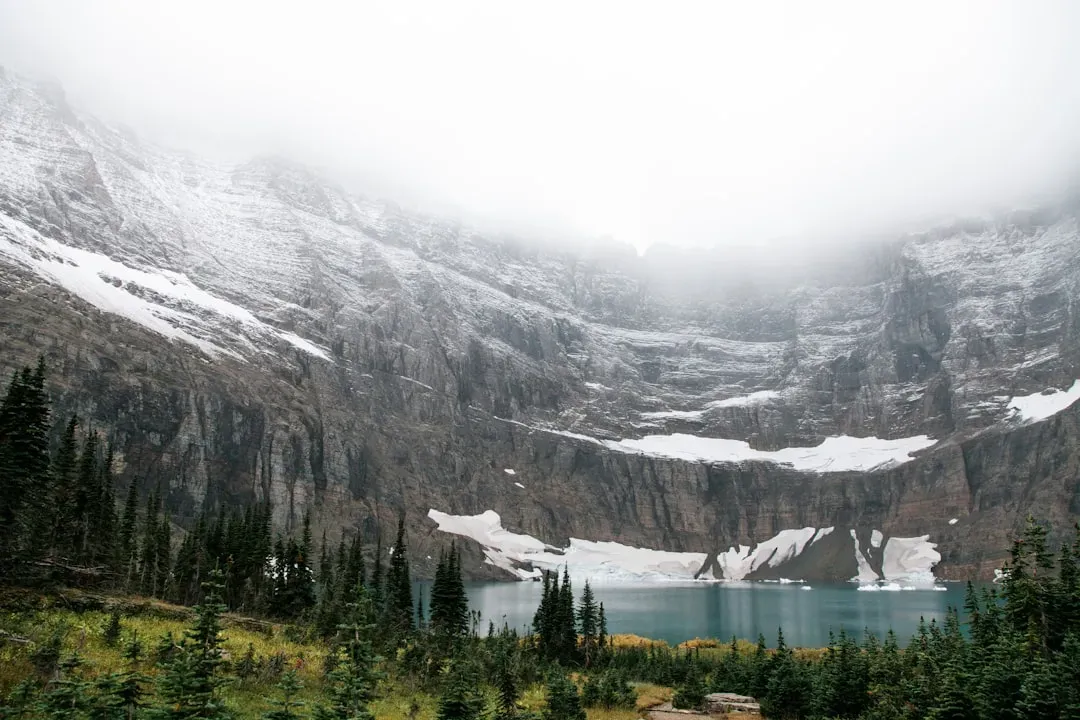
Getting the season right changes everything. For Valley of Fire, fall and spring offer maximum temperatures that are much more comfortable, typically hovering in the 80s, while summer temperatures can exceed 100 degrees Fahrenheit. Hiking trails in summer are not just uncomfortable, they can be genuinely dangerous.
Winter can also be a great time to visit Zion National Park, as crowds are fewer and the top of the canyon looks especially beautiful with a light dusting of snow, although trail access is more limited in icy conditions. Late July through September is considered flash flood season, and if you are visiting Zion during this time, pay close attention to the forecast and do not hike in any narrow canyons, including the Narrows hike, if rain is predicted.
St. George is arguably the most year-round accessible of all five destinations. Make the most of the moderate temperatures between April and May or September and November. That is not to say other months are bad, but those windows are genuinely ideal for outdoor activities without breaking a sweat.
Family-Friendly and Crowd-Smart Strategies

Traveling with kids or just trying to avoid the crush of weekend crowds? A few smart moves make a big difference. You need a timed-entry reservation to drive the scenic loop at Red Rock Canyon between 8 AM and 5 PM from October through May. Planning this in advance is essential or you may find yourself turned away at the entrance on a busy Saturday.
At Zion, the free park shuttle is actually a benefit for families since you do not need to worry about parking. Reservations are recommended for the Watchman Campground and the South Campground, and those spots book up months in advance during peak season. Early reservations are not optional, they are the whole plan.
If you are traveling as a family of three or four people, the price per person at Zion often goes down because kids’ tickets are cheaper and hotel rooms can be shared. That math adds up nicely. A weekend road trip that feels expensive for a solo traveler often becomes surprisingly reasonable when split across a family or group of friends.
Hidden Gems You Might Miss Without Doing the Research
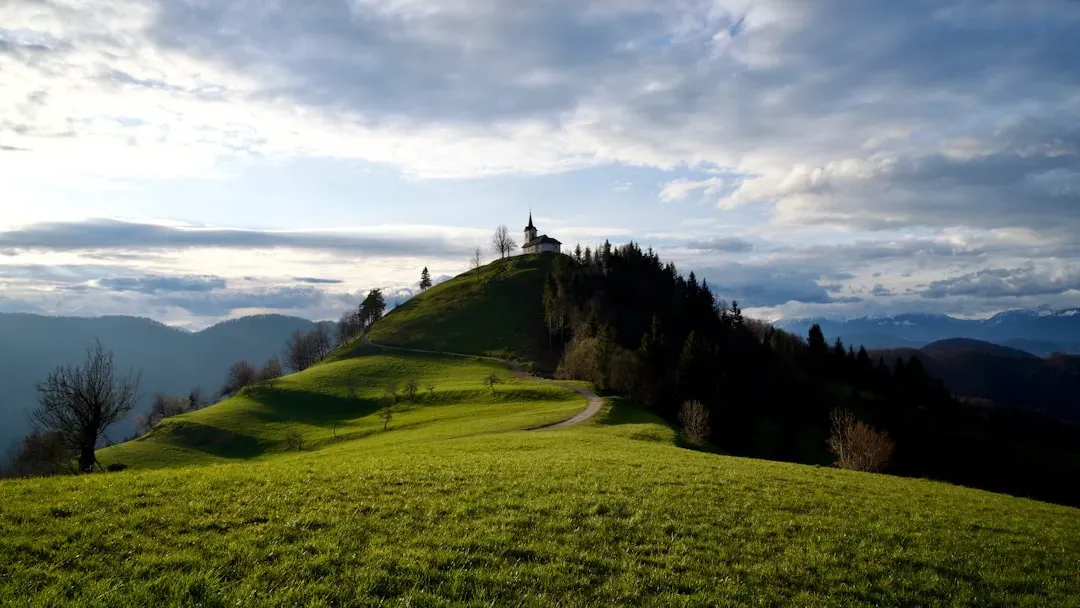
Beyond the main attractions, each of these destinations has something tucked away that most visitors breeze right past. At Valley of Fire, most people hit the Fire Wave and move on, but the highlights also include the North Dome Trail and ancient petroglyphs that are equally stunning and far less crowded.
At Boulder City, many visitors never make it across the bridge. The Mike O’Callaghan–Pat Tillman Memorial Bridge is 1,905 feet long, sits 890 feet high, and is the second tallest bridge in the U.S., named after Nevada Governor Mike O’Callaghan and NFL player Pat Tillman who left his career to serve in the military and died in action in 2004, and you can walk across it for amazing views of Hoover Dam and Lake Mead. It is free, it is dramatic, and almost everyone drives past it without stopping.
In St. George, the ghost town of Silver Reef is one of those completely unexpected finds. While Silver Reef, Utah is not technically a ghost town, you can explore the remnants of it with its wooden structures and crumbling stone foundations, and at certain hours the Silver Reef Museum offers a self-guided pamphlet or guided tours to help you navigate the gravel paths between ruins. It is free to wander, and it is the kind of thing that becomes the story you tell when you get home.
Conclusion: The Strip Is Great, But This Is Better
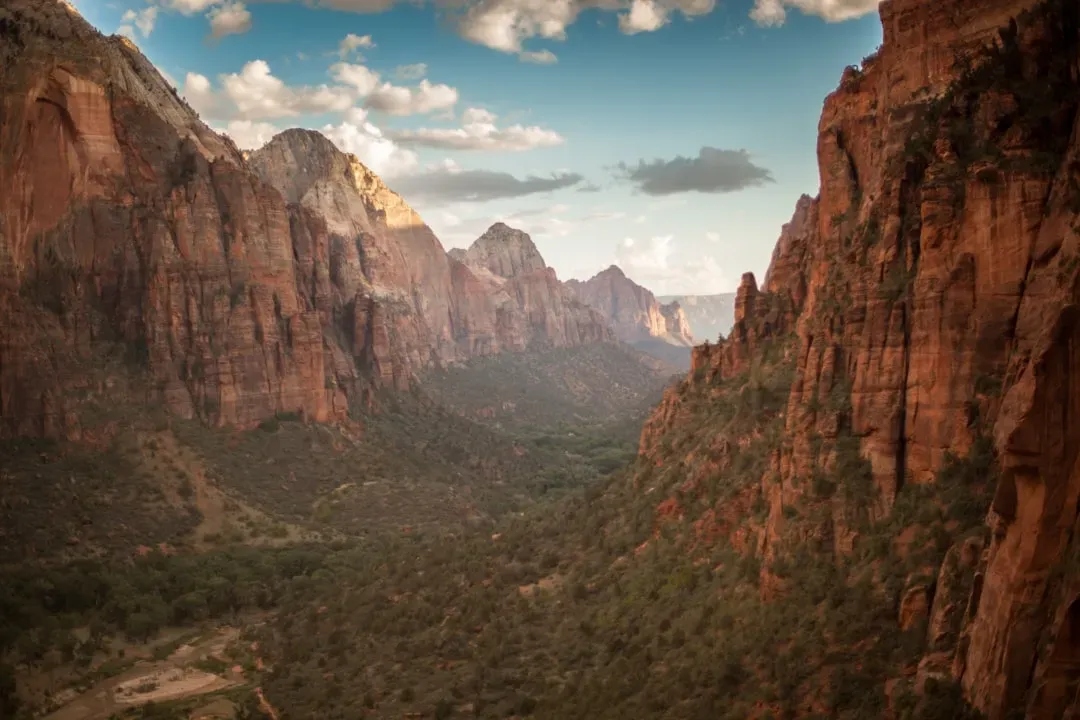
There is something almost funny about flying all the way to Las Vegas and then spending the whole trip staring at slot machines when places like Zion, Death Valley, and Valley of Fire are sitting right outside the door. Most people do not realize Vegas is a great home base to get to the Utah parks and an easy drive to many destinations, and within a few hours you can be at some of the most amazing landscapes the US has to offer.
The five destinations in this guide cover almost every mood. Want dramatic scenery on a micro budget? Valley of Fire. Want to feel genuinely small in the best possible way? Zion or Death Valley. Want history with a side of easy hiking? Boulder City. Want a full outdoor base camp with sunshine almost guaranteed? St. George.
None of these trips require a large budget. They require a decent playlist, a full cooler, and the willingness to get in the car. The neon will still be there when you get back. The question is: which one are you driving to first?
Partner offer
Planning a trip to Vegas?
Compare hotel rates and show tickets on VEGAS.com.