
We tend to picture great novels as the result of years of drafting, doubt and rewriting. Some of the books we now call classics came together much faster than that.
The five below were drafted in a matter of days, weeks or months, usually under pressure from a deadline, a debt or a sudden burst of energy. Each entry notes where the timeline is well documented and where later retellings may have polished the story.
A Christmas Carol by Charles Dickens
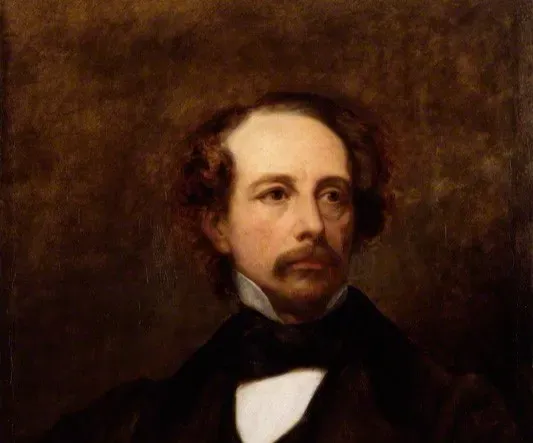
Dickens wrote this short novel in the autumn of 1843, and it reached bookshops on December 19 of that year. Accounts of its composition put the writing at roughly six weeks, which fits the tight schedule needed to have copies ready for Christmas.
He was also managing money worries at the time, since his previous book had sold poorly. He paid for much of the first edition’s production himself, with its hand coloured illustrations by John Leech. It sold out quickly and has barely been out of print since.
Strange Case of Dr Jekyll and Mr Hyde by Robert Louis Stevenson
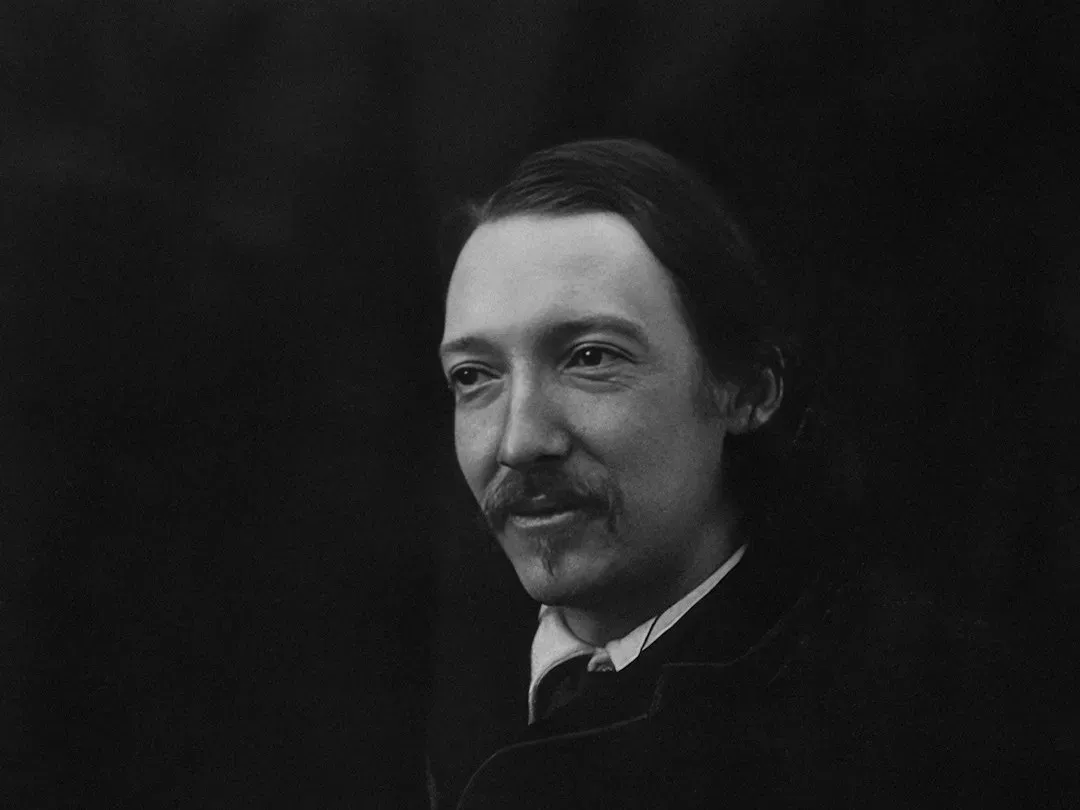
Stevenson wrote the story in Bournemouth in autumn 1885, and it was published in January 1886. The best known account, passed down through his family, says the first draft took only a few days. He supposedly burned that draft after his wife criticised it and then wrote the book again from scratch.
The exact number of days comes from family recollection, so treat it as tradition rather than a precise record. What is clear is that the whole process, from first idea to finished book, took well under a year. The short novel became an immediate bestseller in Britain.
The Gambler by Fyodor Dostoevsky
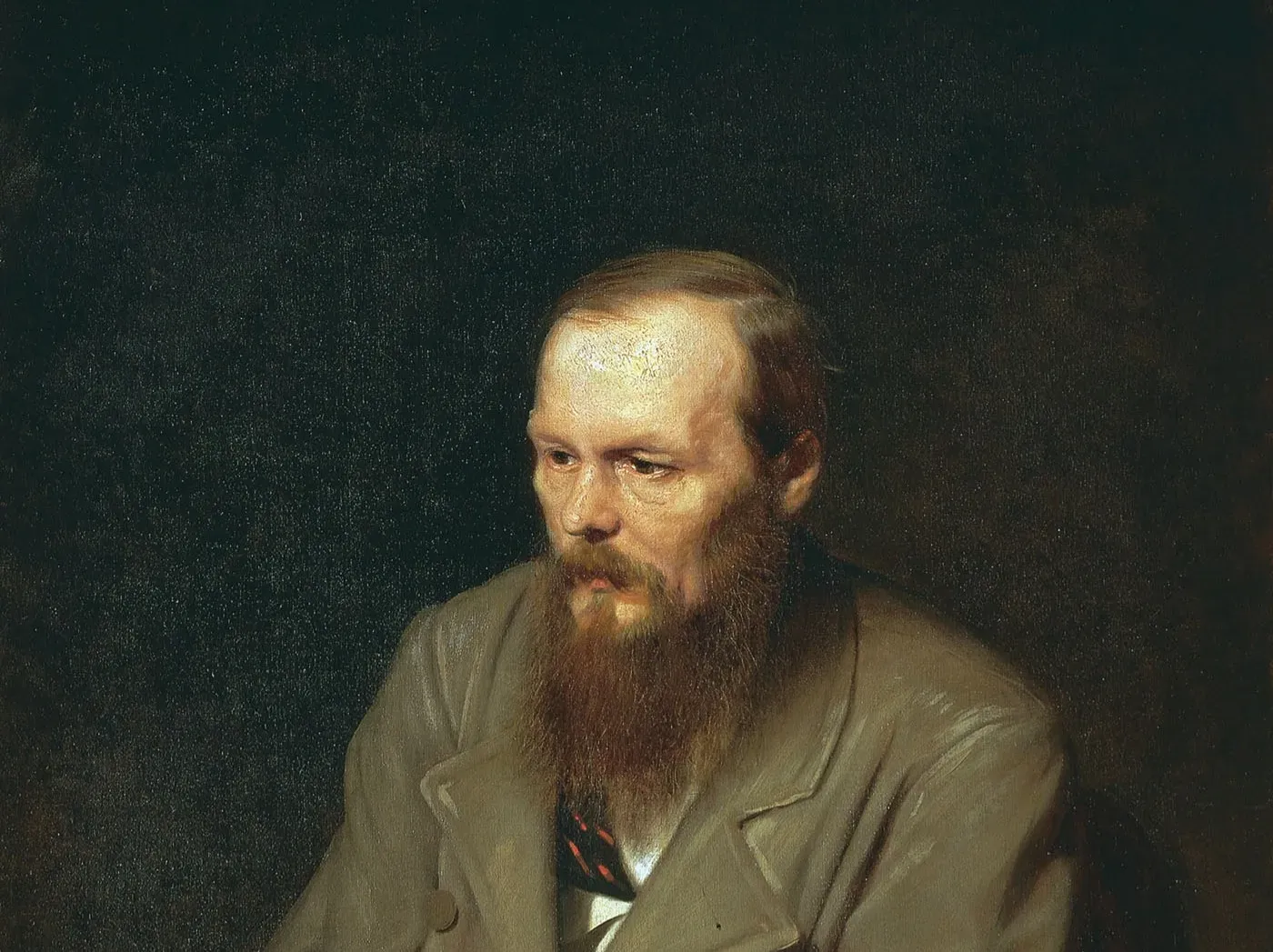
In 1866 Dostoevsky was in serious debt and had signed a contract that put his future royalties at risk if he missed a deadline. He hired a young stenographer, Anna Snitkina, and dictated the novel to her in about twenty six days in October of that year.
The book draws on his own experience of gambling in European casinos. Working on it also brought the two writers close, and they married in 1867. It is a short novel, which helps explain how it could be finished so quickly.
On the Road by Jack Kerouac

Kerouac typed the famous scroll version of this book in April 1951, in about three weeks, on sheets of paper taped together into one long roll. The material came from the cross country trips he had taken with friends in the late 1940s.
Publication did not follow right away. The book came out in 1957 after revisions and years of rejection, so the speedy part is the first draft rather than the finished text. The original scroll text was later published in 2007 for readers who wanted to see the earlier version.
Fahrenheit 451 by Ray Bradbury
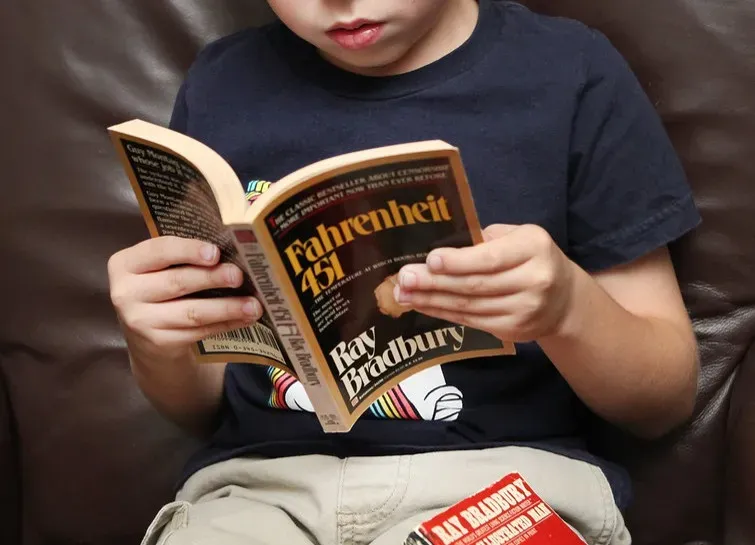
Bradbury began with a shorter story called The Fireman. He wrote it in about nine days in the basement of the UCLA library, using a typewriter he rented by the half hour for a dime.
He then expanded that story into the full novel, which was published in 1953. The expansion also happened within a year or so, according to common accounts of the book’s history. The story is set in a future where firemen burn books, and it is now a staple of school reading lists.