


Music festivals are supposed to be magic. The crowd, the lights, the shared energy of thousands of people hearing their favorite songs performed live – it’s the kind of experience fans save up for, plan months in advance, and talk about for years afterward. But every so often, a performance goes so spectacularly wrong that it transcends the disaster and becomes something else entirely: a legend. Not despite being awful, but because of it. These are the moments that get replayed on YouTube, dissected in documentaries, and whispered about by music obsessives like campfire horror stories. Here are five somehow made history.
1. Led Zeppelin at Live Aid (1985): The Reunion Nobody Wanted to Remember

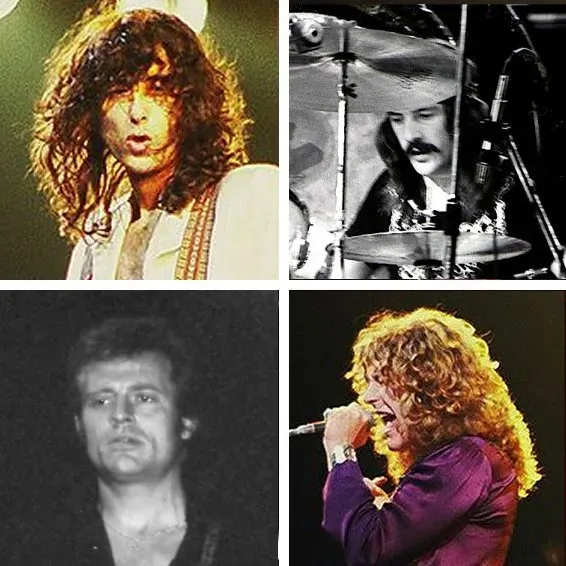
Live Aid featured amazing reunions by everyone from Black Sabbath to the Who to Crosby, Stills, Nash and Young, but the most anticipated act of that incredible day in 1985 was easily Led Zeppelin. The three surviving members hadn’t performed together since John Bonham died five years earlier, and expectations were sky-high when they took the stage at Philadelphia’s JFK Stadium. The crowd was electric. The stakes could not have been higher. What followed was something else entirely.
Guest drummer Phil Collins only had a loose grasp of the late John Bonham’s intricate and heavy parts. Worse still, Plant was hoarse, Page’s guitar was out of tune, and the onstage monitors were busted. Technical difficulties, lack of rehearsal time, and Plant’s voice being out of shape meant the performance has long been considered a disaster – so much so that the band blocked the broadcasts of their sets and banned the footage from being included on the Live Aid DVD released in 2004. Robert Plant later told Rolling Stone it was “horrendous,” while Page said all he could remember was being in a “total panic,” and Collins called it a “disaster,” later summing it up as “the gig from hell.”
2. Milli Vanilli at Club MTV Tour, Lake Compounce (1989): The Glitch That Ended Everything

Uploaded by StAnselm, CC BY 2.0)
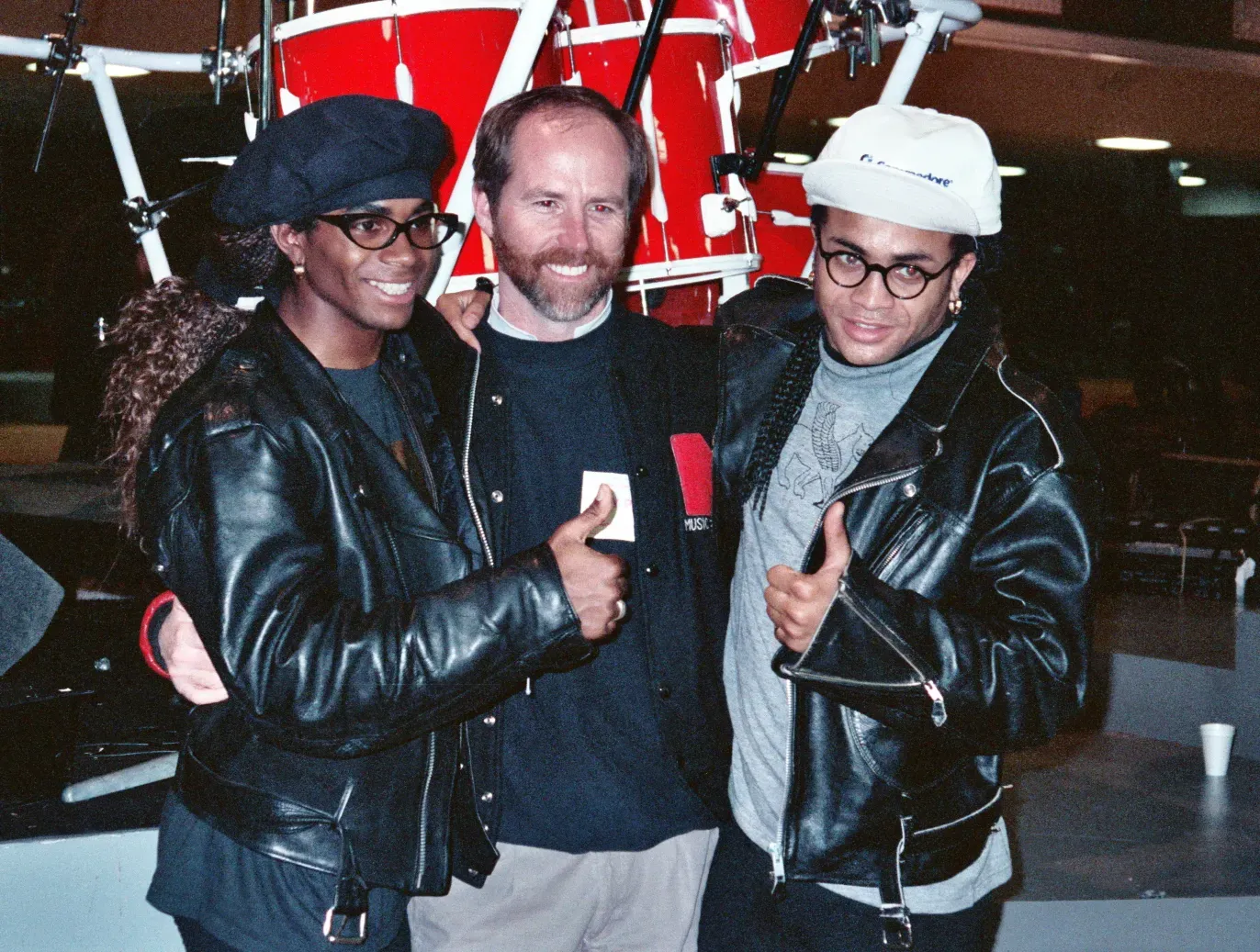
In mid-1989, Milli Vanilli joined the Club MTV Tour alongside several other acts. On July 21, during a performance on MTV at the Lake Compounce theme park in Bristol, Connecticut, the prerecorded “Girl You Know It’s True” vocal track became stuck on repeat. Morvan and Pilatus continued to mime, then ran off stage. The track looped endlessly, repeating the phrase “girl you know it’s…” while thousands of fans watched in bewildered confusion. It was one of pop music’s most embarrassing moments in real time.
Being a time long before social media, the incident caused barely a ripple outside of those in attendance at the Lake Compounce show. The group’s massive success rolled on, culminating in February 1990 when Milli Vanilli was awarded the Grammy for Best New Artist. A week after the revelation that neither face of the group had performed on the record, Milli Vanilli was publicly stripped of the Grammy award for Best New Artist. It was the first and to date only time a Grammy award has been rescinded. Rob Pilatus later admitted, “I knew right then and there, it was the beginning of the end for Milli Vanilli.”
3. The Rolling Stones at Altamont (1969): When the Show Became a Crime Scene

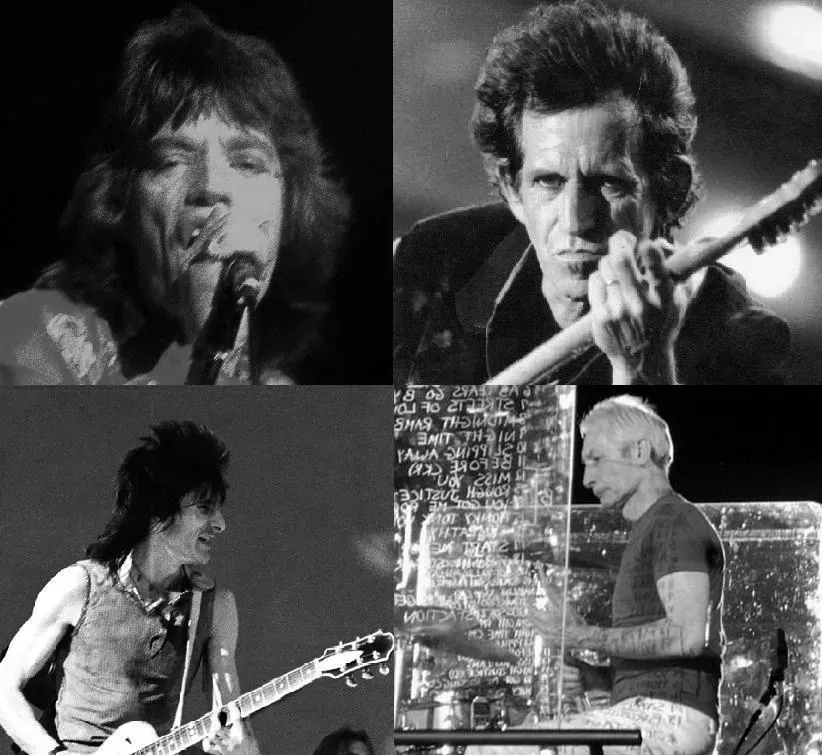
What was supposed to be a landmark concert in the vein of Woodstock became a symbol of rock-and-roll’s darker side. The Altamont Free Concert was held at Altamont Speedway in California and featured The Rolling Stones as headliners. Unfortunately, the event descended into violence due to poor planning, rampant drug use, and the ill-fated decision to hire the Hells Angels as security. The Hells Angels weren’t exactly a standard security team – festival organizers hired them to handle security, which they quickly came to regret, as the bikers “handled” the crowd by beating people back with sawed-off pool cues and whipping them with chains, resulting in countless injuries and the deaths of four people.
The tension in the air was palpable throughout the day, culminating in the fatal stabbing of an audience member, Meredith Hunter, during the Stones’ performance. Footage of the stabbing was later included in the documentary Gimme Shelter, turning Altamont into a grim reminder of how quickly things can spiral out of control at a concert. The concert had started with such promise – free entry, one of the world’s biggest rock bands, and a crowd of roughly 300,000. It ended as a defining symbol of the death of the 1960s peace-and-love ideal, studied and referenced in music history discussions to this day.
4. Pearl Jam at Roskilde Festival (2000): When a Performance Became a Tragedy

![4. Pearl Jam at Roskilde Festival (2000): When a Performance Became a Tragedy ([1], CC BY 2.0)](https://nvmwebsites-budwg5g9avh3epea.z03.azurefd.net/lasvegasnews/d9a90249da4ed407e29f37b4afdd903d.webp)
The Roskilde Festival in Denmark is one of Europe’s largest music events, but in 2000, it became the site of a tragic incident. During Pearl Jam’s performance, a tightly packed crowd became dangerously overcrowded, leading to nine deaths from asphyxiation and numerous injuries. The band halted their show upon realizing the severity of the situation, urging fans to create space. The ground near the stage had become muddy from earlier rain, and as the crowd surged forward, festival-goers were trapped and unable to escape. Despite the band’s attempts to calm the audience and stop the show, the situation deteriorated, and lives were lost in the ensuing chaos.
Pearl Jam was deeply affected by the tragedy, leading them to reassess their approach to crowd safety at future concerts. The Roskilde disaster left a lasting scar on the music community, prompting stronger safety protocols at festivals around the world. The performance itself had been electrifying up to that point, which made the aftermath all the more haunting. This tragedy prompted significant discussions about crowd safety and led to improved security measures at festivals worldwide. Pearl Jam rarely speaks publicly about that night, but its shadow has never entirely lifted from the band’s live history.
5. Guns N’ Roses and Metallica in Montreal (1992): Two Disasters for the Price of One

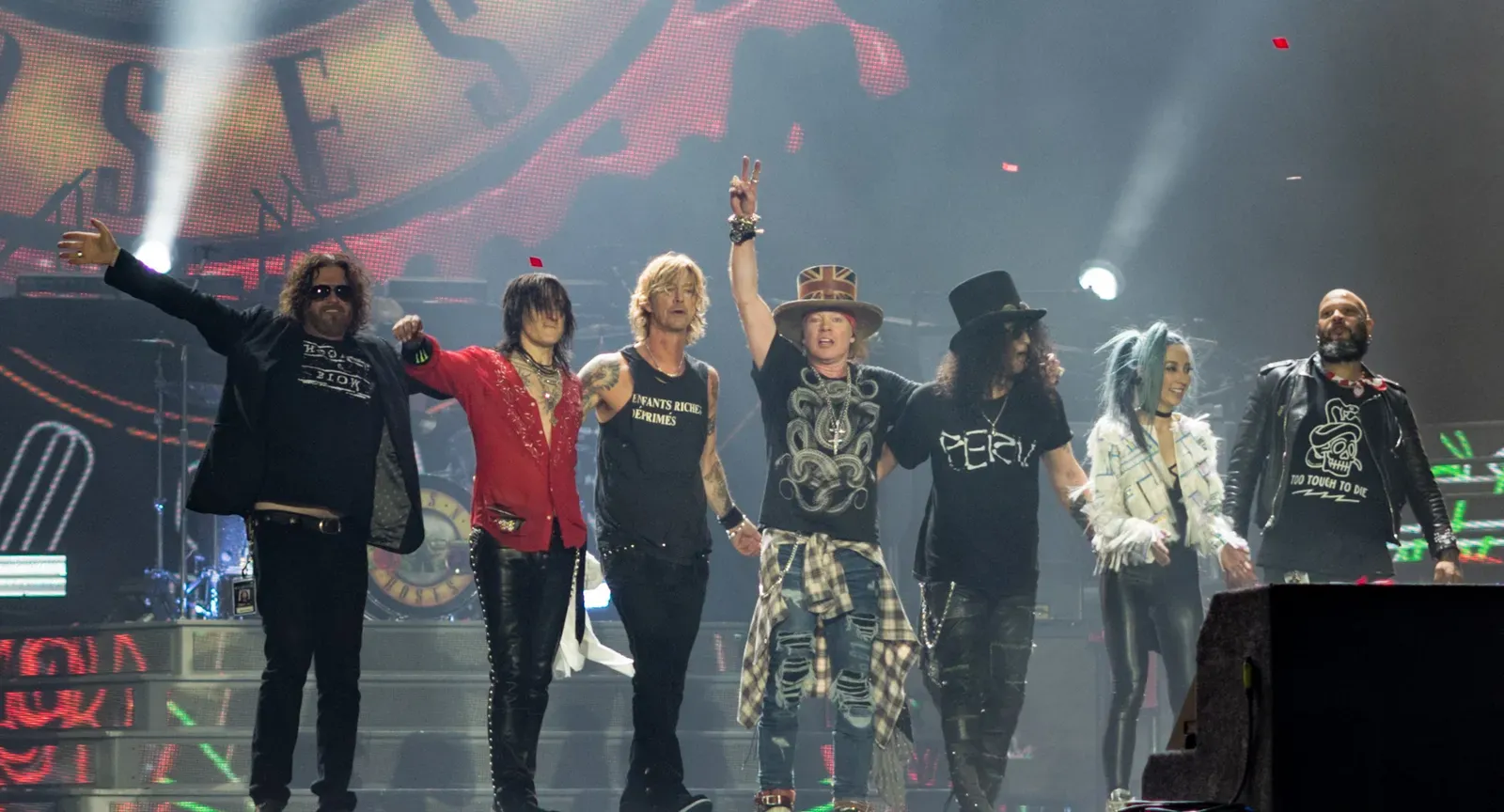
The joint Guns N’ Roses and Metallica tour in 1992 should have been a rock fan’s dream, but it became infamous for one of the biggest concert disasters of the decade. In Montreal, Metallica’s James Hetfield suffered severe burns when a pyrotechnic explosion went wrong, forcing the band to cut their set short. While fans were already disappointed, things went from bad to worse when Guns N’ Roses arrived late, and Axl Rose ended their performance early, citing vocal issues. Two of the biggest rock acts of the era, one night, two separate meltdowns. The crowd had paid to see both bands deliver their full sets.
During a performance of the classic “Fade to Black,” Hetfield was in the wrong spot on stage and became engulfed by flames following a planned explosion. Hetfield suffered second- and third-degree burns, but thankfully made a full recovery. Frustrated and angry, fans rioted, causing extensive damage to the venue and surrounding areas. The incident marked one of the lowest points in the tour and a moment when rock-and-roll chaos truly spilled over into violence. The Montreal riot became one of the most documented examples of a concert going catastrophically off the rails, and the footage still circulates widely as a reference point for how quickly a live event can unravel when both artists and logistics fail simultaneously.


