Some stories do something that goes beyond entertainment. They build a place so vividly that you start to mourn the fact that you can’t actually go there. Not just visit it at a theme park or find a film location that sort of looks like it. Actually go. Order a drink, walk the streets, get to know the neighbors.
These five towns have that quality. Each one was crafted with enough specificity and warmth that they feel more lived-in than many real places do. Whether they come from a beloved TV show, a fantasy novel, or a Scottish wizarding village, they share one thing in common: they make the real world feel just a little bit smaller by comparison.
Hogsmeade, Scotland – From the Harry Potter Series

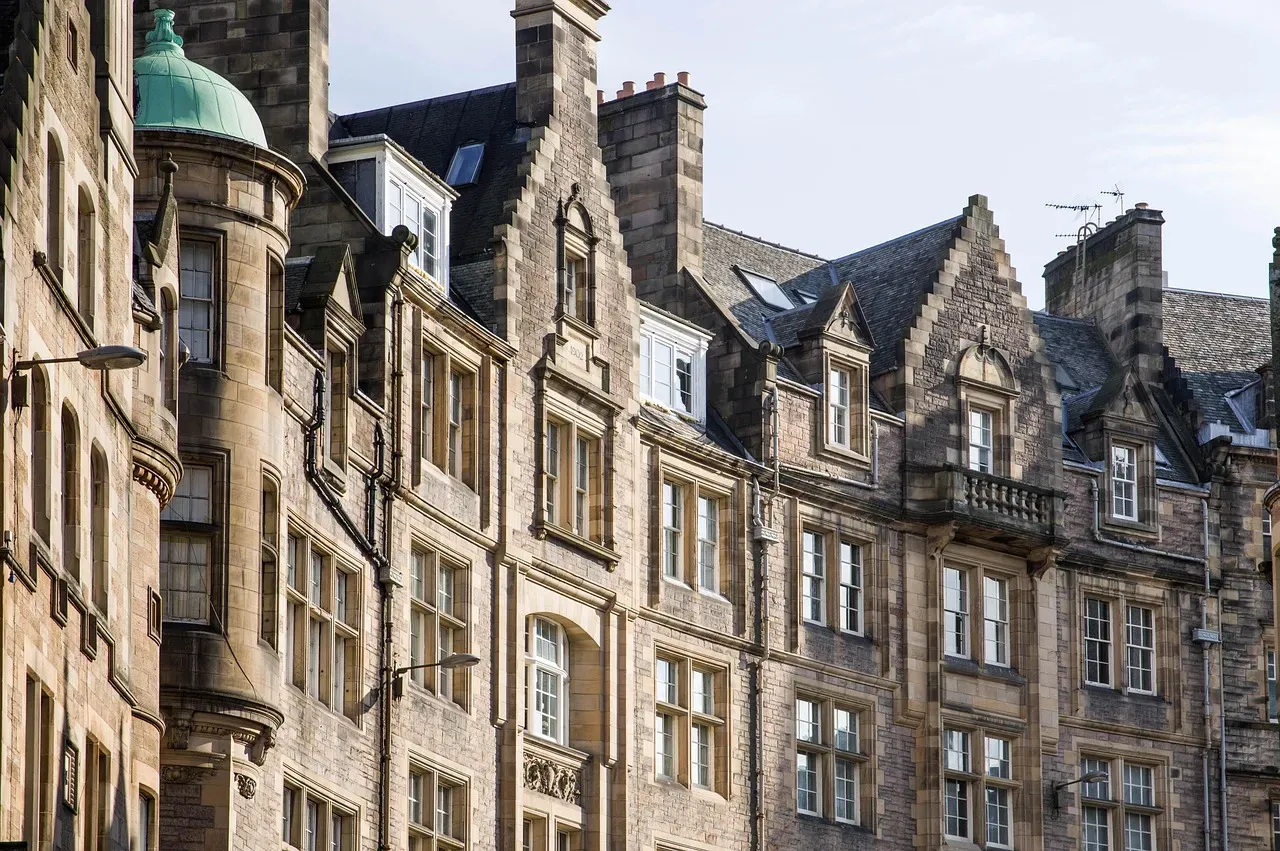
The only entirely non-Muggle settlement in Britain, Hogsmeade was located in the Highlands of Scotland, close to Hogwarts. That single fact already sets the tone. A whole village where everyone is magical, where the shops sell products that defy physics, and where the biggest weekly drama is which pub to stop at first. It was a picturesque little village of cottages and shops, with enchanted candles hanging in the trees during the holidays, and it sat near the station used by the Hogwarts Express.
Pupils were permitted to visit the town in their third year of school, which allowed them to frequent many unique magical shops, pubs, and restaurants. Pupil favorites included Honeydukes sweetshop and Zonko’s Joke Shop. Less popular was the supposedly haunted Shrieking Shack. Then there is the Three Broomsticks, an inn and pub known for its delicious butterbeer. Honestly, even without the magic, that sounds like a perfectly good afternoon.
Stars Hollow, Connecticut – From Gilmore Girls

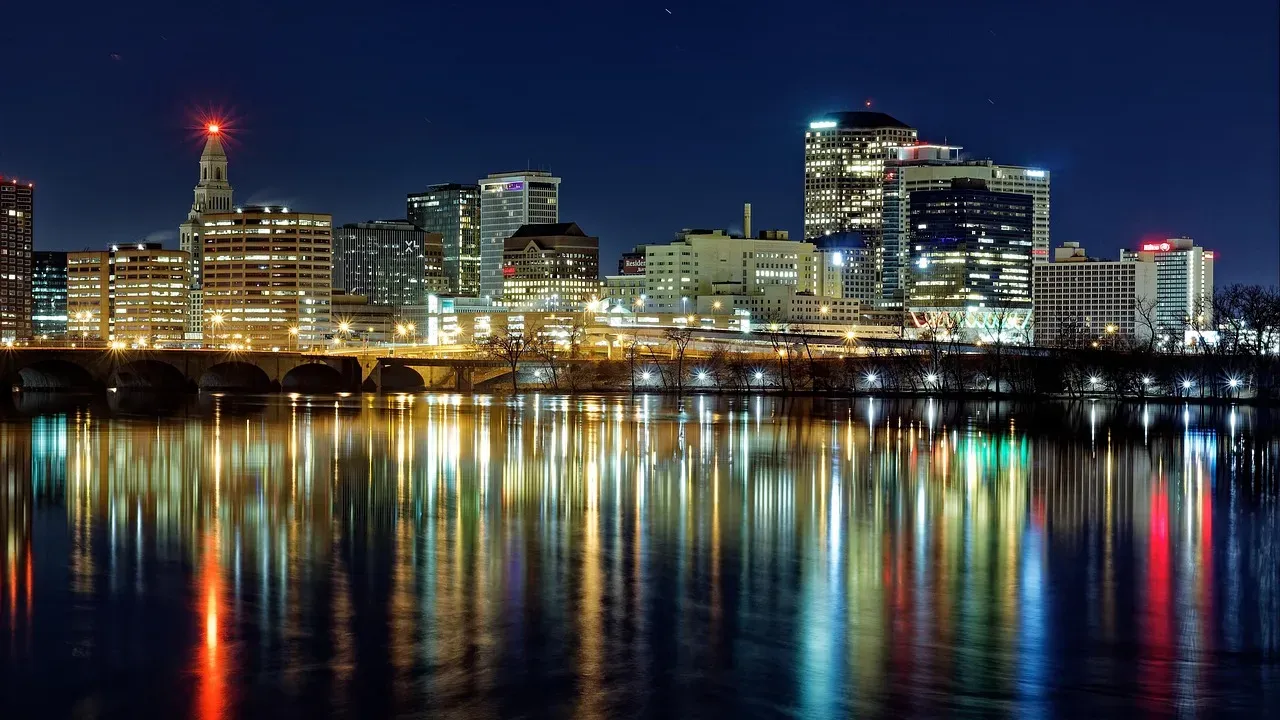
Stars Hollow, the cozy and quirky town from Gilmore Girls, has become an iconic example of small-town charm. The picturesque setting and tight-knit community captured the hearts of millions of viewers, making it a beloved place that feels like home. The show ran for seven seasons and a 2016 revival, and people still haven’t let go of it. The center of town consists primarily of businesses surrounding a park with a gazebo, including Luke’s Diner, Doose’s Market, Miss Patty’s dance studio, and the public high school.
Stars Hollow was inspired by, and is loosely based on, several real communities in Connecticut: the village of Washington, and the towns of West Hartford and New Milford. The show’s creator was so moved by what she found in Washington that she built an entire world around it. According to the town’s economic development coordinator, Gilmore Girls content on the town’s tourism blog gets nearly five times the traffic of any other content on the website, and the Connecticut state tourism office sees Gilmore Girls content hits increasing nearly 150 percent in the fall. That’s the mark of a fictional town that genuinely stuck.
The Shire – From J.R.R. Tolkien’s Middle-earth

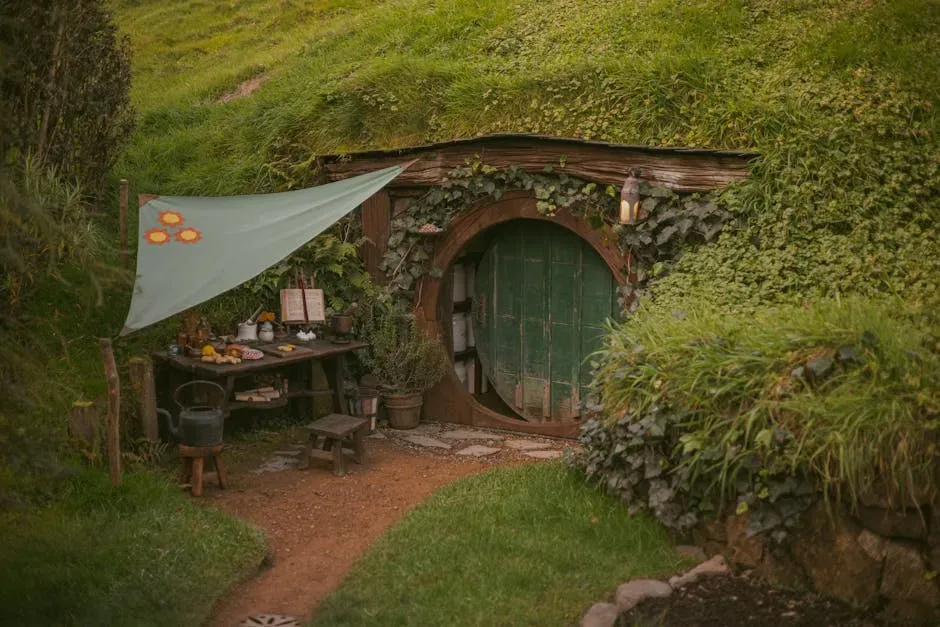
The Shire is an inland area settled exclusively by hobbits, the Shire-folk, largely sheltered from the goings-on in the rest of Middle-earth. That sheltered quality is a big part of the appeal. No office emails, no traffic, no noise. Just rolling green hills, round doors with brass doorknobs, and a culture built around good food, strong pipe-weed, and long walks. Tolkien based the Shire’s landscapes, climate, flora, fauna, and place-names on Worcestershire and Warwickshire, the rural counties in England where he lived.
In Peter Jackson’s film adaptations of both The Hobbit and The Lord of the Rings, the Shire was represented by countryside and constructed hobbit-holes on a farm near Matamata in New Zealand, which became a tourist destination. You can visit it today, though the experience only sharpens the longing. In the decade following The Lord of the Rings films, the site became popular with tourists, such that when The Hobbit film trilogy came to be shot, the structures were reconstructed using more permanent materials. The place inspires that kind of commitment.
Hawkins, Indiana – From Stranger Things
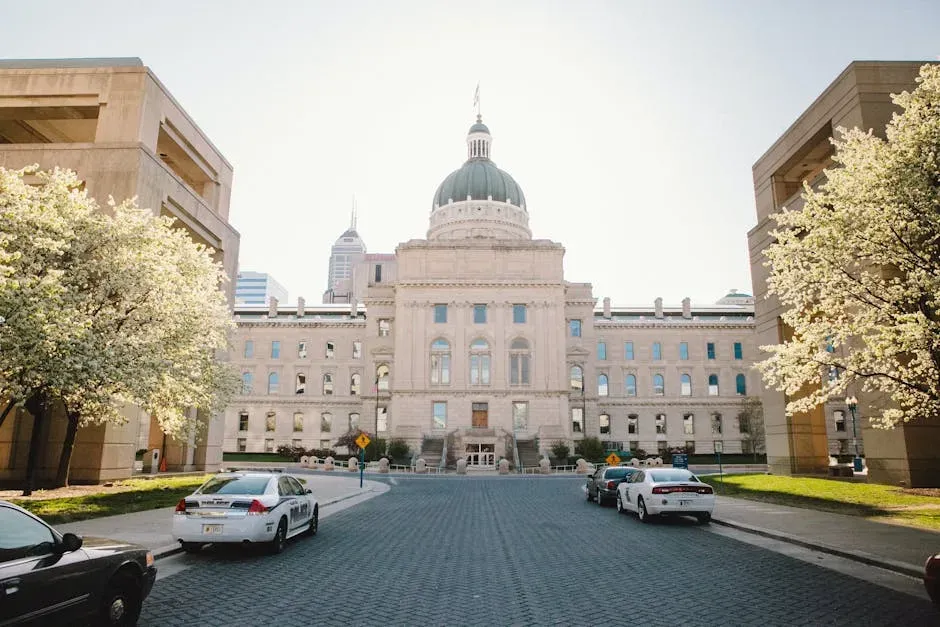
Hawkins from Stranger Things completes many fans’ top lists, and it is a fictional location that 34 percent of people would place in the central states of the US, despite the show’s writers and many of the location names originating from Durham, North Carolina. There is something about Hawkins that feels deeply familiar: the bike rides, the arcades, the small-town diner where everyone knows everyone. It’s a portrait of a very specific kind of American childhood from the 1980s, and it lands with force even for people who weren’t there.
Yes, the town sits above an inter-dimensional gate swarming with terrifying creatures. That’s a real drawback. The appeal of a place like Hawkins lies in its relatable setting, even as it dives into fantastical territory. Fans often debate the real reasons behind the town’s seemingly endless supply of supernatural events. Strip away the Upside Down, though, and what remains is a warm, close-knit community where kids are trusted to roam free, friendships run deep, and summer lasts forever in the best possible way.
Rivendell – From J.R.R. Tolkien’s The Lord of the Rings

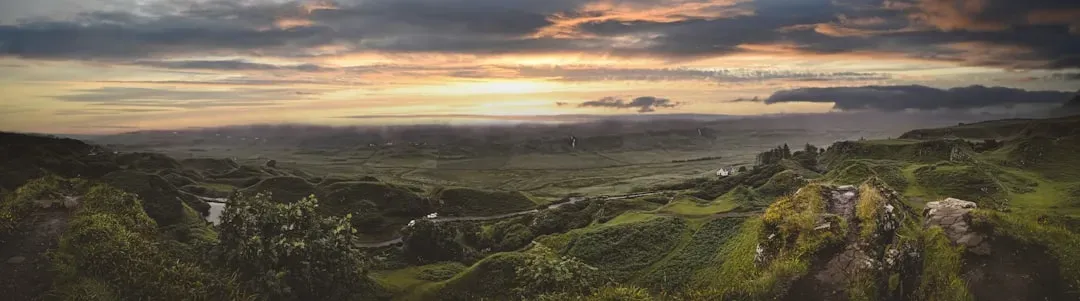
Rivendell is an absolutely enchanted city in Middle-earth and home to the Elves. Located in Eriador, the valley rests in the western part of the Misty Mountains. It’s also a symbol of safety in the Lord of the Rings and The Hobbit movies, serving as a fortress barring evil for Frodo’s and Bilbo’s epic adventures. There is a reason every weary traveler in Tolkien’s world aims for Rivendell. The place is designed to restore you.
The exquisite architecture of Rivendell is a variation of Art Nouveau that blends well with the natural context. The overall image is charming and visually soothing. It’s a town built not for industry or commerce, but for rest, wisdom, and beauty. Tolkien’s vision of Rivendell is a dream destination, and the closest people can get is the village of Lauterbrunnen in Switzerland, which is known to have a resemblance. It says something that the real-world stand-in is already one of the most beautiful places in Europe.
The towns on this list share something that goes deeper than good set design or skilled world-building. Each one captures something people quietly wish existed in everyday life: community, beauty, belonging, or simply a place where life moves at a pace that actually makes sense. That longing is probably why these fictional settings endure so long after the credits roll or the final page is turned.