History is full of stories that feel undeniably true. You heard them in school, watched them retold in movies, and repeated them at dinner tables without a second thought. We learn these “facts” in school, see them in movies, and repeat them at dinner parties. They become mental shortcuts, easy summaries of complex people and events. The truth, however, is often more complex, more nuanced, and frankly more interesting than the fiction we have been fed. The six myths below are some of the most stubbornly persistent in popular history, and every single one of them falls apart the moment you look at the actual evidence.
1. Napoleon Bonaparte Was Unusually Short
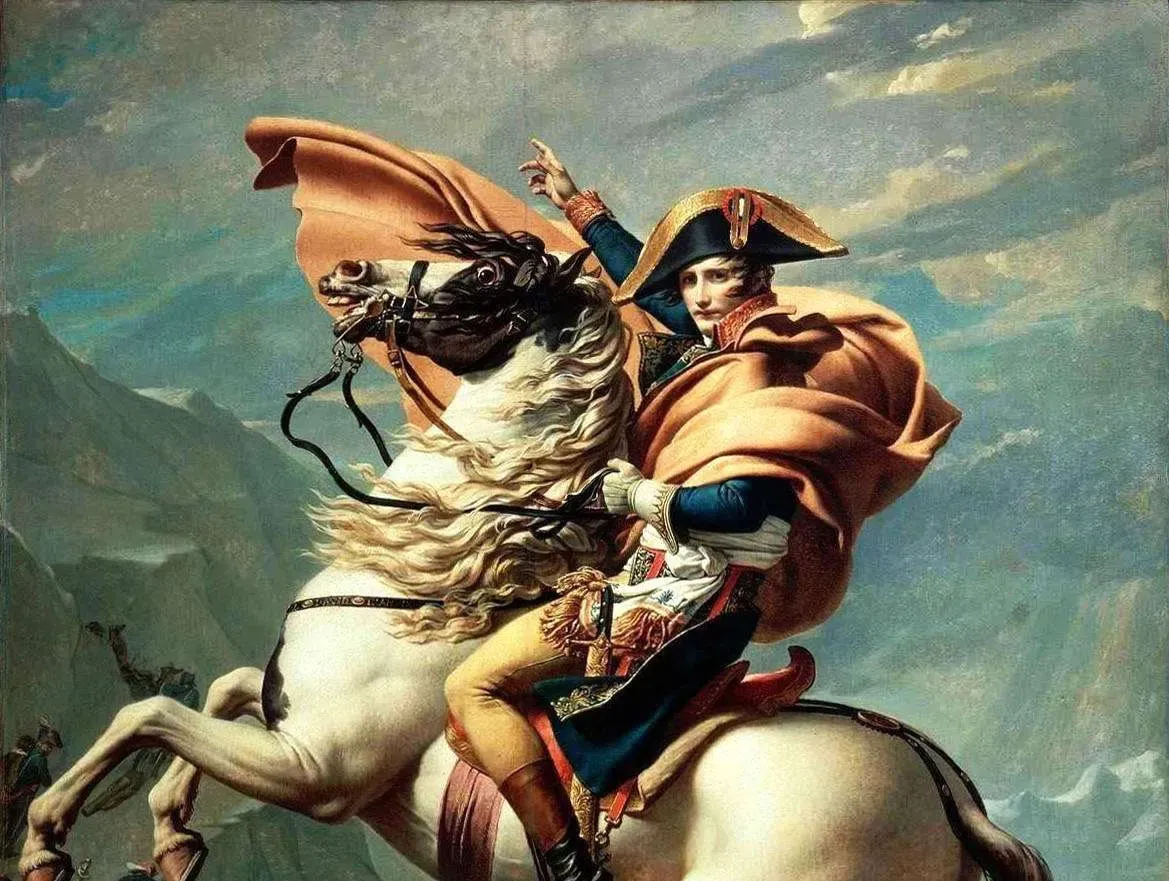
The “fact” that Napoleon Bonaparte, the fearsome French emperor and military genius, was comically short, a tiny tyrant driven by a “short man complex,” is one of the most successful smear campaigns in history. The confusion stems from a measurement problem that has gone largely unexplained for over two centuries. Napoleon’s physician Francesco Antommarchi listed his height as 5 feet 2 inches, but was using the French measurements, which at the time had an inch as 2.71 cm rather than the 2.54 cm used today. Using modern measurements, his height would be 5 feet 6 inches (1.68 m), which would have been average for a person living in the late 18th and early 19th centuries.
During the Napoleonic Wars, British cartoonists had a field day portraying their nemesis as a diminutive, childish figure named “Little Boney.” It was a brilliant way to demonize and belittle their most formidable foe. By making him seem physically unimpressive, they made him seem less of a threat. It was easier to rally a nation against a petulant figure than a brilliant general of average height. The myth was so effective that it has lasted for over 200 years. Napoleon was also surrounded by tall guards, making him look smaller in paintings and reports, which only added fuel to a fire the British cartoonists had already started.
2. Albert Einstein Failed Math as a Child
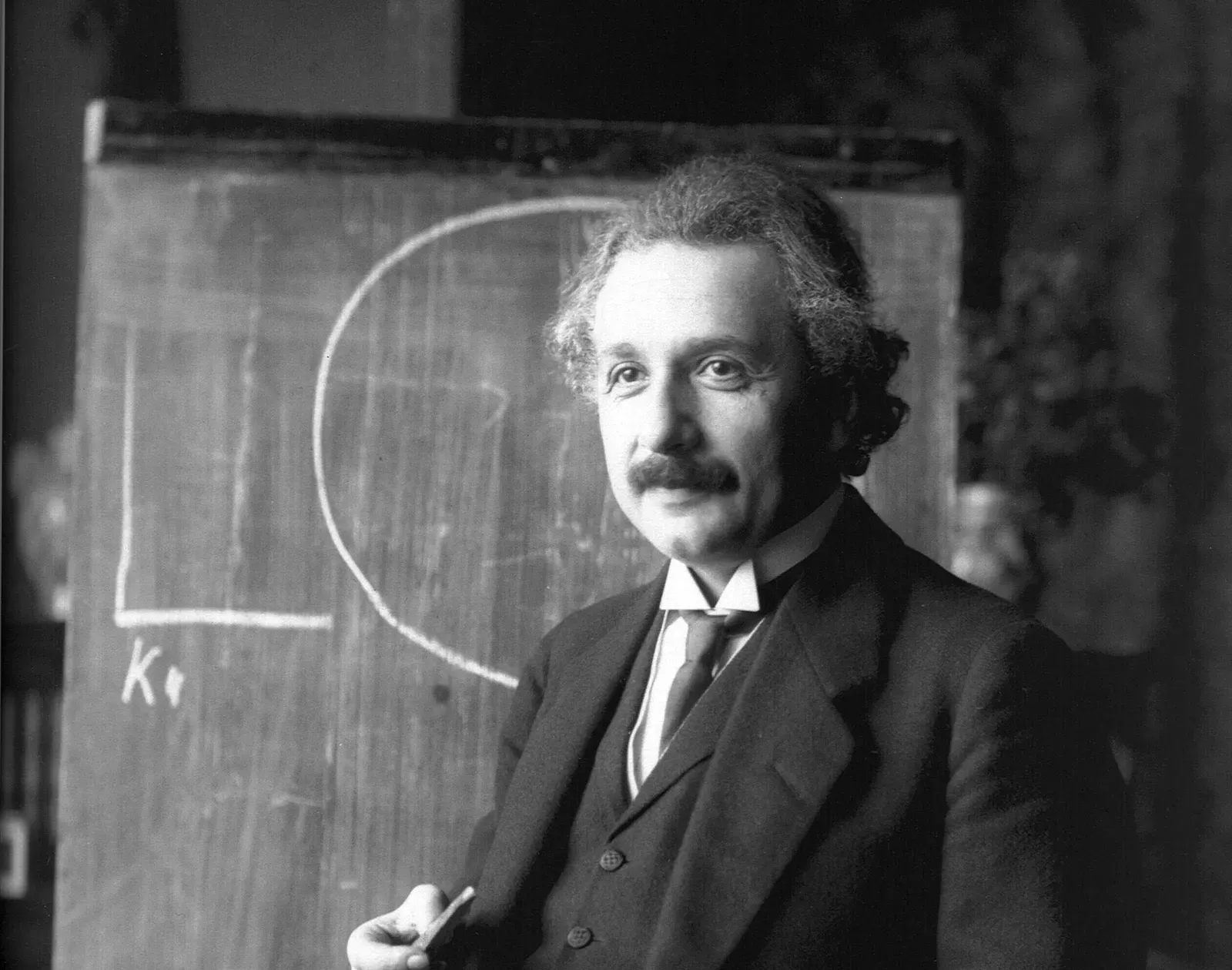
The claim that Einstein failed math as a child has provided solace to generations of underachieving schoolkids. There is a grain of truth here, as in 1895 Einstein took and failed an entrance exam to study electrical engineering in Zurich aged 16, but he always excelled at math and science and had taught himself geometry by the time he turned 12. The failure had nothing to do with mathematics at all. Due to the difference in curriculum between Germany and Switzerland, Einstein did not pass the botany, zoology, and language sections. His math and physics scores were so impressive that he scored exceedingly well in the mathematics and science sections and was then invited to attend lectures before being accepted on his second attempt.
Albert Einstein did not fail mathematics classes in school. Einstein himself remarked, “I never failed in mathematics…. Before I was fifteen I had mastered differential and integral calculus.” This myth began to circulate in newspapers as far back as the 1930s, so Einstein had the pleasure of personally dispelling it. “Before I was 15 I had mastered differential and integral calculus,” he quipped. The myth also has a structural origin: there was a brief period where his school changed its grading system, reversing the numbers. A “1” (the highest grade) became a “6” (the lowest), which at a glance could make it seem like he suddenly started failing.
3. Marie Antoinette Said “Let Them Eat Cake”
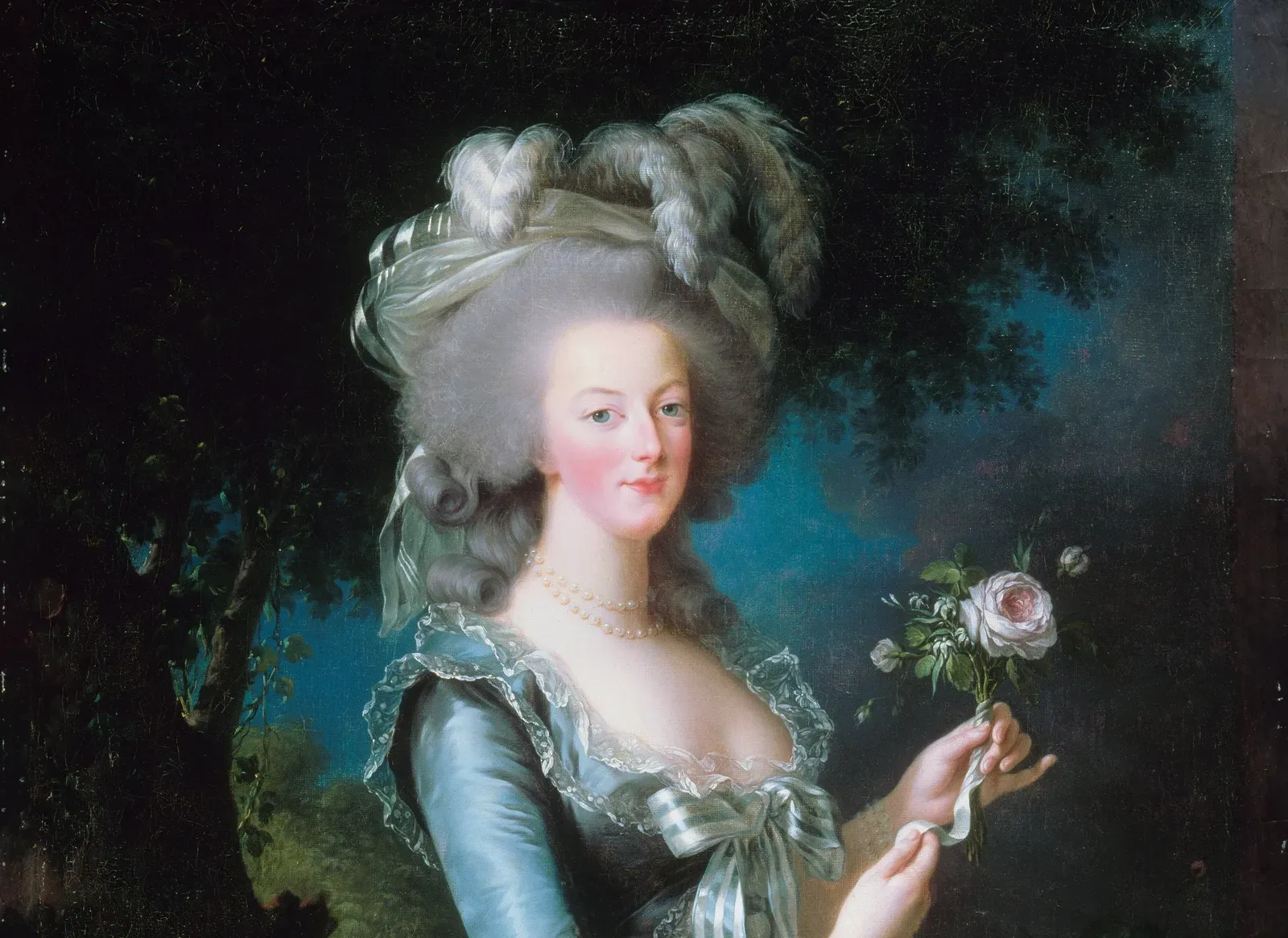
Few quotes in history feel as perfectly villainous. The image of an out-of-touch queen dismissing starving peasants with a breezy suggestion to eat cake has endured for centuries. The problem is she almost certainly never said it. Although the phrase is conventionally attributed to Marie Antoinette, there is no evidence that she ever uttered it, and it is now generally regarded as a journalistic cliché. The phrase can actually be traced back to Jean-Jacques Rousseau’s Confessions in 1765, 24 years prior to the French Revolution. When Rousseau wrote it, Antoinette was nine years old and had never been to France.
Amazingly, the earliest known source connecting the quote with the queen was published more than 50 years after the French Revolution. In an 1843 issue of the journal Les Guêpes, the French writer Jean-Baptiste Alphonse Karr reported having found the quote in a “book dated 1760,” which he said proved that the rumor about Marie-Antoinette was false. Lady Antonia Fraser, author of a biography of the French queen, believes the quote would have been highly uncharacteristic of Marie-Antoinette, an intelligent woman who donated generously to charitable causes and displayed sensitivity towards the poor population of France. Historians now largely agree the attribution was driven by revolutionary propaganda designed to destroy the monarchy’s public image.
4. Vikings Wore Helmets with Horns
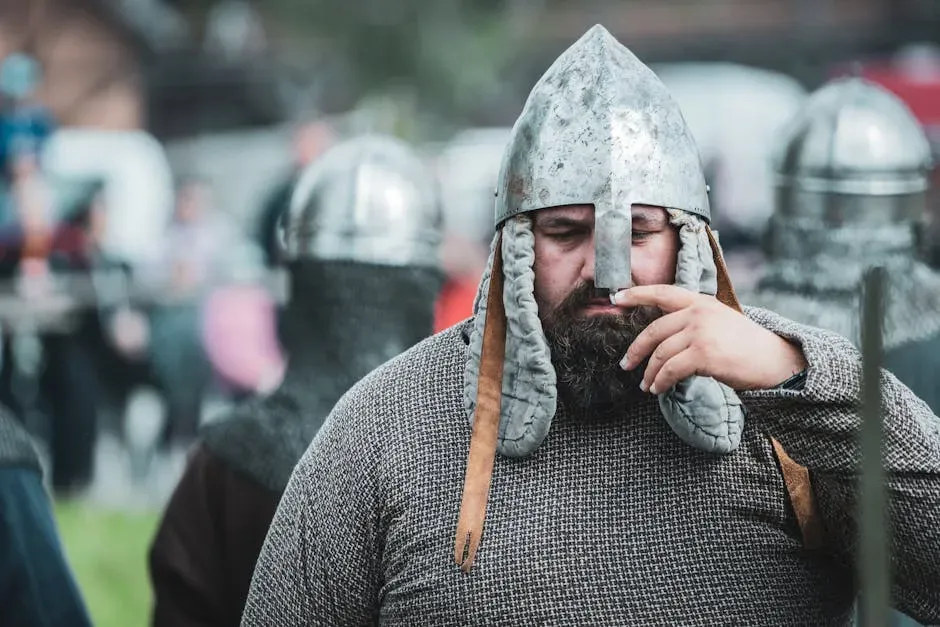
It is one of the most recognizable images in all of popular history: a fierce Viking warrior charging into battle, iron horns jutting from either side of his helmet. It is also completely fictional. Despite years of searching, archaeologists have yet to uncover a Viking-era helmet embellished with horns. In fact, only one complete helmet that can definitively be called “Viking” has ever turned up. The most famous and well-preserved Viking helmet ever discovered is the Gjermundbu helmet, found in a burial mound in Gjermundbu, Norway, in 1943. This 10th-century helmet is the only fully intact Viking helmet ever unearthed. It has no horns whatsoever.
When Wagner staged his “Der Ring des Nibelungen” opera cycle in the 1870s, costume designer Carl Emil Doepler created horned helmets for the Viking characters, and an enduring stereotype was born. Malmström, Doepler and others may have been inspired by 19th-century discoveries of ancient horned helmets that later turned out to predate the Vikings. New research confirms that the famed helmets discovered in Viksø, Denmark actually date to about 900 BCE, nearly 2,000 years before the Vikings. “For many years in popular culture, people associated the Viksø helmets with the Vikings,” says archaeologist Helle Vandkilde. “But actually, it’s nonsense. The horned theme is from the Bronze Age and is traceable back to the ancient Near East.” Beyond history, the design would have been disastrous in actual battle. Horns’ practicality in actual combat is dubious at best. Sure, they could help intimidate enemies, but they would have been even more likely to get entangled in a tree branch or embedded in a shield.
5. Columbus Proved the Earth Was Round
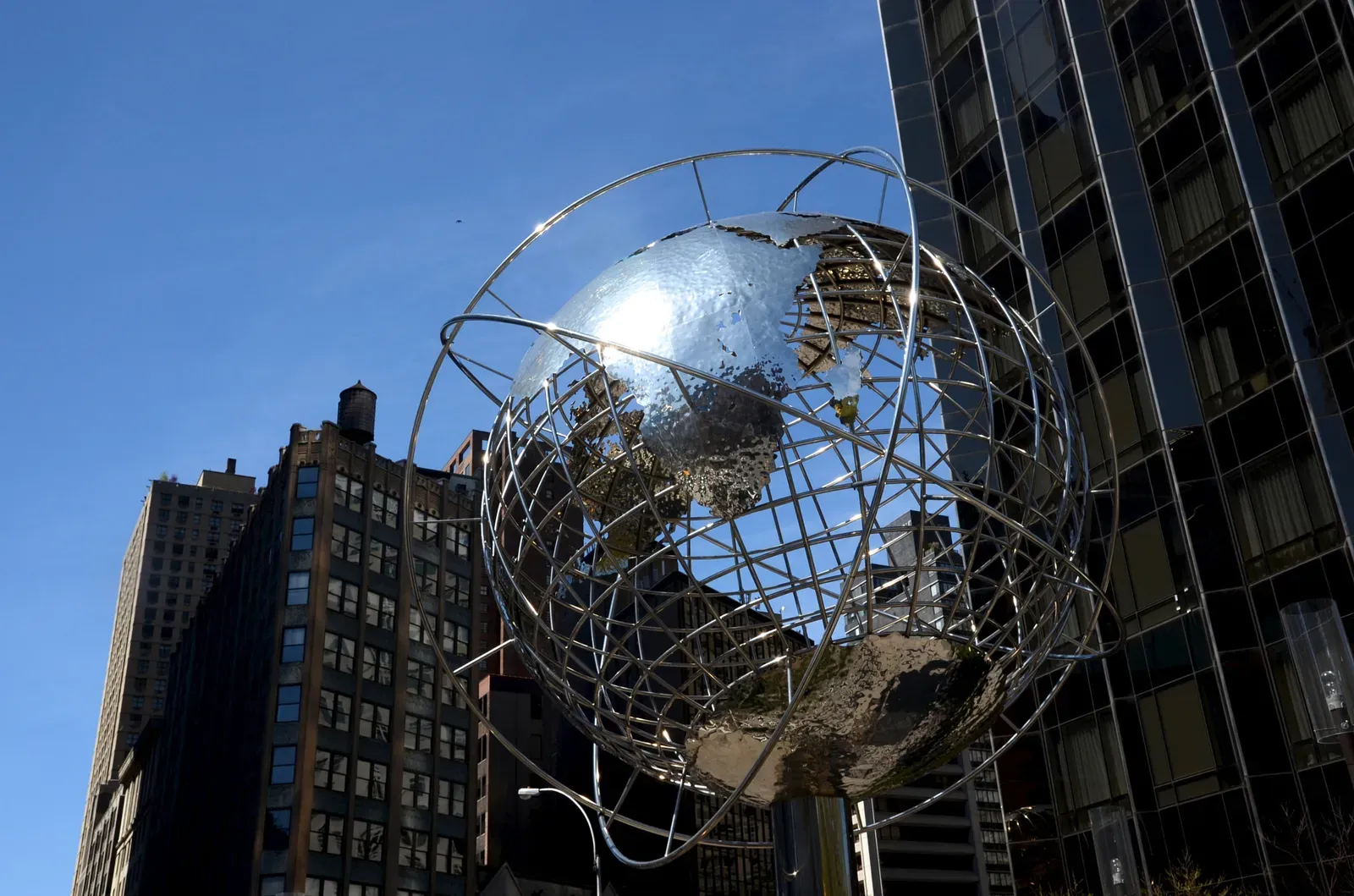
The story as most people know it goes like this: Christopher Columbus bravely set sail in 1492, determined to prove the Earth was round, while ignorant medieval scholars warned him he would fall off the edge. In reality, this myth is wrong on almost every level. Educated people in medieval Europe were already well aware the Earth was spherical. It is a historical myth that medieval Europeans generally thought the Earth was flat. This myth was created in the 17th century by Protestants to argue against Catholic teachings, and gained currency in the 19th century.
Christopher Columbus’ efforts to obtain support for his voyages were not hampered by belief in a flat Earth, but by worries that the East Indies were farther than Columbus presumed. In fact, Columbus grossly underestimated the Earth’s circumference because of two calculation errors. The myth that Columbus proved the Earth was round was propagated by authors like Washington Irving in A History of the Life and Voyages of Christopher Columbus. An early proponent of this myth was the American writer Washington Irving, who maintained that Christopher Columbus had to overcome the opposition of churchmen to gain sponsorship for his voyage of exploration. The real dispute was not about the shape of the planet, but about whether Columbus had correctly calculated how far away Asia actually was. He had not.
6. The Great Wall of China Is Visible from Space

This myth has been taught to children around the world as a mind-blowing trivia fact for generations. Misinformation about the barrier’s visibility dates back decades. A 1932 Ripley’s Believe It or Not! cartoon claimed that the wall is “the mightiest work of man, the only one that would be visible to the human eye from the moon.” The claim turns out to be physically impossible without optical aids. The Great Wall is long, yes, but it is also narrow and made of materials that blend into the landscape. The Wall may stretch for hundreds of kilometers but it is only 9 meters in width at its widest. It was made using rock that is very difficult to see from space because it is generally the same color as the surrounding landscape.
The myth was put to rest definitively by multiple astronauts who actually traveled to space. This was confirmed by China’s own first astronaut, Yang Liwei, who orbited Earth 14 times in October 2003 during the Chinese space agency’s Shenzhou 5 mission. “The Earth looked very beautiful from space, but I did not see our Great Wall,” he said. Despite myths to the contrary, the wall isn’t visible from the moon, and is difficult or impossible to see from Earth orbit without the high-powered lenses used for photographic equipment on the International Space Station. Plenty of other human-made structures can be seen from space, including, famously, the Pyramids of Giza, which were photographed during International Space Station Expedition 32. The Great Wall simply does not make that list.