America has always been a land of reinvention. But lately, reinvention isn’t coming fast enough for some of the country’s most recognizable names. The warning signs have been flashing for years – massive debt, declining foot traffic, outdated business models – and now, in 2026, those warning signs have turned into something much harder to ignore.
In the first half of 2025 alone, 371 large U.S. companies petitioned for bankruptcy protection, marking the busiest first half for corporate bankruptcies since 2010. That’s not a blip. That’s a pattern. So let’s dive in and look at five iconic American brands that are genuinely fighting for survival right now.
1. Red Lobster: Still Treading Water After a Stormy 2024
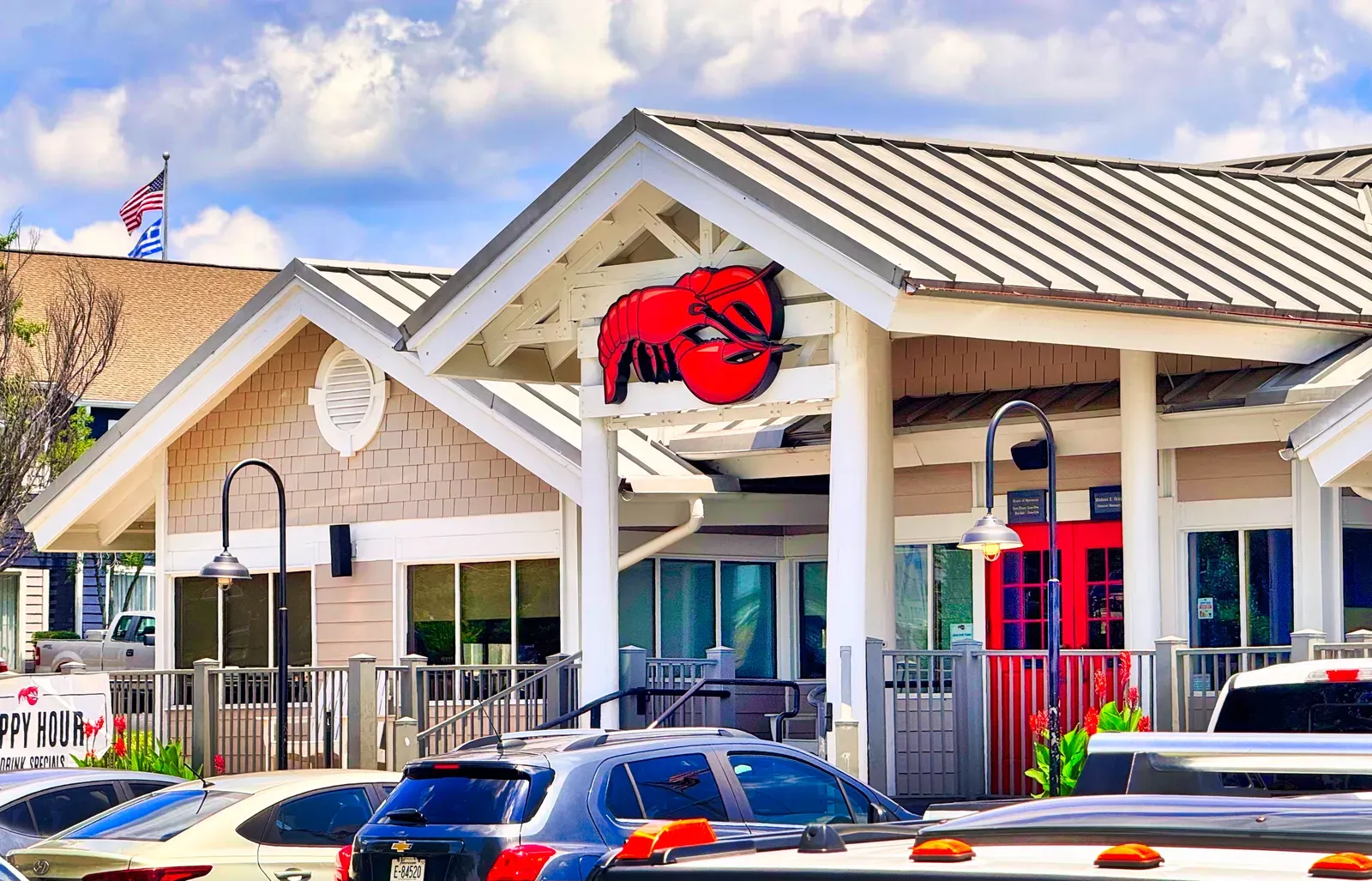
Red Lobster was once the go-to spot for a special seafood dinner. You know the kind – birthday dinners, anniversary nights, all those cheddar biscuits your family couldn’t stop eating. Today, the picture is far less appetizing.
The chain’s systemwide sales fell by 6.2% in 2025, to $1.56 billion, marking its third straight annual sales decline, according to Technomic estimates. That’s a brutal trend for a brand that emerged from Chapter 11 bankruptcy in 2024 with bold promises of a turnaround.
The infamous endless shrimp promotion contributed $11 million to a total net loss of $76 million in 2023. Priced at just $20, the offer drove high customer demand but placed enormous operational strain on the business. Honestly, it’s one of the more stunning self-inflicted wounds in modern restaurant history.
Red Lobster still has more than 500 locations nationwide, but many of them are troubled. A group of about 100 Red Lobsters are losing more money than the rest of the system is bringing in, Bloomberg reported, creating a serious drag on the entire operation. The total number of further closures could reach the dozens, the Wall Street Journal reported. The comeback, at this point, has yet to really materialize.
2. Walgreens: A Pharmacy Giant Running Out of Prescriptions
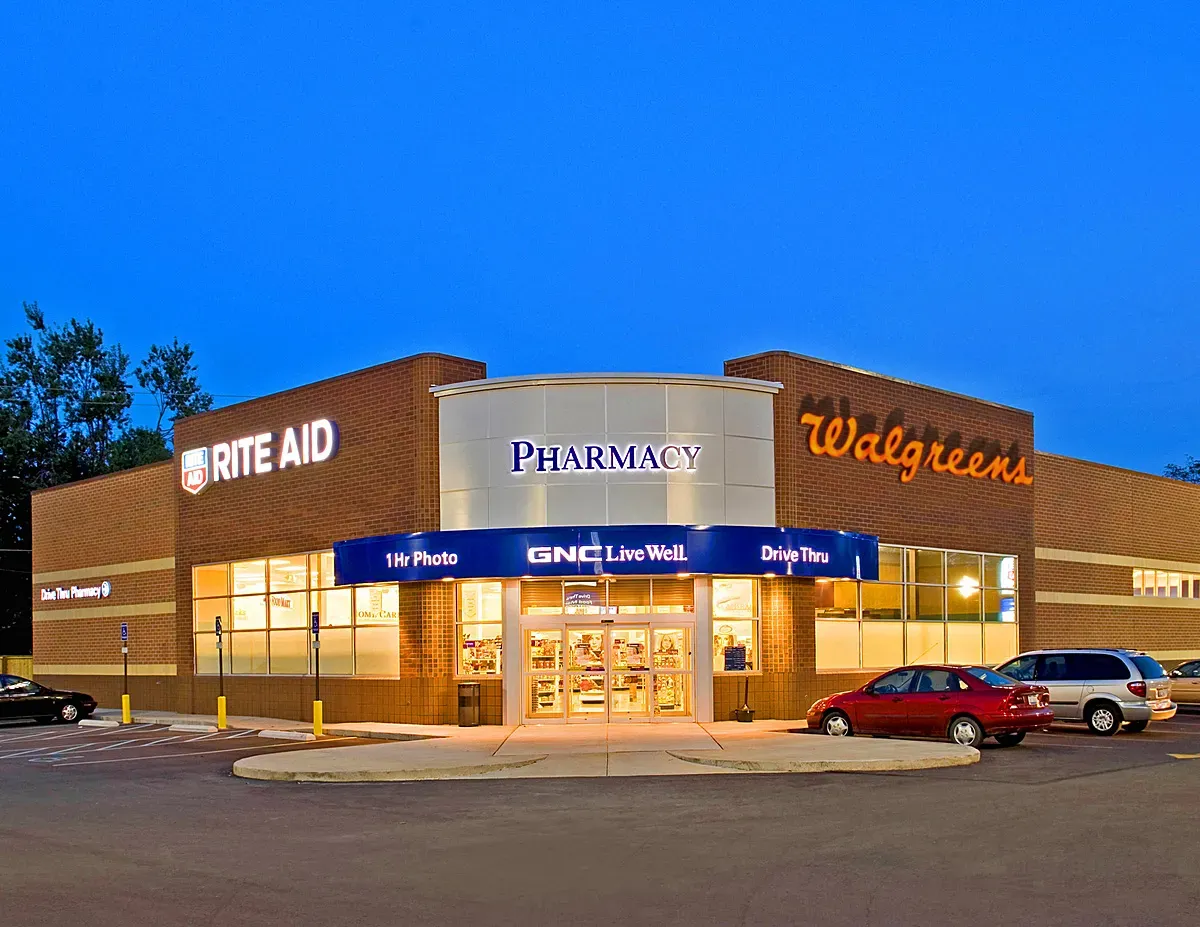
There’s something almost unsettling about watching a brand that used to feel permanent suddenly look fragile. Walgreens has been on practically every American street corner for decades. Yet here we are in 2026, and the future of that familiar green logo is anything but certain.
The company announced it would shutter 1,200 stores over a three-year period, including 500 closures in fiscal year 2025 alone, citing unprofitable locations and changing consumer behavior. Walgreens executives have acknowledged that roughly a quarter of the chain’s remaining stores are not profitable, underscoring the financial challenges facing the company.
For decades, companies like Walgreens relied on a high-volume, low-margin pharmacy counter to drive foot traffic for high-margin retail items. That strategy has been decimated by the rise of e-commerce and discount retailers like Walmart and Target.
Under Sycamore Partners, which completed a $10 billion acquisition of the company in August 2025, Walgreens is slashing hundreds of additional corporate roles and shuttering a major distribution hub as it battles systemic pressures that have already claimed several of its former peers. If Walgreens cannot prove that its physical presence offers a clinical value that Amazon cannot replicate, further liquidations of its standalone businesses remain a distinct possibility. That’s a chilling thought for a company that has served millions of Americans for over a century.
3. Tupperware: The Party Is Over
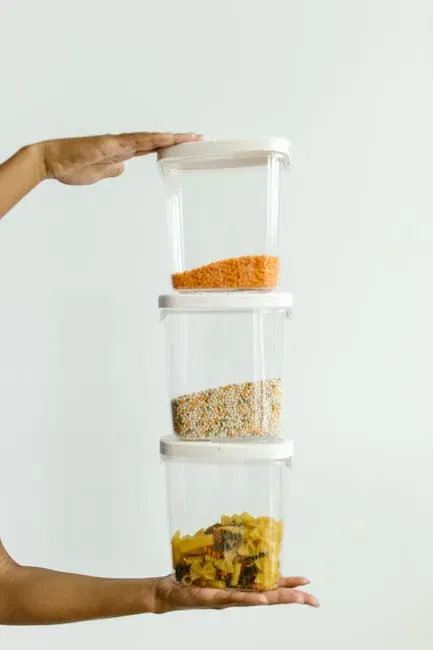
Tupperware is one of those brands so deeply embedded in American domestic life that it practically became a verb. You don’t store leftovers in a container, you put them in “Tupperware.” That’s the kind of cultural footprint most companies dream about. It didn’t save them.
Tupperware, known the world over for its plastic food storage containers, filed for bankruptcy after years of falling popularity and financial troubles. The company began warning of a potential bankruptcy in early 2023, and its debt had ballooned to more than $700 million.
Tupperware had historically sold to consumers only through direct sales, most commonly at “Tupperware parties,” and only began selling in Target in 2022. That’s right – a brand born in the 1940s waited until 2022 to enter mainstream retail. By then, it was already too late.
Partner offer
Tupperware Brands closed its only U.S. factory in South Carolina, laying off 148 workers. It replaced several of its leaders, including a new CEO. But any turnaround crumbled under the weight of debt payments, which Tupperware had missed despite extensions. Its value had collapsed from $93 per share at its peak in 2014 to less than 50 cents per share. Let that sink in for a moment. A near-total wipeout of value in less than a decade.
4. WeWork: The $47 Billion Dream That Imploded

Few corporate stories in recent American history are as dramatic as WeWork’s. It was the darling of Silicon Valley, a co-working giant that convinced investors it was somehow a technology company. Spoiler: it wasn’t.
WeWork suffered one of the most spectacular corporate collapses in recent U.S. history. Valued in 2019 at $47 billion in a round led by SoftBank, the company tried and failed to go public. WeWork debuted through a special purpose acquisition company in 2021 but had since lost about 98% of its value. Think about that. Ninety-eight percent gone.
WeWork ultimately filed for bankruptcy listing nearly $19 billion of debts. The New York-based company struck a restructuring agreement with creditors representing roughly 92% of its secured notes and moved to streamline its rental portfolio.
Judge John K. Sherwood confirmed the restructuring plan on May 30, 2024, and WeWork emerged from Chapter 11 on June 11, 2024 with a debt-free balance sheet. Today, the company has approximately 170 locations in the U.S. and Canada, and the bankruptcy negotiations saved the business from an estimated $12 billion in rent obligations. It’s a leaner, quieter WeWork now. Whether it can truly rebuild trust with corporate tenants over the next 18 months remains the real question nobody can fully answer yet.
5. Forever 21: Fast Fashion’s Most Expensive Lesson
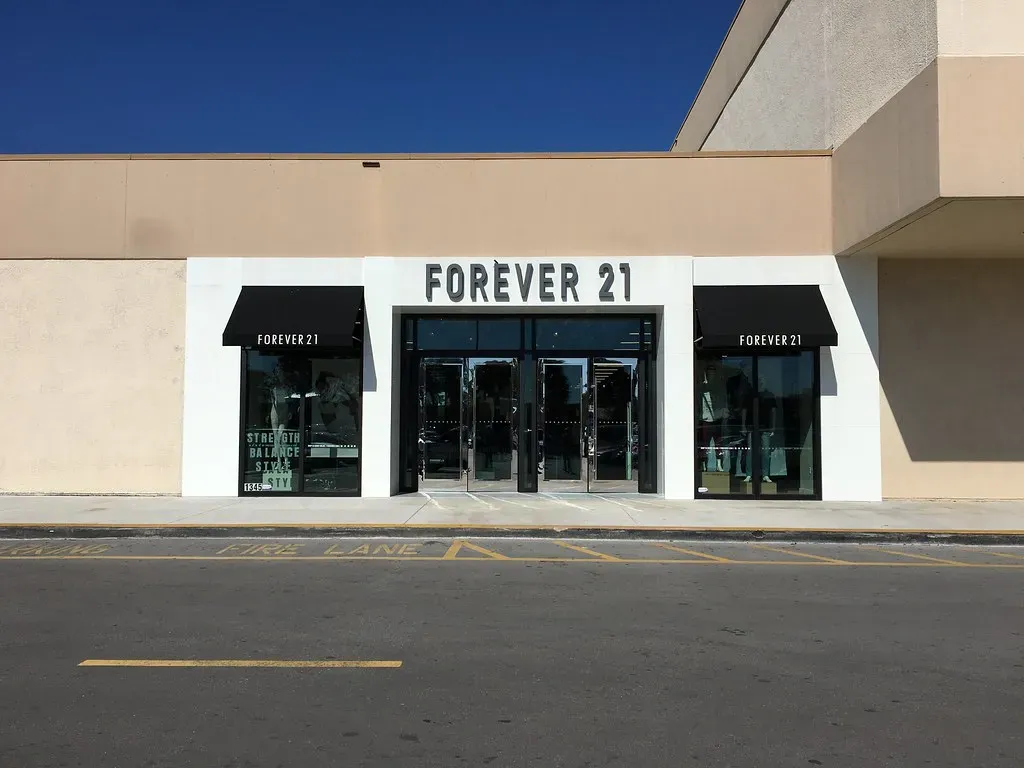
Forever 21 was once the heartbeat of the American shopping mall. Teenagers crowded its aisles on weekends, drawn in by low prices and trend-chasing style. It felt unstoppable. It wasn’t.
Forever 21’s March 2025 bankruptcy underscored how decisively the fast-fashion battlefield has shifted online. The brand was caught between rising operating costs and an inability to match the ultra-low pricing, speed, and digital reach of Chinese e-commerce rivals like Shein and Temu.
Forever 21 had accumulated debt of $1.58 billion by the time of its filing. Mall foot traffic continued to decline, and Forever 21’s historically large store sizes became liabilities rather than assets. Before shuttering U.S. operations, the brand operated roughly 500 stores across American malls, already a fraction of its global peak.
At the time of the filing, the brand was hopeful to find a buyer for its stores, but one did not emerge in time, and all American Forever 21 locations have been permanently closed. Authentic Brands Group owns the Forever 21 brand, so it is possible that another licensee could operate it in the U.S. in the future. Whether that second chance ever materializes is genuinely uncertain. Even companies with strong brand recognition are finding that alone can’t outweigh mounting debt. Forever 21 is the clearest proof of that painful truth.
What These Stories Tell Us About American Business Right Now

It’s tempting to look at each of these brands individually and chalk it up to mismanagement or bad luck. But zoom out and the pattern becomes impossible to ignore. Rising interest rates, shifting consumer habits, heightened competition, and the lingering effects of pandemic-era disruptions have collided to create a perfect storm. Retailers are struggling with an accelerated migration to e-commerce, while restaurants and hospitality brands are still wrestling with higher labor and food costs.
2025 was another challenging year for the retail industry, as tariffs added another crushing blow to an industry already dealing with sky-high inflation. Job cuts across U.S. firms hit a 22-year high, with retail being one of the hardest-hit industries.
Store closures are predicted to escalate to 15,000, with only 5,800 openings expected. That is not a market correction. That is a structural transformation happening in real time. The brands that will survive aren’t necessarily the biggest or the most beloved. They’re the ones that adapt fastest to a world where nostalgia alone doesn’t pay the bills.
The real question isn’t just whether these five brands survive. It’s whether the companies watching from the sidelines are paying close enough attention to avoid the same fate. What do you think – are any of these brands worth saving, or is this just the natural churn of a changing economy? Tell us in the comments.
Partner offer
Planning a trip to Vegas?
Compare hotel rates and show tickets on VEGAS.com.