Throughout history, certain individuals have possessed gifts so extraordinary that they reshaped entire musical landscapes before reaching adulthood. These rare talents composed symphonies, topped charts, and revolutionized genres while their peers were still mastering basic skills. Their early achievements weren’t just impressive for their age. They fundamentally altered how we think about music, performance, and the boundaries of human potential.
Wolfgang Amadeus Mozart: The Ultimate Child Prodigy
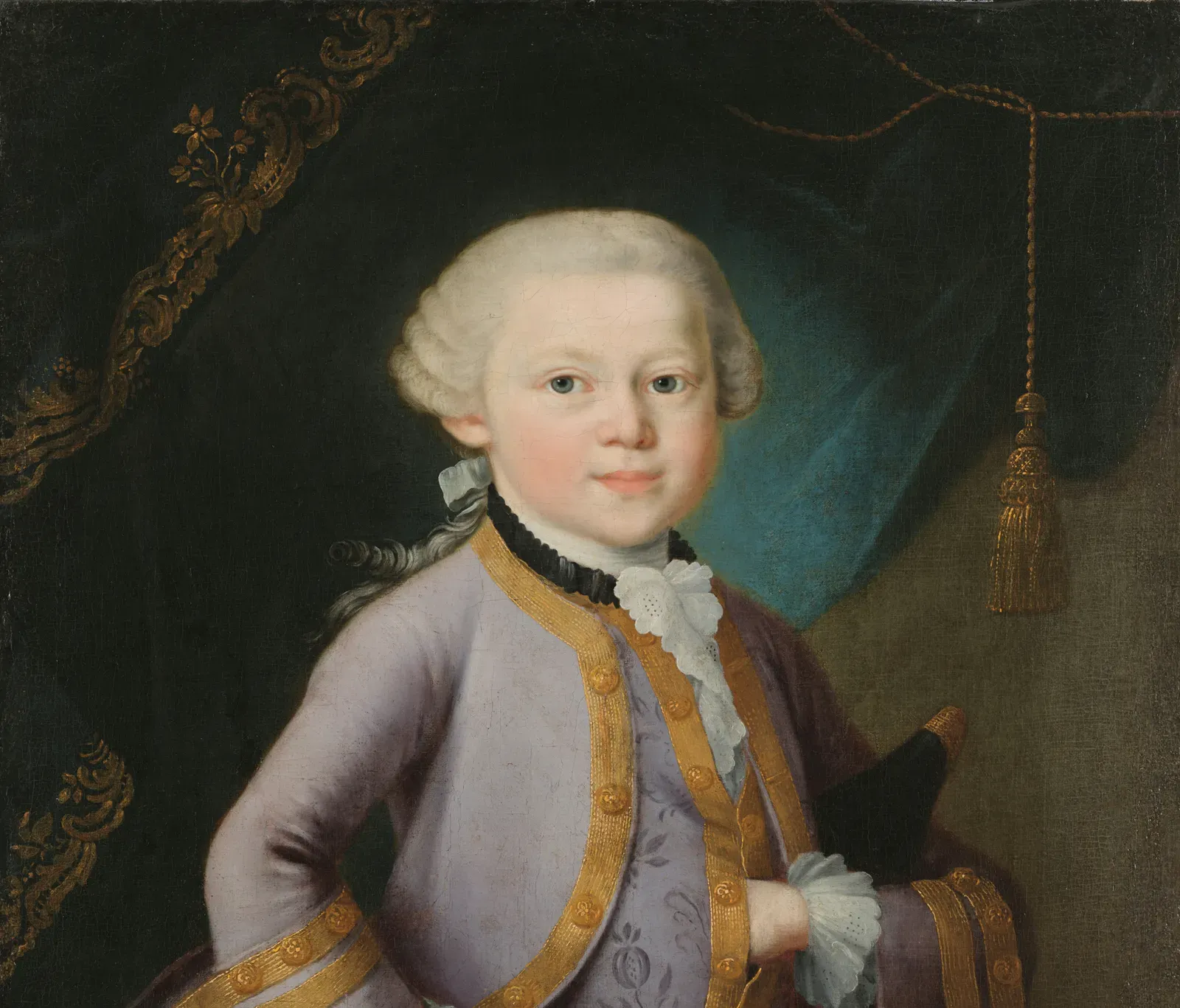
Mozart composed his first piece of music in 1761, at age five, launching what would become one of the most remarkable careers in musical history. At age five, he was already competent on keyboard and violin, had begun to compose, and had performed before European royalty. His father Leopold, recognizing his son’s extraordinary abilities, took him on extensive tours across Europe where the young musician dazzled aristocrats and fellow composers alike.
The young composer’s accomplishments before turning eighteen were staggering. He wrote a symphony by the time he was eight; his first opera at eleven. During this time he wrote his five violin concertos, the Sinfonia Concertante, various masses, and the opera Idomeneo. Music scholars note that his early compositions didn’t just impress – they set new standards for classical music, blending complexity with a pure, emotional clarity. His youthful works established foundational elements of classical composition that influenced generations of musicians who followed.
Felix Mendelssohn: Teenage Compositional Genius
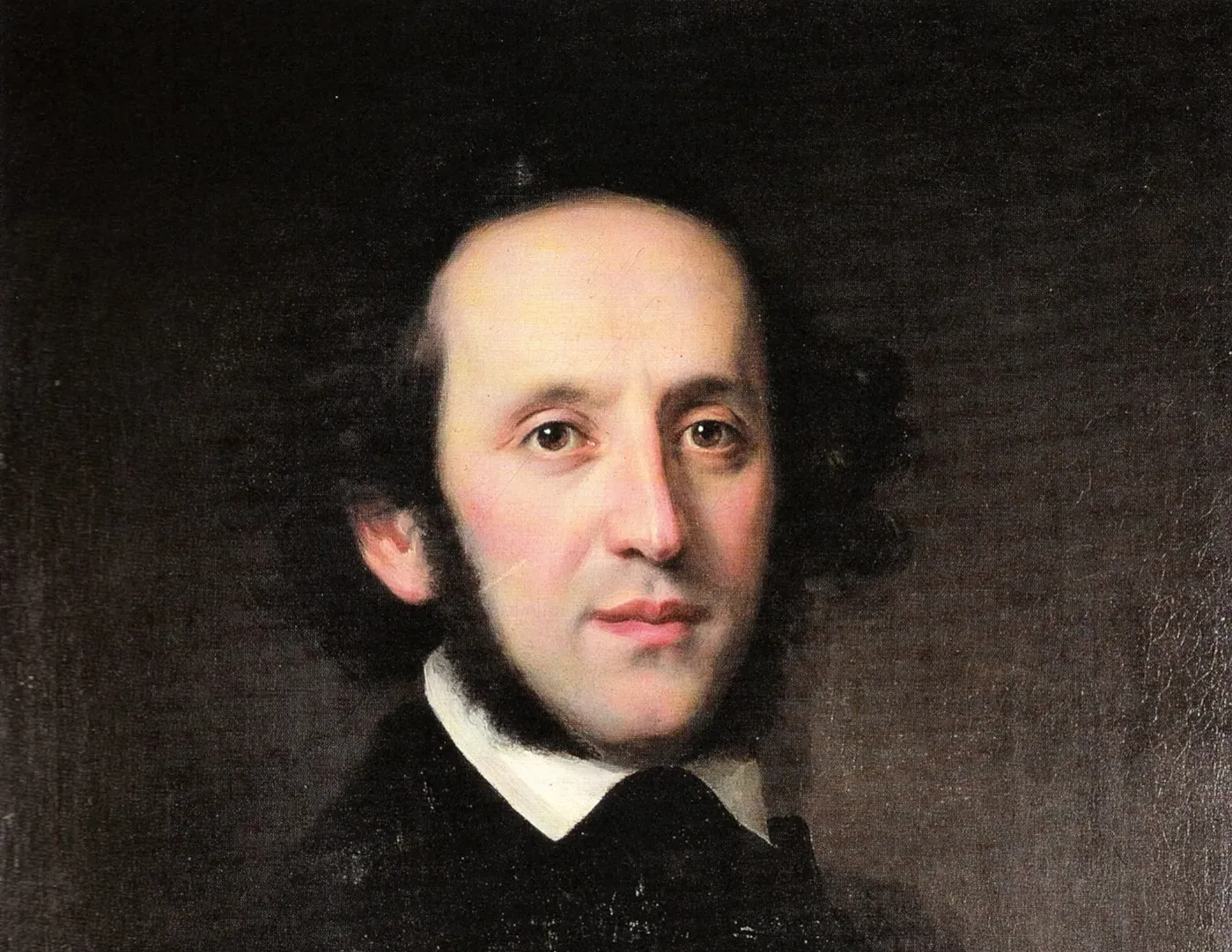
Charles Rosen called him “the greatest child prodigy the history of Western music has ever known”, whose command at age 16 surpassed that of Mozart or Chopin at 19. He made his public debut at the age of nine. Between the ages of 12 and 14, Mendelssohn wrote 12 string symphonies influenced by Bach, Beethoven and Mozart. His musical education was rigorous and comprehensive, supported by his wealthy family who provided access to Europe’s finest teachers and musicians.
His first published work, a piano quartet, was written by the time he was 13. At 15 he composed his first symphony. The following year, Mendelssohn completed his String Octet in E-flat major, the first work that demonstrated his true genius. Perhaps most impressively, his overture to “A Midsummer Night’s Dream” is a prime example of his extraordinary abilities. This piece was composed when he was only 17 years old. These teenage works remain central to the classical repertoire today, performed regularly in concert halls worldwide and admired for their technical mastery and emotional depth.
Stevie Wonder: Motown’s Teenage Pioneer

Blind since shortly after his birth, Wonder was a child prodigy who signed with Motown’s Tamla label at the age of 11, where he was given the professional name Little Stevie Wonder. As a teenager he established himself as one of Motown’s most successful acts, becoming known for his high-pitched singing and excited harmonica playing. His remarkable musical abilities were evident from early childhood, playing multiple instruments with extraordinary skill despite his visual impairment.
At just 13, his single “Fingertips” shot to No. 1 on the Billboard Hot 100, making him the youngest artist ever to top the charts. It was not only the first ever live recording to hit number one, but also the first ever single to simultaneously top the Billboard Hot 100 and the R&B charts at once. This groundbreaking achievement proved that youth was no barrier to creating music that resonated across demographics. His success as a teenager laid the groundwork for his later career, where he would pioneer the use of synthesizers and help drive music into the album era with socially conscious statements and complex compositions.
Frédéric Chopin: Piano Poetry in Childhood
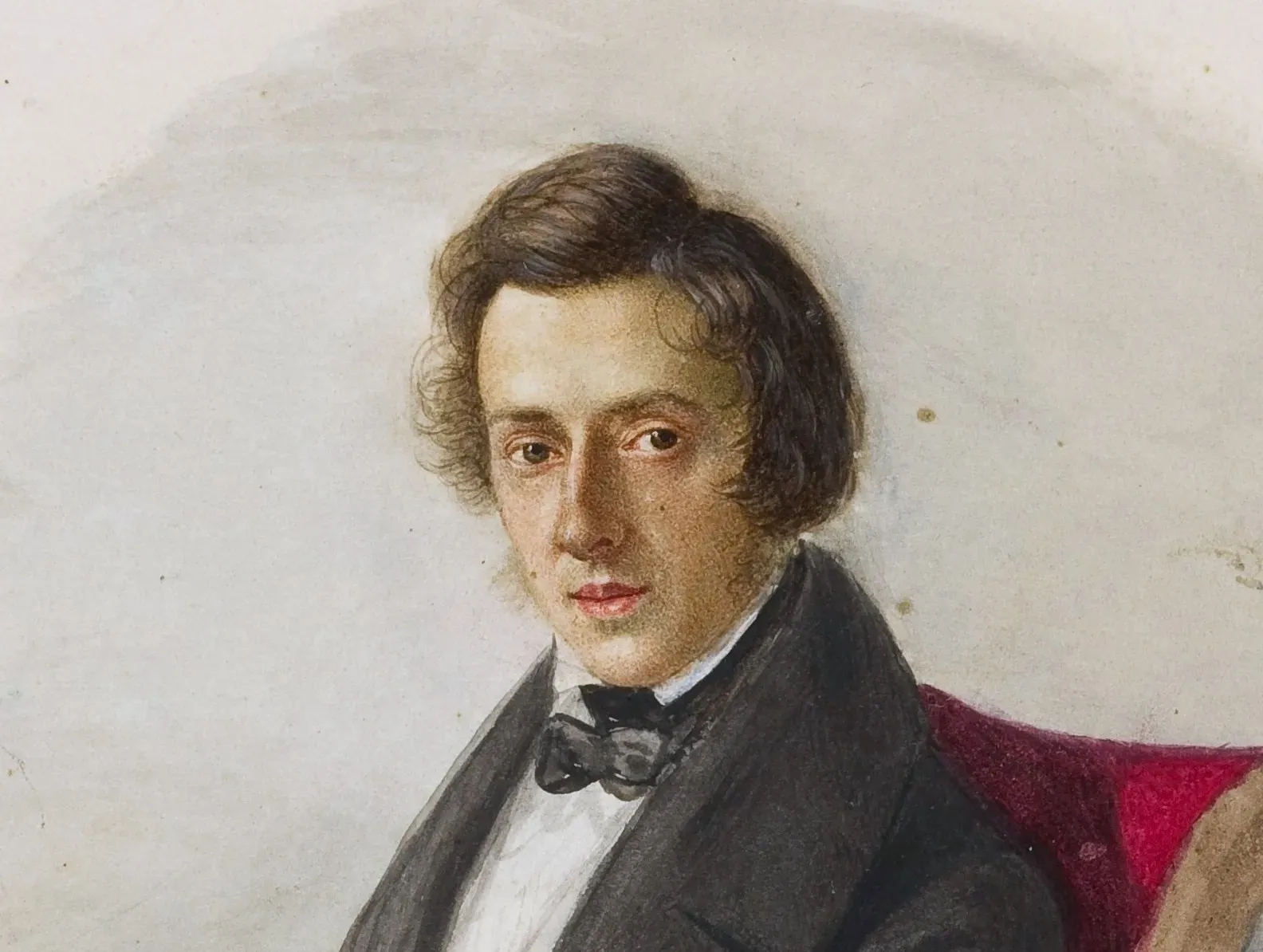
Chopin’s first compositions, created at age 7, were two of the Polonaises (G minor and B-flat major). These pieces, along with five more Polonaises composed before he turned twenty, were published by Frederic’s father Nicholas Chopin after the death of the composer. Growing up in Poland, young Chopin displayed exceptional talent that quickly attracted attention from Warsaw’s musical elite. Chopin began performing publicly at age seven, quickly becoming known for his technical skill and emotional depth.
While both pieces are not longer than two minutes each, they are the products of talent due to attention to form and harmony. Chopin’s composition style is easily recognized by pianists around the world, rife with tense chromaticism and poetic inspiration. Throughout his teenage years, he toured Poland and developed the distinctive style that would define Romantic piano music. His compositions, especially nocturnes, mazurkas, and polonaises, redefined classical piano music. Chopin’s life exemplifies how early discipline, mentorship, and immersion in music can leave a centuries-long legacy.
Clara Wieck Schumann: Breaking Barriers Through Performance
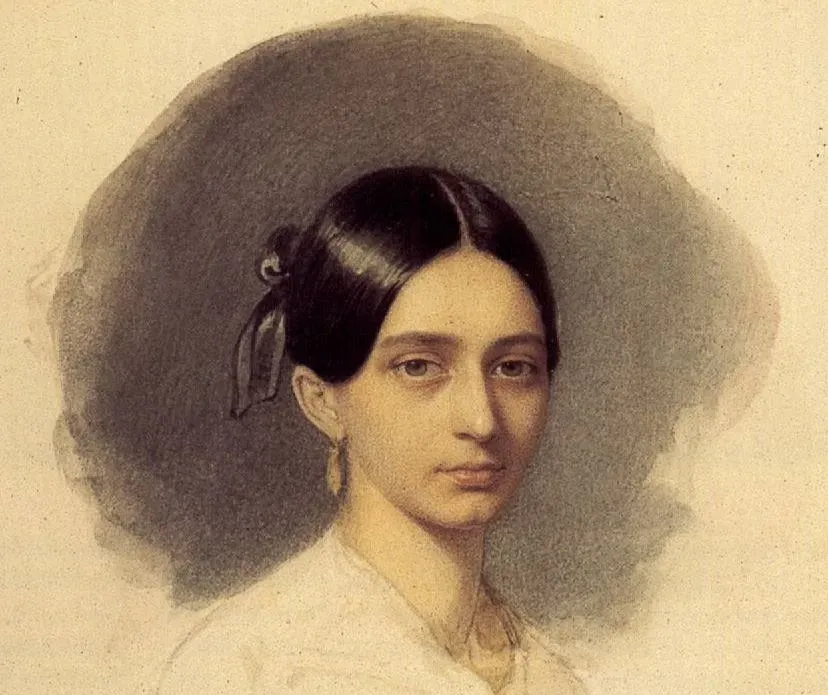
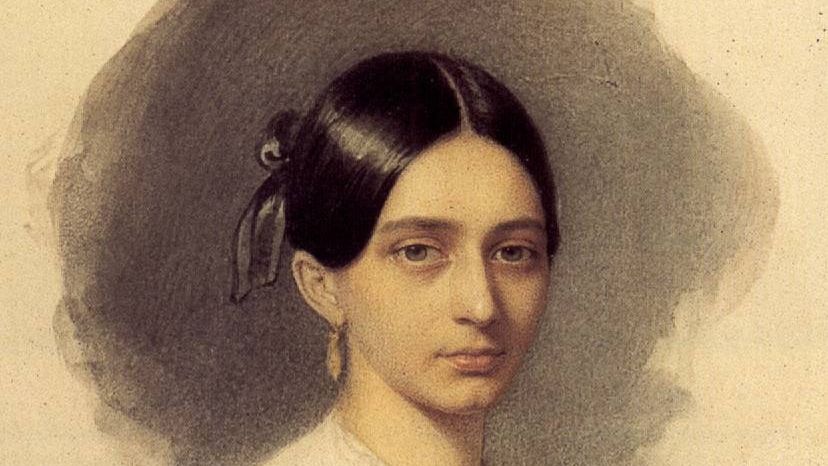
In a time when gender roles limited women’s opportunities, Clara Wieck Schumann emerged as a remarkable pianist and composer. Gifted with a rare musical intuition, Clara began performing public concerts at the age of nine and composed her first piano concerto at 14. Her father, Friedrich Wieck, was a demanding teacher who recognized his daughter’s exceptional abilities and trained her rigorously from early childhood. By 13, she was performing with the Leipzig Gewandhaus Orchestra, a feat reserved for the very best.
Clara wasn’t just a pianist; she was a composer, a rarity for women at that time, and her teenage works influenced the direction of Romantic music. Balancing a concert career with family life, she set new standards for what women could achieve in the arts. Her performances captivated audiences throughout Germany and beyond, and she became a powerful role model for future generations of female musicians. Even in her early years, Clara’s compositions displayed a deep understanding of harmony and structure, traits that many adult composers struggled to master. Her courage in pursuing a professional career during an era hostile to women in music opened doors for countless female artists who followed.
Billie Eilish: Twenty-First Century Phenomenon

In 2019, she was titled Billboard’s “Woman of the Year” at 17 years of age, making her the youngest recipient in history. Also in 2019, she debuted as the youngest member on the Forbes 30 under 30, as well as the youngest member of the Forbes 100 Highest-Paid Celebrities, earning an estimated $53 million in that year alone. Recording music in her childhood bedroom with her brother Finneas, Eilish developed a unique sound that blended whispered vocals, electronic production, and deeply personal lyrics that resonated with millions of young listeners worldwide.
She is the second artist and only female in Grammy history to win all four general field categories – Record of the Year, Album of the Year, Song of the Year, and Best New Artist – in a singular ceremony, also becoming the youngest ever winner of both Album of the Year and Record of the Year. She is the second person ever, and the first and only female artist, to win the four main Grammy categories in the same night. That night she also became the youngest ever winner of Album of the Year, Record of the Year, and Best Pop Vocal Album at 18 years old. Eilish became the youngest person ever to win two Academy Awards in any category, cementing her status as a defining voice for Generation Z and proving that revolutionary music can emerge from the most unexpected places.