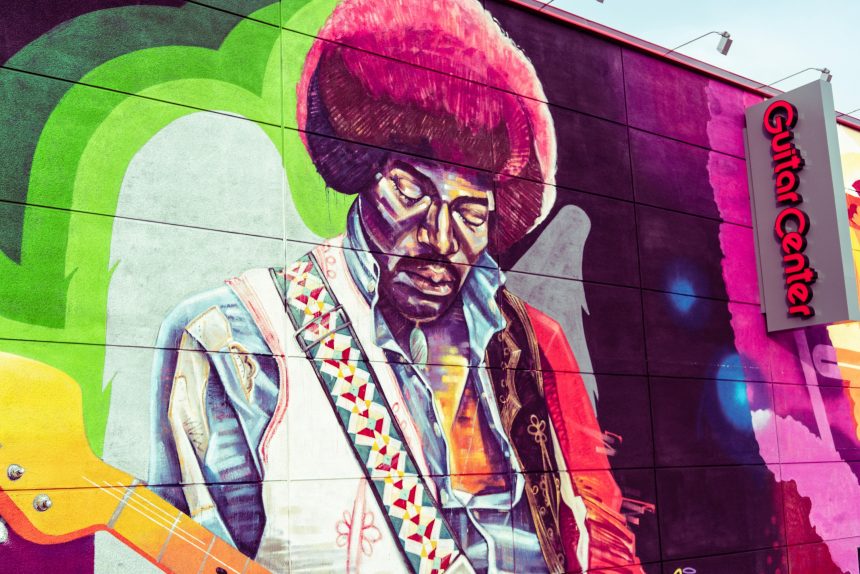
Sheet music has a way of feeling like a locked door for anyone who never studied it formally, yet some of the most influential names in modern music never bothered turning the key. They built entire careers on instinct, memory, and an ear sharp enough to make formal training feel almost beside the point. This isn’t a story about shortcuts. It’s about a different kind of fluency, one that never needed a page of notation to say something worth hearing.
Jimi Hendrix

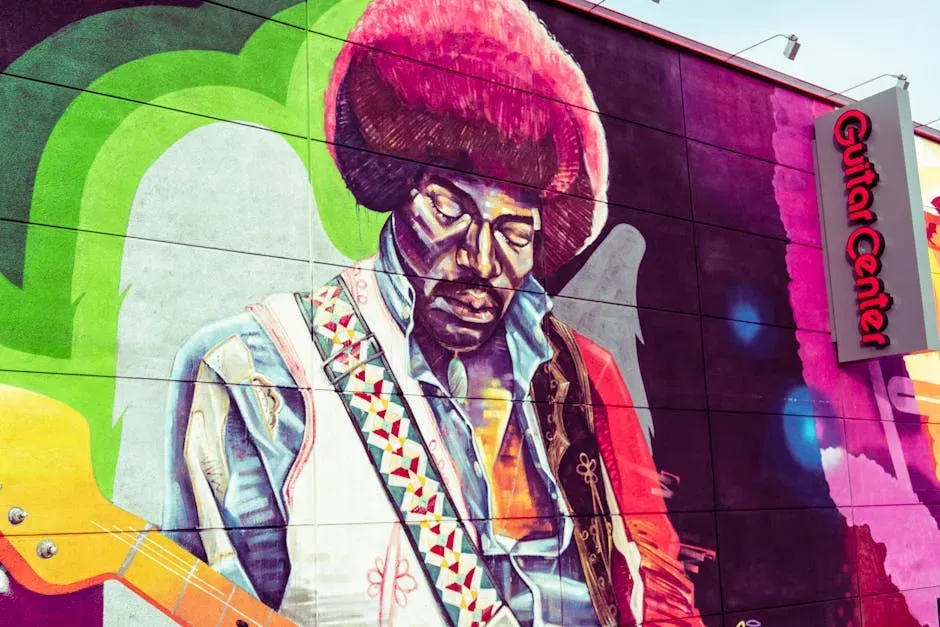
When asked in 1969 whether or not he was able , Hendrix said, “No, not at all.” That admission from one of rock’s most technically dazzling guitarists still surprises people decades later. Hendrix relied solely on his ear and innate musical intuition, and without formal training or the ability , he revolutionized guitar playing with his innovative use of feedback, distortion, and extended solos.
His path into music started humbly. One of his first instruments was a one-stringed ukulele found in the garbage of an older woman’s home, and he followed the songs of Elvis Presley, learning music by ear. Later in life he reportedly wanted more formal grounding, and by some accounts at the time of his death, he had been sponging up music theory from Miles Davis, incorporating it into his songs, and trying to learn about arranging, suggesting he saw notation as a tool he might eventually have picked up, not something he dismissed outright.
Elvis Presley

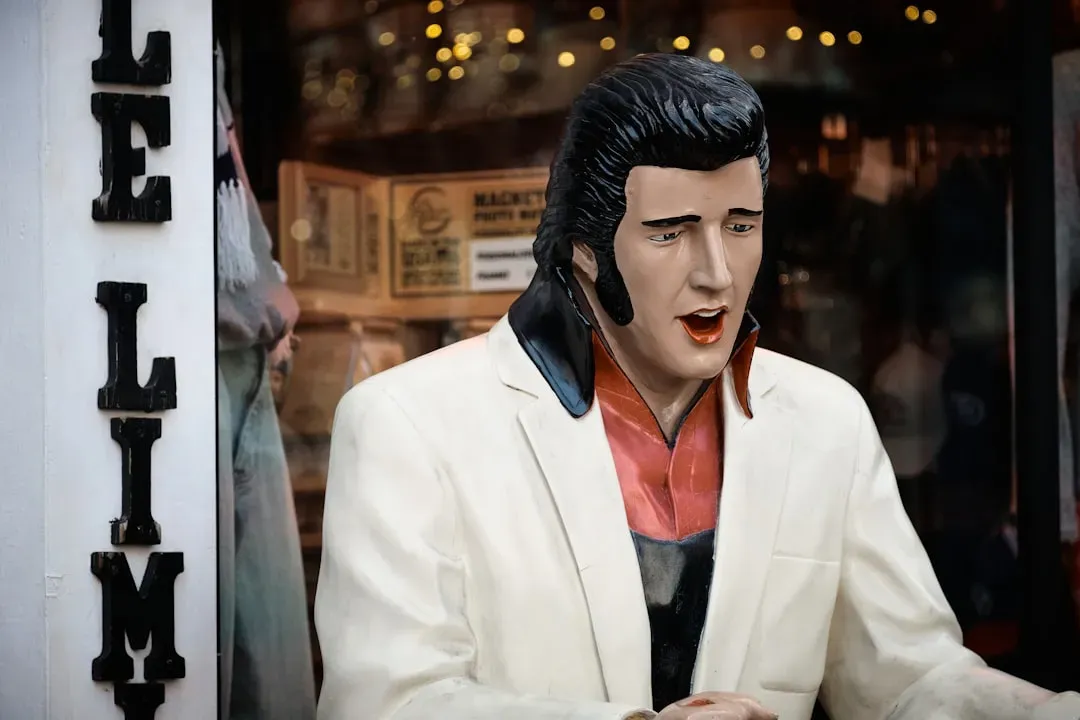
The King of Rock and Roll never sat through a music theory class, and it clearly didn’t slow him down. Elvis reportedly learned everything by ear, and his peers said he could pick up an instrument and intuitively play it, playing back a song after just one listen, since he never had any formal musical training and simply had a natural musical inclination.
His method of absorbing music extended even to his own influences. He was enthralled with rock and roll when he first heard Eric Clapton, and learned guitar by playing Clapton’s music note by note, not unlike Clapton’s own method of listening to blues. Elvis leaned on collaborators for the technical side of arranging, but his voice and instinct for rhythm carried songs no notation could have written for him.
Michael Jackson
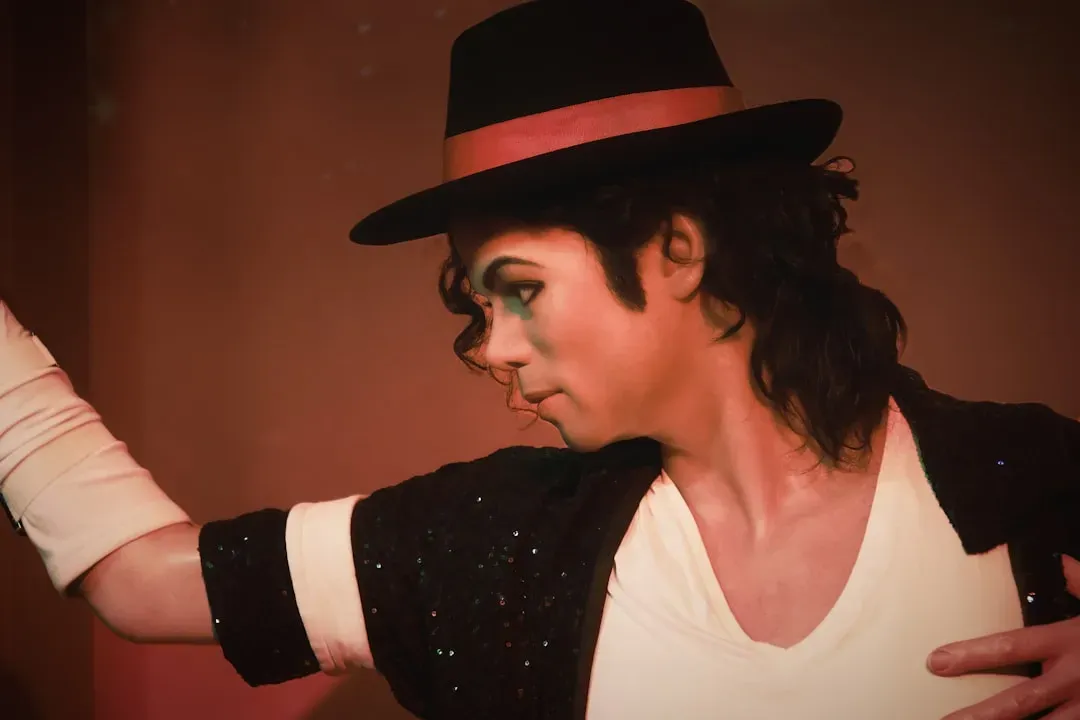
Few performers in history have matched Michael Jackson’s stage presence, and that talent developed almost entirely without written music. From his days in the Jackson 5 to his solo career, he never shied away from the stage, but despite his clearly musical talents, he never learned music theory and also never learned how to play any instruments above an introductory level.
What he lacked in formal training he made up for with an almost photographic memory for melody and rhythm. Jackson composed many of his greatest hits without reading or writing music in the conventional sense, and while he didn’t play instruments fluently either, his musical ideas were vivid and complete in his mind. He would often hum, sing, or beatbox entire arrangements to producers and session musicians, letting others translate his vision into notation when needed.
Eddie Van Halen

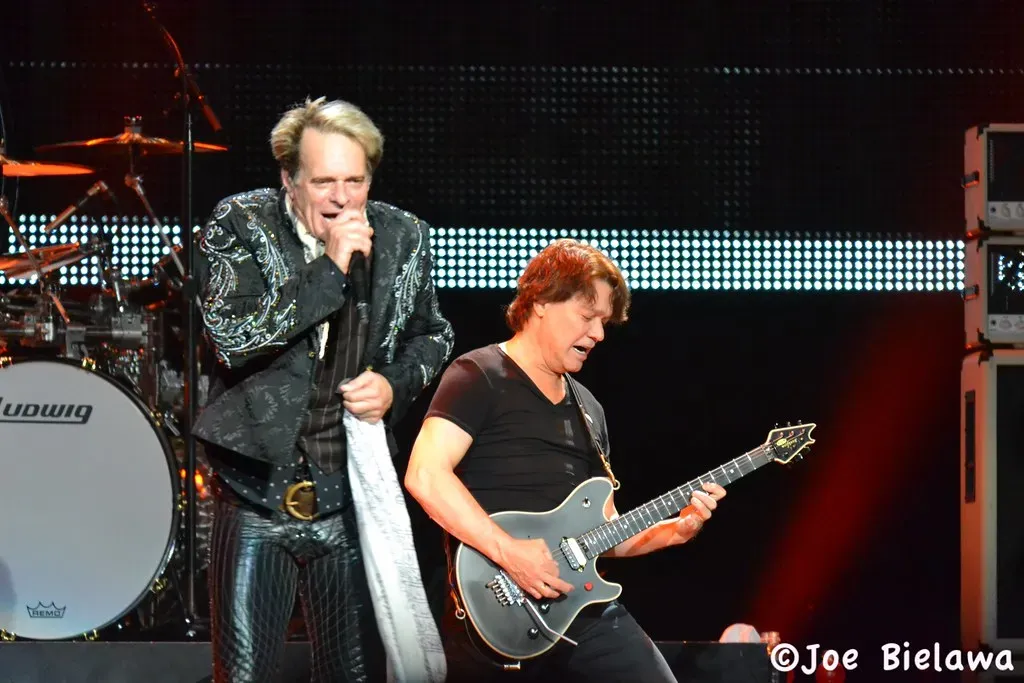
Van Halen grew up surrounded by music, which makes his lack of formal notation training somewhat unexpected. Born Edward Lodewijk in the Netherlands, Eddie Van Halen became one of the most popular and talented guitarists around, and music was an important part of the Van Halen household, with his father playing clarinet, saxophone, and piano.
Even with that early exposure, sheet music never became part of his toolkit. Eddie learned to play piano alongside his brother, but though he grew up with music all around him, he never learned to read it, learning instead by watching and listening. When later asked whether his piano training carried over to guitar, he replied that it had, “but in a very subliminal way.”
Dave Brubeck

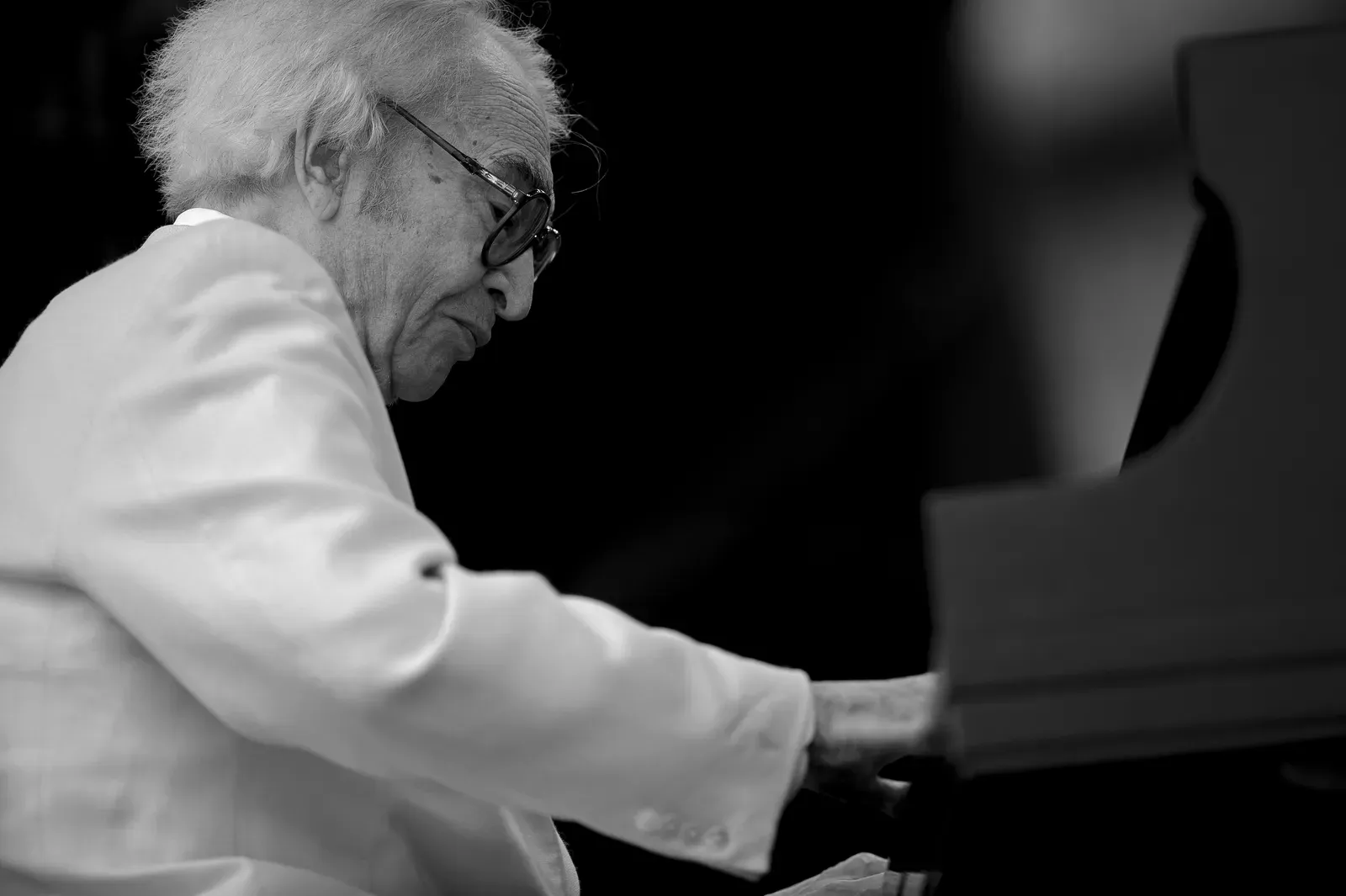
Brubeck’s story stands out because he built a career in jazz, a genre often associated with rigorous musical education, without ever mastering notation. The only jazz musician frequently mentioned on lists like this, Dave Brubeck is among the greatest pianists of all time, but he couldn’t read a bit of music notation. He managed to hide this for years while studying music formally in college.
Partner offer

His workaround eventually caught up with him. He was a music student in college, and to hide his inability, he didn’t take piano courses until his senior year, getting by on cello and clarinet by ear but finding that method impossible on piano. He was almost expelled from college when one of his professors discovered his secret, though the college let him graduate with the stipulation that he promise never to teach piano. He went on to compose “Take Five,” a jazz standard built on an unusual time signature that most listeners assume required years of theory training to construct. Each of these musicians found their own way around a skill considered essential for so long, proving that a sharp ear and relentless practice can substitute for formal training in ways that still shape popular music today. Their careers offer a quiet reminder that musical literacy comes in more than one form, and that the page is not the only place where great music gets written.
Partner offer
Planning a trip to Vegas?
Compare hotel rates and show tickets on VEGAS.com.