The 1980s get reduced to big hair and power ballads more often than they deserve. Sure, MTV was king and glam metal ruled the airwaves, but underneath all that hairspray, a completely different world of music was quietly building the foundations of what rock would become. Throughout the decade, alternative rock was mainly an underground phenomenon, primarily relegated to independent record labels, fanzines, and college radio stations. The bands that genuinely moved things forward were not always the ones grabbing the spotlight. These five acts earned little mainstream recognition during their time but left fingerprints all over the rock music that followed.
1. Talk Talk – The Accidental Godfathers of Post-Rock

Talk Talk were not always the godfathers of post-rock. The band that would eventually inspire Sigur Rós and Radiohead started out making the kind of synth-pop hits that defined early MTV and peak-era Top of the Pops, with “It’s My Life” and “Such a Shame” being as infectious as anything Duran Duran or Tears for Fears were putting out in 1984. Nobody could have predicted what came next. Working with producer Tim Friese-Greene, the band began systematically dismantling their pop scaffolding, and by 1988’s “Spirit of Eden,” they went full scorched earth on commercial structure, recording in near-darkness and bringing in jazz musicians for hours of improvisation.
The results were a radical departure from Talk Talk’s earlier synth-pop recordings and would later be credited with pioneering the post-rock genre, though compared to the success of 1986’s “The Colour of Spring,” the album was a commercial disappointment. Despite its mixed reception, the album’s stature grew more favourable in subsequent years, with contemporary critics describing it as an underrated masterpiece. The ambient passages that would later define Godspeed You! Black Emperor, the dynamic restraint that Mogwai would perfect, the spiritual minimalism that Low would explore – it all starts here. The album’s renewed cultural relevance was confirmed in early 2026 when a half-speed reissue was released in February 2026, overseen by original Talk Talk drummer Lee Harris, Mark Hollis’s son Charlie, and producer Matt Colton.
2. Hüsker Dü – The Bridge That Built Alternative Rock

Minneapolis titans Hüsker Dü provided the bridge between the fury of hardcore punk and the melodic sensibilities of power-pop. The creative tension between singer and guitarist Bob Mould and drummer and co-lead singer Grant Hart resulted in a ferocious buzzsaw guitar sound layered over surprisingly hook-filled melodies. They were one of the first hardcore bands to sign to a major label, paving the way for the alternative revolution of the 90s. That fact alone deserves more attention than it typically gets in mainstream rock history.
Their 80s run, particularly “Let It Be” (1984) and 1985’s “Tim,” is the quintessential blueprint for alternative rock, balancing raw aggression with heartbreakingly honest songwriting. The influence stretched far beyond what many casual music fans realize. Groups like Hüsker Dü, the Replacements, and the Pixies turned to the music of Mission of Burma for inspiration for their own compositions, creating a chain of influence that runs straight through 90s alternative and into modern indie rock. Their model of loud, melodic, emotionally raw guitar music essentially wrote the rulebook that countless modern acts still follow.
3. Mission of Burma – The Noise Architects Nobody Talks About
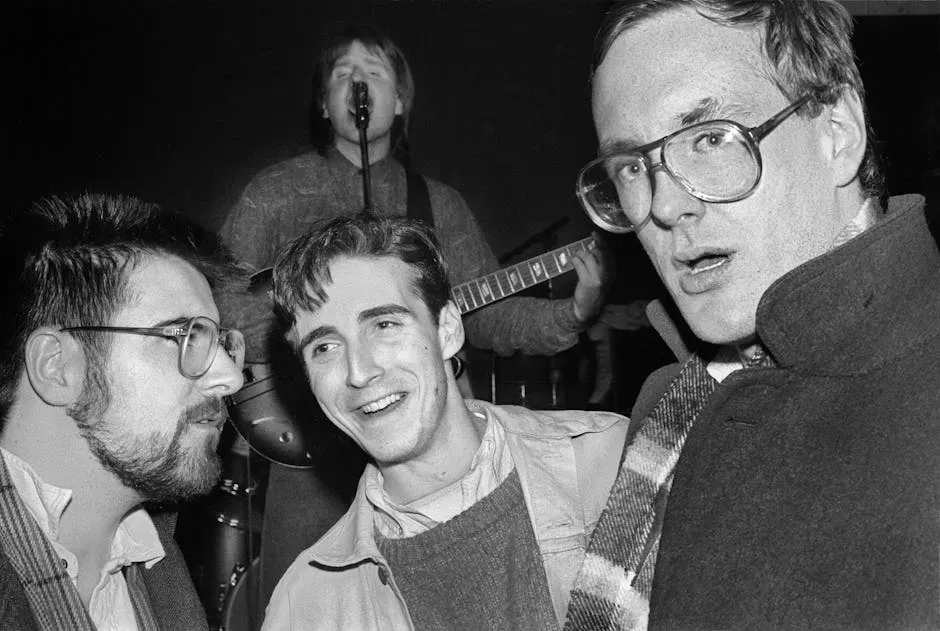
Mission of Burma introduced a cerebral, angular take on post-punk that would later influence Fugazi and Sonic Youth. Their early 80s output, particularly the album “Vs.,” was marked by jagged guitar lines, complex rhythms, and a willingness to experiment with noise and structure. The band’s embrace of feedback and tape loops set them apart from their peers, making their sound both challenging and invigorating. Despite their initial success in the growing independent music circuit, Mission of Burma disbanded in 1983 due to guitarist Roger Miller’s development of tinnitus caused by the loud volume of the band’s live performances.
Mission of Burma’s approach to songwriting and performance emphasized intensity and intelligence, qualities that resonated with the emerging American underground. Their reunion in the 2000s brought renewed attention to their pioneering work, cementing their place as key architects of alternative rock. The band’s legacy is found in the countless acts that blend intellect, energy, and experimentation in their music today. In the meantime, the group’s impact on music continued to be felt. The single “Academy Fight Song” found new life in covers by R.E.M., and experimental rocker Moby’s cover of “That’s When I Reach for My Revolver” became a hit in 1996.
4. The Chameleons – Manchester’s Best Kept Secret

The Chameleons may not be a household name, but their atmospheric post-punk sound has left a deep mark on modern rock. Formed in 1981 in Middleton, England, their debut album “Script of the Bridge” quickly became a cult classic. The lush, layered guitars and haunting melodies they crafted can be heard echoed in bands like Interpol and The Killers. Their ability to balance anthemic choruses with moody, melancholic undertones set them apart in the crowded post-punk scene.
Forced apart abruptly in 1987 due to internal conflict and the death of their manager, the band split without any commercial success but a cult following within the scene. Many more famous artists, especially coming out of the Manchester scene, have cited The Chameleons as huge influences and inspirations, including Tim Burgess of the Charlatans, Billy Corgan of the Smashing Pumpkins, Oasis, the Verve, and Interpol. Many musicians have cited them as a direct influence, especially during the post-punk revival in the early 2000s. Their emotional depth and textured songwriting continue to serve as a blueprint for bands aiming to combine introspection with grand, sweeping soundscapes. The Chameleons’ impact is a testimony to how music that once flew under the radar can end up shaping an entire era.
5. Killing Joke – The Industrial Rock Blueprint
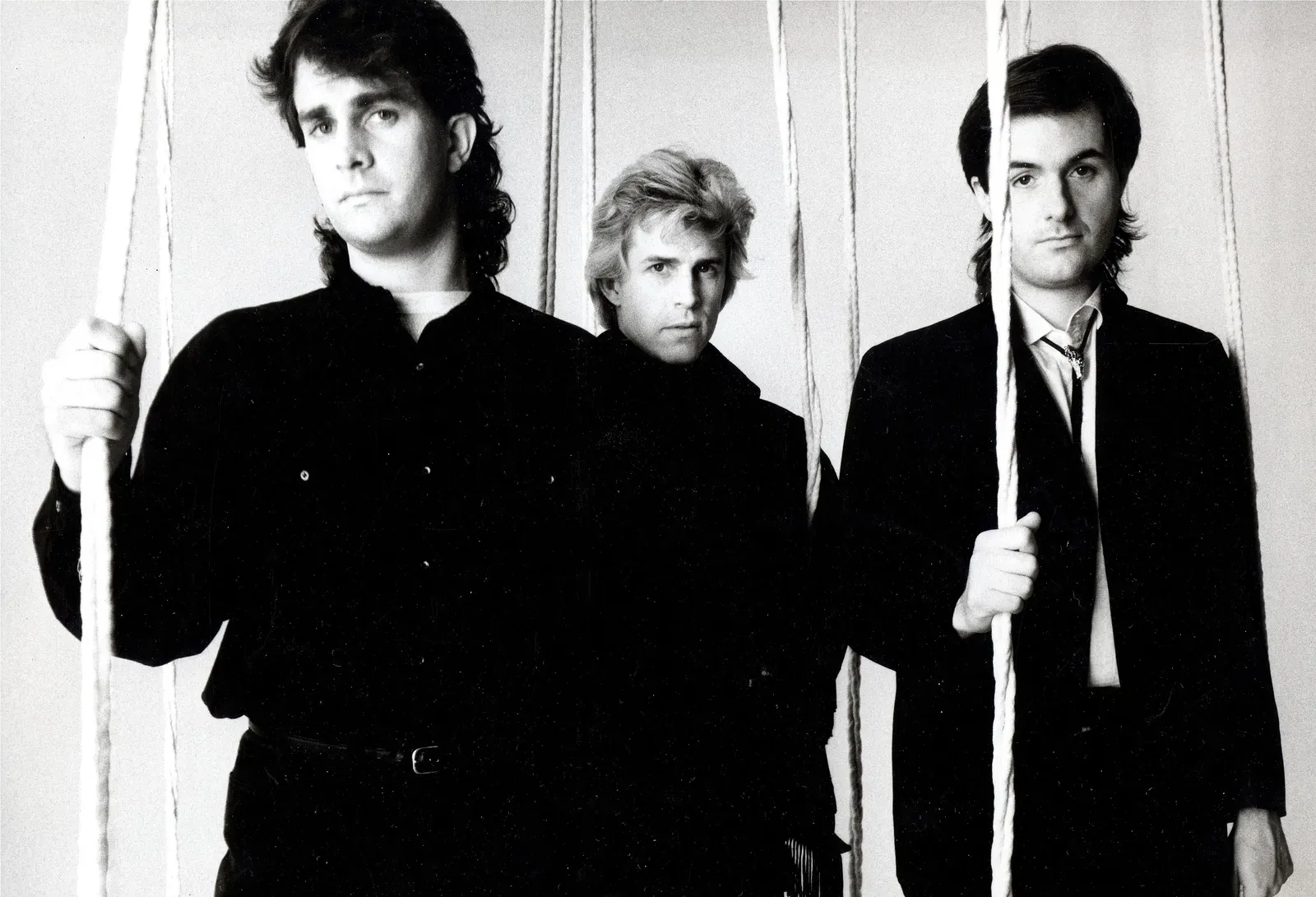
Killing Joke emerged from the post-punk era with a sound that was terrifyingly heavy and tribal. Jaz Coleman’s apocalyptic visions and Geordie Walker’s massive, ringing guitar riffs created an industrial rock template that would later be adopted by everyone from Nine Inch Nails to Metallica. They were the dark, occult cousins of the new wave movement, blending danceable rhythms with a sense of impending doom. Very few bands in the entire history of rock can claim their sonic fingerprint on such a diverse range of successors.
While they had a few UK hits like “Love Like Blood,” their true legacy lies in their uncompromising intensity and their influence on the darker fringes of heavy music. The reach of that influence is almost difficult to overstate. They remain a vital, sophisticated pillar of the UK underground, perfecting a cinematic gloom that still resonates in modern indie rock. Their template of merging raw heaviness with rhythm-driven structure helped unlock entire subgenres, from industrial to post-metal, that are still actively evolving in the 2020s.
6. The Replacements – The Misfits Who Defined Authenticity in Rock
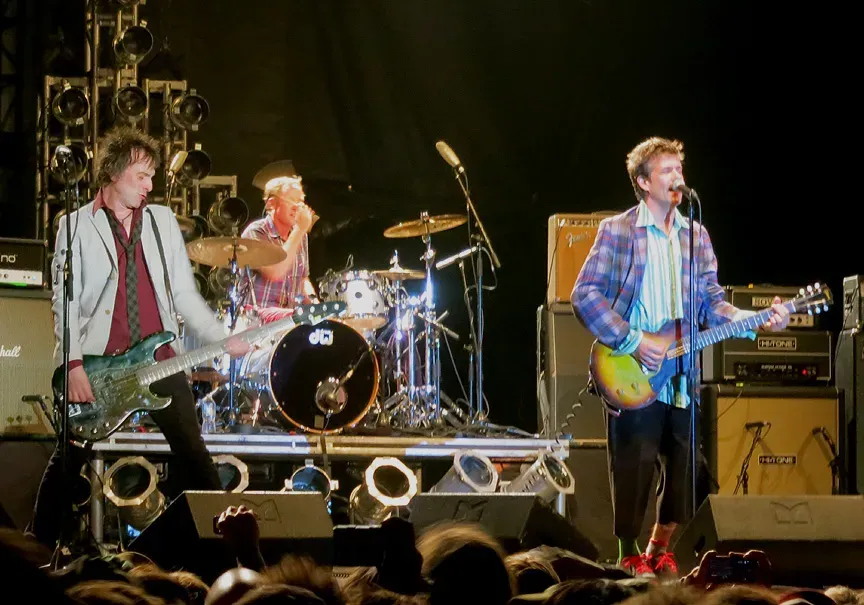
Formed in Minneapolis in 1979, The Replacements’ sound evolved from a punkier base into alternative rock, a breath of fresh air against the glam and hair metal that dominated the 1980s. Tracks like “I Will Dare” and “Alex Chilton” were not necessarily hits but are a great starting point for anyone wanting something different from 80s American rock. Their deliberate rejection of mainstream polish was itself a kind of artistic statement. This self-sabotaging streak arguably prevented them from reaching R.E.M.-level stardom, but it also endeared them to a generation of misfits.
The legacy they left behind is felt across nearly every corner of modern rock that prizes emotional honesty over commercial calculation. The good news is that the decade has left a longstanding musical legacy, and the incorporation of 1980s sound elements into modern music is hardly new, but its frequency seems to be rising. The Replacements are a primary reason why that rawness feels so natural in today’s indie and alternative rock landscape. Alternative bands built underground followings by touring constantly and regularly releasing low-budget albums. In the case of the United States, new bands would form in the wake of previous bands, which created an extensive underground circuit filled with different scenes in various parts of the country – and The Replacements were central to that entire ecosystem.