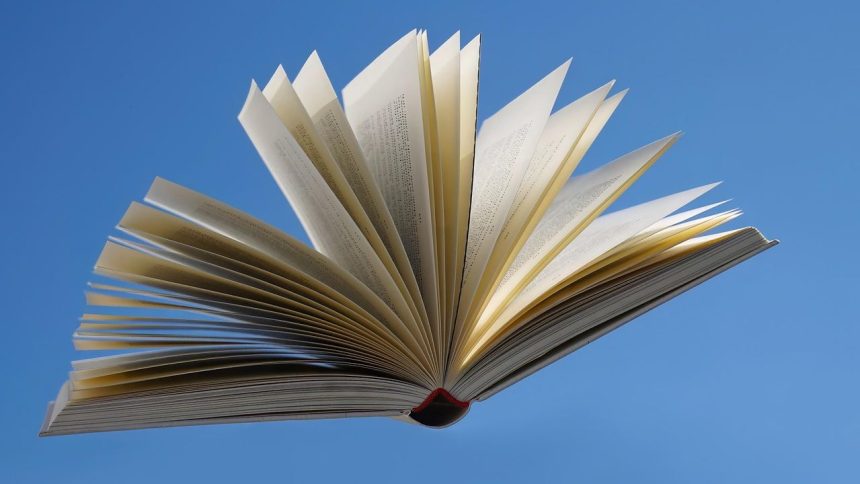
Something is shifting in literary culture. Publishers are noting a shift in industry mindset around short stories as readers embrace shorter works, with a number feeling like “something is slowly shifting” and that “there’s a real excitement around stories again.” In a reading landscape reshaped by shorter attention spans and the relentless pace of modern life, short story collections are quietly staging a rebellion against the novel’s long dominance. As life grows busier and attention becomes scarcer, many readers no longer set aside hours for a novel – instead, they’re embracing micro-reading sessions, short bursts of reading during commutes, lunch breaks, or waiting times. These five collections don’t just meet that moment. They exceed it, in ways many novels never could.
1. Heart Lamp by Banu Mushtaq – The Collection That Made History

Heart Lamp is the first collection of short stories to win the International Booker Prize – written over 30 years, the 12 stories chronicle the lives of women in patriarchal communities in southern India. That milestone alone would be enough to earn attention, but the book’s impact runs far deeper than any award. Published by And Other Stories in the UK on 10 September 2024, the collection comprises 12 stories exploring the lives of Muslim women in southern India, focusing on themes of patriarchy, gender inequality, and resilience.
These stories speak truth to power and slice through the fault lines of caste, class, and religion widespread in contemporary society. Yet at its heart, Heart Lamp returns us to the true, great pleasures of reading: solid storytelling, unforgettable characters, vivid dialogue, tensions simmering under the surface, and a surprise at each turn. The book’s global reach has been staggering. Alongside the US and UK editions, both published by And Other Stories, sales of the Indian market English-language edition of Heart Lamp, published by Penguin Random House India, can also be expected to increase, and Indian translation rights, which are held by Bhasthi’s agent, have already been sold for seven additional Indian languages.
2. Gina Chung’s Debut Collection – Where Folklore Meets the Human Condition

This masterfully inventive collection weaves literary fiction, Korean folklore, and science fiction elements into deeply revelatory narratives that reframe how readers contemplate the human condition. Through explorations of Korean American womanhood, transformation, fate, and legacy, Gina Chung proves in this debut her mastery over thoughtful precision. Equal parts entertaining and emotionally riveting, these stories will stay with you long after you’ve read them. What Chung achieves in a collection of stories is something many debut novelists spend entire careers chasing: a fully realized fictional universe built from fragments, each piece illuminating the next.
Short stories offer entire narratives, entire worlds, to the reader in a single sitting – the art of compression. Each story is its own little puzzle, its own box to open. Chung’s collection embodies this perfectly. Rather than stretching a single narrative arc across hundreds of pages, she packs each story with transformative emotional power. Short story collections can give you a much better sense of an author’s range – whether that means differences in genre, topics, settings, or tone. They can also introduce you to trends in a writer’s work that you might not notice if you only look at their longer-form work.
3. Kurdistan +100: Stories from a Future State – Speculative Fiction with Real Stakes
Republished in 2024 by Deep Vellum, Kurdistan +100: Stories from a Future State imagines a freer future for Kurds, one that sees independence as a possibility by 2046 – a century after Kurds last had independence through the Kurdish Republic of Mahabad. Exploring subjects such as eco-activism, drone warfare, and retroactive social justice, this anthology of stories writes against the boundaries of what’s possible. This is the kind of political and imaginative scope that is genuinely difficult to sustain across a single novel, where narrative momentum often competes with thematic ambition.
In response to the fast-paced nature of digital consumption, minimalist literature is gaining attention. Short, punchy prose that delivers emotional impact with few words is trending, especially in poetry, flash fiction, and online storytelling platforms. Kurdistan +100 taps into exactly this cultural hunger, while refusing to be reduced by it. The anthology format allows a multiplicity of voices and visions, an impossible feat for a single-author novel. The International Booker Prize welcomes short story collections with open arms, alongside full-length novels, because “in some cultures short stories are a more dominant literary form than novels.”
4. Waiting for the Long Night Moon by Amanda Peters – Indigenous Voices Across Centuries
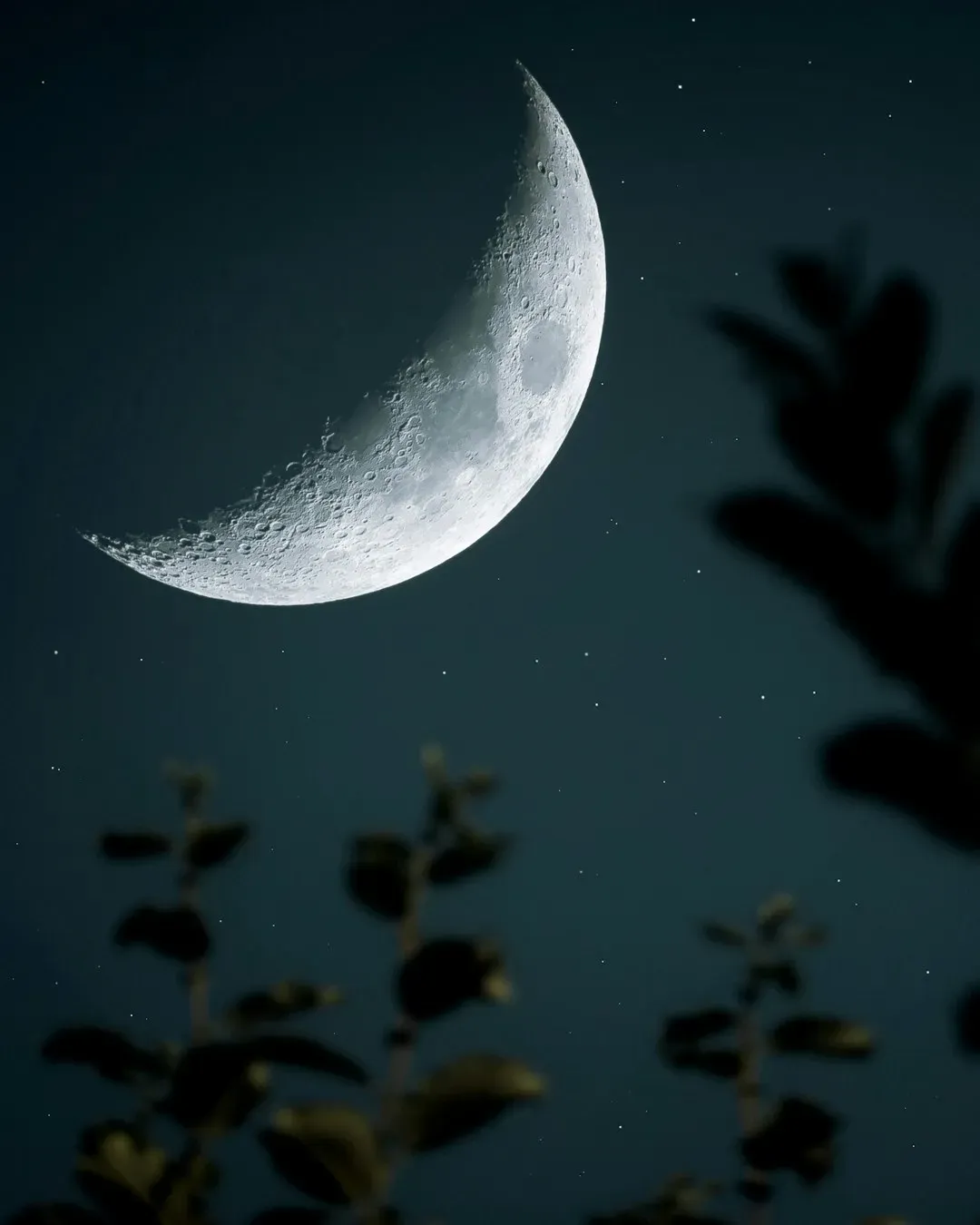
Waiting for the Long Night Moon comprises vignettes and short stories told mostly from the first-person perspectives of Indigenous people from the Northern Atlantic coast of Canada and the United States. The stories span the arrival of the first European settlers in the 1600s to the forced removal of Indigenous children from their homes in the late 1800s and present-day climate protests. It’s an ambitious scope for a slim collection that often packs weighty themes of generational grief and resistance to cultural erasure into stories the length of just a few pages.
What is remarkable about this collection is how Amanda Peters uses brevity as a form of power rather than a limitation. Crafting a compelling short story is a formidable task – it takes a special skill to create a world that instantly captivates readers within the confines of a compact literary form. “Short stories consume you faster,” said Booker Prize-nominated Ali Smith, the author of five short story collections. Peters does precisely that, pulling readers across hundreds of years in a book you can carry in a coat pocket. There are so many reasons to love short stories; not least their ability to immerse us in new worlds in the time it takes to commute to work, or the common themes that weave through anthologies to create a thought-provoking whole.
5. Exit Zero by Marie-Helene Bertino – The Critics’ Favorite of 2025
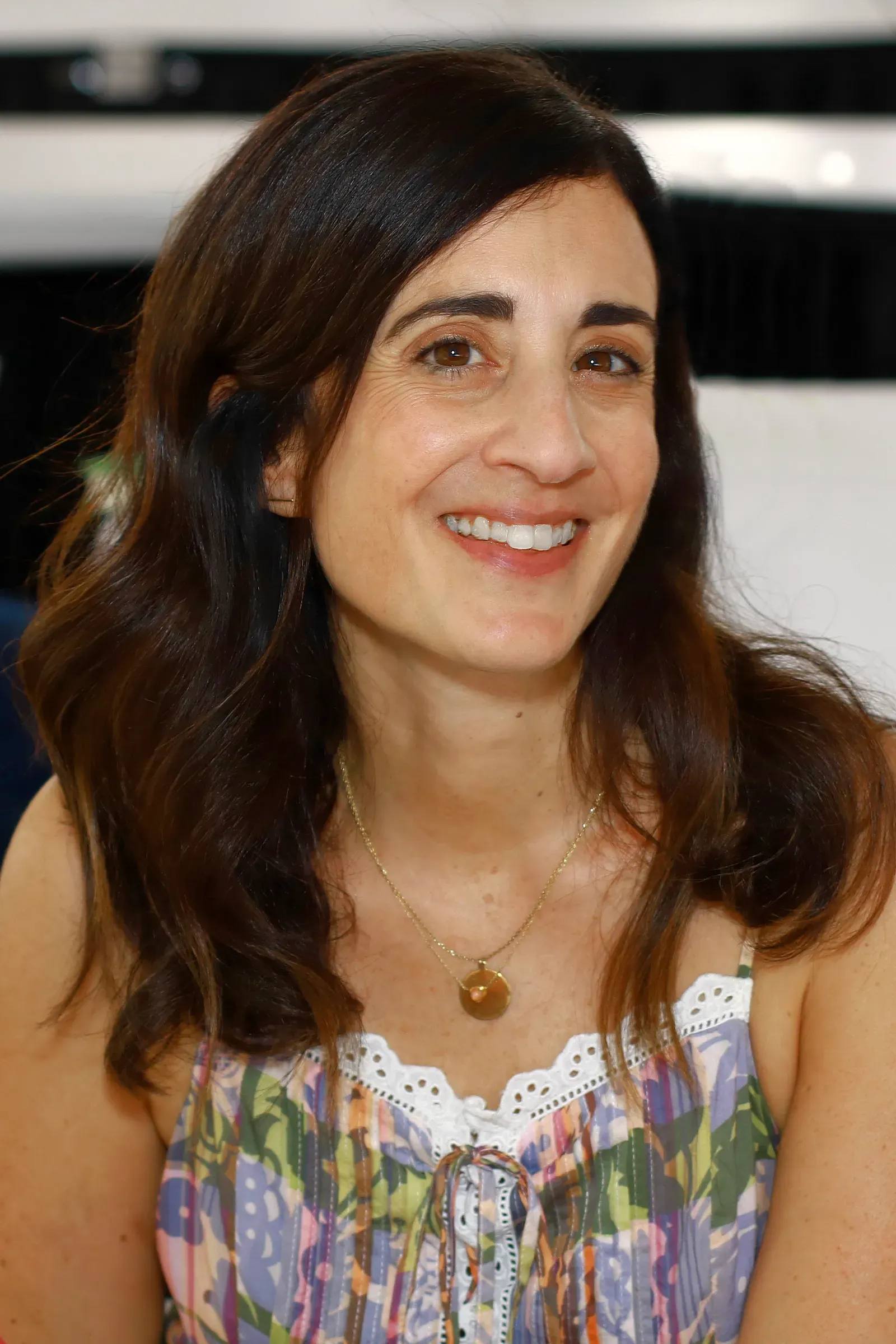
Electric Literature describes short story collections as “the commercial underdogs of the publishing industry,” while calling short stories a favorite literary form for their efficiency and precision, for the way they contain an entire world in a mere few pages. In 2025, that underdog status was challenged head-on by Marie-Helene Bertino’s Exit Zero, which Electric Literature’s staff and contributors selected as their favorite collection of the year. Bertino consistently subverts genre, distorts the real, and elevates the everyday. Her unique style and speculative play on themes of mortality, relationships, and technology makes this one of the most surprising collections of the year.
Short story collections don’t get enough attention – they’re notorious for being hard to sell and they’re often left off “best books of the year” lists. Yet Exit Zero proves that critical recognition can punch through even the most entrenched industry bias against the form. The wider publishing landscape in 2025 confirmed the trend: 2025 was an incredible year for short story collections. Serialized content, short stories, zines, and flash fiction are some of the digestible content that meets rising reader demand – particularly relevant in digital publishing, with shrinking attention spans and an over-abundance of content, making it an uphill battle to capture an audience’s attention. Collections like Exit Zero are not just meeting that challenge. They’re setting the terms for what fiction can be.