There’s something magical about wandering through a bustling street market where the air smells of handwoven textiles and the sounds of haggling voices mix with traditional music. These spaces are more than just places to buy souvenirs. They’re living museums where centuries-old techniques are passed down through generations, where artisans tell stories with their hands, and where cultural identity thrives despite the relentless push of globalization.
Let’s be real: in a world drowning in mass-produced goods, these markets are rare gems that connect us to something deeper.
International Folk Art Market, Santa Fe, New Mexico
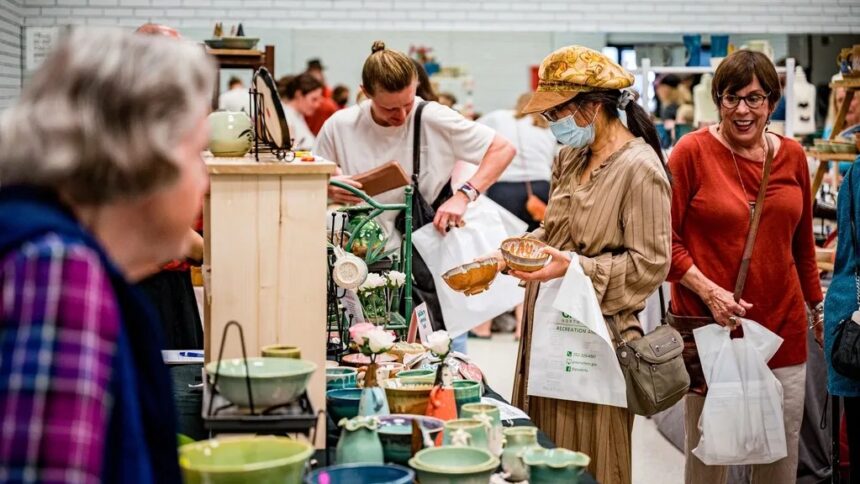
The International Folk Art Market in Santa Fe features the work of more than 150 artists from 60 different countries and sets the world record for being the World’s Largest Folk Art Market. Held every July, this extraordinary gathering transforms the Railyard Park into a cultural crossroads where master craftspeople showcase everything from Afghan pottery to Zulu wire baskets. This quintessentially New Mexican cultural art event attracts over 20,000 visitors from around the world annually.
What makes this market truly special is its mission. Every purchase at the International Folk Art Market supports generational traditions maintained by master craftspeople despite economic, environmental, and political pressures. For three days each year, thousands of visitors attend the artists market, purchasing around three million dollars of folk art directly from the artists themselves, and that money goes on to support artist cooperatives and community projects that benefit thousands of people. The market doesn’t just preserve folklore; it creates tangible economic opportunities that allow artisans to continue their craft.
Chatuchak Weekend Market, Bangkok, Thailand
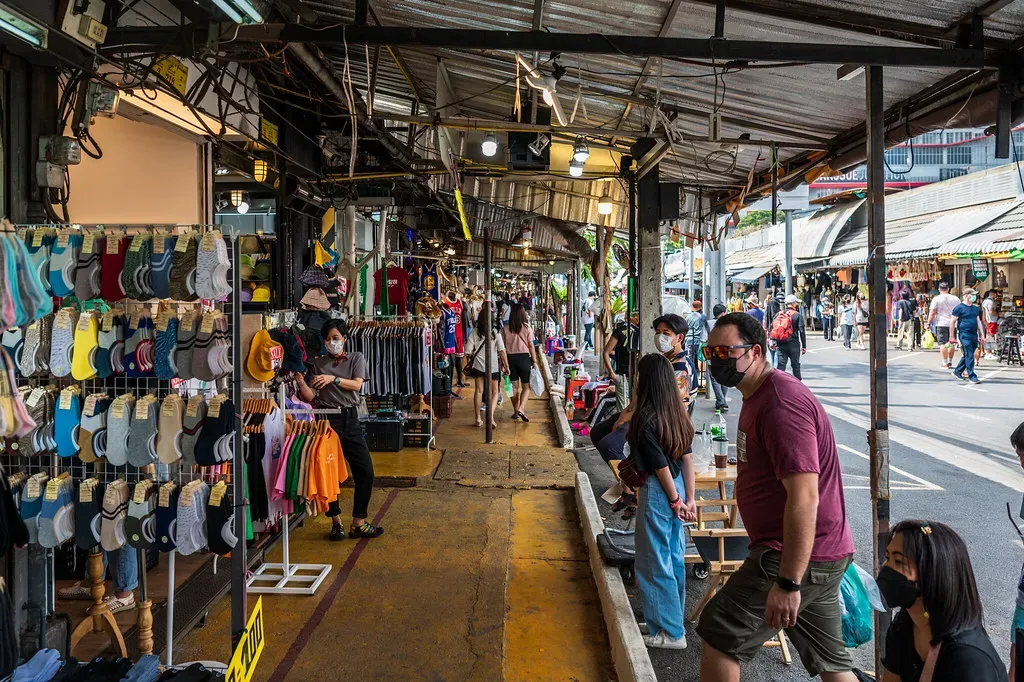
Sprawling across roughly 35 acres in Bangkok, Chatuchak Weekend Market is a sensory overload in the best possible way. While known for its sheer size and variety, specific sections of this market are dedicated to preserving Thai folk art and traditional craftsmanship. Here you’ll find hill tribe textiles, hand-carved wooden Buddha statues, traditional Thai puppets, and intricate silverwork from northern communities.
Visitors to artisan villages in Japan, or colorful craft markets in Mexico for example often make it a point to shop for handicrafts that originate from there. This same principle applies to Chatuchak, where tourists seek authentic Thai craftsmanship rather than factory-made replicas. The market serves as a crucial economic lifeline for rural artisans who might otherwise struggle to find buyers for their traditional wares. Many vendors have been selling at Chatuchak for decades, creating multigenerational businesses that preserve specific regional craft traditions.
Surajkund Crafts Mela, Haryana, India
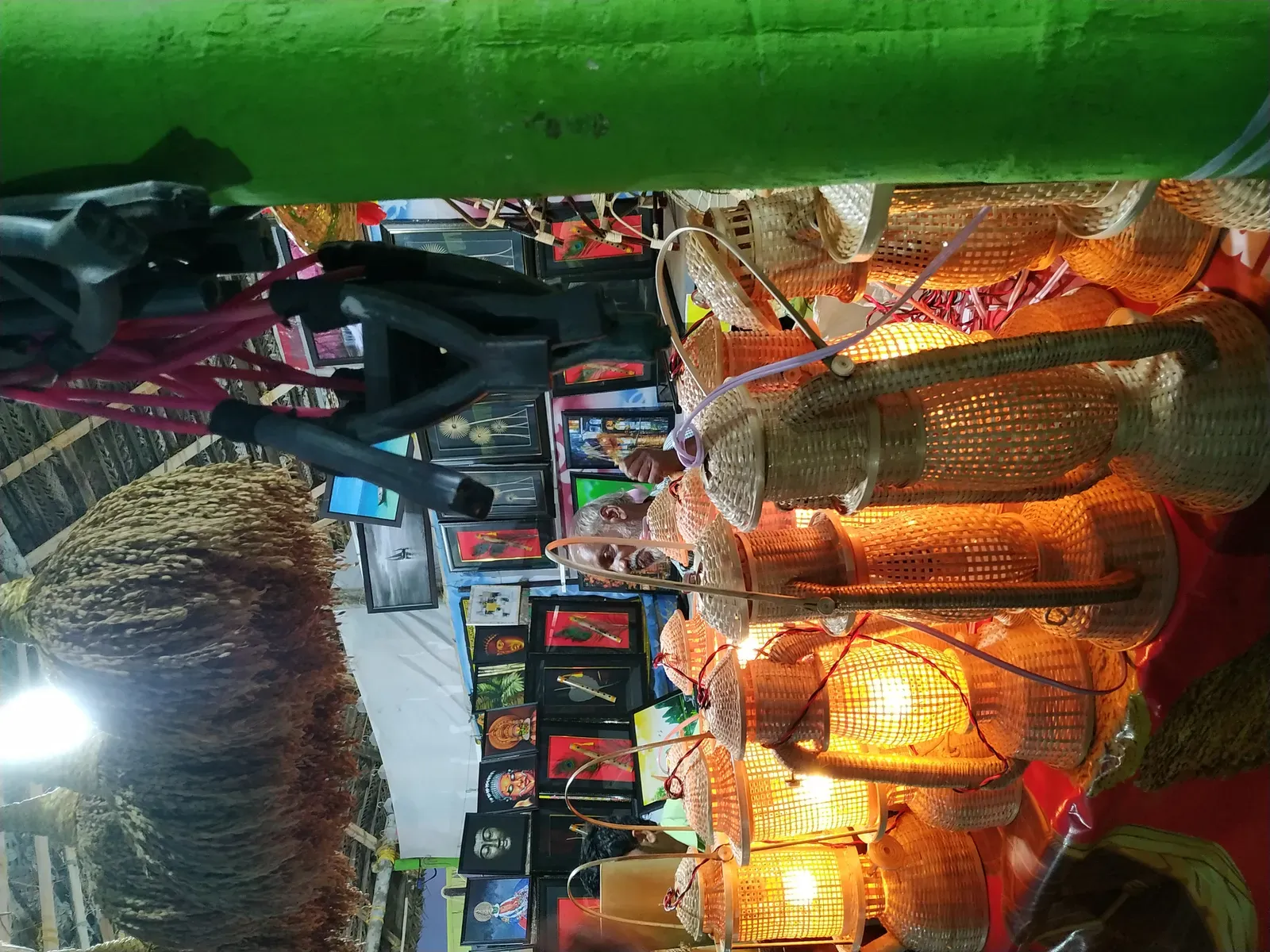
India has government policy towards handicrafts under the HHEC and Surajkund Meela among others. This annual fair, typically held in February, is one of Asia’s largest crafts festivals. It brings together artisans from every Indian state, as well as international participants, to showcase traditional handloom textiles, pottery, metalwork, and woodcraft.
According to the India Brand Equity Foundation, the export of handicrafts from India amounted to 4.35 billion dollars in 2021-22, a rise of about one quarter from the previous year, and there are nearly 744 handicraft clusters in the country that employ around 212,000 artisans providing more than 35,000 products. The Surajkund Mela plays a vital role in this ecosystem by providing artisans with direct market access and visibility. Each year, the fair spotlights a different theme state, allowing its unique to take center stage. Traditional performances, folk dances, and regional cuisine complete the immersive cultural experience.
Partner offer
Mercado de Artesanías La Ciudadela, Mexico City, Mexico
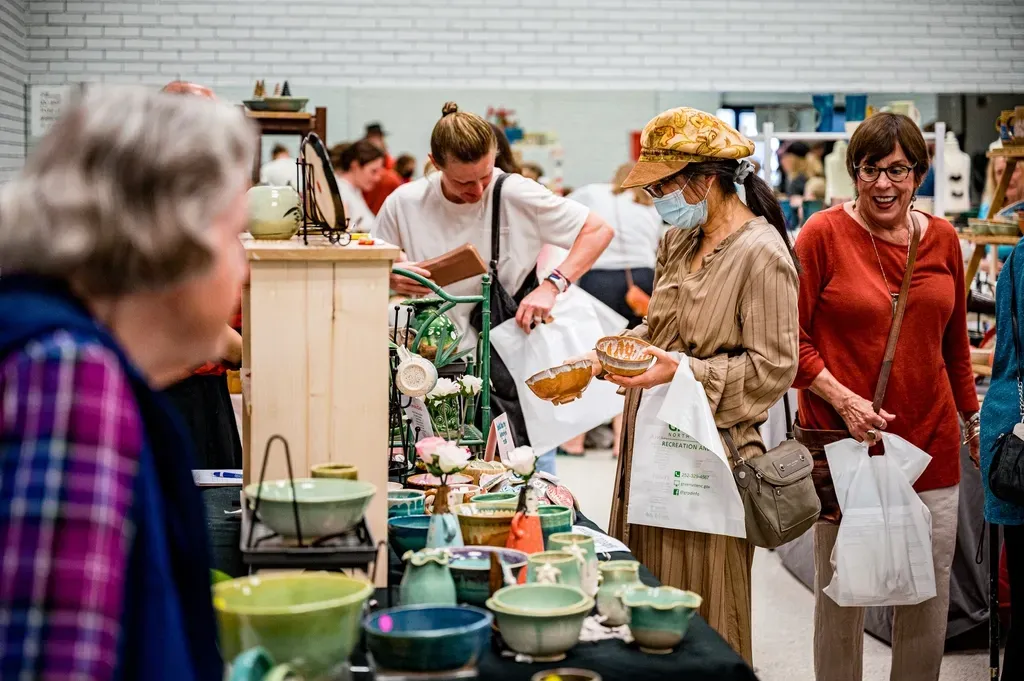
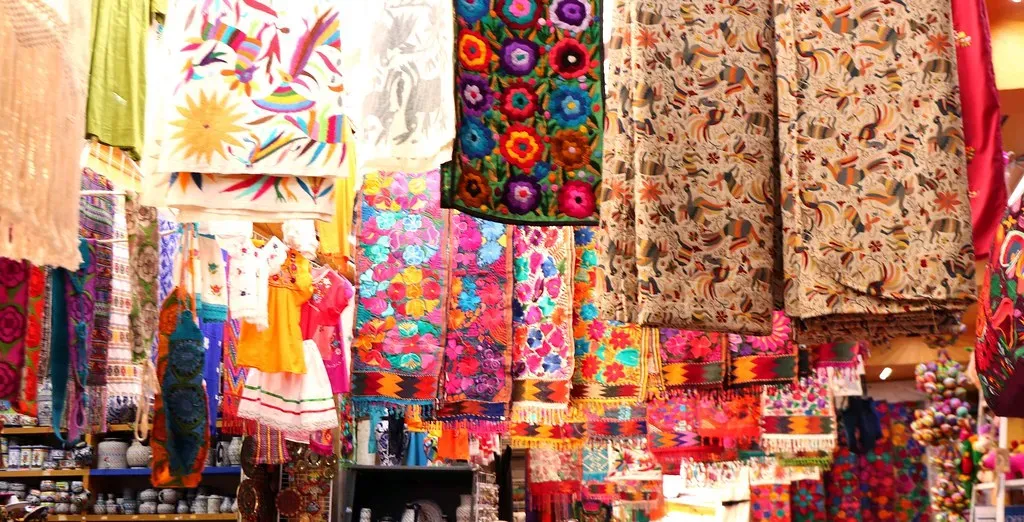
Tucked away in Mexico City’s historic center, La Ciudadela is a treasure trove of Mexican folk art and craftsmanship. The market houses hundreds of vendors selling everything from Oaxacan alebrijes (fantastical wooden creatures) to Talavera pottery and intricate silver jewelry from Taxco. A startup in Mexico called Artesanias Tradicionales works with indigenous artisans from various communities to create and sell traditional crafts, collaborating with artisans to develop new designs while respecting the traditional techniques and materials, which not only helps in preserving the cultural heritage but also creates a market for these crafts.
What’s fascinating is how this market balances preservation with innovation. Artisans maintain centuries-old techniques like hand-weaving and natural dyeing, yet they adapt designs to appeal to contemporary tastes. This delicate dance between tradition and modernity ensures that folklore remains relevant rather than becoming a museum piece. The market also serves as an educational space where visitors can watch artisans at work, learning about the cultural significance behind each piece.
Grand Bazaar, Istanbul, Turkey
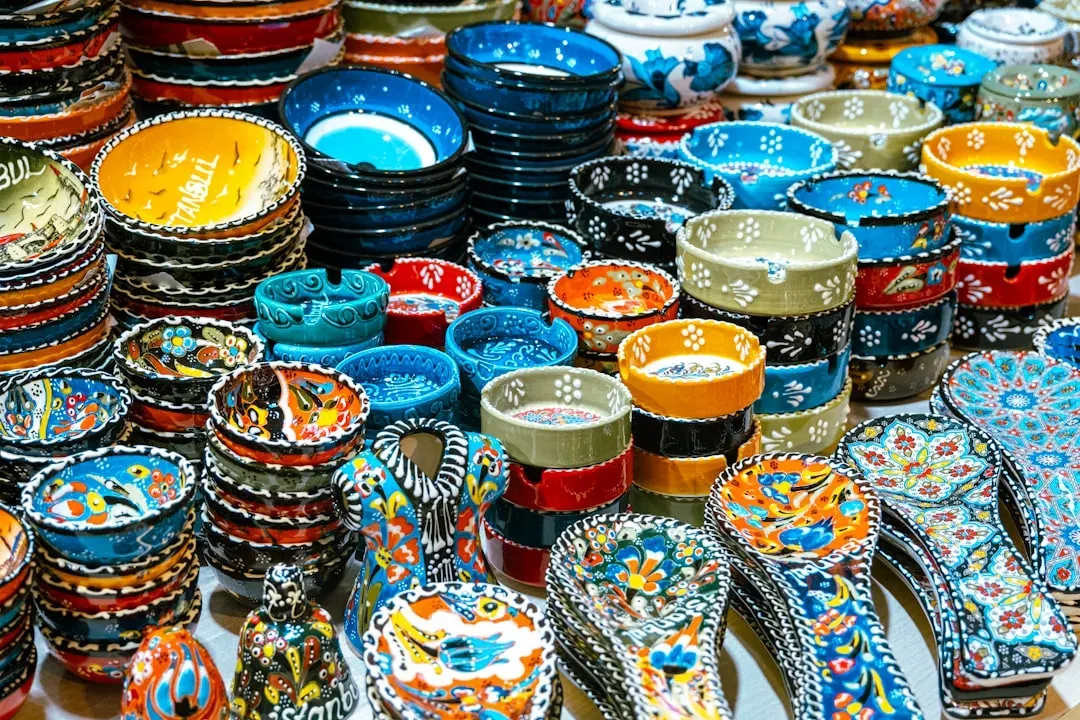
One of the world’s oldest and largest covered markets, Istanbul’s Grand Bazaar has been a commercial hub since 1461. Beyond its tourist appeal, the bazaar remains a stronghold for Turkish artisanal traditions. Skilled craftspeople continue to practice traditional arts like calligraphy, miniature painting, carpet weaving, and copperwork in specialized hans (workshops) throughout the bazaar.
Traditional craftsmanship is perhaps the most tangible manifestation of intangible cultural heritage, yet the 2003 Convention is mainly concerned with the skills and knowledge involved in craftsmanship rather than the craft products themselves, and safeguarding attempts should instead concentrate on encouraging artisans to continue to produce craft and to pass their skills and knowledge onto others, particularly within their own communities. The Grand Bazaar exemplifies this principle through its guild system, where master craftsmen train apprentices in time-honored techniques. Despite facing pressures from mass production and changing consumer preferences, many shops continue to sell genuinely handcrafted items that carry forward Ottoman-era traditions.
Marrakech Souks, Morocco
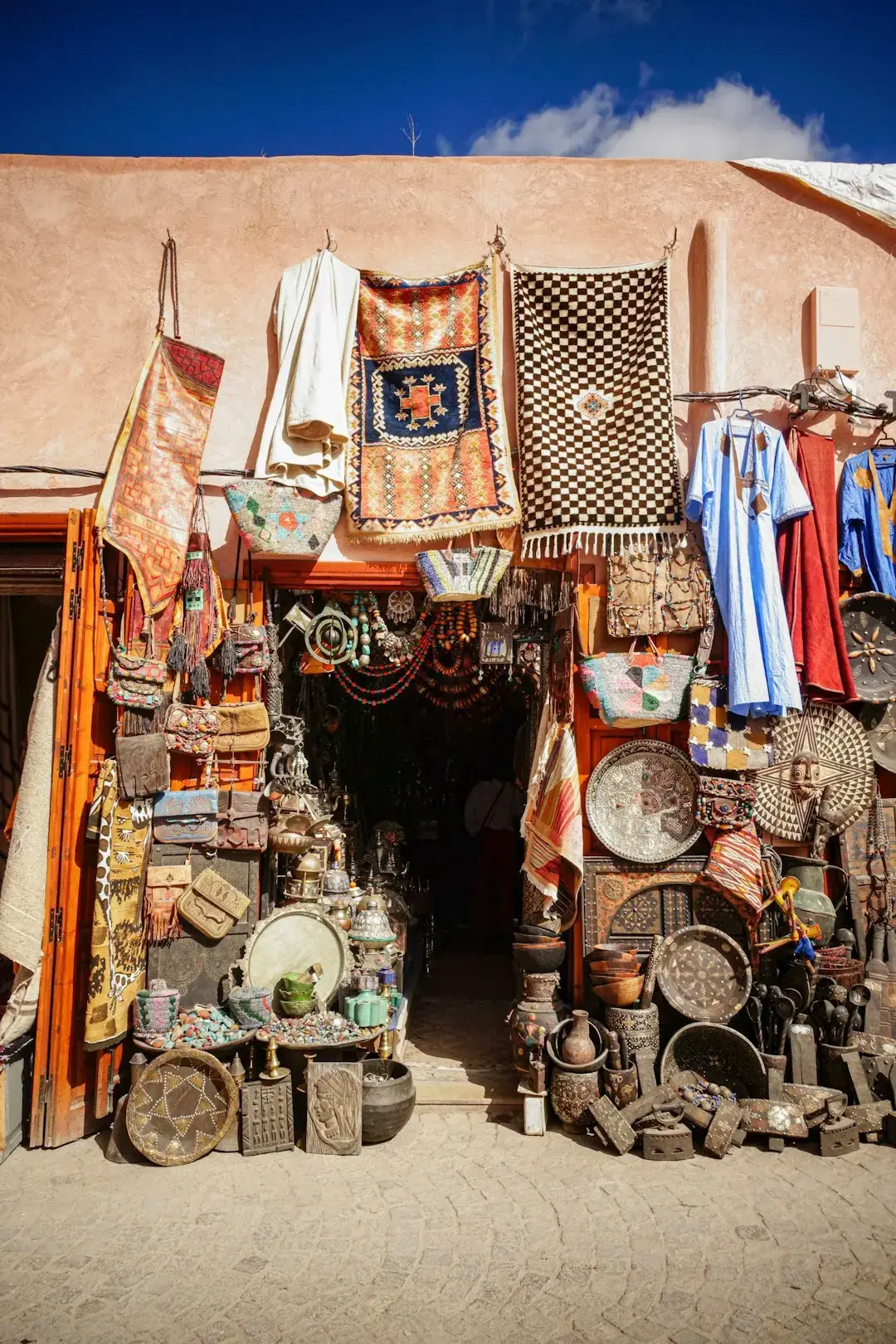
The labyrinthine souks of Marrakech’s medina are legendary for their vibrant chaos and stunning craftsmanship. Each section specializes in different trades: the leather tanners in Chouara, the metalworkers in Place des Ferblantiers, the carpet weavers throughout the medina. These aren’t staged tourist attractions but working markets where locals still shop and artisans still practice their crafts.
Visitors to the souks of Morocco often make it a point to shop for handicrafts that originate from there. Traditional Moroccan crafts like zellige tilework, brass lantern making, and leather tanning involve techniques passed down through families for generations. Traditional crafts contribute significantly to local economies, providing livelihoods for artisans and their communities. The souks provide economic sustainability for these traditional crafts while also serving as informal schools where younger generations learn by observation and apprenticeship.
Spitalfields Market, London, England
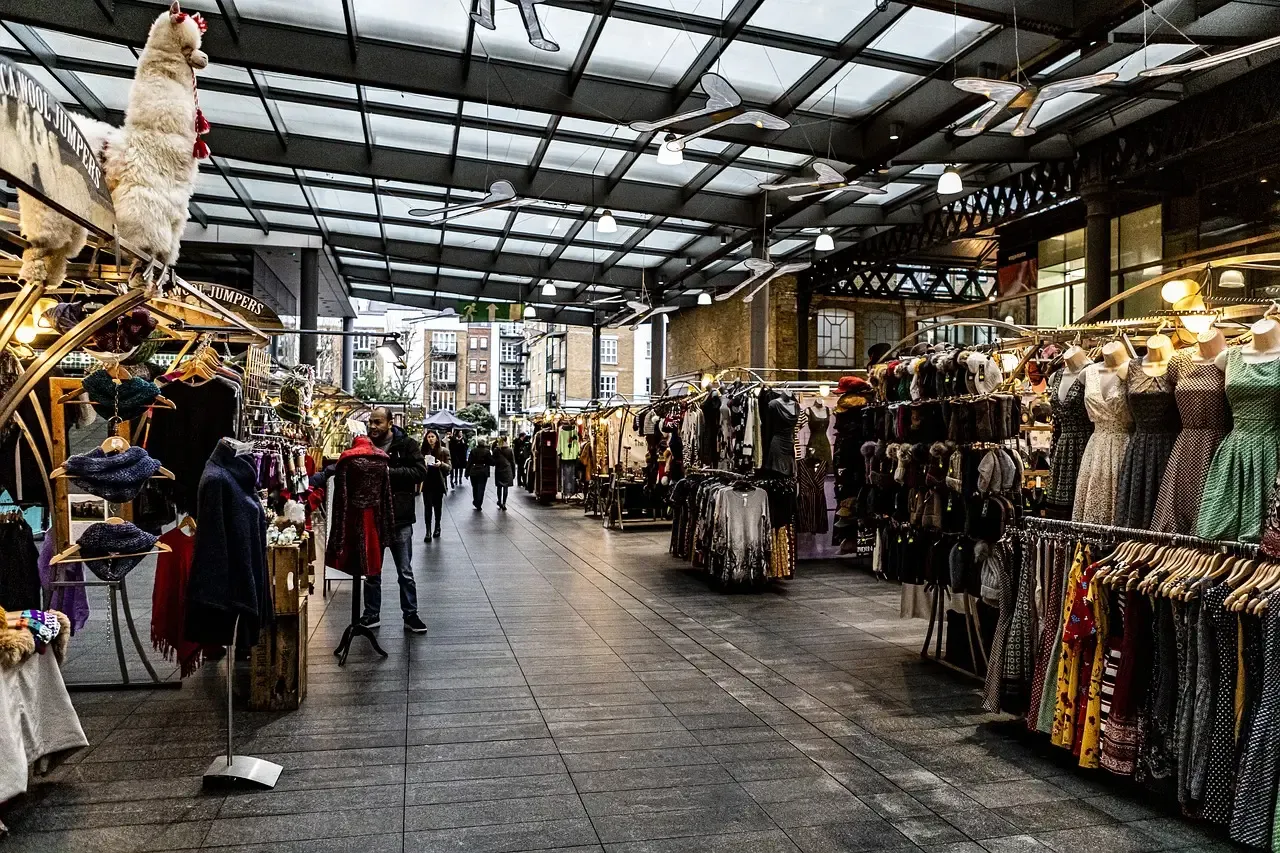
This East London market has evolved from a wholesale fruit and vegetable market into a thriving hub for independent makers and artisans. While modern in many ways, Spitalfields dedicates significant space to craftspeople working in traditional mediums: hand-thrown ceramics, bookbinding, textile arts, and jewelry making using historical techniques.
In Europe, the preservation of traditional handicrafts is based on a dual strategic approach, intentionally balancing safeguarding cultural heritage with national-level policy support, often facilitated through tourism. Spitalfields benefits from London’s robust cultural tourism, attracting visitors interested in authentic British craftsmanship. The market’s emphasis on quality over quantity and its support for emerging makers who employ traditional methods helps ensure that historical craft techniques don’t disappear. It’s a model that proves street markets can adapt to contemporary contexts while still championing artisanal traditions.
Partner offer
Planning a trip to Vegas?
Compare hotel rates and show tickets on VEGAS.com.