Most people who play games regularly think they have a pretty solid grasp of what it takes to improve. They put in the hours, they know the maps, they’ve memorized a few combos. So why does the skill gap between casual players and professionals feel almost impossible to close?
The honest answer is that it usually comes down to habits, not raw talent. The difference isn’t always about reaction time or hardware. Research shows that believing your skills can improve through effort directly impacts gaming performance. What separates casual and pro players goes much deeper than the hours logged, and a lot of it has nothing to do with what’s happening on screen.
1. Playing Without Reviewing Their Own Gameplay

Whether you’re grinding the ranked ladder or eyeing a spot in competitive play, one of the most powerful tools at your disposal is already sitting on your hard drive: your VODs. Reviewing your own gameplay is a habit shared by pros across esports and even traditional sports. It’s not just a box to check; it’s a critical step in becoming a better player.
Casual players rarely watch themselves back after a session. They log off, maybe vent about a bad teammate, and move on. Professional players don’t just re-watch games; they hunt for mistakes. Specifically, they look for the “Information-Action” gap, which is any moment where you had the necessary information to make the correct play but failed to act on it. By watching recorded footage, players can find mistakes they made and understand why things went wrong, helping them avoid making the same errors in the future.
2. Playing More Instead of Practicing Smarter
There’s a common belief that putting in more hours automatically means getting better. Casual gamers tend to treat volume as the measure of commitment, jumping into match after match without a structured goal in mind. The “more you play, the better you get” mindset encourages gamers to focus on the quantity of practice with little regard to the quality of the practice and the progress being made. Without reflection, the player is simply engaging in mindless repetition that does little to improve.
Professional FPS players typically invest six to ten hours daily in structured practice, dividing time between mechanical drills, team scrimmages, and strategic review. This contrasts sharply with the one to three hour average of amateur players. The key word is structured. Improving your gameplay doesn’t mean endlessly grinding the ladder and repeating the same things over and over again just expecting to improve, and this is the attitude that sets professional gamers apart.
3. Ignoring Settings and Keybind Optimization

Most casual players launch a game, click through the default settings, and never open the options menu again. It feels trivial. In reality, it’s one of the clearest dividing lines between how amateurs and professionals approach the game. Professional players spend hours fine-tuning their settings because even small adjustments can lead to better performance. Good settings help you react faster, move more precisely, and stay comfortable during long gaming sessions. Bad settings can slow you down and even cause physical strain.
Pro gamers put combat actions first when setting up keybinds, and studies show roughly seven in ten top players make combat controls easy to access. This helps them react fast in intense moments, especially in games like first-person shooters and battle royales. Graphics settings matter just as much. Pro gamers optimize gameplay by adjusting resolution, display mode, and graphics quality, often using low to medium settings in popular tactical shooters to boost frame rates and reduce visual clutter, creating cleaner game environments for better focus and reaction times.
4. Playing Through Tilt Without Managing Emotions
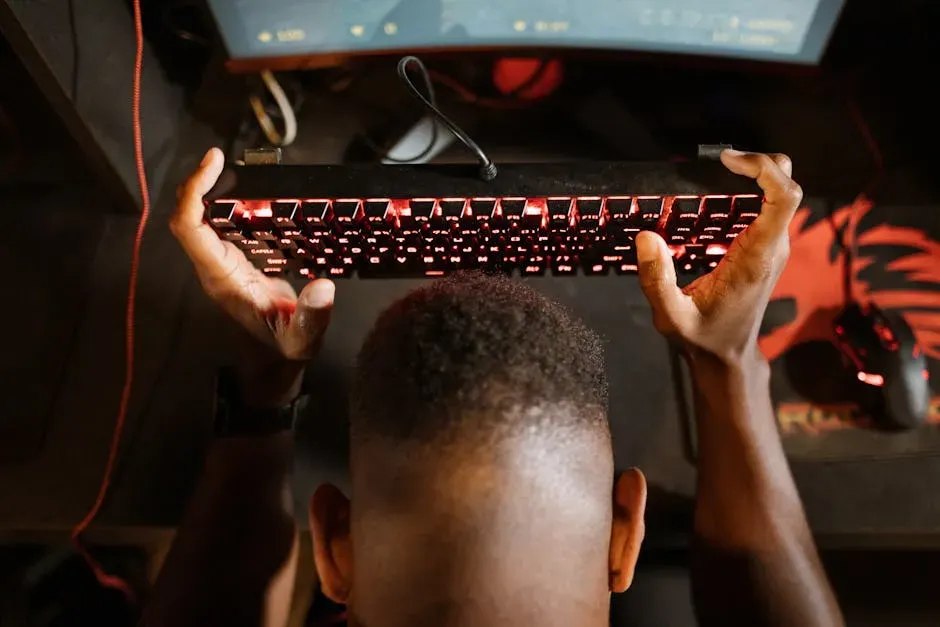
Losing a few matches back to back and queuing straight into another game is almost a reflex for casual players. The frustration builds, decision-making suffers, and what started as a fun session gradually turns into a spiral of bad plays. Pros recognize this pattern early and actively work against it. Resilience consistently emerges as the defining characteristic of high-level players, specifically the ability to maintain performance under pressure and bounce back from defeats without tilting. Elite players demonstrate exceptional emotional regulation, particularly during high-stakes moments.
One 2023 study underlined that mentally more demanding gamers had a far better chance of performing under pressure, with roughly three quarters of top esports players naming mental resilience as the main factor in their success. The practice of managing emotions isn’t passive either. Recent findings indicate that self-reflection practices such as keeping a game journal can help players gain insight. By noting instances when they experience particular emotions throughout the game day, a gamer can identify trends in what affects performance. In fact, roughly seven in ten esports athletes who partake in reflective practices reported improved focus and emotional regulation.
5. Skipping Physical Health and Sleep Routines
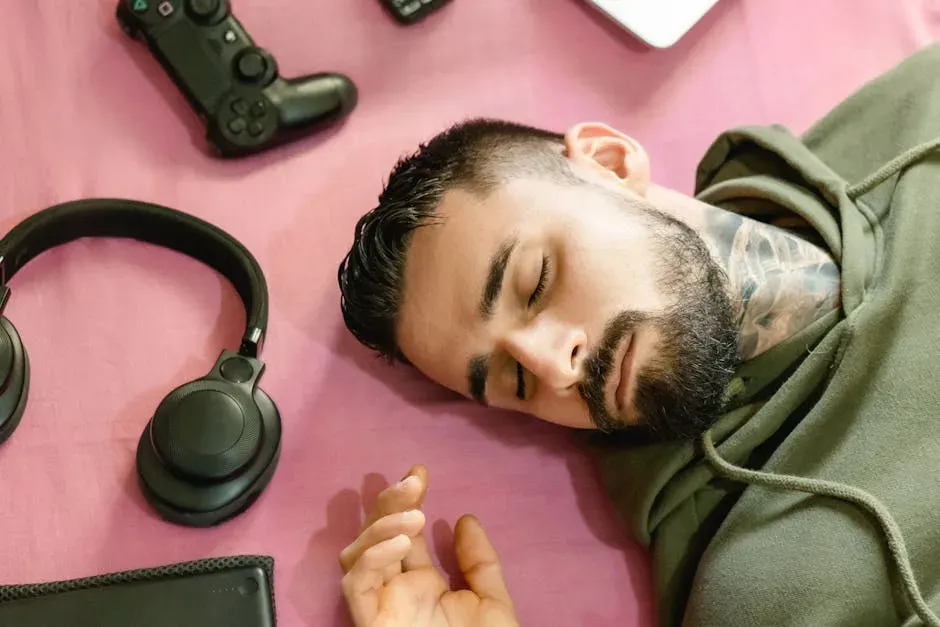
It sounds counterintuitive that physical habits would affect digital performance, but the research is consistent on this point. Casual gamers often treat late nights and skipped meals as part of the gaming lifestyle, viewing sleep as something to sacrifice for extra sessions. Staying up until the early hours of the morning for extra gaming time might seem appealing, but lack of sleep and high-quality rest is detrimental to gameplay, health, and overall wellbeing. Sleep affects reaction time and memory, and maintaining a consistent sleep pattern is essential to high-quality rest.
Pro-gamers’ training regimens may positively influence the physical activity habits of new players who admire them, and research finds that almost all pro-gamers are physically active and have a standard body composition. This isn’t just a lifestyle choice; it’s a performance decision. Just like traditional athletes, esports players need a nutrient-rich diet to fuel their bodies and brains. Proper nutrition can enhance reaction time, concentration, and endurance during long tournaments. The body supporting the brain matters, and pros treat it that way.
None of these habits are secret. They’re all learnable, and most of them cost nothing beyond attention and a bit of intentional effort. The real gap between a casual gamer and a professional isn’t talent locked behind genetics. It’s a set of daily decisions that compound quietly over time, in either direction.