Las Vegas is a city that has always loved a good demolition. Casinos come down, new ones go up, and somewhere in between, history gets swallowed by the desert dust. But a handful of devoted people decided that a few things were worth saving. Specifically, the giant, glowing, outrageously bold neon signs that once defined this city like nothing else. The stories behind those rescued relics are stranger, sadder, and honestly more interesting than most people realize. Let’s dive in.
The Boneyard: Where Dead Signs Get a Second Life

Before we get to the five signs themselves, you need to understand the place that made all of this possible. At the Neon Museum, the outdoor exhibit space known as the Boneyard is where over 250 vintage Vegas signs find a second life. Think of it less like a traditional museum and more like a desert graveyard where the headstones happen to glow.
Back in 1996, a small group of Las Vegas locals had a wild but brilliant idea: save the neon signs that were being tossed out as casinos and hotels got demolished or rebranded. That grassroots effort eventually became The Neon Museum, which officially opened its outdoor Boneyard to the public in 2012.
The museum operates as a nonprofit, which means every ticket sold goes directly toward restoring and preserving these irreplaceable pieces of American pop culture. Without that model, a lot of these signs would simply be gone. Honestly, it is one of the most quietly remarkable preservation efforts in the country.
How Signs End Up in the Boneyard in the First Place
In Las Vegas’s heyday, the motels and casinos that popped up in the Nevada desert needed to stand out. Bright signs, each one handmade from neon tubes, incandescent bulbs, or both, were expensive. Instead of buying them, the businesses leased their signs from the companies that made them. When they went out of business, or upgraded to a new, bigger, louder sign, the old signs ended up in their manufacturer’s “boneyard.”
The Allied Arts Council and Young Electric Sign Company (YESCO) stepped in, collecting and preserving these luminous relics. The relationship between YESCO and the museum became the backbone of the whole preservation effort. Approximately 30% of the museum’s collection comes from YESCO, while donations from imploded or remodeled properties add to the treasure trove.
Private donors are sought to fund restoration of the signs, the cost of which can range from $10,000 to $100,000, and can take three to six months. Due to the cost, many signs in the boneyard are unrestored and do not light up on their own during night tours, instead illuminated by external lighting. So when a sign does get fully restored, it is genuinely cause for celebration.
Sign #1: The Stardust Resort and Casino
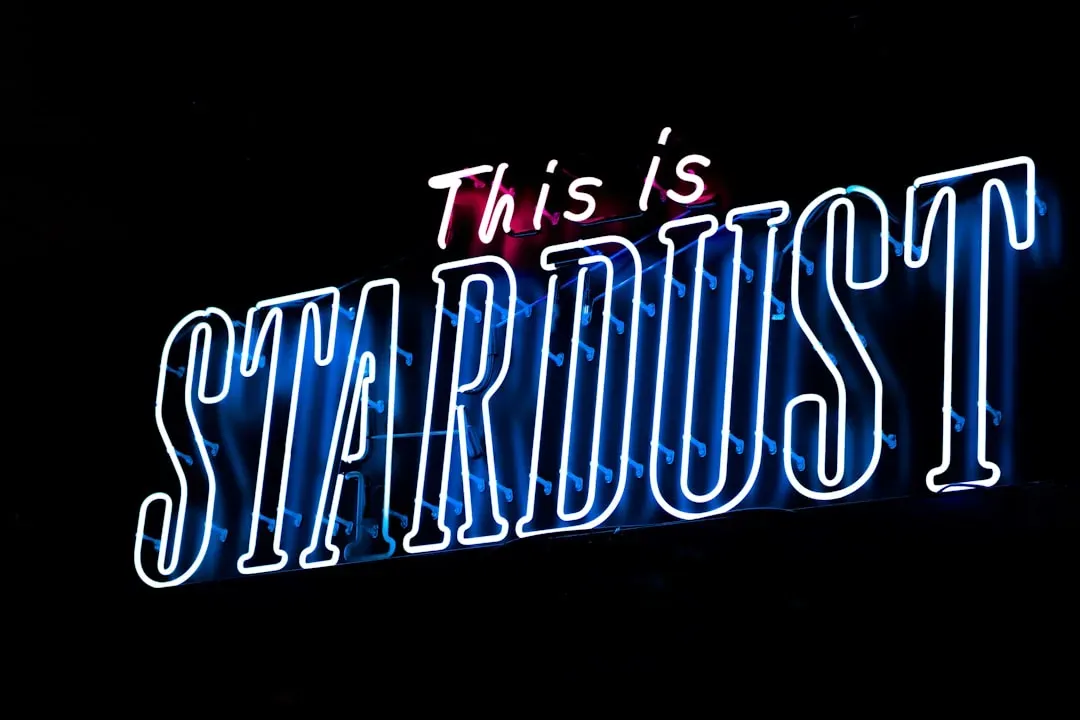
The iconic Stardust sign, with its massive, sparkling starburst design, was a true Strip landmark for decades. Opened in 1958, the Stardust embraced the atomic and space age themes prevalent in post-war America. It is one of those signs you look at and immediately feel the weight of a specific, irreplaceable era.
One of the most striking sights to see is the glittering Stardust sign that dates back to 1958. The sign was once the Strip’s largest, at over 215 feet long and 27 feet high. To put that in perspective, that is roughly the length of two and a half basketball courts stretched end to end.
Dismantling and moving the iconic Stardust sign cost $200,000. That figure alone tells you how serious this preservation effort really is. Standing next to the Stardust sign, which stretches high above your head in layers of glowing letters and starburst shapes, makes you feel like you have shrunk. The craftsmanship that went into these signs, hand-bent glass tubes and hand-painted metalwork, reflects an era when signage was considered a true art form. You can see it today inside the Neon Boneyard at 770 N. Las Vegas Boulevard.
Sign #2: The Moulin Rouge Hotel

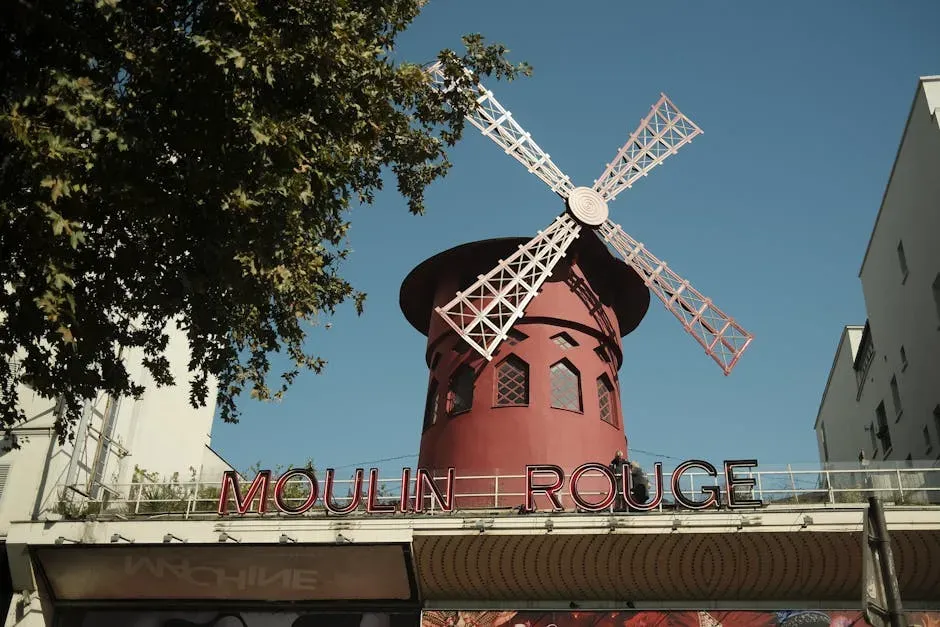
Perhaps one of the most historically significant signs in the collection is from the Moulin Rouge Hotel. While it operated for only a few months in 1955, the Moulin Rouge holds a pivotal place in Las Vegas history as the city’s first integrated casino-hotel. In an era of rampant segregation, the Moulin Rouge welcomed African American performers and patrons, something unheard of on the Strip at the time.
In the 1950s, segregation was so prevalent in Las Vegas, the city was called the Mississippi of the West. African Americans couldn’t stay, gamble or attend shows in the hotels on the Strip. The Moulin Rouge broke that barrier, which makes its sign far more than a piece of commercial art. It is a civil rights artifact.
Moulin Rouge is listed on the National Register of Historic Places and the City of Las Vegas Historic Property Register. The sign now rests in the main Neon Boneyard. Fun fact: designer Betty Willis drew each letter of Moulin Rouge freehand because she couldn’t find a font she liked. The same designer, it turns out, also created the iconic “Welcome to Fabulous Las Vegas” sign.
Sign #3: The Hacienda Horse and Rider

The Hacienda Hotel, opened in 1956, was situated on the far south end of the Strip and was initially designed to appeal to families, offering activities like horseback riding and a large swimming pool. The massive equestrian sign, reaching 165 feet tall, was a landmark for years. That is taller than a fifteen-story building, in case you needed a sense of scale.
The Hacienda was eventually imploded in 1996 to make way for Mandalay Bay, but its majestic sign lives on, a symbol of a time when the Strip was still expanding its reach. Rescuing this sign became the very first project the fledgling Neon Museum ever tackled. It sat in storage for years, and was refurbished by the Neon Museum at a cost of $60,000. It was re-installed and lit up on November 13, 1996, in a new location at the intersection of North Las Vegas Boulevard and Fremont Street. It marked the first project for the Neon Museum.
Today, the Horse and Rider is one of the signs you can see for free, right out in the open. Signs that have been restored to working condition are featured on Fremont Street, including the Hacienda horse and rider. It is one of those things where you can just walk up to it without a museum ticket, and yet most visitors walk right past it without knowing the story. Now you do.
Sign #4: The Silver Slipper Casino

The Silver Slipper was a casino known for its giant rotating shoe sign. This quirky and fun sign now sits in the museum, capturing the playful spirit of Las Vegas. There is something almost cartoonish about it in the best way. It does not take itself seriously, which is exactly the kind of energy old Vegas radiated.
The Silver Slipper was designed by Jack Larson and built by Young Electric Sign Company (YESCO) around 1950. It stood in the grounds of the Last Frontier on Las Vegas Boulevard on the Silver Slipper Gambling Hall. That makes it one of the older signs in the entire collection, a survivor from the very beginning of the neon era on the Strip.
A neon slipper, from the demolished Silver Slipper casino on the Strip, was added to the median in front of the museum. The newly placed signs joined others already installed along Las Vegas Boulevard, including the Hacienda’s Horse and Rider. You can see the Silver Slipper today as part of the restored outdoor urban gallery along Las Vegas Boulevard, which is itself a nationally designated scenic route.
Partner offer

Sign #5: The Riviera Hotel and Casino
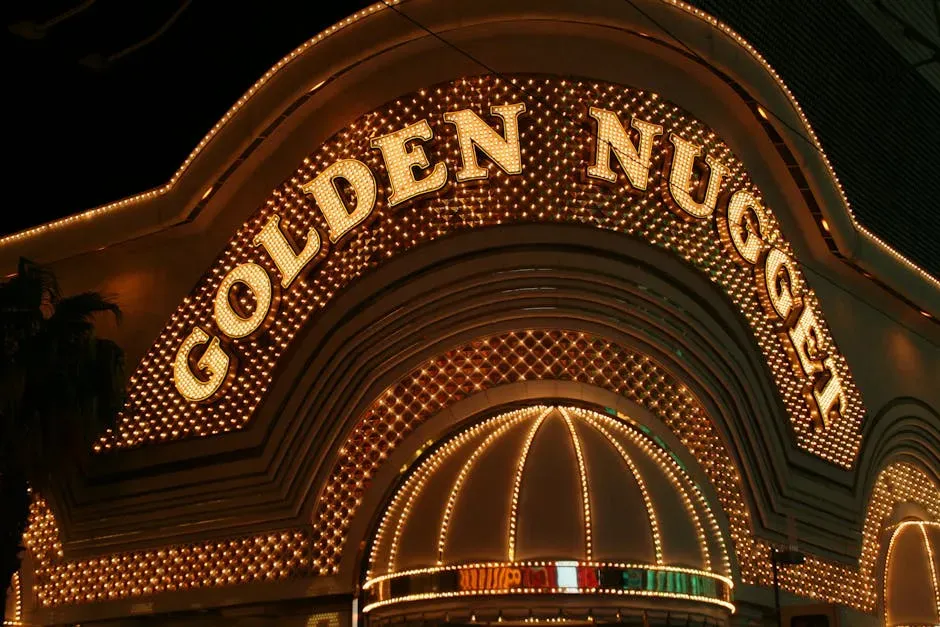
In May 1954, critics argued that the unstable desert soil and high water table of the Las Vegas Valley were incapable of supporting a skyscraper. By April 1955, the Riviera Hotel and Casino opened and proved the skeptics wrong, standing at nine-stories tall, the tallest in Las Vegas until the opening of the Fremont Hotel and Casino in 1956. That’s the kind of audacity this city was built on.
The Riviera featured signage designed by Marge Williams of Federal Sign, who partnered with architect Nikita Zukov to redesign portions of the property. This renovation featured glass wall-mounted signage decorated with glowing blue and white stars. When the Riviera was finally demolished, the Neon Museum moved quickly to secure what it could.
The Neon Boneyard contains more than 250 unrestored signs which are illuminated with ground lighting as well as 28 restored signs which are on all the time. Two of the 28, the Riviera and Fitzgeralds, were received in working condition. That means the Riviera sign arrived already glowing, which is rare. The Riviera Hotel and Casino sign is located directly above the illuminated Stardust Resort and Casino sign inside the main Boneyard, creating one of the most photographed pairings in the entire collection.
What the Restoration Process Actually Looks Like

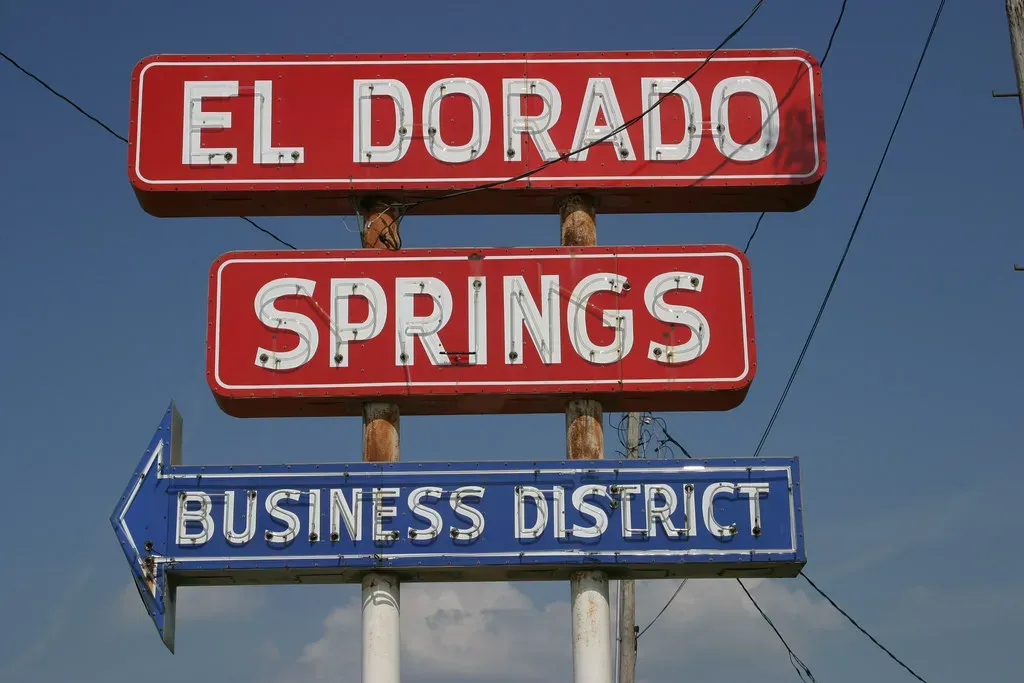
Here’s the thing people do not fully appreciate: getting these signs into the museum is only half the battle. For the El Cortez Hotel and Casino sign, the museum had to move 14 signs to make room. Workers had to dig a hole 12 feet into the ground to create a cement pylon to hold it up so that it would stay in place when Las Vegas winds hit. Every single installation is a full engineering operation.
The restoration process is slow, painstaking and dangerous due to the fact that the glass must be bent using an open flame. Glass bending is an art form that fewer and fewer people practice anymore. Private donors are sought to fund restoration of the signs, the cost of which can range from $10,000 to $100,000, and can take three to six months. A single sign restoration can cost as much as a decent used car, which explains why so many remain unlit.
The 2024 restoration of the Debbie Reynolds sign is a recent example of how this works in practice. The historic 24-foot-long neon sign that adorned the Debbie Reynolds Hollywood Hotel-Casino started its restoration process in 2024, with sign construction company YESCO restoring the iconic sign that they had originally designed decades ago. Community, heritage, and craftsmanship are all wrapped into one single glowing piece of glass.
Las Vegas Boulevard: The Free Outdoor Gallery
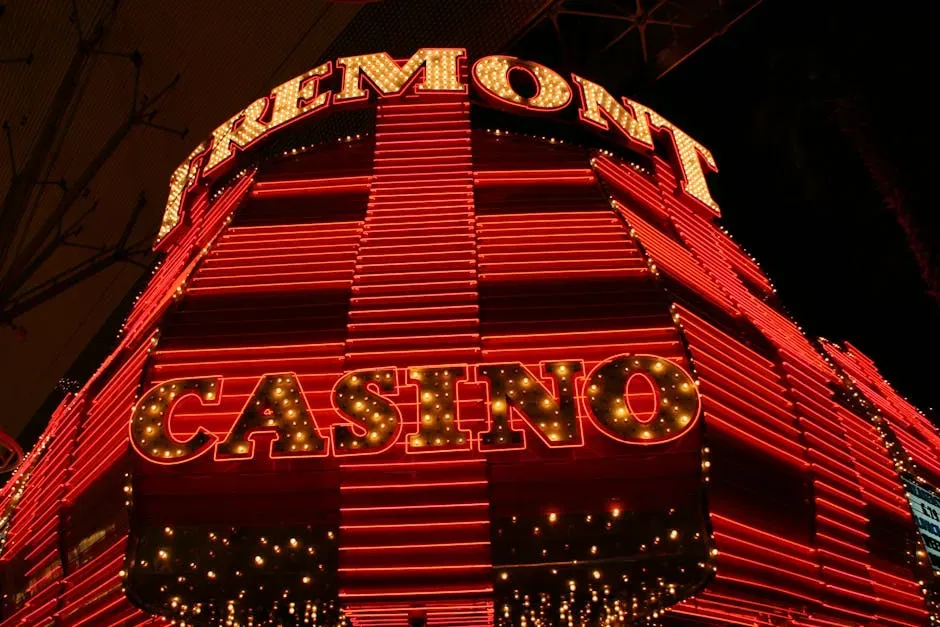
Not every rescued sign ends up locked behind a museum gate. The Neon Signs Project partners the Neon Museum with the City of Las Vegas to install restored signs from the museum’s collection along Las Vegas Boulevard, illuminating downtown Las Vegas. In 2009, the stretch of Las Vegas Boulevard between Sahara Avenue and Washington Avenue was designated a National Scenic Byway, one of only three urban byways in the country.
Along this stretch, you will find nine additional museum signs installed as public art through the heart of downtown Las Vegas. Signs include the Caballero on a Palomino from the Hacienda Hotel, the Silver Slipper, the Bow and Arrow Motel sign, and Binion’s Horseshoe. It is a completely free open-air experience that most tourists never bother to take advantage of.
The signs celebrate the history of vintage Vegas, beautify a world-famous roadway and create a neon trail to The Neon Museum. Think of it as the appetizer before the main course. Walking this stretch at night, with restored neon buzzing above you on either side, is one of those experiences that genuinely feels like stepping into a different decade.
The “Brilliant!” Show: Bringing Unrestored Signs Back to Life
Even signs too fragile or expensive to physically restore get their moment in the spotlight. In 2018, the museum debuted a 30-minute show by artist Craig Winslow titled Brilliant! It uses projection mapping to reanimate the unlit signs in the North Gallery, set to vintage and contemporary music. The technology is genuinely impressive, almost shockingly so for something housed in what is essentially an outdoor lot.
This magical audiovisual immersion experience reanimates 40 monumental examples of the Neon Museum’s iconic vintage signs and transports visitors into the history of Las Vegas through sight and sound. “Brilliant!,” created by artist Craig Winslow, is the largest augmented reality experience of its kind.
The show was upgraded in 2021 with a name change to Brilliant! Jackpot, reflecting the randomization of the show being presented. I think this is genuinely one of the most underrated experiences in all of Las Vegas. You are watching ghosts light up in real time, which sounds dramatic but is honestly the most accurate description possible.
Planning Your Visit: What You Need to Know

The museum receives roughly 200,000 visitors annually and often sells out. Reserve your guided or self-guided tour online ahead of time to avoid disappointment, especially during peak tourist seasons. Turning up on the day without a booking is genuinely risky, especially on weekends.
Only a small portion of the museum’s collection is on display at the Neon Boneyard. More than 500 pieces sit in storage because there is no space to put them up. So what you see, as impressive as it already is, is still just a fraction of what exists. The museum also needs more room for the quarter-of-a-million people who pass through its glowing doors each year, and two larger sites in the Arts District are currently under consideration.
Going at dusk is especially rewarding, when the fading sunlight catches the dusty pinks and teals of vintage lettering in a way that no camera can fully capture. The museum is located at 770 N. Las Vegas Boulevard, just north of downtown. Each sign in the Neon Museum’s collection offers a unique story about the personalities who created it, what inspired it, where and when it was made, and the role it played in Las Vegas’ distinctive history. The collection chronicles changes and trends in sign design and technology through pieces ranging from the 1930s to the present day. There is something here for almost everyone, whether you care about design, history, architecture, or just genuinely cool things to look at.
Conclusion: The Signs That Refused to Disappear

Las Vegas is not exactly famous for preserving the past. It is a city that has made an industry out of blowing things up and starting over. As the Neon Museum’s executive director Aaron Berger put it: most cities save the building. In Las Vegas, they implode them and have a party out of it. But they save the signs. The signs are actually how Las Vegas has been able to do historic preservation.
That framing changes how you look at the whole Boneyard. These are not relics of failure. They are the actual historical record of a city that demolished its own past so thoroughly that the signs became the only witnesses left. Dedicated individuals from the private sector, as well as corporate and government entities, worked collaboratively to promote the preservation of these national treasures as significant pieces of artistic and historical importance.
Five signs. Five stories. And hundreds more still waiting in storage for someone to donate the funds to bring them back to life. What would you save if you had the chance?
Partner offer
Planning a trip to Vegas?
Compare hotel rates and show tickets on VEGAS.com.