Food waste is a crisis we can no longer ignore. Every year, roughly a third of all food produced for human consumption ends up wasted, totaling over a billion tons globally according to recent reports. That’s not just edible meals tossed into landfills – it’s also greenhouse gas emissions, water waste, and an ethical dilemma when millions go hungry.
Here’s the thing, though: innovation is catching up. From transforming surplus ingredients into gourmet snacks to packaging you can literally eat, zero-waste food solutions are moving from niche concepts to mainstream must-haves. Experts agree that some of these breakthroughs aren’t just clever – they’re genuinely game-changing.
1. Upcycled Food Products Turning Waste into Profit
The upcycled food products market is expected to reach USD 120.2 billion by 2034, growing at a CAGR of 6.9% from 2024 onward. This isn’t surprising when you consider what upcycled food actually is: perfectly good ingredients that otherwise wouldn’t reach your plate. Think spent grains from beer brewing transformed into protein-packed snack bars or fruit pulp leftover from juice production reborn as nutritious powders.
A third-party food verification firm in the U.S. reported that 568 end products were upcycled certified in 2024, reflecting a 17% increase over 2023. Brands aren’t just slapping a sustainability label on these products – they’re innovating with flavor and nutrition. U.S. snack products that are Upcycled Certified experienced a 566.3% growth in units sold from 2021 to 2023, with dollar sales jumping from $1.7 million to $11.6 million.
Let’s be real: consumers are hungry for these options. 62% of consumers are willing to pay more for a product that fights food waste. Whether it’s SuperGrain English Muffins made from beer-brewing byproducts or plantain scoops crafted with the peel, upcycling proves that one company’s waste can become another’s treasure.
2. Compostable Packaging That Actually Decomposes
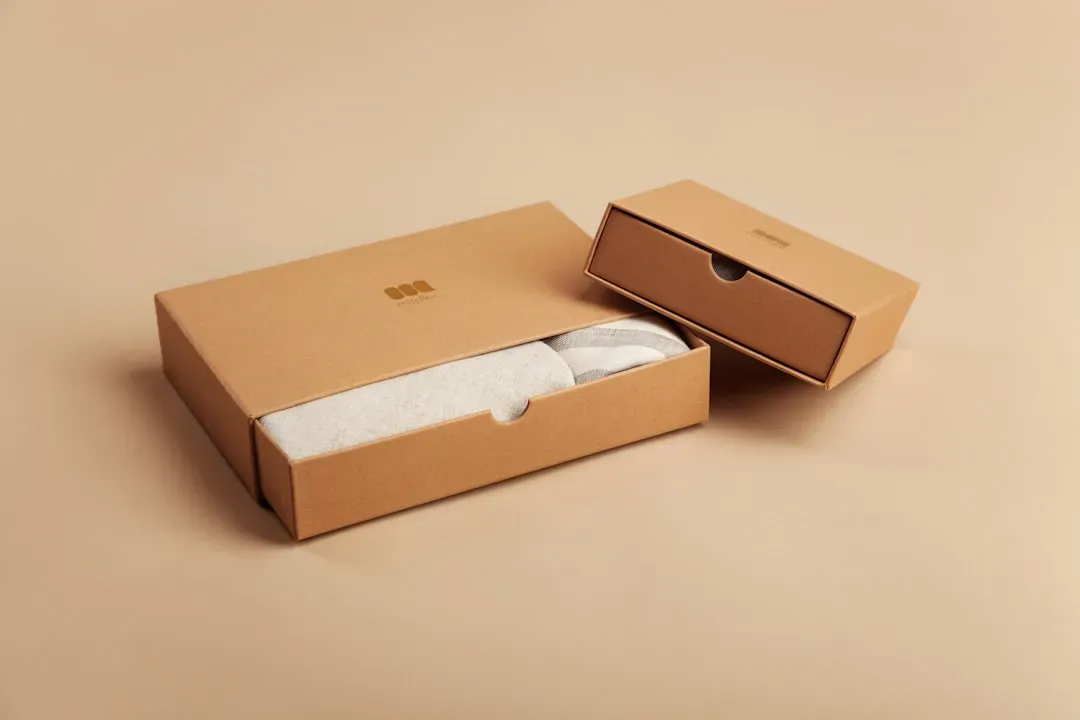
Plastic packaging has been the food industry’s crutch for decades, yet it’s also one of the planet’s biggest headaches. Enter compostable packaging – materials that break down naturally without leaving toxic residue behind.
Edible packaging made from seaweed, rice, and other natural substances is gaining traction, offering a zero-waste alternative that dissolves in water or can be safely consumed along with the food product. Recent innovations go beyond just being biodegradable. In 2025, edible packaging is making its big break, especially in single-serve and fast-food segments, with seaweed-based wrappers, edible spoons, and protein-packed films.
But there’s more happening behind the scenes. Sealed Air launched its CRYOVAC brand compostable overwrap tray at the 2024 International Product and Processing Expo, marking a major step forward in sustainable packaging for protein products. Meanwhile, material innovation is accelerating at pace. The industry is transitioning from petroleum-based materials to biodegradable, compostable, and recyclable solutions such as molded fiber, paperboard, PLA bioplastics, and emerging materials like seaweed or mycelium. For anyone ordering takeout or buying groceries, this shift means less guilt and more genuine environmental impact.
3. AI-Powered Waste Tracking for Commercial Kitchens
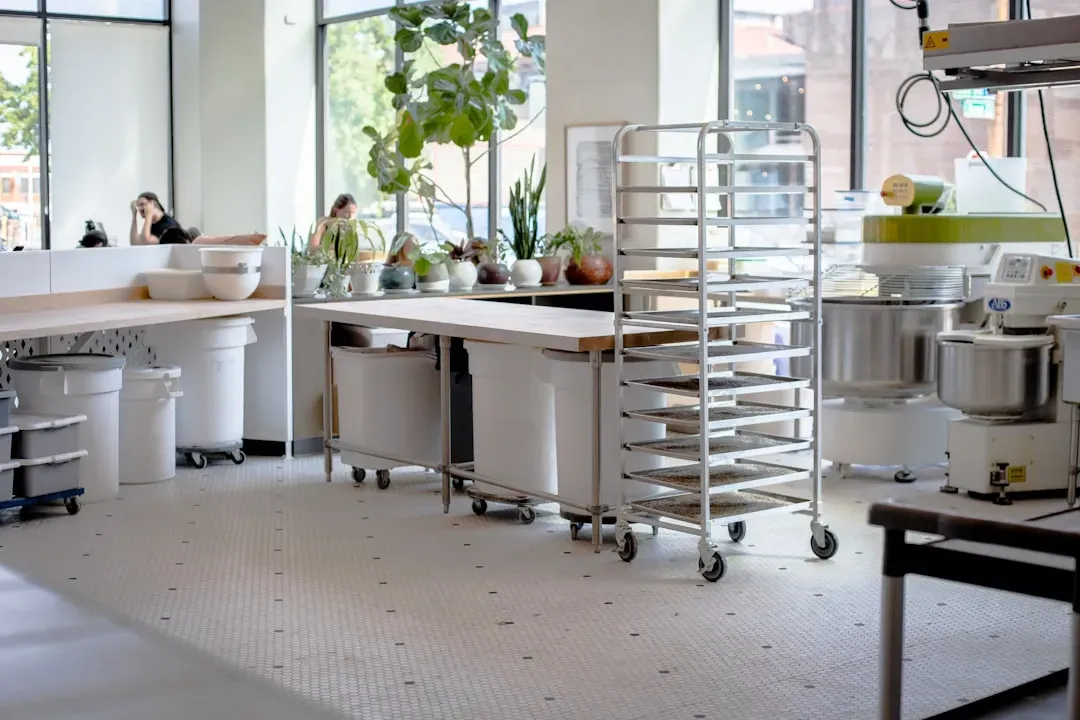
Restaurants and food service operations are notorious waste generators. Here’s where artificial intelligence steps in, not just as a buzzword but as a practical tool that changes behavior.
KITRO uses AI-driven SaaS solutions that help the food service industry automate food waste management, allowing customers to save 2-8% of their annual food costs and reduce avoidable food waste by at least 20%. These systems use computer vision and machine learning to identify what’s being thrown away, when, and why. Over time, patterns emerge – maybe Tuesday’s special is consistently overproduced, or certain ingredients spoil before use.
Shelf Engine’s technology uses point of sale data along with real-world considerations such as school schedules, local events, holidays, and weather to help businesses minimize waste. The platform is so confident in its predictions that it promises to buy back what retailers cannot sell. This isn’t just smart – it’s proof that technology can align profit with planet. Commercial kitchens that adopt these tools don’t just reduce waste; they become more efficient, more profitable, and more responsible.
4. Solar Drying Technology for Surplus Crops

Sometimes the best innovations borrow wisdom from the past and pair it with modern science. In rural India, solar drying technology is being used to preserve surplus crops, echoing age-old sun-drying techniques. This approach prevents food loss at the source – before crops even reach consumers.
Solar dehydration extends the shelf life of fruits, vegetables, and other produce without requiring expensive infrastructure or fossil fuel energy. It’s especially valuable in regions with unreliable electricity or limited cold storage. The beauty of this solution is its simplicity and scalability. Small farmers can adopt it without massive capital investment, yet it delivers measurable results by preventing tons of edible food from rotting in fields or markets.
Such innovations provide a modern-day opportunity to bridge traditional wisdom with contemporary solutions. Honestly, it’s hard to say for sure whether every region can replicate this model, but in areas blessed with sunshine and agricultural surplus, it’s a no-brainer.
5. Plant-Based Packaging Materials from Agricultural Waste
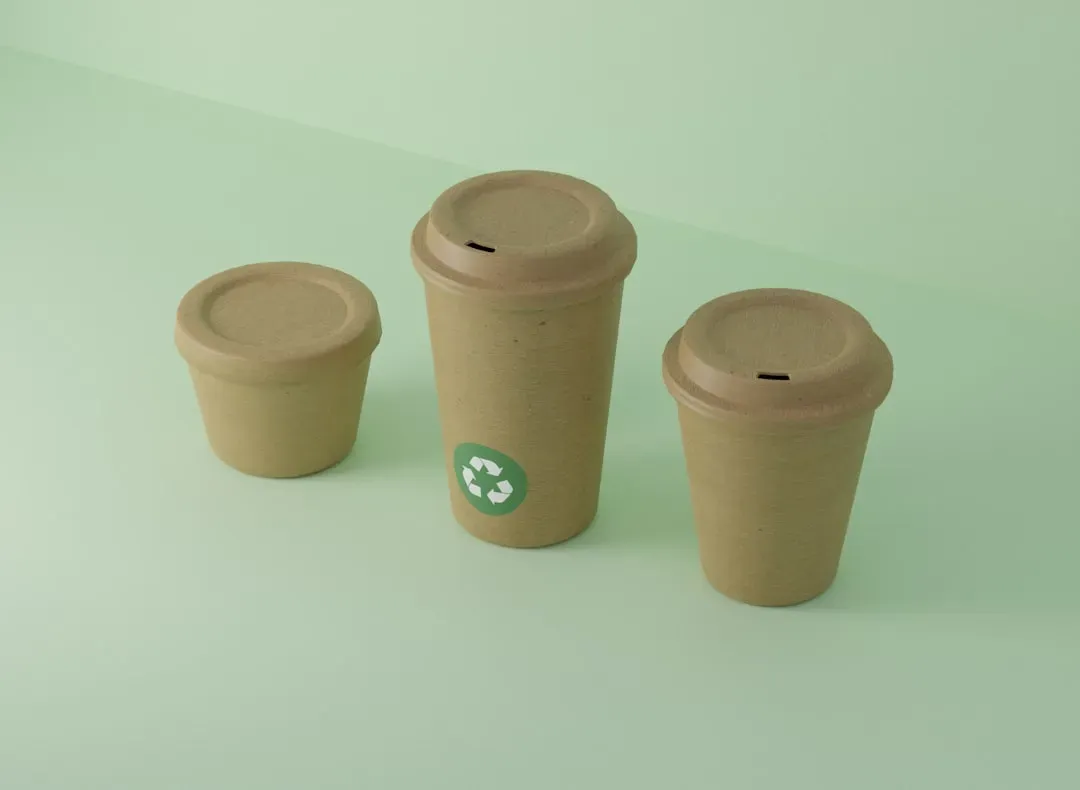
Seaweed-based films and containers break down within 4-6 weeks in home compost systems, offering a natural alternative to conventional plastic. Meanwhile, mushroom packaging is emerging as another frontrunner. Mushroom packaging, made from agricultural waste and mycelium, provides sturdy protection for dry food products and decomposes in 45 days.
These aren’t just experimental prototypes. Notpla secured £20 million in Series A funding to scale its seaweed-based packaging solutions, mainly targeting the North American market, aiming to replace over 100 million single-use plastics annually within the next two years. The materials are grease-resistant, moisture-proof, and temperature-resistant – all the qualities traditional plastic offers, without the environmental hangover.
Food startups now use banana leaves, corn starch, and cassava root to create single-use containers that require 65% less energy to produce compared to plastic alternatives and decompose fully within 180 days. If you’re someone who cares about what happens after you toss that takeout box, this innovation is worth celebrating. It’s genuinely making disposable packaging less disposable.
6. Root-to-Flower and Nose-to-Tail Culinary Movements
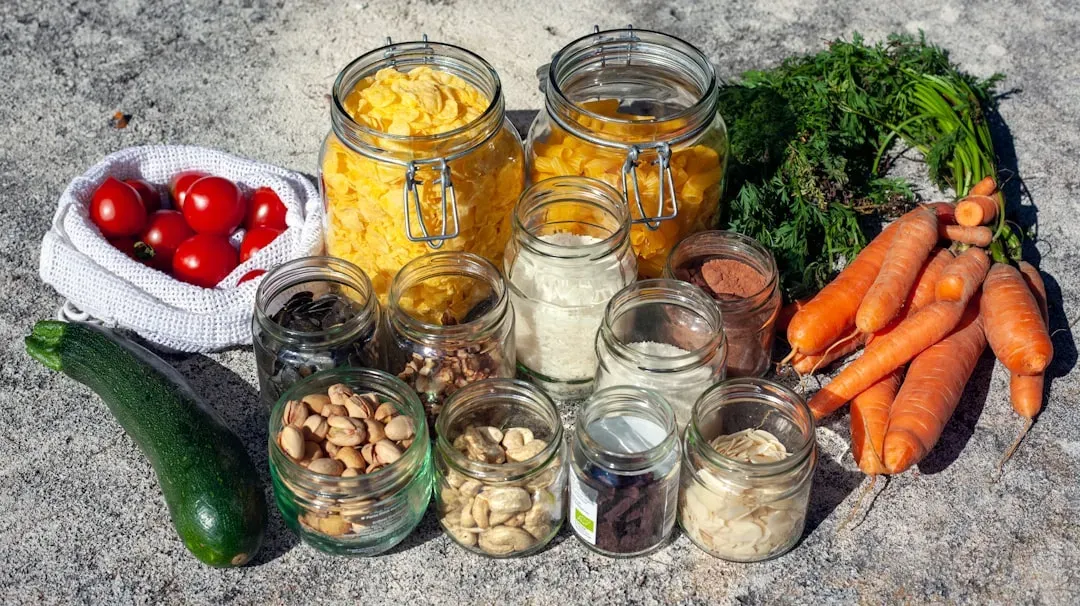
Zero-waste cooking isn’t just for home kitchens anymore – it’s infiltrating high-end restaurants and redefining culinary creativity. Using orange peels to flavor drinks or employing a closed-loop system, such as “nose-to-tail” or “root-to-flower” approaches, minimizes waste while maximizing ingredient usage.
Zero-waste cooking takes culinary upcycling to the next level by ensuring every part of an ingredient is used, from root-to-stem cooking to creating stocks from leftover bones, maximizing resources and minimizing waste. Chefs are transforming carrot tops into pesto, broccoli stems into slaws, and fish bones into flavorful broths. The trend goes beyond sustainability – it’s also about rediscovering flavors that were hiding in plain sight.
As one of the first zero-waste restaurants in the world, Silo in the British coastal town of Brighton has been focusing exclusively on seasonal products and local producers since 2014. This movement challenges the notion that waste is inevitable. Instead, it proves that with creativity and intention, virtually every edible part of an ingredient can find a place on the plate.