Music history loves a good comeback story. Some of the most beloved albums today were initially met with confusion, harsh criticism, or outright hostility. Critics panned them. Fans rejected them. Radio stations wouldn’t touch them. Yet somehow, these records survived their rocky debuts to become cultural touchstones that shaped entire genres.
It’s fascinating how time can completely flip our perception of art. What sounded too experimental or weird at release now sounds innovative and ahead of its time. The albums that follow all share this wild journey from flop to masterpiece. Let’s dive in.
1. The Velvet Underground & Nico – The Velvet Underground & Nico (1967)

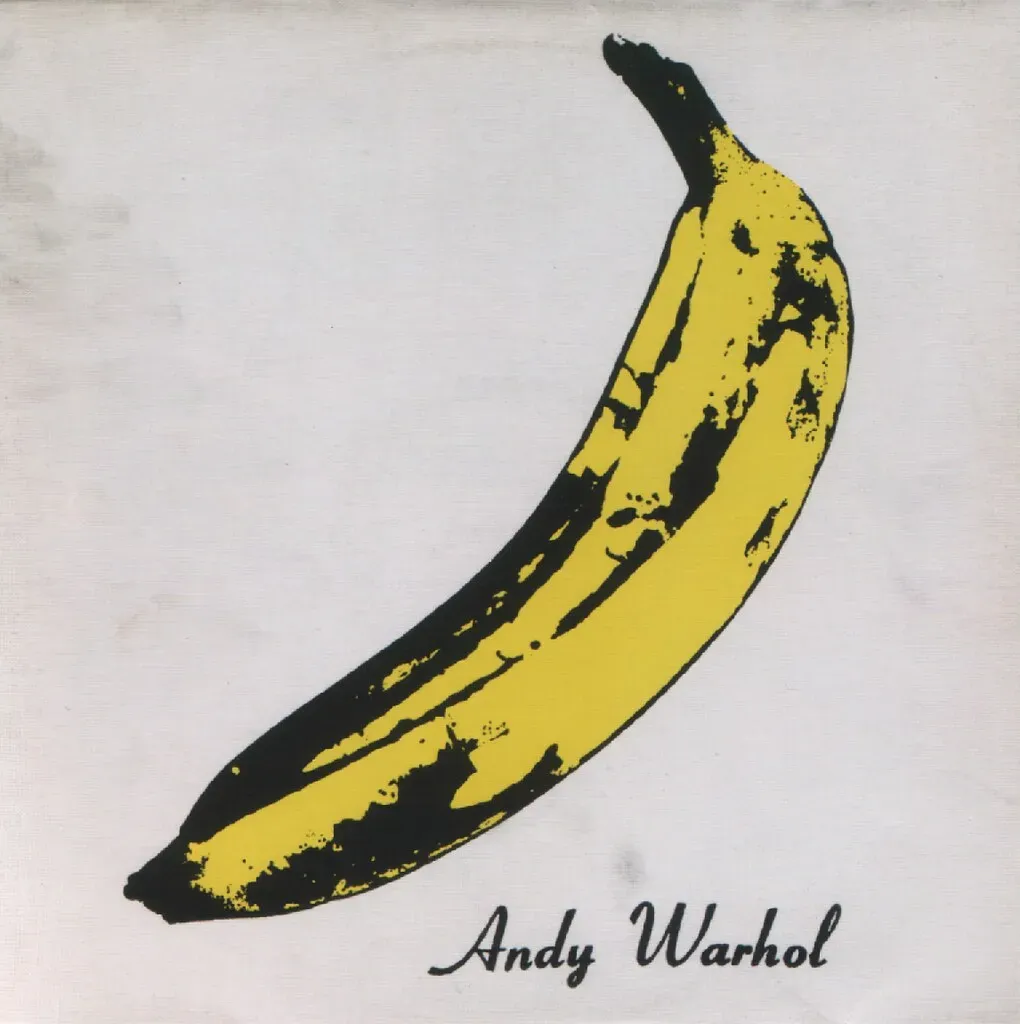
When this album dropped, most people had no idea what to make of it. The dark themes, Lou Reed’s deadpan vocals, and Andy Warhol’s bizarre banana cover art confused both critics and listeners. Radio stations refused to play it. Sales were abysmal in its first year.
Music journalist Lester Bangs later said the album sold only about thirty thousand copies in its first five years, but everyone who bought it started a band. That’s not far from the truth. The record’s raw sound and unflinching lyrics about drugs, prostitution, and urban alienation laid the groundwork for punk rock.
Today it sits on virtually every “greatest albums of all time” list. Its influence on alternative music cannot be overstated. David Bowie, Patti Smith, Joy Division, and countless others cite it as essential inspiration. The critics who dismissed it as noise and depravity couldn’t have been more wrong about its lasting impact.
2. Pet Sounds – The Beach Boys (1966)


Brian Wilson poured his heart into this orchestral pop masterpiece, and the initial response was lukewarm at best. Fans expected more surf rock and summer anthems. Instead they got complex arrangements with theremin, harpsichord, and unconventional song structures.
Capitol Records executives were baffled. Mike Love from the band itself criticized the direction. American charts showed modest success, nothing like their previous hits. The album peaked at number ten but quickly faded from view.
Then something shifted. Musicians recognized its brilliance almost immediately. Paul McCartney called it the greatest album ever made and credited it as major inspiration for Sgt. Pepper’s. Over decades, its reputation grew exponentially until it became recognized as one of the most innovative pop records in history. The lush production and emotional depth that confused 1966 audiences now define what makes it timeless.
3. In Utero – Nirvana (1993)

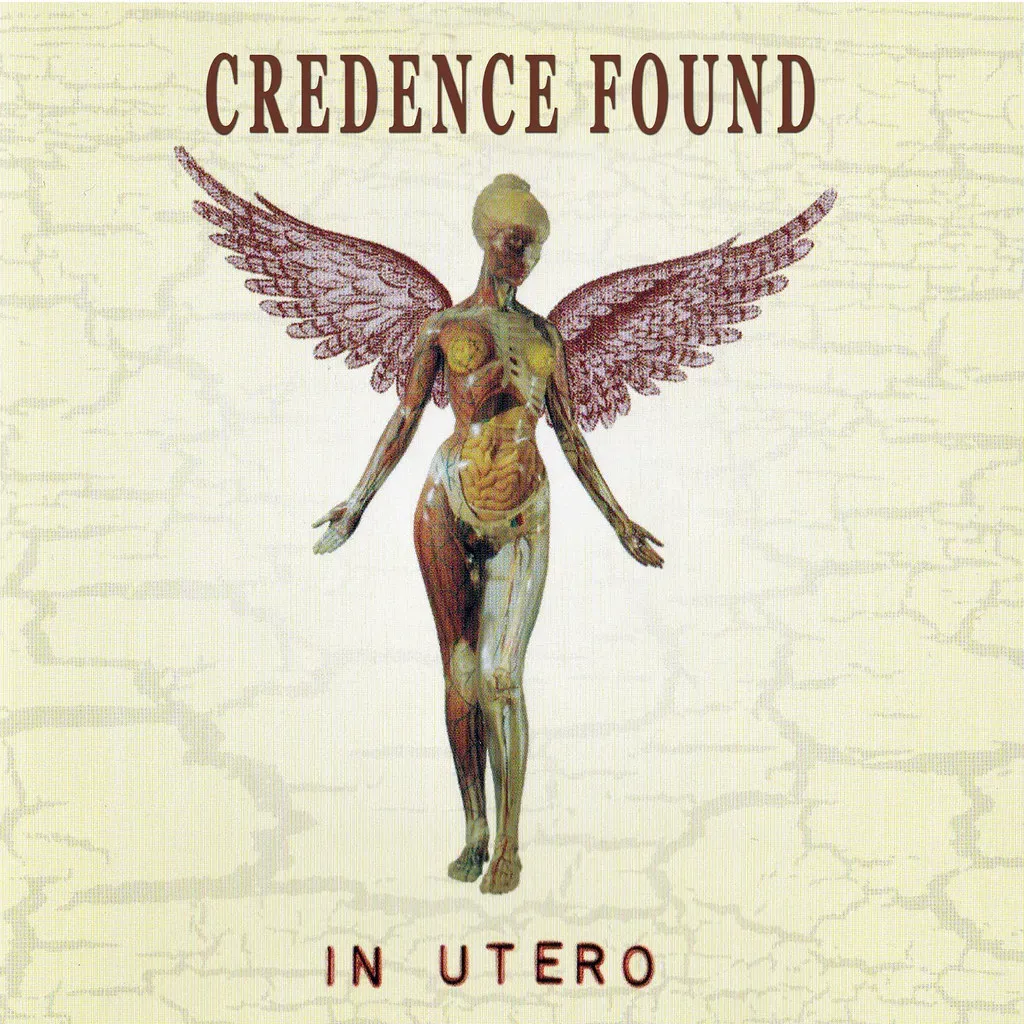
Following the massive commercial success of Nevermind, Nirvana deliberately made their next album more abrasive and raw. Producer Steve Albini captured a harsh, unpolished sound that horrified their record label. Initial reviews were mixed to negative.
Many critics felt it was too inaccessible, too angry, too deliberately anti-commercial. Some accused Kurt Cobain of sabotaging his own career. The production quality was called muddy and amateurish. Radio-friendly it was not.
Yet In Utero became Nirvana’s artistic statement, their refusal to compromise. It topped the charts despite its rough edges. Years later, critics reassessed it as perhaps their most honest and powerful work. The rawness they criticized is now seen as integral to its authenticity. It captured a band at their most vulnerable and defiant, which is exactly what makes it essential listening.
4. Kid A – Radiohead (2000)
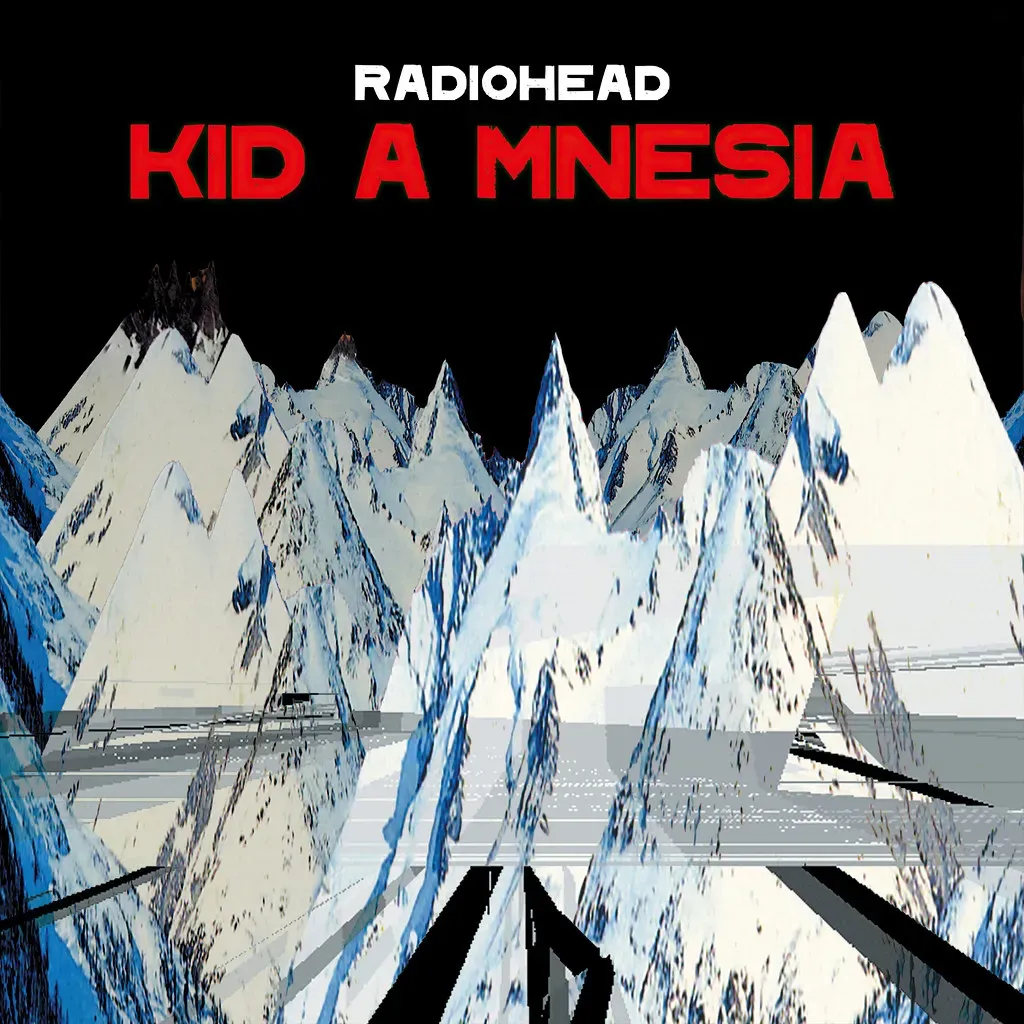
After OK Computer made them rock gods, Radiohead shocked everyone by releasing an album with almost no guitars. Electronic beats, ambient textures, cryptic lyrics, and Thom Yorke’s processed vocals dominated Kid A. Longtime fans felt betrayed.
Early reviews ranged from confused to hostile. Rolling Stone gave it three stars. Critics called it cold, pretentious, and deliberately difficult. Where were the songs? Where were the hooks? Many felt the band had disappeared up their own pretentiousness.
Within a few years, the narrative completely changed. Kid A is now widely considered one of the most important albums of the 2000s. Its exploration of electronic music and anxiety in the digital age proved prophetic. What sounded alienating in 2000 now sounds like the blueprint for modern alternative music. The band’s willingness to completely reinvent themselves became the album’s greatest strength.
5. Trout Mask Replica – Captain Beefheart & His Magic Band (1969)

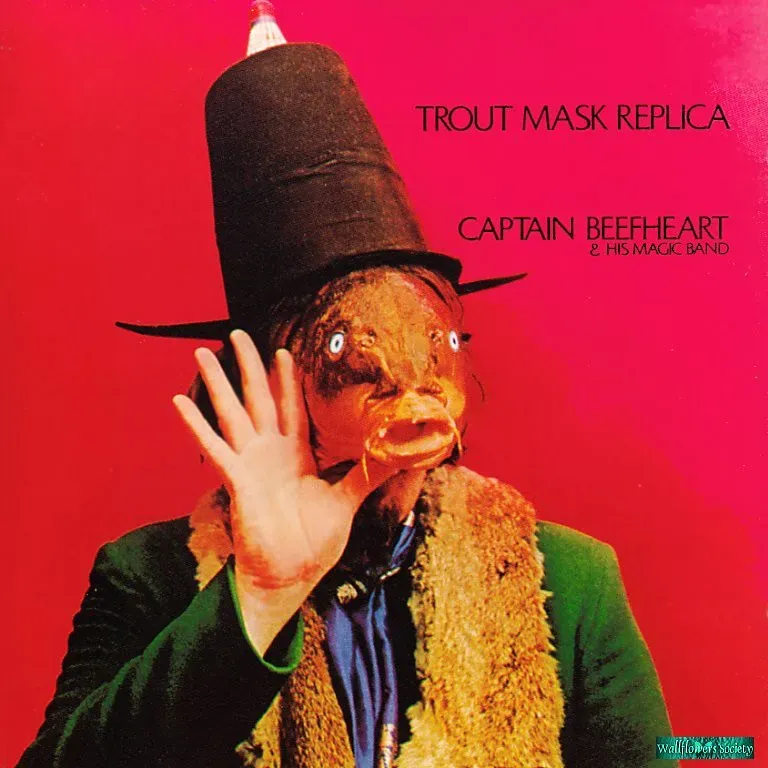
This might be the most divisive album ever made. When it came out, most people thought it was unlistenable garbage. The atonal melodies, bizarre time signatures, and seemingly random structure made it sound like chaos. Critics were brutal in their assessments.
Frank Zappa produced it, which should have been a clue that normal rules didn’t apply. Captain Beefheart rehearsed his band for eight months in a house with little food and constant pressure. The result was either genius or madness, depending on who you asked. Initial sales were terrible.
Decades later, musicians and critics recognize it as a groundbreaking avant-garde masterpiece. Its influence on experimental rock, punk, and alternative music runs deep. Artists from Tom Waits to The White Stripes to Kurt Cobain praised its fearless originality. The very qualities that made it seem insane in 1969 now make it visionary. Still not easy listening, though.
6. Aja – Steely Dan (1977)


Steely Dan spent a fortune making this meticulously crafted jazz-rock fusion album. When it arrived, rock critics attacked it as overly polished, sterile, and pretentious. The jazz influences alienated rock fans. Rock elements bothered jazz purists. Nobody seemed happy.
Some reviewers called it soulless perfectionism, more interested in studio technique than genuine emotion. The complex chord progressions and literary lyrics struck many as showing off. Rolling Stone’s review was notably dismissive of its artistic ambitions.
Time proved incredibly kind to Aja. It’s now recognized as one of the finest produced albums in popular music history. The musicianship is staggering. Those complex arrangements reveal new details with every listen. What critics heard as cold precision is now appreciated as masterful craftsmanship. The album won multiple Grammys and continues to influence musicians across genres who value technical excellence and sophisticated songwriting.
Conclusion


These six albums prove that initial rejection doesn’t determine artistic value. Sometimes audiences need time to catch up with an artist’s vision. What sounds too weird or different today might be revolutionary tomorrow. The best art often challenges us before it rewards us.
Each of these records took risks that paid off in the long run, even if the journey was rocky. Their creators trusted their instincts over commercial pressure or critical approval. That courage is part of what makes them masterpieces. Which album on this list surprised you the most? Tell us in the comments.