


Losing a single actor partway through filming is common enough that audiences barely notice anymore. Faces get swapped, scenes get reshot, and most viewers never learn the difference between the original casting and the version that made it to the screen. What is far rarer, and far more dramatic, is a director deciding that almost nobody in front of the camera is right for the film. These are the productions where the overhaul went beyond one actor or one role, reshaping the entire ensemble while cameras were already rolling.
Peter Sohn and the voice cast of The Good Dinosaur

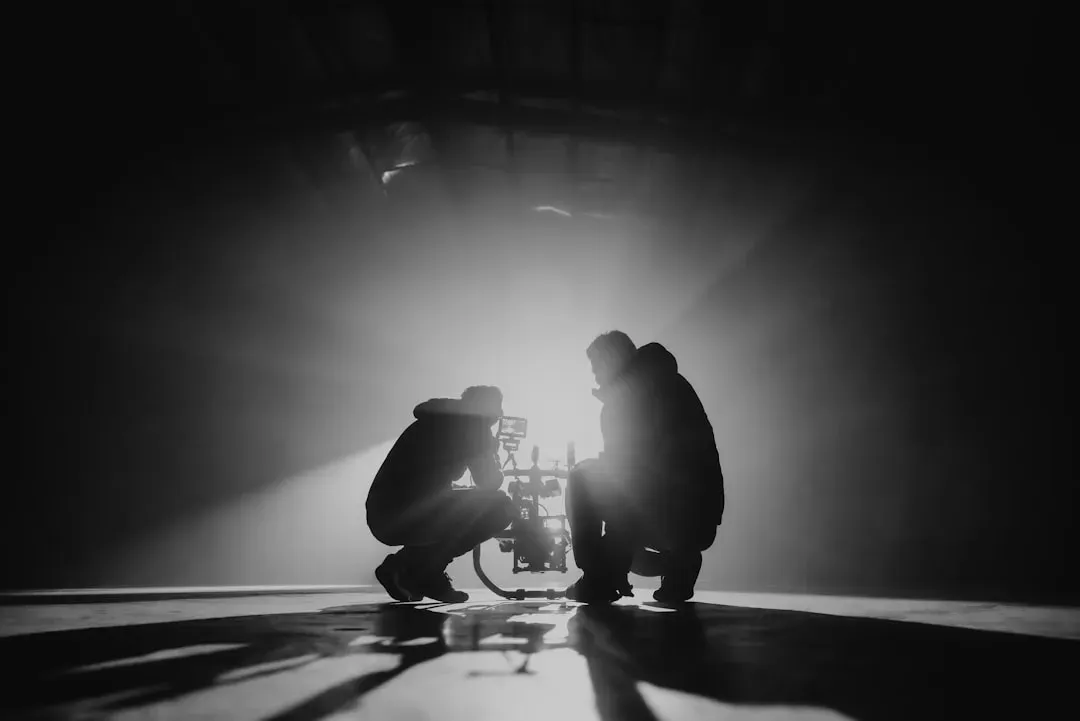
Pixar’s The Good Dinosaur began under director Bob Peterson with a starry lineup that included John Lithgow, Bill Hader, Neil Patrick Harris, and Judy Greer. The film had gone through a creative crisis at Pixar that saw previous director Bob Peterson removed, later replaced by current director Peter Sohn. Once Sohn took over, the story itself was pulled apart and rebuilt from the ground up.
The script overhaul turned out to be so extensive that Sohn concluded the original performances no longer matched the film he was making. Pixar had previously replaced individual voice actors before, but this marked the first time the studio cast an entire film, recorded dialogue, and then replaced the vast majority of the cast. Frances McDormand was the only voice cast member who remained from the original group, portraying Momma, while John Lithgow was among those replaced. The new lineup, including Jeffrey Wright, Sam Elliott, and Anna Paquin, is the version that reached theaters in 2015.
Werner Herzog and the leads of Fitzcarraldo

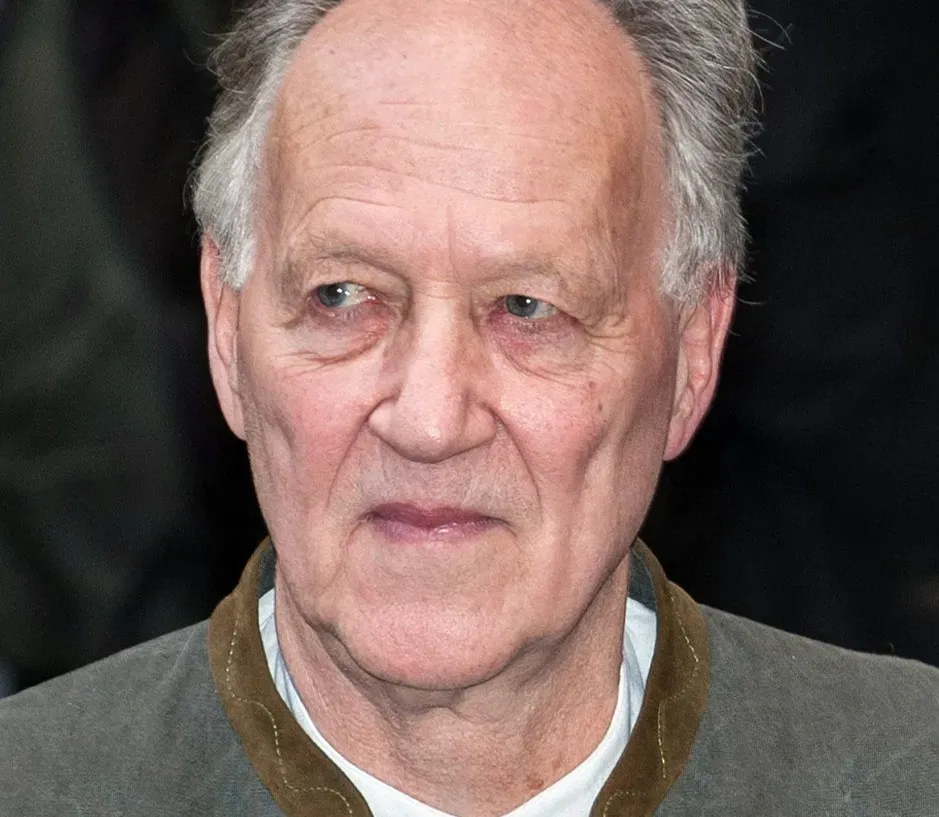
Werner Herzog’s jungle epic Fitzcarraldo was already a logistical nightmare before its casting fell apart. Jason Robards, originally cast in the title role, became ill with dysentery during early filming and, after leaving for treatment, was forbidden by his doctors to return. Herzog briefly weighed casting Jack Nicholson, or even stepping into the role himself, before settling on his frequent and famously difficult collaborator Klaus Kinski.
The problem was that a great deal of footage already existed with a different lead in the frame. By that point forty percent of the shooting with Robards was complete, and for continuity Herzog was forced to begin a total reshoot with Kinski. Mick Jagger, cast as the assistant Wilbur, could not stay on either once the delays ran into his touring schedule with the Rolling Stones. Herzog dropped Jagger’s character from the script altogether and reshot the film from the beginning.
Joseph L. Mankiewicz and the leads of Cleopatra

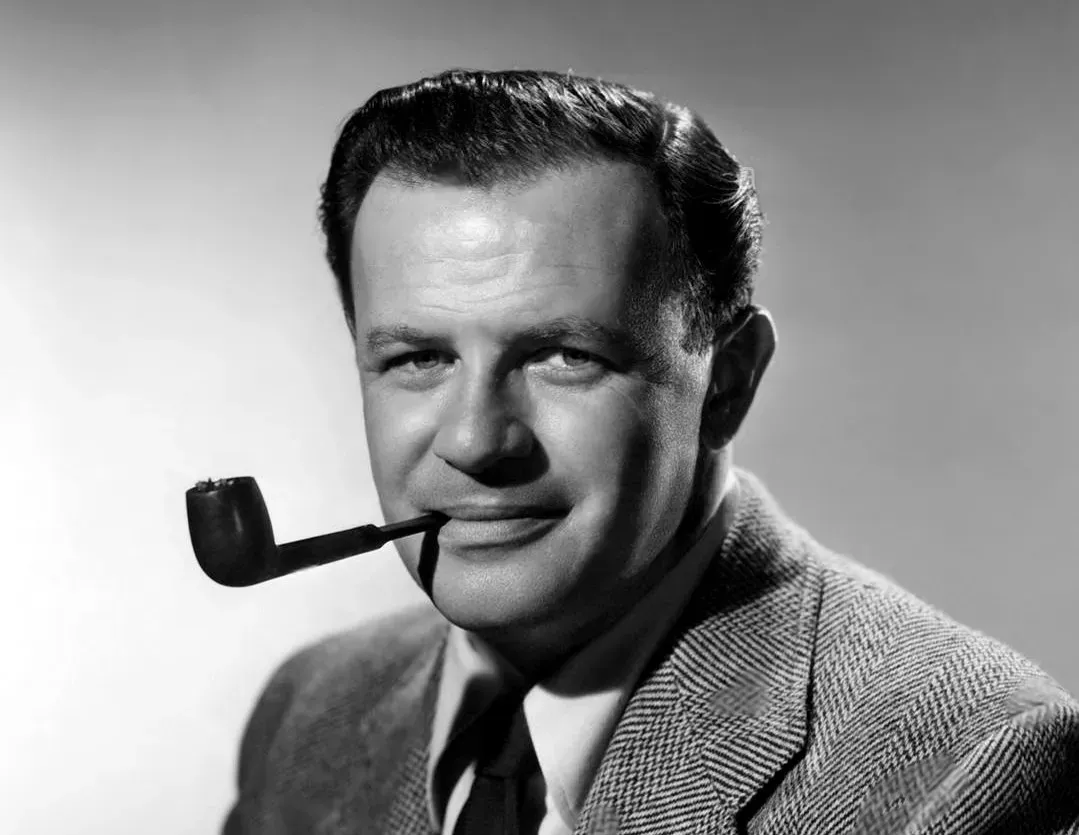
Cleopatra remains one of the most notoriously troubled productions in Hollywood history, and its casting problems were tangled up with a change in the director’s chair. Rouben Mamoulian had spent well over a year on the project before he was let go, and Joseph L. Mankiewicz stepped in to take over a picture that had already spent enormous sums with very little usable footage to show for it. Elizabeth Taylor’s near fatal illness had stalled the shoot so badly that months turned into more than a year of delays.
That kind of delay proved fatal for two of the film’s leading men. Peter Finch, originally cast as Julius Caesar, and Stephen Boyd, originally cast as Mark Antony, both had other commitments waiting for them and could not remain attached once the schedule collapsed. Mankiewicz brought in Rex Harrison and Richard Burton instead, reshaping two of the three central performances around a production that had effectively started over.
Tommy Wiseau and the shifting cast of The Room

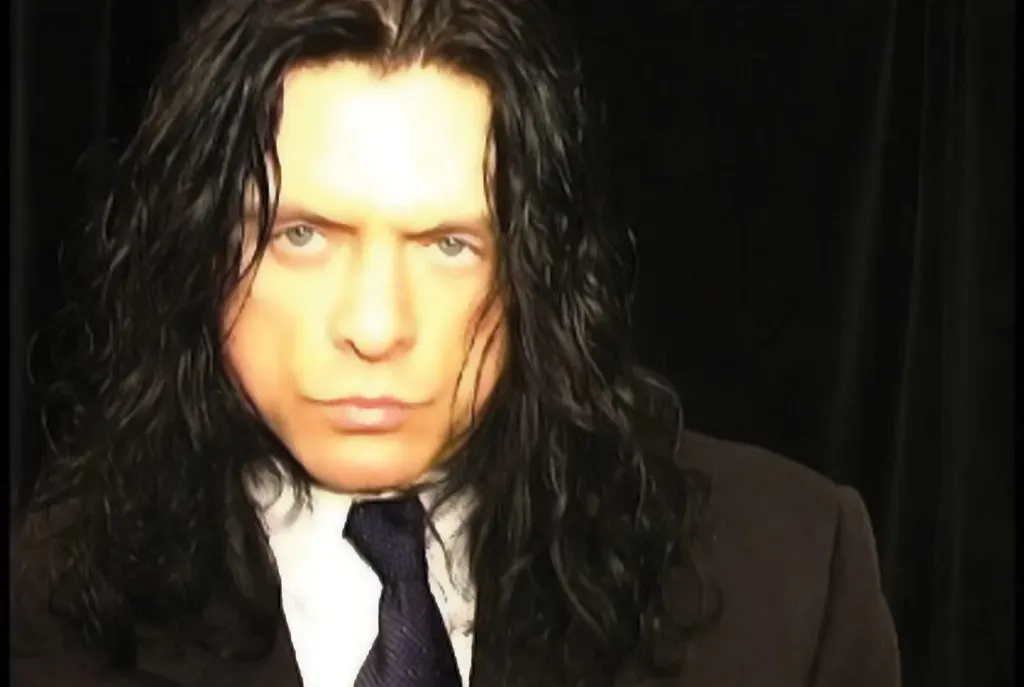
The Room has become one of the most talked about cult films of the last two decades, largely because of how chaotic its production reportedly was behind the scenes. Tommy Wiseau, who wrote, directed, produced, and starred in the film, developed a reputation on set for dismissing actors and crew members over disagreements both large and small. Several supporting performers cycled in and out of the production over its unusually long shoot for a film of its size and budget.
Accounts from cast members, later collected in Greg Sestero’s memoir The Disaster Artist and the film adaptation it inspired, describe a set where roles were recast and crew positions changed hands with striking frequency. The turnover became such a defining feature of the shoot that it is now one of the most discussed elements of the film’s strange legacy. Wiseau himself, along with lead actors Sestero and Juliette Danielle, remained constants through a production that otherwise saw remarkable churn around them.
Fred Niblo and the recast of Ben Hur

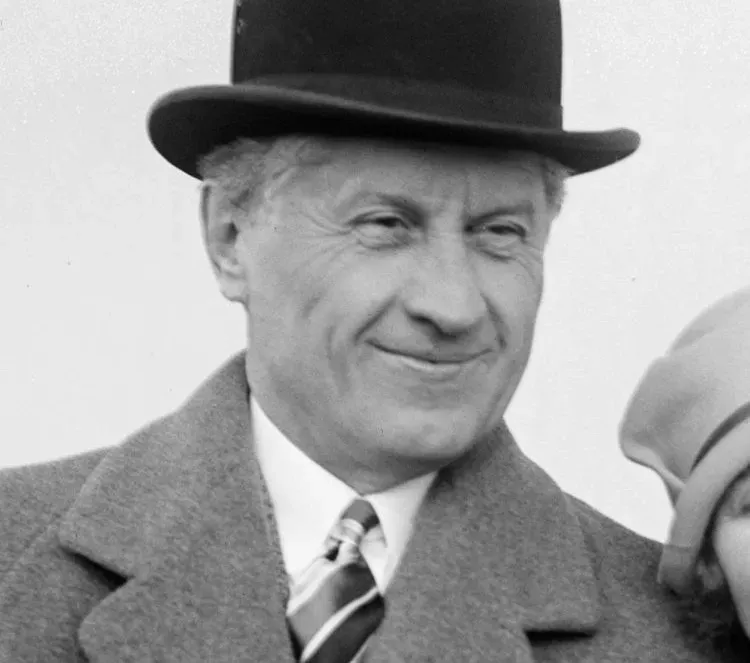
Long before modern reshoots became routine, the 1925 silent epic Ben Hur endured one of the earliest large scale casting overhauls in film history. The production began in Italy under director Charles Brabin, with George Walsh cast in the title role, but the shoot spiraled into delays, cost overruns, and safety concerns that alarmed studio executives back in Hollywood. MGM eventually stepped in, pulling the production back to California and installing Fred Niblo as the new director.
Niblo’s arrival brought sweeping changes to the picture beyond the director’s chair. Walsh was replaced in the title role by Ramon Novarro, and several other roles were reworked as the production essentially rebuilt itself for a second attempt at the same story. The finished film went on to become one of the defining spectacles of the silent era, though its path there involved starting much of the cast over from scratch.
Terry Gilliam and the decades long recast of Don Quixote

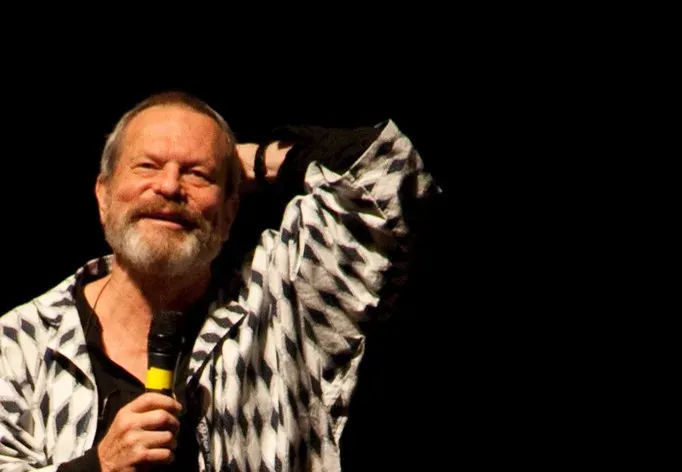
Few productions illustrate a full cast overhaul quite like Terry Gilliam’s The Man Who Killed Don Quixote. Gilliam’s first attempt to make the film began in 2000 with Jean Rochefort as the aging knight and Johnny Depp in the modern day role, a shoot chronicled in the documentary Lost in La Mancha. That production collapsed within days after flash flooding damaged equipment and Rochefort suffered a severe back injury that made it impossible for him to continue riding a horse for the role.
The film sat unmade for years as financing and rights disputes dragged on, but Gilliam never fully let go of the project. When he finally completed it in 2018, the cast bore almost no resemblance to the one he had started with, led instead by Jonathan Pryce as Quixote and Adam Driver in the contemporary lead. It stands as one of the longest gaps ever between a director’s first and final cast for the same film, spanning roughly eighteen years and an entirely different set of actors.


