Every so often, a song gets a second life that nobody saw coming. A track that started out quiet, maybe even overlooked, suddenly finds its true voice once another singer steps into the frame. The strange part is how often that second version, the duet, ends up outselling, outcharting, and simply outlasting the one that came before it. That pattern shows up more than you might expect across pop history, from soft rock ballads to modern streaming era hits. Below are six songs where the duet take did not just complement the solo original. It quietly took over.
Say Something: A Great Big World with Christina Aguilera

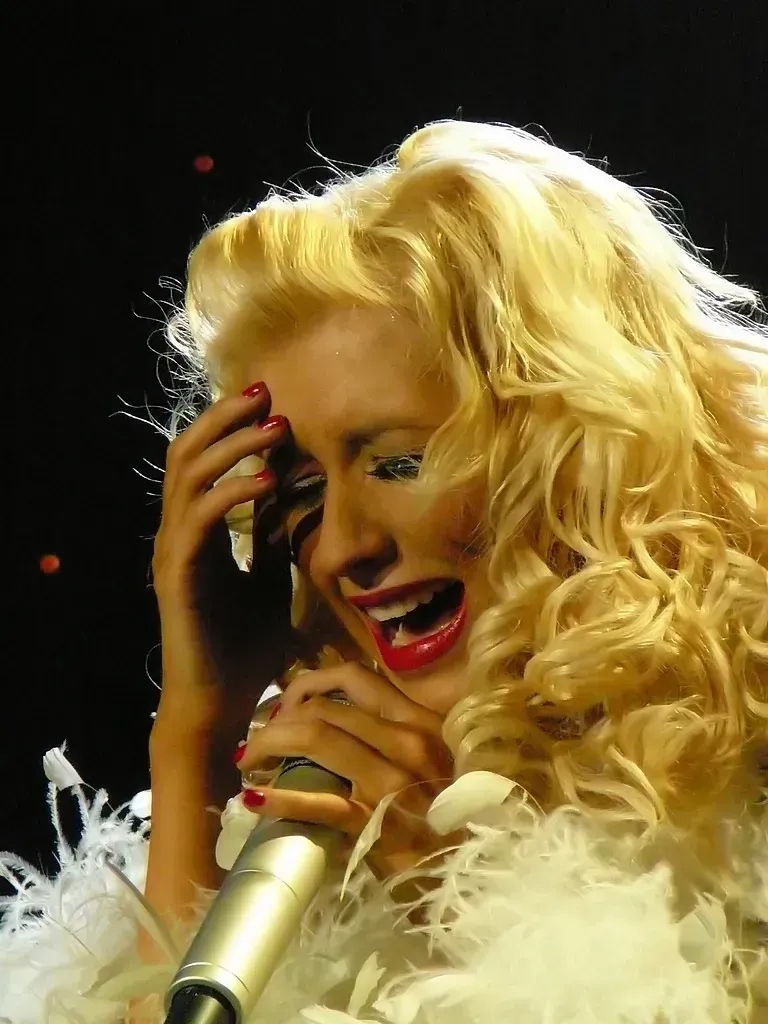
Before Christina Aguilera ever touched this song, it was a quiet, mostly unnoticed piece on a solo record. The song was originally released as a solo single from band member Ian Axel’s solo album This Is the New Year in 2011. It went largely unnoticed on release and stayed that way for years, tucked away as a minor moment on an indie album nobody outside a small circle had heard.
Everything changed once Aguilera got involved. Prior to the release of the re-recording of “Say Something” featuring Christina Aguilera, the song had only sold 52,000 digital copies. After the live performance on The Voice of the duo with Christina Aguilera, “Say Something” debuted at number 16 on the Billboard Hot 100. Ultimately, “Say Something” peaked at number 4. On top of that commercial jump, at the 57th Annual Grammy Awards, the song earned A Great Big World and Aguilera a Grammy Award for Best Pop Duo/Group Performance. The solo version simply never had a chance to reach that kind of audience.
Perfect Duet: Ed Sheeran with Beyoncé

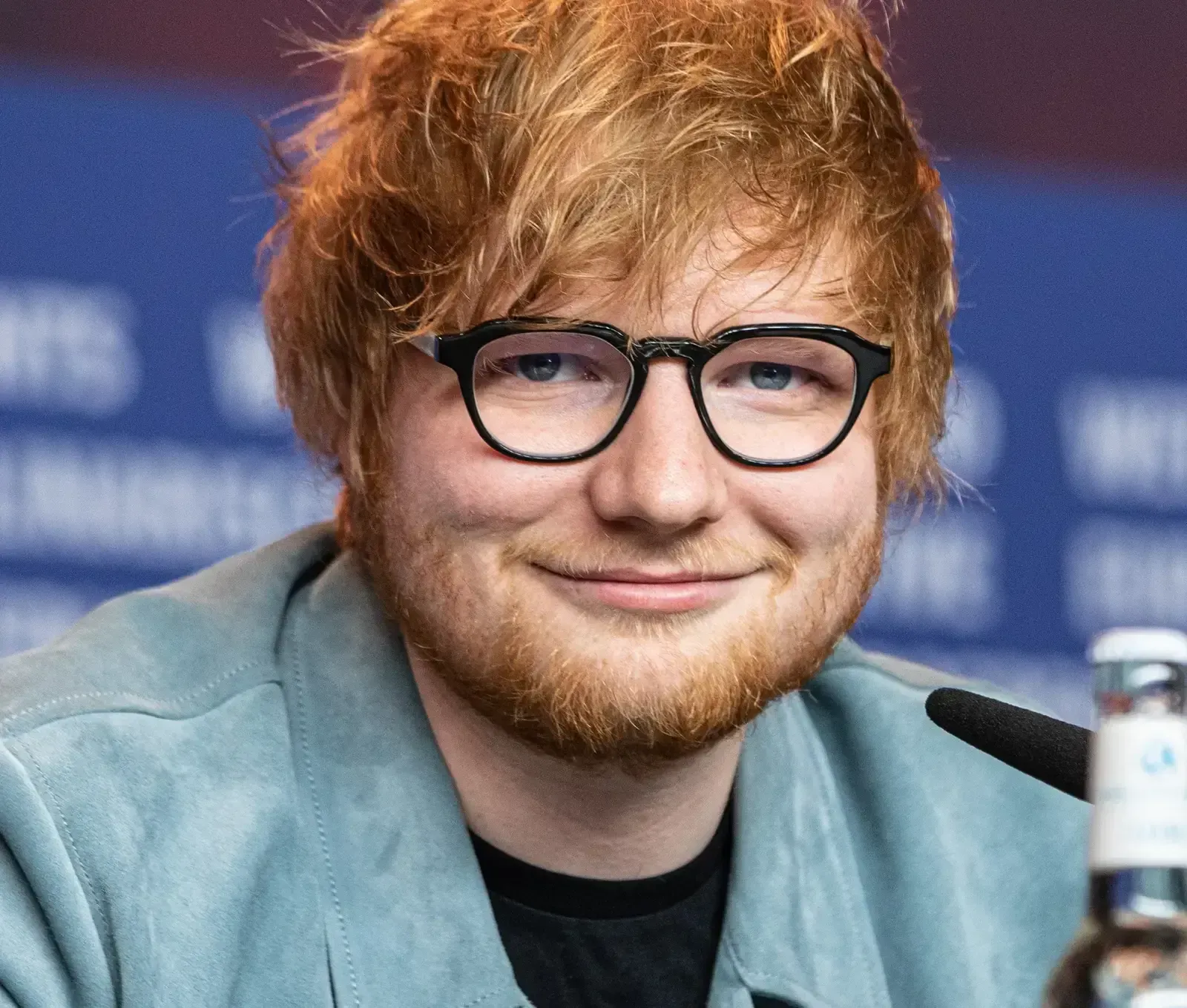
Ed Sheeran’s original solo cut of Perfect was already a hit in its own right, charting well across Europe. Still, something was missing on the biggest stage of all. The original version peaked at number one in Austria, Belgium, France, Luxembourg, Malaysia, Netherlands, Philippines, Poland, Scotland, Slovakia, Slovenia, Switzerland and the United Kingdom. That is an impressive run, yet the United States remained out of reach for the solo take.
Beyoncé’s addition changed the song’s fate almost overnight. Less than two weeks after Ed Sheeran and Beyoncé joined forces for their “Perfect Duet,” the song went to number one on the Billboard Hot 100 chart, with the duet accounting for the vast majority of the song’s total sales for the week. It also marked something rare for Beyoncé herself, since the “Perfect Duet” remix was Ed Sheeran’s second US chart topper as the main artist following “Shape Of You,” and it was Beyoncé’s first visit to number one since “Single Ladies (Put a Ring on it)” reached the summit in 2008. Two already successful careers combined to push the song somewhere the solo version never got to on its own.
You Don’t Bring Me Flowers: Barbra Streisand and Neil Diamond

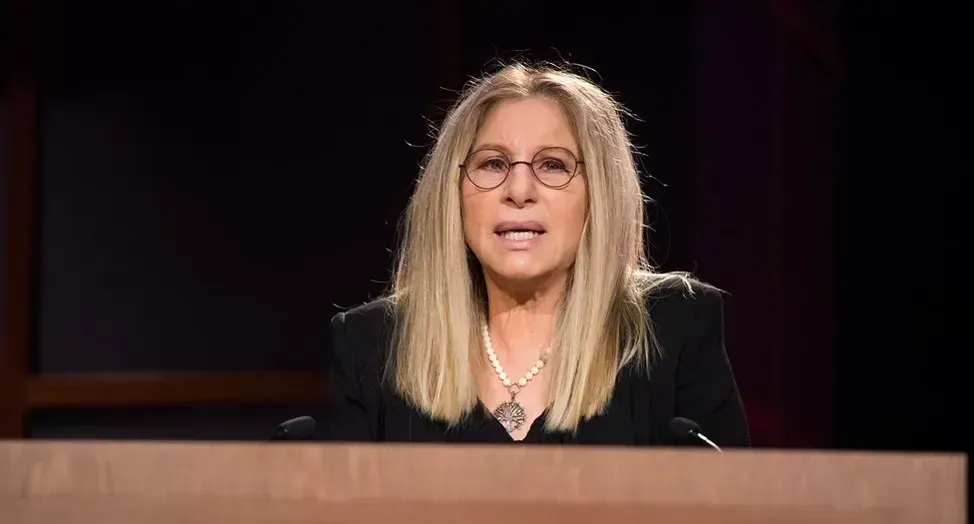
This one has an origin story unlike almost anything else on this list. Diamond released a solo rendition of the song on his 1977 album I’m Glad You’re Here with Me Tonight, and Barbra Streisand covered the solo version for her Songbird album early in 1978. Neither recording was released as a single, and neither artist had any plan to turn it into a shared performance.
A radio producer going through a divorce changed all of that by accident. Those two versions of the song weren’t singles, and “You Don’t Bring Me Flowers” didn’t take off until a Louisville radio producer named Gary Guthrie, working at station WAKY and going through a divorce, spliced tapes together to make a remix that switched back and forth between the Diamond and Streisand versions. Listener demand grew so loud that Columbia Records brought the two stars into a real studio, and this official duet recording reached the top of the Billboard Hot 100 in December 1978. Two separate solo album tracks that were never meant to be singles ended up creating a genuine chart topper once combined.
Partner offer

Ain’t No Mountain High Enough: Marvin Gaye and Tammi Terrell

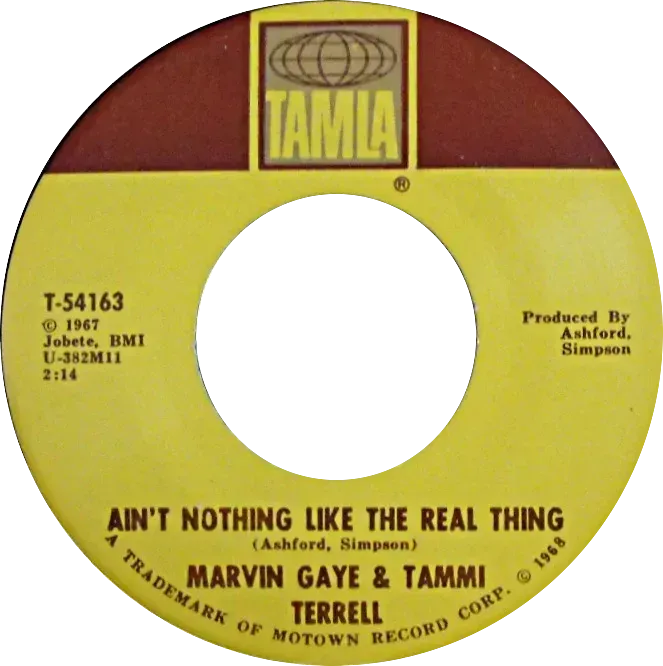
Marvin Gaye actually recorded this song on his own well before it became famous. His 1964 solo take was a solid Motown single of its era, respectable but far from a defining hit in his catalog. It did what most mid tier soul singles of the time did, charted decently, then faded from the conversation within a year or two.
Everything shifted when Ashford and Simpson reworked the arrangement for Gaye and his new duet partner, Tammi Terrell. Their 1967 version turned the song into something warmer and more urgent, with two voices trading lines instead of one carrying the whole emotional weight. It became one of Motown’s signature duets, later inspiring cover versions by Diana Ross among others, and it remains far better known today than Gaye’s earlier solo attempt ever was.
Beauty and the Beast: Celine Dion and Peabo Bryson

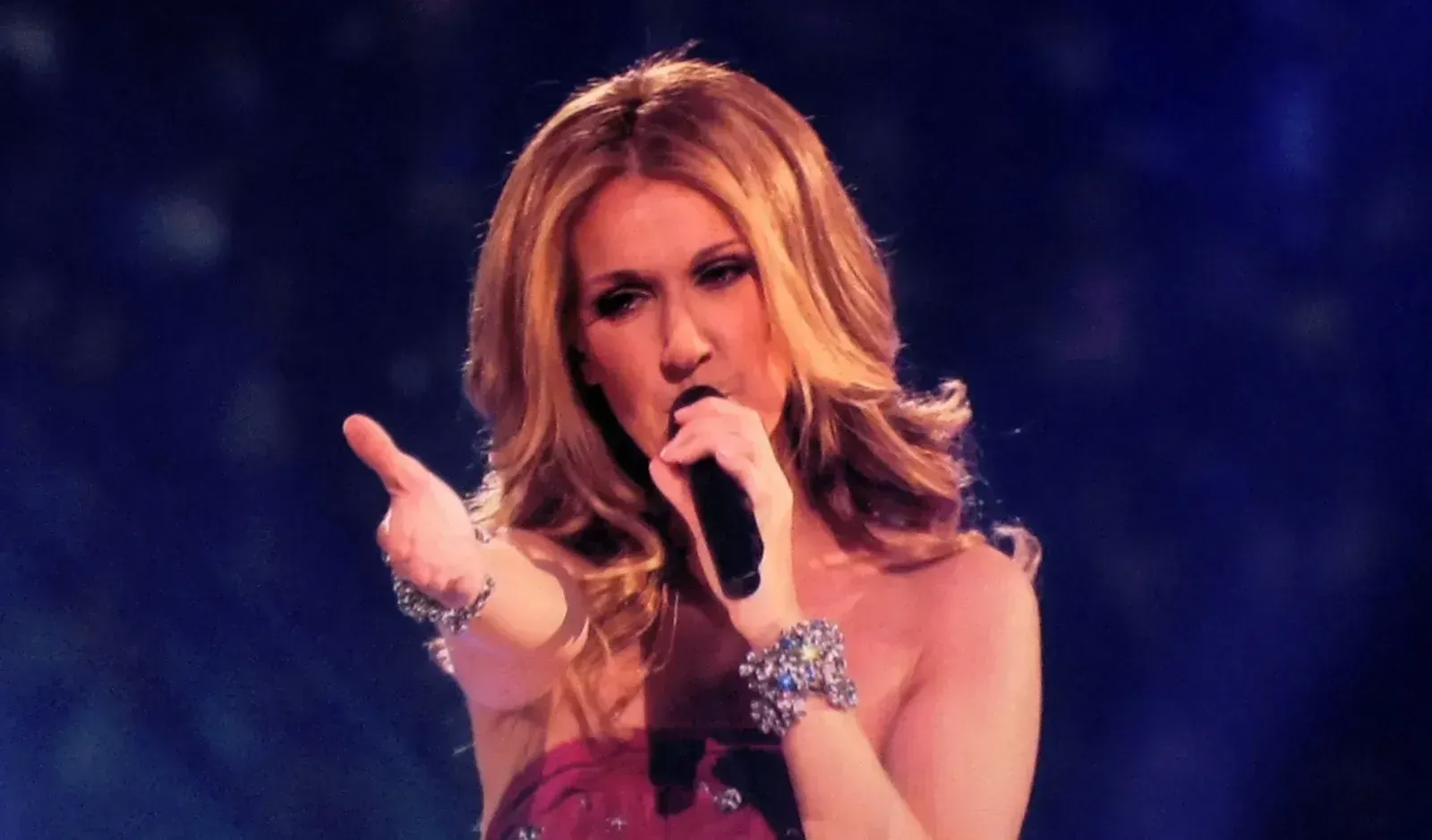
Inside the actual 1991 Disney film, the title song is performed as a gentle solo moment, sung in character by Mrs. Potts during the ballroom scene. That version served its purpose beautifully within the story, but it was never designed to be a radio single or a chart contender on its own.
The pop version recorded separately for the film’s closing credits and soundtrack release told a very different story. Celine Dion and Peabo Bryson’s duet became the one people actually bought, requested, and remembered, eventually earning major industry recognition including a Grammy Award and helping the song reach the Academy Award stage. The in film solo rendition stayed lovingly tied to its scene, while the duet became the version that lived on in wedding playlists and radio rotation for decades afterward.
The Prayer: Celine Dion and Andrea Bocelli

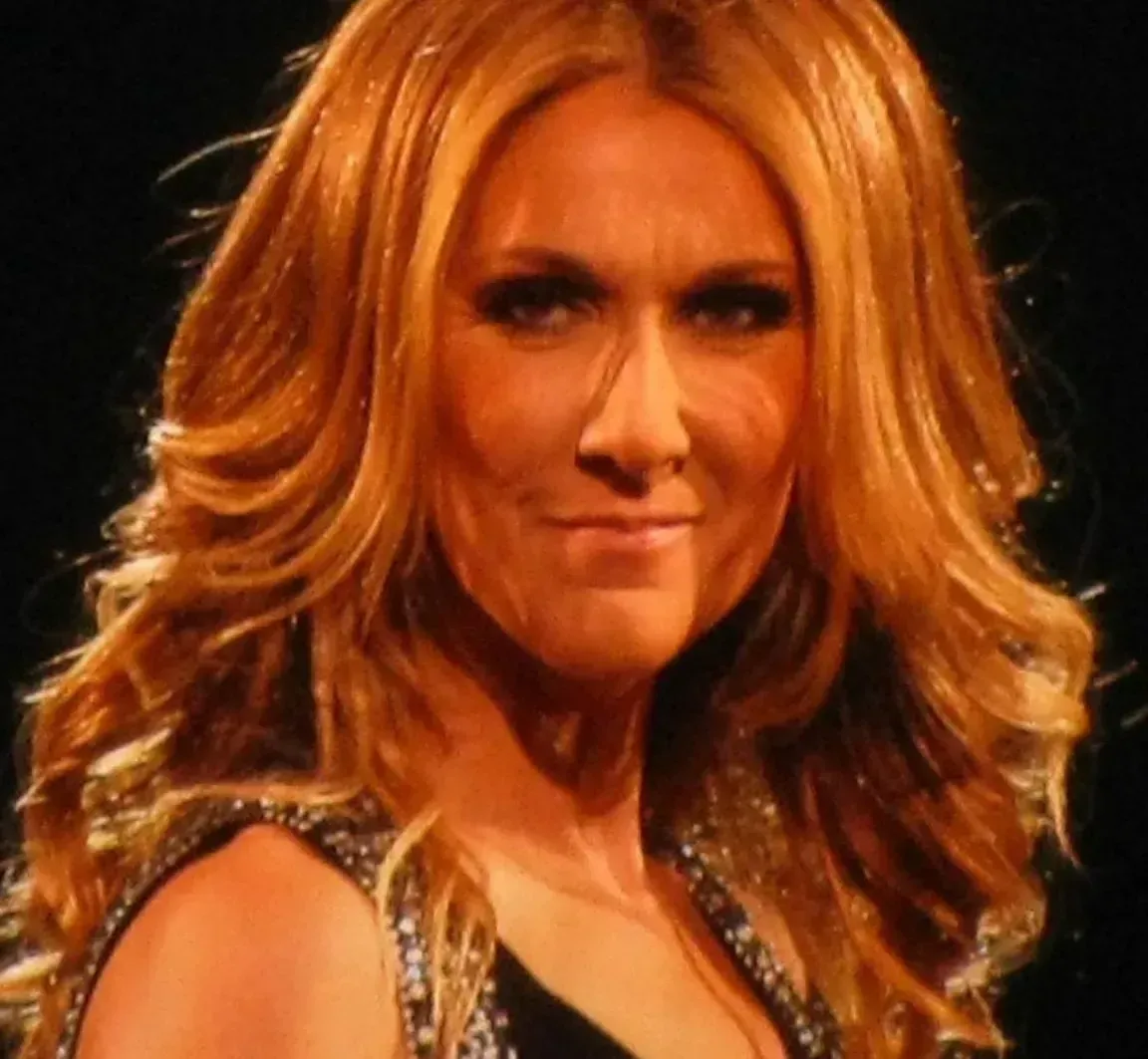
Written by David Foster and Carole Bayer Sager for the animated film Quest for Camelot, this song originally existed as two separate solo recordings. Celine Dion cut an English language version for her own album, while Andrea Bocelli recorded his own solo take sung in Italian, each intended to stand on its own.
Once the two were brought together, singing side by side in English and Italian, the song took on a different scale entirely. The bilingual duet became the definitive recording, earning major award recognition and becoming a fixture at weddings, memorials, and televised tributes around the world. Neither solo version ever came close to that level of lasting cultural presence on its own.
There is a quiet lesson tucked inside all six of these stories. A song does not always reveal its full potential the first time it is recorded. Sometimes it takes a second voice, a strange twist of timing, or even a radio producer’s late night experiment to show what the material was capable of all along.Partner offer
Planning a trip to Vegas?
Compare hotel rates and show tickets on VEGAS.com.