Hollywood casting is often described as a puzzle, but the pieces rarely fit neatly on the first try. Behind nearly every iconic performance lies a trail of near-misses, scheduling disasters, and last-minute pivots that could have sent film history in a wildly different direction.
Some of these alternate realities feel almost plausible. Others are genuinely hard to wrap your head around. Either way, the stories behind them reveal just how much of what we call “cinema history” actually came down to timing, stubbornness, or someone turning down a phone call.
1. Al Pacino as Michael Corleone in The Godfather (1972)

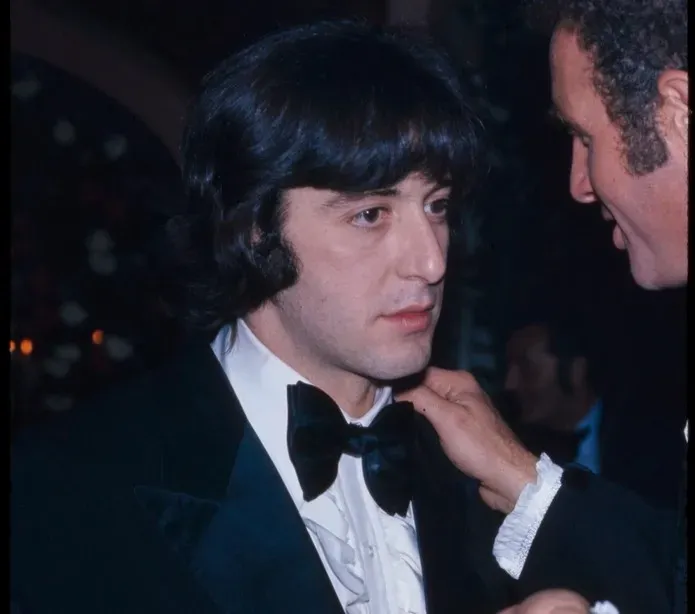
Al Pacino’s turn as Michael Corleone in “The Godfather” transformed him from an emerging theater actor with only one previous film under his belt to a Hollywood heavy-hitter – but Hollywood history almost went in a different direction. Jack Nicholson was among the many actors considered for the pivotal role. Studio executives initially opposed Pacino, but director Francis Ford Coppola insisted on him.
Two weeks into the shooting, studio executives interpreted Pacino’s quiet intensity as a lifeless, mumbling performance and contacted Robert Redford for recasting. However, Coppola stood his ground, and the rest is history. The character launched Pacino’s legendary career and stands as one of cinema’s most complex character transformations – from reluctant outsider to ruthless mafia don. Today, “The Godfather” is considered one of the best works of cinema ever released and is ranked the greatest film of all time by IMDb.
2. Harrison Ford as Indiana Jones in Raiders of the Lost Ark (1981)


Tom Selleck was actually cast as Indiana Jones and even completed screen tests that impressed producers. His commitment to the TV series “Magnum P.I.” forced him to walk away from the role that would define Harrison Ford’s career. Steven Spielberg was impressed with Harrison Ford’s performance in “Star Wars” and wanted to cast him as Indiana Jones. However, George Lucas, who was executive producer for “Raiders of the Lost Ark,” initially refused to work with Ford again – so Tom Selleck was chosen first.
A writers’ strike temporarily delayed “Magnum P.I.” production, making the timing especially painful for Selleck – he could have potentially done both projects. Ford’s performance as the adventurous archaeologist spawned four sequels and countless imitators, while becoming one of the most recognizable characters in film history. It’s one of those casting accidents that ended up working out rather brilliantly for everyone except Selleck.
3. Keanu Reeves as Neo in The Matrix (1999)

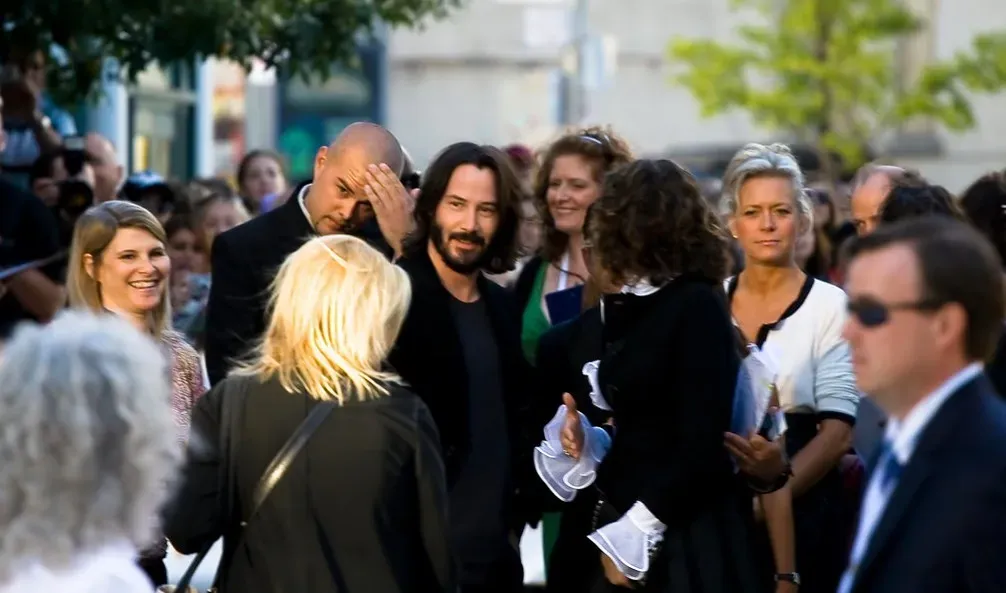
Fresh off the success of “Men in Black,” Will Smith was offered the lead role in “The Matrix” but chose to star in “Wild Wild West” instead. The actor later admitted he wasn’t mature enough as an artist to grasp the Wachowskis’ complex vision. Smith says he turned it down because he didn’t understand the movie and knew he wouldn’t be able to give the role the respect it deserved. Instead, the role of Neo went to Keanu Reeves.
Smith has publicly expressed regret about this decision, especially considering “Wild Wild West” flopped while “The Matrix” revolutionized science fiction cinema. Will Smith would have brought charisma and humor, but Reeves delivered stillness and focus. His lack of overpowering performance allowed the film’s ideas to dominate without distraction. Reeves’ Neo became the conduit of the story rather than its loudest voice.
4. Tom Hanks as Forrest Gump in Forrest Gump (1994)

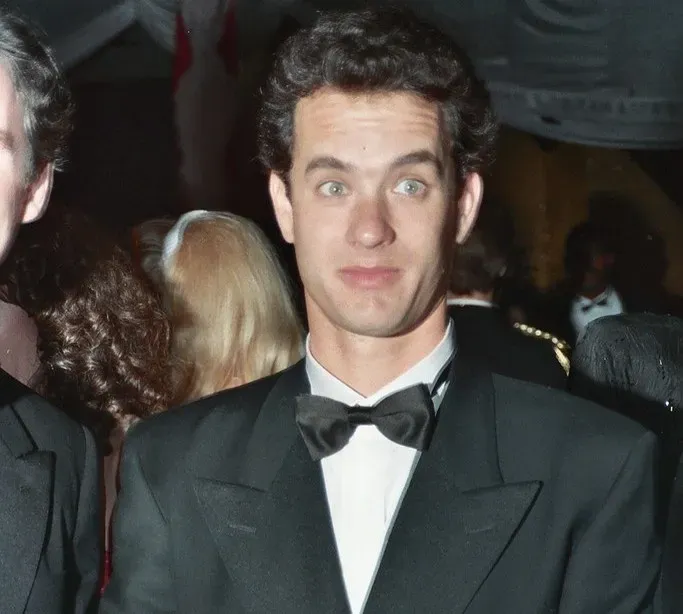
Tom Hanks won his second Academy Award for playing the kind-hearted, naïve living legend in Robert Zemeckis’s classic 1994 film. But Hanks wasn’t the first choice – John Travolta was initially offered the role but declined it in favor of another major project. Fortunately, his decision to take on the part of Vincent Vega in Quentin Tarantino’s “Pulp Fiction” ended up reviving his career.
Travolta declined the part that ultimately won Tom Hanks an Academy Award, and he later called the decision a mistake, though his career rebounded in other ways. Forrest Gump became a cultural phenomenon, grossing over $677 million worldwide and embedding itself in American pop culture. It remains one of the most striking examples in Hollywood history of a single “no” opening a door that changed everything.
5. Leonardo DiCaprio as Jack Dawson in Titanic (1997)

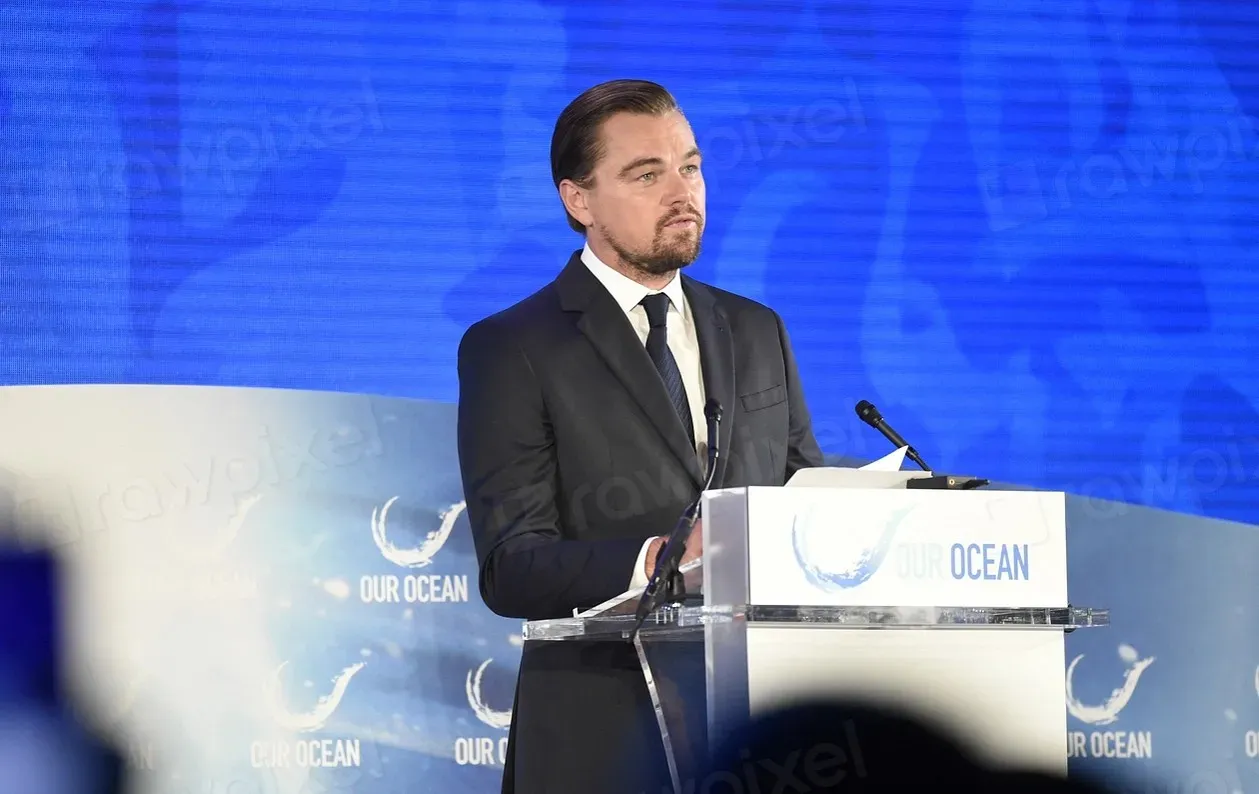
Leonardo DiCaprio’s performance as Jack in “Titanic” solidified him as one of Hollywood’s most desirable actors of the time, but he almost lost out on the part to Matthew McConaughey. According to DiCaprio’s co-star Kate Winslet, she and McConaughey actually auditioned together. McConaughey was reportedly favored by the studio for the role, but director James Cameron preferred DiCaprio, and he ultimately got his way.
The part of Jack was not the only casting decision that could have gone another way for “Titanic.” Gwyneth Paltrow was approached to play Rose but turned it down in order to be in “Great Expectations.” Kate Winslet ultimately won the role, overcoming concerns that she was already too well-known for historical dramas. Before Winslet was cast, Claire Danes also turned down the part of Rose. Leonardo DiCaprio and Danes had been the lovebirds of “Romeo + Juliet” a year earlier, but Danes didn’t want the superstardom that would come with it.
6. Russell Crowe as Maximus in Gladiator (2000)


At the point of casting for “Gladiator,” Mel Gibson was already a cinematic heavyweight, but his decision to decline the role based on concerns over being too old paved the way for fellow Australian Russell Crowe to ascend to stardom as Maximus Decimus Meridius. Gibson’s hesitation, whatever its precise nature, turned out to be one of the more consequential passes in late-1990s Hollywood.
Crowe’s virtuoso performance in “Gladiator” not only thrust him into the Hollywood stratosphere, but also earned him the coveted Academy Award for Best Actor. The film went on to win Best Picture at the 2001 Academy Awards and is widely regarded as one of the defining epic films of its era. Crowe’s particular intensity and physicality felt so right for the role that it’s now nearly impossible to picture anyone else standing in the sand of the Colosseum.
Casting decisions are rarely as clean or inevitable as they look in hindsight. Contracts fall through, schedules collide, actors misread scripts, and directors dig in their heels. The performances we remember as timeless were, in most cases, someone else’s near-miss first.