Throughout history, archaeologists have uncovered peculiar objects that challenge our understanding of ancient civilizations and their capabilities. These mysterious artifacts continue to spark debate among scholars, with and purposes that remain stubbornly elusive despite modern technology and decades of research. From ancient mechanical computers to undeciphered manuscripts, these six items stand as testaments to the enduring mysteries of our past.
The Antikythera Mechanism

Discovered in 1901 by divers exploring a sunken shipwreck near the Aegean island of Antikythera, this shoebox-sized mechanism had broken into fragments and eroded, yet it quickly became clear that it contained a complex series of gears which were unusually intricately tooled. The mechanism dates from the second century BCE and functioned as a kind of hand-operated mechanical computer. Exterior dials connected to the internal gears allowed users to predict eclipses and calculate the astronomical positions of planets on any given date with an accuracy unparalleled by any other known contemporary device.
Recent research in 2024 has shed new light on this remarkable device. A University of Glasgow team, led by astrophysics professor Graham Woan and Dr. Joseph Bayley, used advanced statistical methods including Bayesian analysis and methods used by the Laser Interferometer Gravitational-Wave Observatory to detect gravitational waves, providing strong evidence that the calendar ring contained either 354 or 355 holes. The results provide fresh evidence that one of the components of the Antikythera mechanism was most probably used to track the Greek lunar year and also offer new insight into the remarkable craftsmanship of the ancient Greeks. However, computer simulation which reproduced the device’s current design suggested that the gear’s teeth may have routinely disengaged, causing the machine to jam, and it is estimated that it could only be cranked about four months into the future before the gears slipped and required the object to be reset.
The Voynich Manuscript
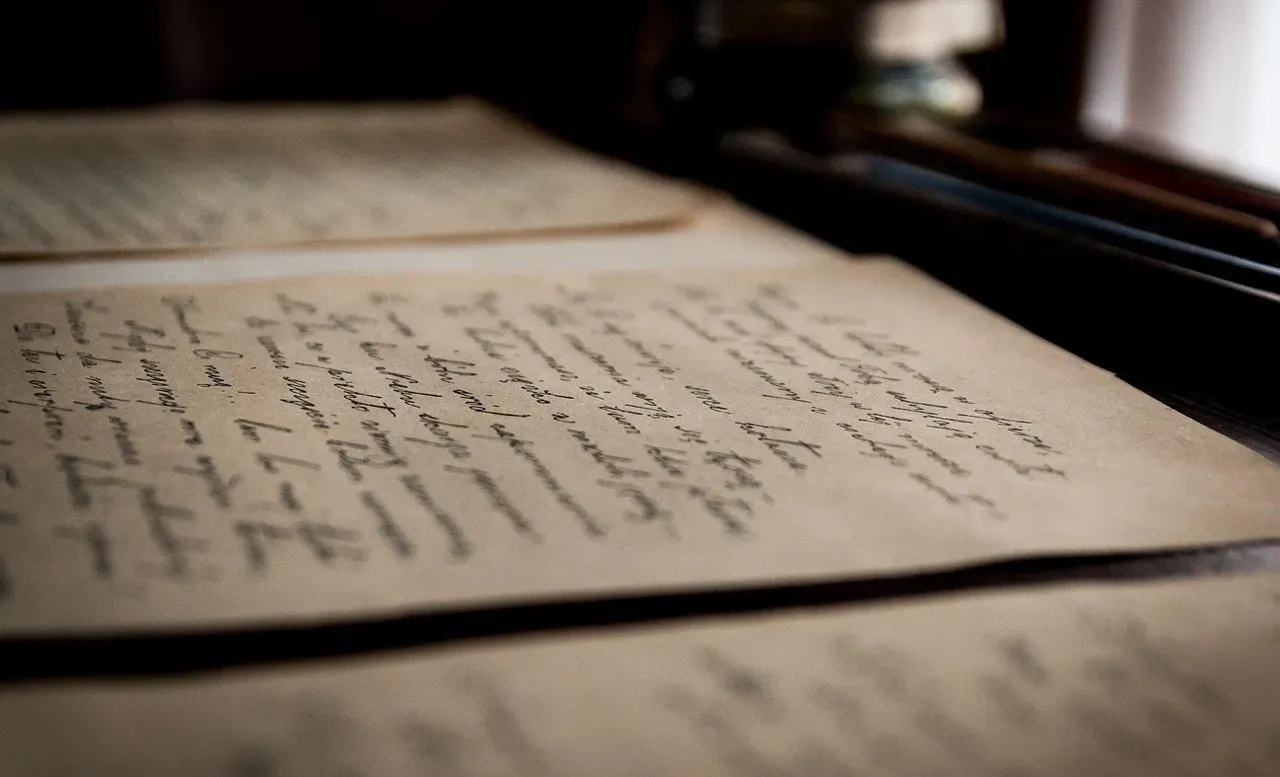
The Voynich manuscript is an illustrated codex, hand-written in an unknown script referred to as Voynichese. The vellum on which it is written has been carbon-dated to the early 15th century (1404–1438). Stylistic analysis has indicated the manuscript may have been composed in Italy during the Italian Renaissance. Most of the pages have fantastical illustrations and diagrams, some crudely coloured, with sections of the manuscript showing people, unidentified plants and astrological symbols.
Recent developments in 2024 and early 2026 have provided intriguing new insights. A researcher studying multispectral images of the famous Voynich Manuscript identified previously hidden columns of letters on its first page, with three columns bearing letters of the alphabet and one of unreadable Voynichese characters, which appear to have been added by one of the manuscript’s early owners to decrypt its mysterious writing. In January 2026, a peer-reviewed study published in Cryptologia showed that the manuscript could plausibly have been produced using a cipher that was within medieval technological capabilities. The cipher takes ordinary Latin or Italian text and turns it into glyph sequences that closely resemble Voynichese by breaking continuous text up into short groupings of letters and then substituting them using structured tables, with elements of randomness introduced through tools such as dice and playing cards. Still, the manuscript’s true meaning remains undeciphered.
The Baghdad Battery
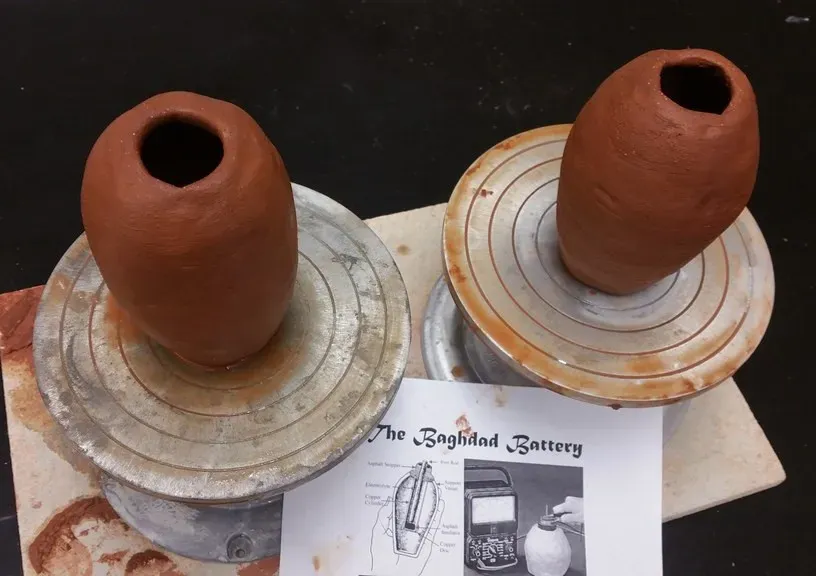
The Baghdad Battery is the name given to an artifact consisting of a ceramic pot, a tube of copper, and a rod of iron fixed together with bitumen. It was discovered in present-day Khujut Rabu, Iraq in 1936, close to the ancient city of Ctesiphon, the capital of the Parthian and Sasanian empires, and it is believed to date from either of these periods. Its origin and purpose remain unclear, with Wilhelm König suggesting that the object functioned as a galvanic cell, possibly used for electroplating, or some kind of electrotherapy.
Most archaeologists remain skeptical of the battery theory. There is no electroplated object known from this period, and the claims are universally rejected by archaeologists, with an alternative explanation being that it functioned as a container for magic spells for protection, defense or curses. In 1932, Kühnel described those found at Ctesiphon as containers for conjurations and blessings, while Emmerich Paszthory asserted the Khujut Rabu jar and those from Seleucia and Ctesiphon were clearly magic objects. As the tubes were copper, the spell was probably protective. Recent research in February 2026 proposed yet another theory. A new study suggests the clay jar surrounding the artefact was key to the design, with the unglazed jar acting as a porous separator between an alkaline electrolyte and ambient air, creating a cell so the battery could have produced over 1.4 volts.
The Piri Reis Map
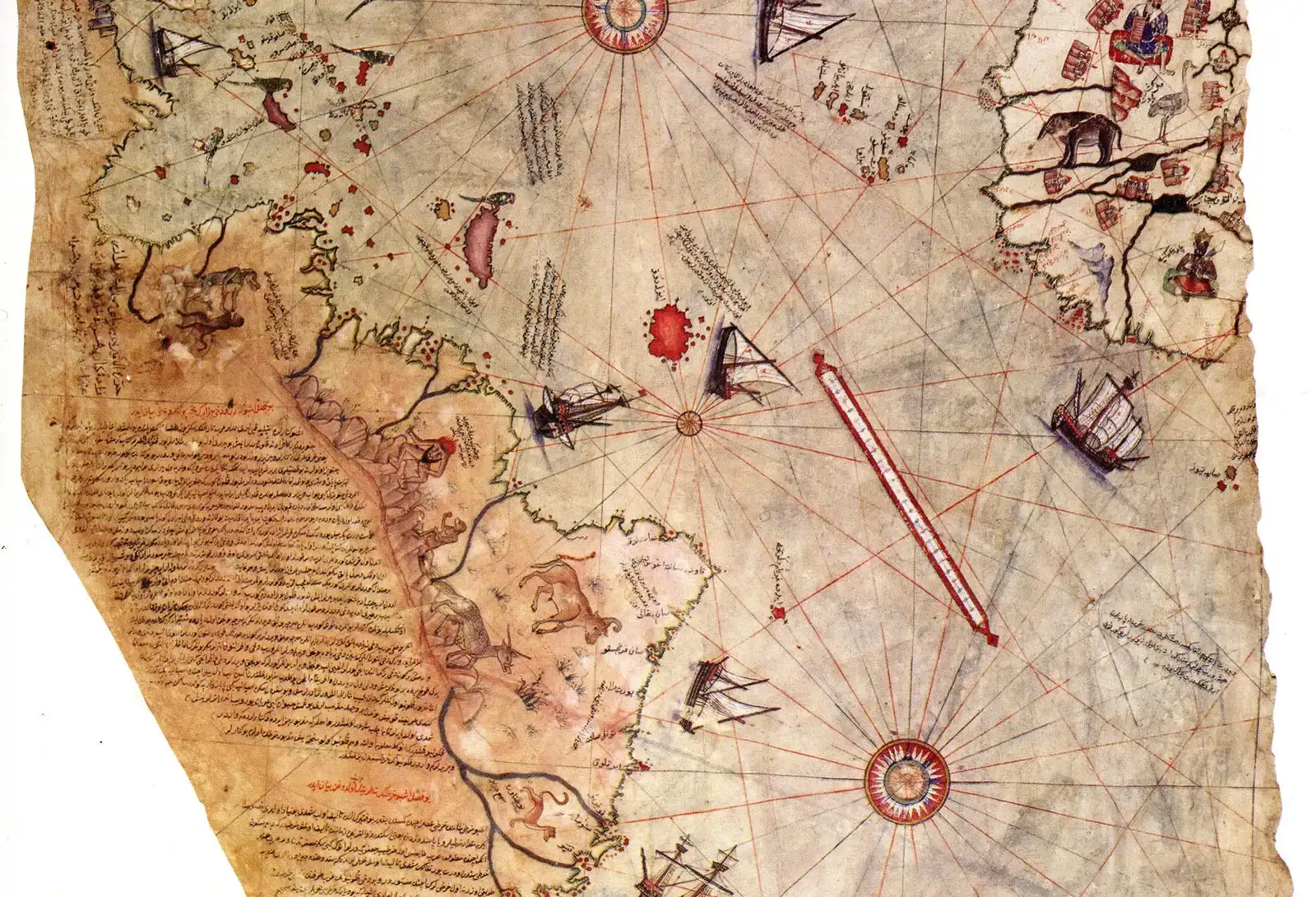
The Piri Reis map is a world map compiled in 1513 by the Ottoman admiral and cartographer Piri Reis, with approximately one third of the map surviving, housed in the Topkapı Palace in Istanbul. After the empire’s 1517 conquest of Egypt, Piri Reis presented the 1513 world map to Ottoman Sultan Selim I. The depiction of South America is detailed and accurate for its time.
The map has sparked considerable controversy due to claims about what it depicts. The Piri Reis map has stirred both intrigue and controversy, mostly due to the presence of what appears to be a representation of Antarctica 300 years before it was discovered, and it appears to show the land mass before it was covered in ice, over 6000 years ago. However, mainstream scholars dismiss these theories. Most academic consensus suggests a more conventional explanation: that the inclusion of Antarctica on the map might be due to mistranslation or misinterpretation of the original sources Piri Reis used, and that the coastline depicted as Antarctica might be a distorted representation of the southern tip of South America. Ice core data shows that Antarctica was last free of ice over ten million years ago, and writers like Erich von Daniken have uncritically repeated claims as proof of ancient astronauts and lost civilizations.
The Phaistos Disc
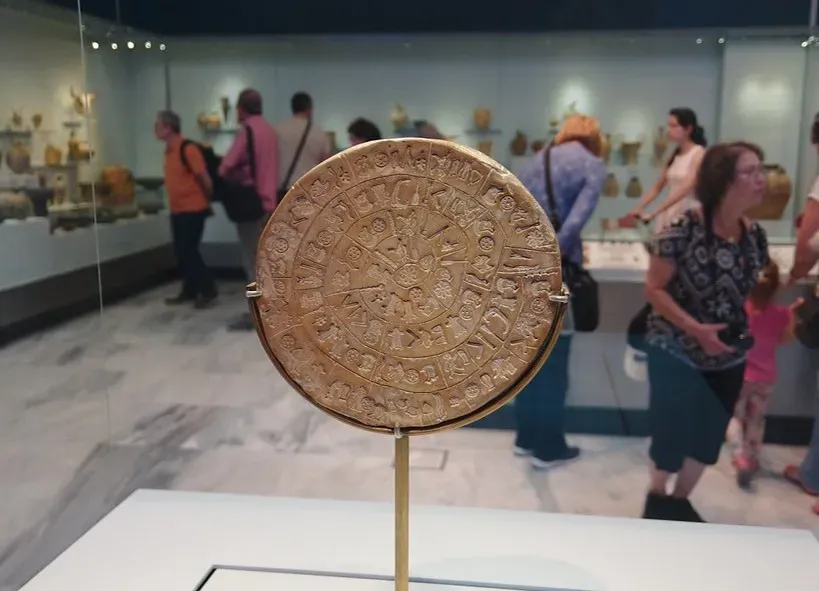
Unearthed in 1908 on Crete, the Phaistos Disc is a fired clay object inscribed with spiraling, stamped symbols. Scholars have struggled for decades to decipher its meaning – some believe it’s a hymn or prayer, while others think it could be a type of game or record. The disc represents one of the most intriguing examples of Bronze Age writing systems that have resisted all attempts at translation.
What makes this artifact particularly mysterious is its unique character system. Unlike other ancient scripts that have been deciphered through comparative linguistics or the discovery of bilingual texts, the Phaistos Disc stands alone. No other examples of this particular script have been found anywhere in the world, making it impossible for researchers to verify any proposed translations. The spiral arrangement of the symbols and the use of stamped rather than hand-drawn characters suggest a level of sophistication in ancient Minoan culture, yet without additional context or similar examples, scholars can only speculate about whether the disc represents a language, a religious text, or something else entirely.
The Saqqara Bird
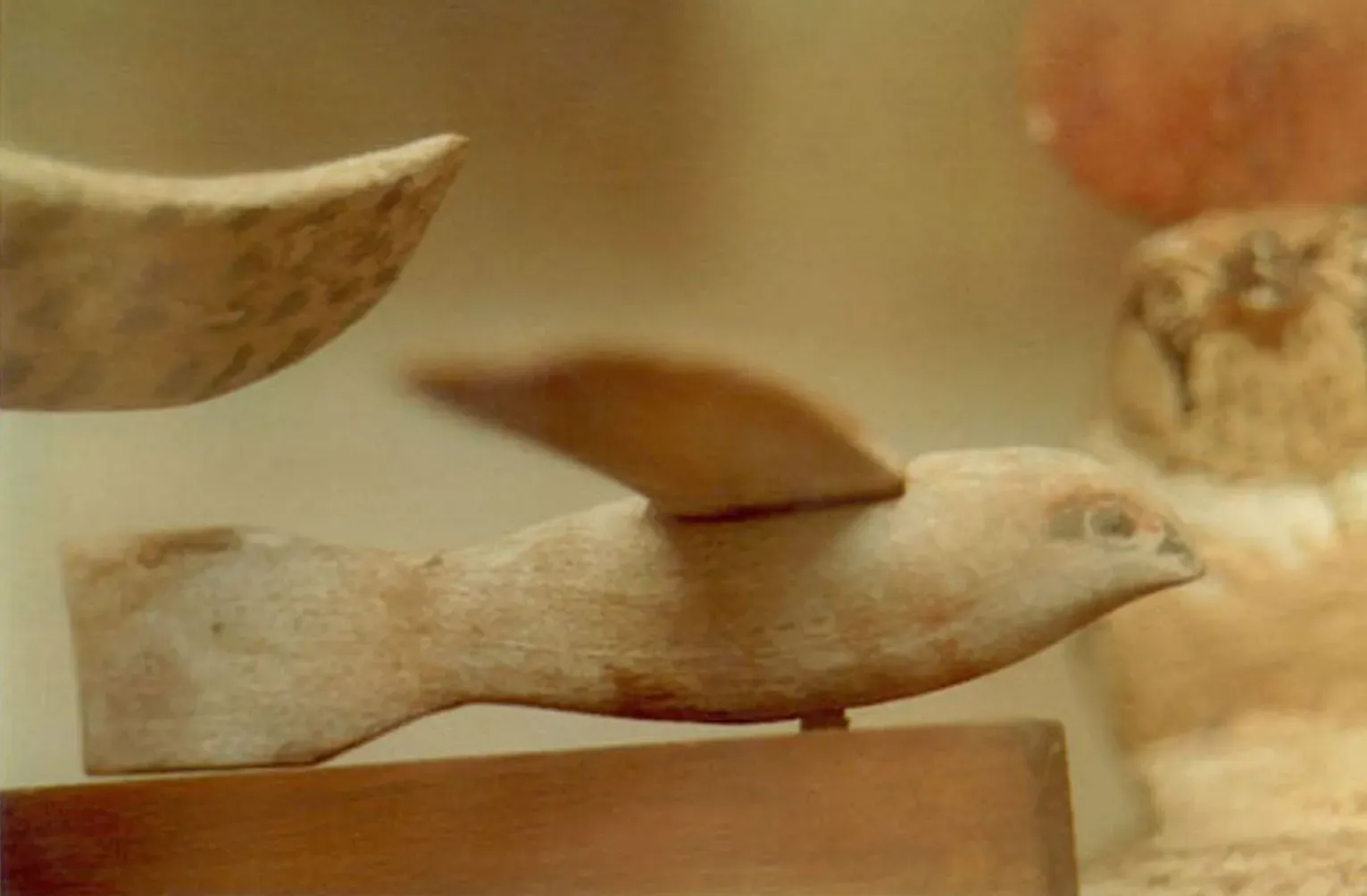
The Saqqara Bird, found in a 2,000-year-old Egyptian tomb, intrigues with its uncanny resemblance to a modern glider. Crafted from sycamore wood, its true function remains debated – was it a child’s toy, a ritual object, or evidence of ancient aeronautical knowledge? The wooden artifact features a body, wings, and a vertical tail, creating a shape that some researchers find strikingly similar to modern aircraft designs.
The discovery has prompted various theories about ancient Egyptian technological capabilities. Some enthusiasts have suggested the bird provides evidence of advanced aeronautical understanding in ancient times, pointing to its aerodynamic shape as proof that the Egyptians may have experimented with flight principles. Mainstream archaeologists, however, remain skeptical of such claims. Most scholars believe the object served a ceremonial or decorative purpose, possibly representing the falcon god Horus or simply functioning as a toy or weathervane. Without additional evidence of Egyptian aviation technology or contemporary texts describing flight experiments, the Saqqara Bird remains an intriguing curiosity rather than definitive proof of ancient technological advancement, though its precise purpose continues to elude researchers.