


Hollywood has always been an industry in motion, literally and figuratively. From the golden age of the studio system to the blockbuster era of the 1980s and 1990s, there have always been methods, rituals, and cultural codes that defined how films were made and experienced. Some were practical. Some were ceremonial. Many felt permanent.
They weren’t. A combination of streaming disruption, technological change, shifting economics, and a generation of filmmakers who grew up watching content on laptops rather than in cinemas has quietly eroded practices that once seemed untouchable. Some of these changes are pragmatic. Others represent something more difficult to quantify: a loss of craft, ritual, or shared experience that shaped the industry for decades.
The Long Theatrical Window

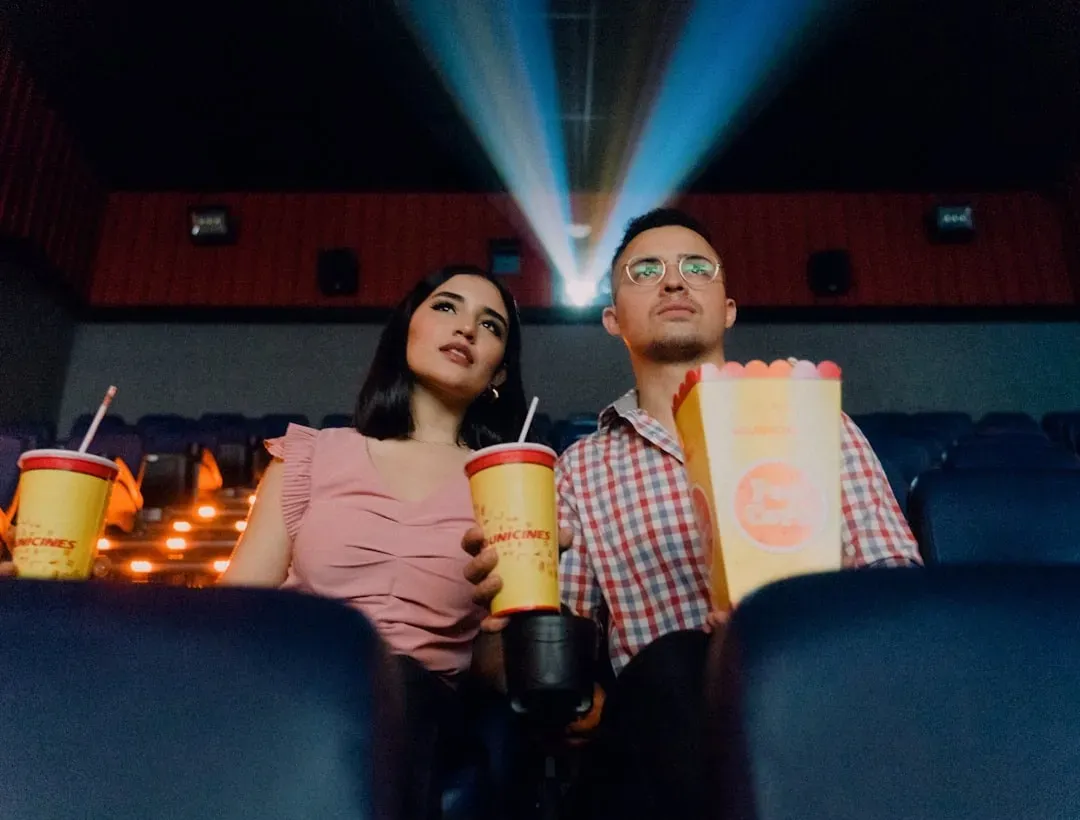
There was a time, not so long ago, when a major studio film would remain exclusively in cinemas for three months or more before any home release was even contemplated. That era is effectively over. In 2024, the average theatrical window dropped from 37 days to just 32 days, a number that would have seemed inconceivable to cinema exhibitors two decades ago.
Gone are the days of movies playing exclusively in theaters for months on end as the standard. The rise in popularity of streaming and digital releases was already happening before the pandemic, but the need to meet consumers at home sped up the process for studios. Coupled with increased ticket prices, the length of time films can only be seen in theaters keeps shrinking. The financial logic is clear: studios retain a much higher share from in-home revenue, around 80 percent, compared to roughly 50 percent from the box office.
Shooting on Film

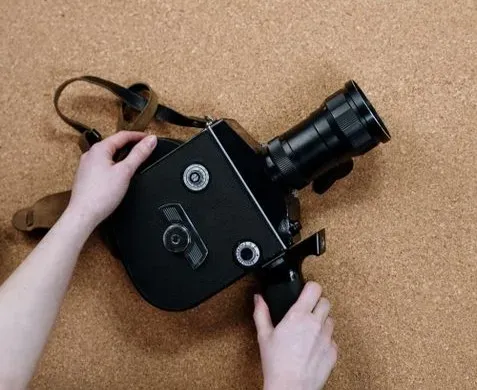
Celluloid carries a particular warmth and grain that cinematographers spent generations learning to harness. The physical act of loading a camera, budgeting carefully for limited rolls, and waiting to see the developed footage was as much a discipline as it was a medium. The shift from celluloid to digital technology changed how the film industry works. Instead of reels and chemical processing, filmmakers now use digital cameras and software to shoot and edit, making the creative process faster, more flexible, and often more affordable.
The practical and economic case for digital is difficult to argue against. Still, the disappearance of celluloid from mainstream production has been mourned by filmmakers who argue that digital removed a particular kind of intentionality from the craft. Digital tools also gave rise to CGI, motion capture, and 3D, adding new dimensions to feature films, but these additions came at the cost of the tactile restraint that film imposed on directors. Today, shooting on celluloid has become a deliberate aesthetic statement rather than a default practice, reserved for directors with enough clout to insist on it.
The Pitch Meeting Culture


For most of Hollywood’s history, getting a film made meant walking into a room, sitting across from studio executives, and selling them on an idea through personality, vision, and conviction. The pitch meeting was its own art form, built on relationships cultivated over years. In the old studio system, films were greenlit based on pitch meetings, big-name actors, and box office projections. Today’s streaming giants rely on data and algorithms.
This shift has changed not just the process but also the kinds of stories that get made. Directors and writers now consider streaming viewers’ habits from the script stage. The first ten minutes are more critical than ever. Rather than persuading a room of executives with a compelling narrative pitch, filmmakers increasingly face systems that measure retention rates, drop-off points, and audience segmentation data. The result is a creative environment shaped as much by behavioral analytics as by artistic instinct.
The Star-Driven Greenlight

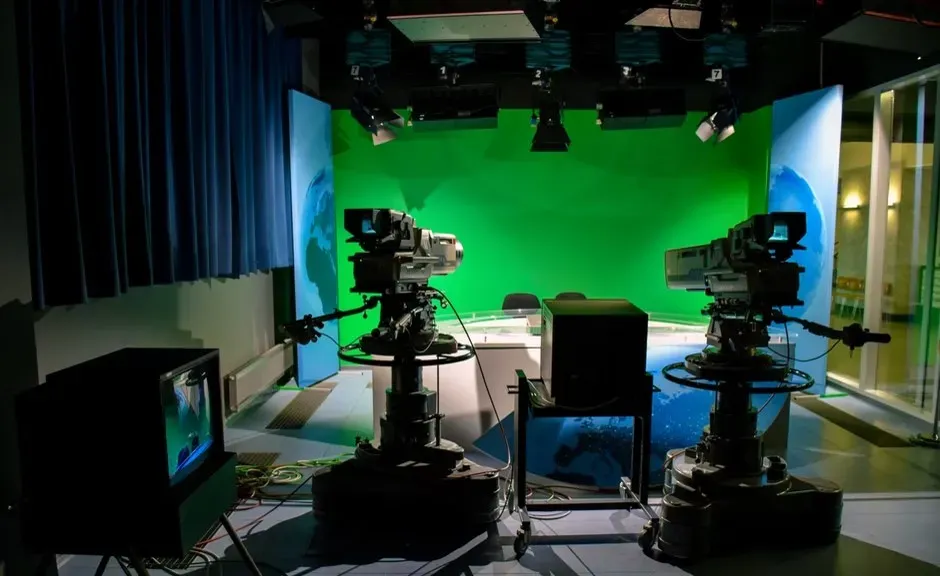
For much of the 20th century, attaching a recognizable name to a project was the fastest way to get it financed and distributed. Certain actors functioned almost as their own studios, capable of opening a film based on their presence alone. That power has shifted significantly. A respected director did not need to become a franchise manager. A serious actor did not need to become a superhero or a global celebrity in order to have a visible and meaningful career. Both of those dynamics have changed considerably.
In the studio era, actors and directors had less autonomy but more structural stability. In the golden middle era, many of them gained artistic freedom while still working in a relatively dense ecosystem. Today, that middle layer has thinned considerably. Theater owners are frustrated that studios have trained audiences to view anything that’s not comic book related as a streaming-only proposition. The star vehicle, the kind of mid-budget drama or comedy built entirely around the charisma of one performer, has almost ceased to exist as a studio proposition.
Physical Media as a Secondary Revenue Stream

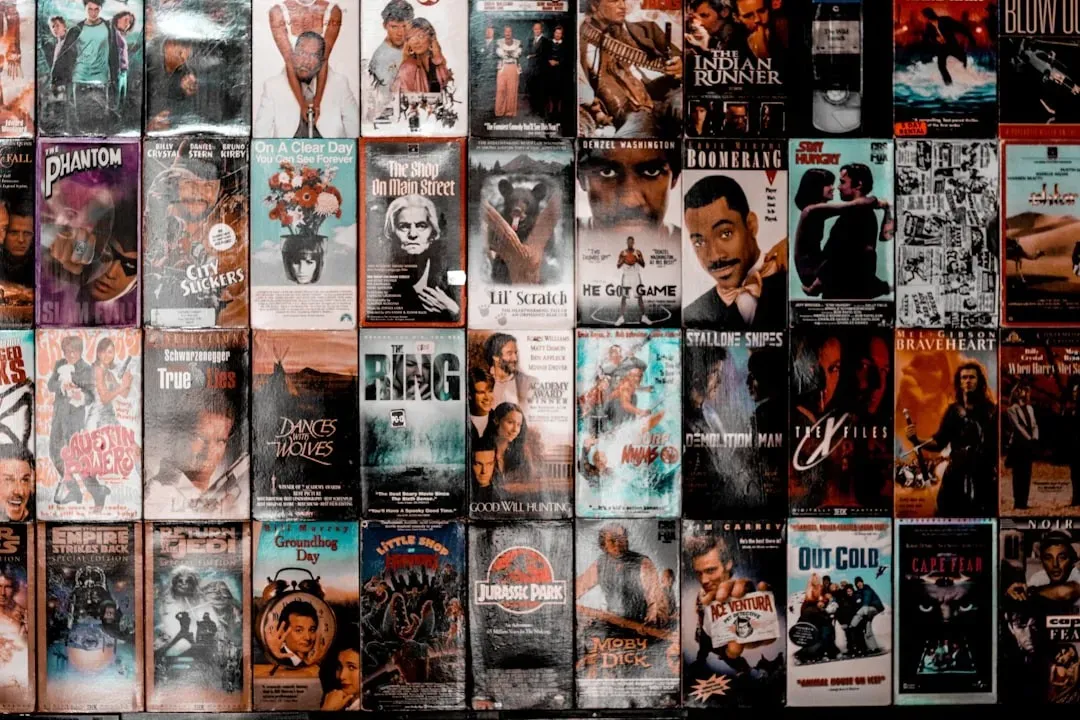
DVD releases were once a genuine second life for films. A movie that underperformed at the box office could find its audience on disc, generate meaningful revenue, and build a lasting reputation over years. DVDs have been replaced by the “rent/buy” button on television screens, stripping homes of physical memorabilia in favor of simplicity and convenience. Streaming has become many individuals’ primary method of watching movies.
The consequences for filmmaking culture are subtle but real. A film did not have to win only on opening weekend. It could travel, linger, be rediscovered, build prestige slowly. That ecology made room for a different type of actor and a different type of director. Without physical media acting as a second-chance mechanism, films that fail to capture immediate attention are often lost quickly. For newer filmmakers who came up watching everything on-demand, this sense of gradual discovery is largely unfamiliar.
Practical Stunt Work as the Default

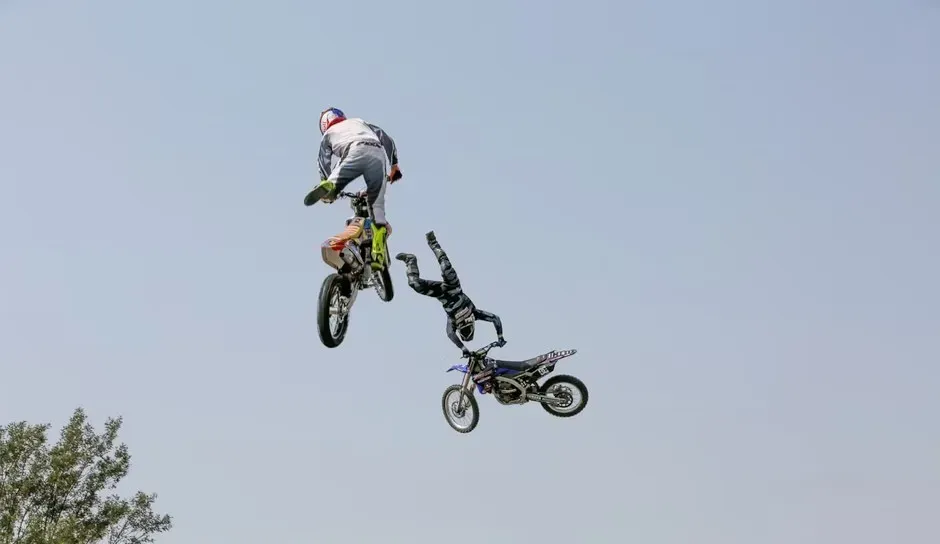
The stunt performer was once an indispensable figure on any major set, a specialist whose craft was measured in physical precision and real risk. The tradition stretched from Buster Keaton’s era through the action cinema of the 1970s and 1980s. In the early 1900s, film was a new frontier, and so were stunts. Silent film stars like Buster Keaton, Harold Lloyd, and Douglas Fairbanks not only performed their own stunts, they invented them. That lineage of physical ingenuity ran deep for most of cinema’s history.
Today, stunt people face a new professional challenge from digital technology. Now that seeing is no longer believing, the flesh and blood professionals operating in the material world can be switched out for pixels and greenscreen. Directors like George Miller have made high-profile cases for practical work: when Miller made Mad Max: Fury Road in 2015, deep in the CGI era, he deliberately chose practical effects for almost everything, using over 150 real vehicles with real explosions and real stunt performers. Those choices felt almost countercultural. For many newer filmmakers, reaching for a digital solution first is simply the path of least resistance, and the craft of physical stunt design is slowly losing the centrality it once had.
None of these traditions disappeared overnight, and in some cases the changes brought genuine improvements in safety, accessibility, and creative possibility. Still, what’s being lost in the transition isn’t always replaceable. The instinct to let a scene breathe for a month in a theater, to budget carefully because film stock was finite, or to trust the weight of a real body performing a real stunt, those habits shaped both the craft and the culture of cinema in ways that data pipelines and digital compositing simply don’t replicate.


