The line between what you wear and what powers your life is disappearing fast. Fashion and technology are no longer separate worlds but instead partners creating a future that’s smarter, more sustainable, and somehow more human. We’re witnessing something really exciting here, something that goes beyond gadgets sewn into jackets.
Think about it. Your clothes could track your health, adapt to the weather, or connect you to digital worlds you didn’t know existed. Industry leaders are watching these partnerships closely because they’re not just experiments anymore. They’re the blueprint for what’s coming next.
Meta and EssilorLuxottica: The Smart Glasses Revolution

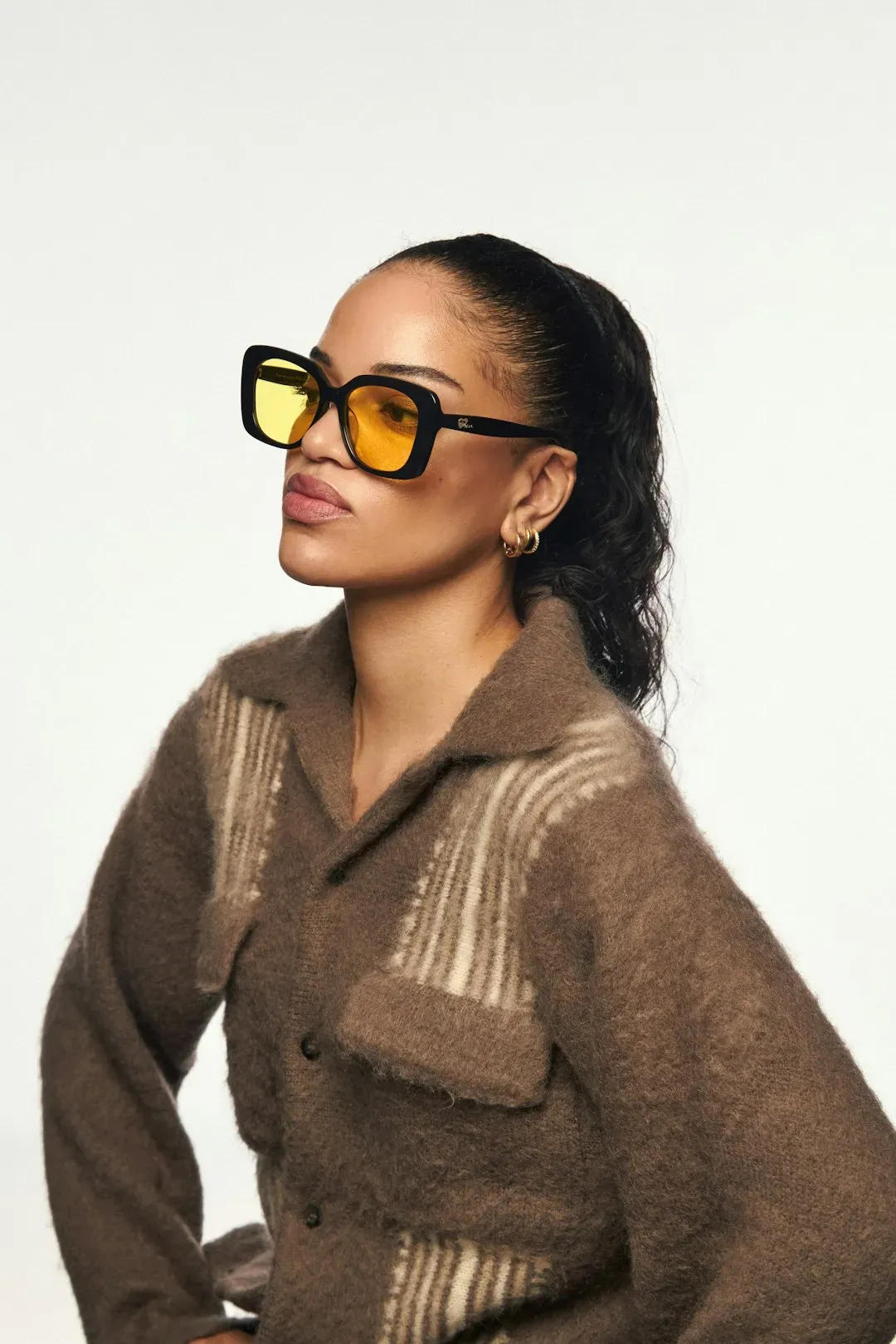
Meta’s collaboration with EssilorLuxottica has resulted in a partnership that combines Meta’s technology with EssilorLuxottica’s styling and manufacturing expertise, with Ray-Ban Meta glasses becoming the top-selling product in roughly three out of five Ray-Ban stores in Europe, the Middle East, and Africa during the third quarter of 2024. Here’s the thing about smart glasses: they’ve failed before. Remember Google Glass?
This time feels different though. The partnership between Meta and EssilorLuxottica exemplifies how fashion brands and tech companies are creating wearables that consumers actually want to be seen wearing. The glasses look like actual Ray-Bans, not like you’re wearing a science experiment on your face. Smart eyewear shipments are expected to grow significantly, and the category is projected to exceed thirty billion dollars by 2030.
What makes this collaboration really stand out is the balance. Fashion needs function, but function also needs fashion. Nobody wants to sacrifice style for technology anymore, and this partnership gets that fundamental truth right.
Moncler and Jony Ive: When iPhone Design Meets Outerwear


Let’s be real, when the designer of the iPhone decides to create a jacket, you pay attention. Moncler partnered with Jony Ive to design a five-piece outerwear collection that includes futuristic takes on field jackets and parkas, with Ive reinventing the button through a magnetic clasp design and Moncler developing an entirely new recycled nylon with natural fiber aesthetics through an innovative compressed air technique. The result isn’t just pretty, it’s thoughtful.
Moncler was one of the only luxury brands to see growth in the first part of 2024 with sales increasing by roughly fifteen percent, though sales dropped by about three percent in the third quarter. That collaboration with Ive represents something bigger than just product development. It’s about bringing perspectives from completely different industries and creating something neither could have made alone.
The magnetic clasp might sound like a small detail, but think about how many times you’ve struggled with buttons while wearing gloves in winter. Innovation lives in these tiny moments of improved experience.
Stella McCartney and Google Cloud: AI for Supply Chain Transparency


Stella McCartney has partnered with Google Cloud on a project that uses machine learning and cloud-based data processing to enhance supply chain transparency and make more responsible sourcing decisions. Sustainability can’t just be a marketing term anymore. Consumers are demanding proof, and regulations are forcing accountability.
This collaboration tackles one of fashion’s biggest problems: you often have no idea where your clothes actually come from. As noted in the 2024 Fashion Transparency Index, no major brand has yet achieved full supply chain traceability. McCartney’s partnership with Google shows how technology can illuminate those dark corners of production.
Machine learning analyzes vast amounts of data to track materials from origin to finished product. It sounds technical because it is, but the goal is simple: make fashion more honest. When you know exactly what went into making something, you can make better choices about environmental impact and worker conditions. Fashion desperately needs this kind of clarity.
Nike and RTFKT: The Rise and Fall of Phygital Fashion

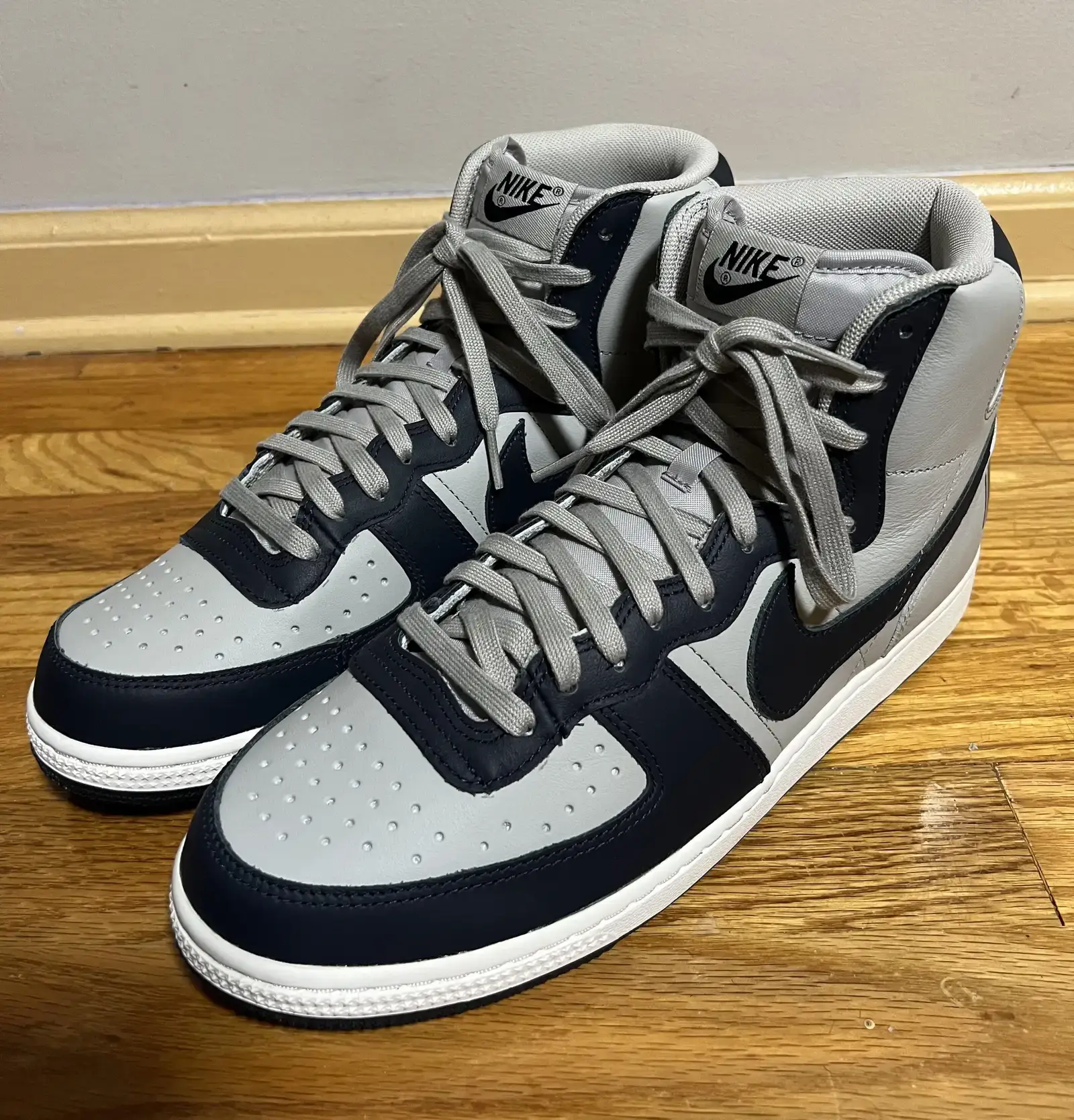
This one’s complicated. Nike’s collaboration with RTFKT integrated blockchain technology to authenticate and trade digital sneakers, introducing the concept of phygital fashion where digital and physical worlds merge seamlessly. For a while, it felt like the future. Digital sneakers sold for thousands, and the hype was real.
Nike acquired virtual sneaker brand RTFKT in 2021, but the company announced it would wind down operations, with services halting by the end of January after four years. So what happened? The metaverse didn’t materialize quite as expected, and the crypto winter hit hard. Yet dismissing this collaboration would be a mistake.
Partner offer

RTFKT proved concepts that other brands are still exploring. In 2023, NFT-based digital fashion assets generated over 300,000 unique transactions. The idea of owning authenticated digital items isn’t dead, it’s just evolving. Sometimes the most important collaborations are the ones that teach us what doesn’t work, not just what does.
Tommy Hilfiger and IBM Watson: Smart Clothing with AI Recommendations


Tommy Hilfiger partnered with IBM’s Watson to create a smart clothing line that includes embedded chips tracking wearers’ movements and environmental conditions like temperature and humidity, with data analyzed by Watson to provide personalized styling recommendations through a mobile app. It sounds like science fiction, but it’s already happening.
Imagine your jacket knows it’s going to rain before you do, or your shirt suggests outfit combinations based on your schedule and the weather. Tommy Hilfiger collaborated with IBM and the Fashion Institute of Technology on a project named Reimagine Retail, aiming to give retailers a competitive advantage in forecasting emerging design trends by analyzing vast data from images, fabrics, and colors.
The potential here goes beyond convenience. It’s about creating clothing that learns from you and adapts to your life. Sure, there are privacy concerns worth discussing. But the trajectory is clear: fashion is becoming interactive, responsive, and personalized in ways we’re only beginning to understand.
GANNI and Ambercycle: Circular Fashion Through Material Innovation


Danish brand GANNI has been working with LA-based materials innovator Ambercycle since 2021, with their partnership reaching a major milestone through a four-year off-take agreement as part of GANNI’s GAMEPLAN 2.0 sustainability strategy. This collaboration represents fashion’s most urgent challenge: making the entire system circular.
Ambercycle debuted its first collaboration with GANNI in 2023 with a biker jersey made with thirty percent cycora, and the success eventually led to GANNI’s first full cycora-based collection unveiled at 2025 Paris Fashion Week. Cycora is a regenerated textile fiber created from textile waste. It’s not recycled polyester from bottles, it’s actual clothing being transformed into new clothing.
Apparel consumption is projected to rise by sixty-three percent to 102 million tonnes by 2030, and if the industry continues its current trajectory, by 2050 it would use more than one quarter of the world’s carbon budget. Collaborations like this one aren’t optional anymore. They’re survival strategies for an industry that needs to fundamentally rethink how it operates.
The beauty of GANNI’s approach is they’re not waiting for perfect solutions. They’re iterating, learning, and scaling what works.
The Future Is Already Being Worn

These collaborations reveal something fascinating about where fashion is headed. Technology isn’t replacing creativity, it’s amplifying it. Designers aren’t becoming engineers, but they’re partnering with them to solve problems that neither group could tackle alone.
Inter-brand collaborations are up by thirty-five percent year-over-year, particularly in sustainable innovation, capsule collections, and joint circularity efforts. The walls between industries are coming down, and that’s creating opportunities for genuine innovation.
Fashion-tech partnerships are teaching us that the future won’t be purely digital or purely physical. It’ll be both, seamlessly integrated in ways that feel natural rather than forced. Smart glasses that look good. Clothes that reduce environmental impact while improving performance. Digital experiences that enhance rather than replace physical ones.
What do you think about where fashion-tech is heading? Are you excited about smart clothing, or does it feel like too much technology in your wardrobe? The conversation is just beginning, and these six collaborations are writing the opening chapters of a story that’s far from finished.
Partner offer
Planning a trip to Vegas?
Compare hotel rates and show tickets on VEGAS.com.