
Music has long been recognized for its therapeutic power, with research indicating that music therapy can enhance protective factors that work against suicidal ideation. Hope has been identified as a primary protective factor in suicide prevention, and certain songs have proven to be literal lifelines for people in crisis. From mental health support to emergency medical situations, these six tracks have documented evidence of saving in remarkable ways.
Recent experimental research has become the first to utilize controlled studies investigating the possible suicide-preventive impact of popular music. The connection between music and life-saving outcomes represents a powerful intersection of art, science, and human compassion that continues to grow stronger with each passing year.
Logic’s “1-800-273-8255” Prevented Hundreds of Suicides
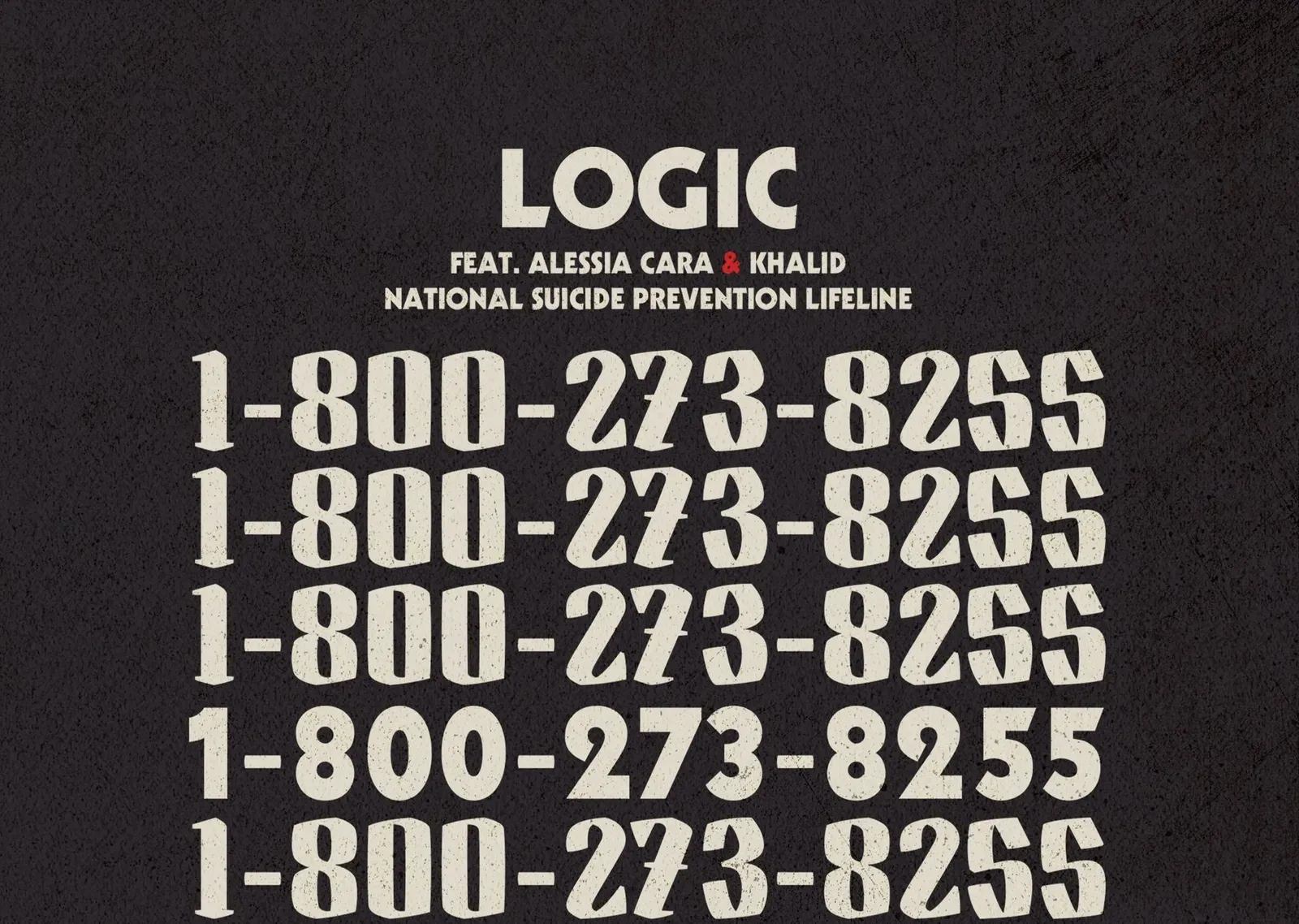
In 2017, rapper Logic released a song titled after the National Suicide Prevention Lifeline phone number, and the track became a hit, detailing a conversation between its subject and an operator on a hotline, cracking the Top 3 of the Billboard Hot 100. The impact was immediate and measurable. According to a study published in the British Medical Journal, the song was associated with roughly a twenty-seven percent increase in calls that year.
The research went further. A study found that in addition to nearly ten thousand more calls to the lifeline, there was also a reduction in suicides among ten to nineteen year olds during three time periods: the first thirty-four days after the song’s release, Logic’s performance at the 2017 MTV awards and an additional widely promoted performance at the 2018 Grammy Awards. That equates to a reduction of 245 suicides below the expected number during those periods. This represents one of the most significant documented cases of a song directly saving through suicide prevention awareness.
Twenty One Pilots’ Message to “Stay Alive”

The band Twenty One Pilots has woven the words “stay alive” into almost everything they direct to their fans, whether in interviews about why they make music or directly mentioned in their lyrics, making the words impossible not to notice. Frontman Tyler Joseph has been open about addressing mental health struggles through his music, creating a community around hope and survival.
Tyler Joseph explained that “Truce” is one of those songs where he just wanted to tell people to hang in there, and that if someone is encouraged at all by the music he writes, then his whole life will be justified. Countless fans have shared personal testimonies online about how the band’s persistent message helped them through suicidal crises. One individual shared that around 2016-2017, they started listening to Twenty One Pilots and the music got them through the roughest parts of those years, with finding out Tyler Joseph has anxiety and everything he had been through really hitting home, ultimately saving their life and giving them the hope needed to carry on.
Bee Gees’ “Stayin’ Alive” Actually Keeps People Alive Through CPR
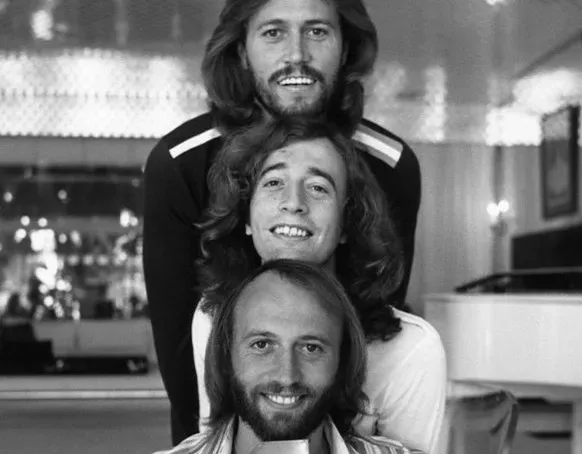
The Bee Gees’ disco classic has found an unexpected life-saving application in medical emergencies. The song has 103 beats per minute, which is almost exactly the rate at which chest compressions should be performed during CPR. The American Heart Association recommends that if you see a teen or adult suddenly collapse, call emergency services and push hard and fast in the center of the chest to the beat of the song, as CPR can more than double a person’s chances of survival.
Research backs this up. A study had subjects perform chest compressions while listening to the Bee Gees song and timing compressions to the musical beat, and the mean compression rate during the primary assessment was within ideal range, with no loss in technique between assessments. A recent study found that training people to give chest compressions to the rhythm of the song helped them to remember the correct rhythm five months later, with properly performed CPR tripling survival rates for cardiac arrest. Real people have used this technique to save loved ones during cardiac emergencies, turning a disco anthem into a genuine medical tool.
Music Therapy in Suicide Prevention Settings

Beyond individual songs, structured music therapy interventions have documented life-saving impacts in clinical settings. Mental health disorders and suicidality are rising among adolescents and young adults while rates of treatment engagement remain notoriously low, yet emerging research supports the potential of music-based interventions to improve mental health. These programs work because they meet people where they are emotionally.
Music therapy interventions have been researched and shown to be effective in psychiatric settings in group treatment. Researchers found unusually high levels of participation and compliance among patients receiving music therapy interventions. The therapeutic use of music in hospital settings, particularly for patients experiencing suicidal ideation, has become an increasingly important component of comprehensive mental health care. Results suggest music-based interventions targeting hope demonstrate promise for music therapy as a treatment option.
Songs With Suicide-Preventive Messages Show Measurable Impact

Media portrayals of overcoming suicidal crises can contribute to suicide prevention through what’s termed the Papageno effect, and a recent study became the first to utilize an experimental design to investigate the suicide-preventive impact of popular music, with participants listening either to three songs with explicit suicide-preventive messages or three matched songs from the same artists without such messages. The results showed meaningful differences in outcomes.
Numerous experimental and correlational studies have tested the hypothesis that media stories of hope, healing, and recovery can positively contribute to suicide prevention, with supporting evidence from studies investigating different media including newspaper articles, fictional movies, documentaries, public service announcements, suicide-prevention websites, and social media influencers, with meta-analytic evidence supporting the Papageno effect hypothesis. This research validates what many people experiencing mental health crises have known intuitively: the right song at the right moment can change everything.
The Broader Impact of Life-Affirming Music

Evidence suggests that popular musicians are an at-risk occupational group for suicide, with the deaths of famous musicians reinforcing culturally powerful notions of musicianship and early mortality. Yet musicians also possess unique power to combat this trend. An obvious strategy for preventing suicide is ensuring that all individuals working in the music industry have access to affordable and accessible mental healthcare services, with leaders cultivating partnerships between music organizations and mental health professionals, and engaging musicians and other professionals along with their families in open conversations about mental health and suicide prevention to reduce stigma.
The documented cases continue to accumulate. Research examining the positive impacts of media messaging represents one of the few studies in this area, with results suggesting media coverage focused on hope and recovery from suicide can be an effective prevention strategy. Whether through direct crisis intervention like Logic’s hotline anthem, community-building messages like Twenty One Pilots’ persistent encouragement, or even medical applications like the CPR rhythm of “Stayin’ Alive,” music continues to prove its power as a force for survival and healing.