Television has been part of everyday life for more than seven decades, and in that time it’s collected quite a few legends around it. Some of these beliefs got passed down from parents, some came from old newspaper stories, and others just feel true because they’ve been repeated so often. The trouble is, many of them don’t hold up once you look at the actual evidence.
It’s worth going through these myths carefully, not to be pedantic, but because a few of them have genuinely shaped behavior, parenting choices, and even viewing habits in ways that were never really necessary. Here are six of the most stubborn ones.
Sitting Too Close to the TV Will Damage Your Eyes

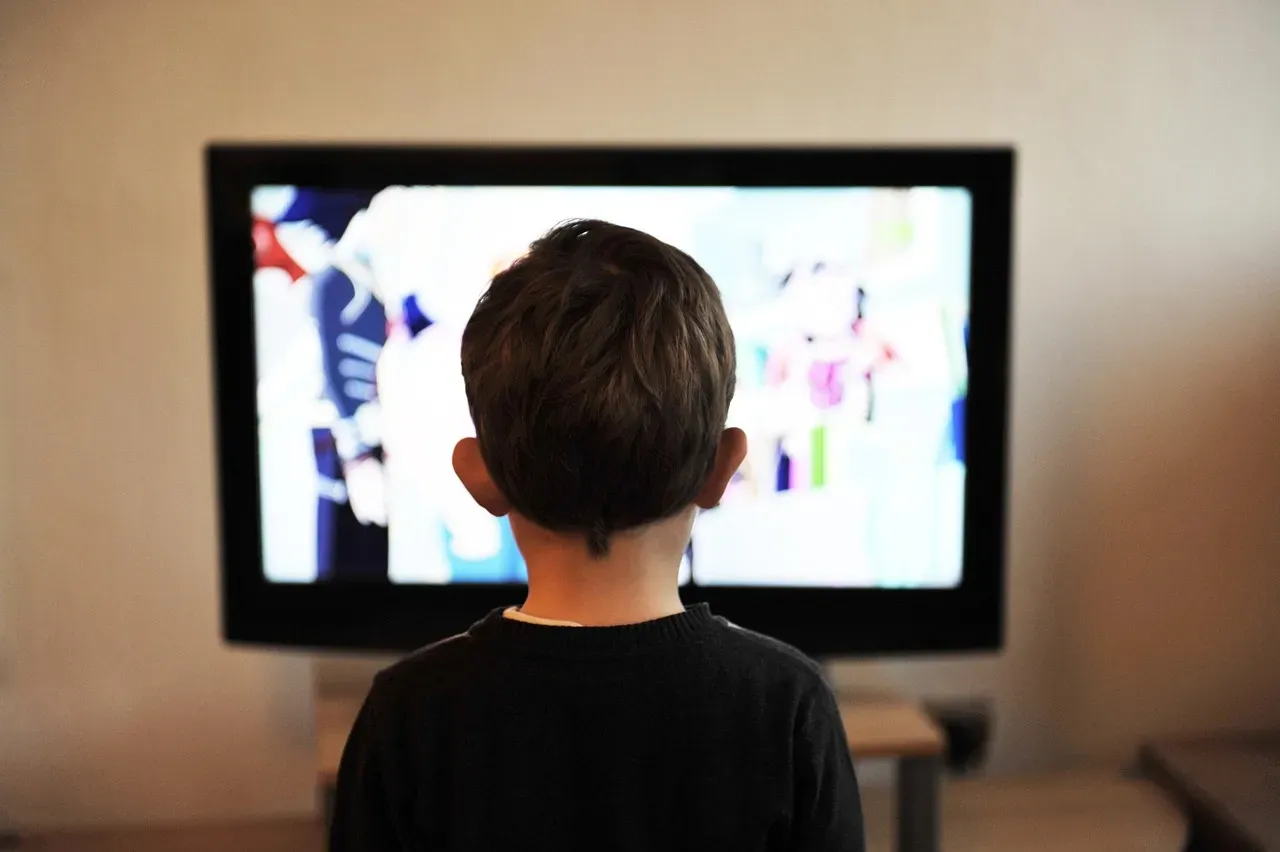
This might be the most repeated piece of TV-related parenting advice in history. Generations of children were pulled back from the screen with firm warnings about ruined eyesight. Contrary to the popular myth, sitting too close to a TV will not damage your eyes, though it may cause eyestrain. The American Academy of Ophthalmology has been clear on this point for years.
Sitting close to the television may cause temporary eye strain or fatigue, but it does not cause permanent damage to your eyesight. This myth likely started when TVs first entered households and parents were concerned about children’s habits. In reality, children tend to sit closer to screens because they can focus at a shorter distance better than adults can. So rather than a sign of danger, it was often just a sign of how young eyes naturally work.
Older TVs Emitted Dangerous Levels of Radiation

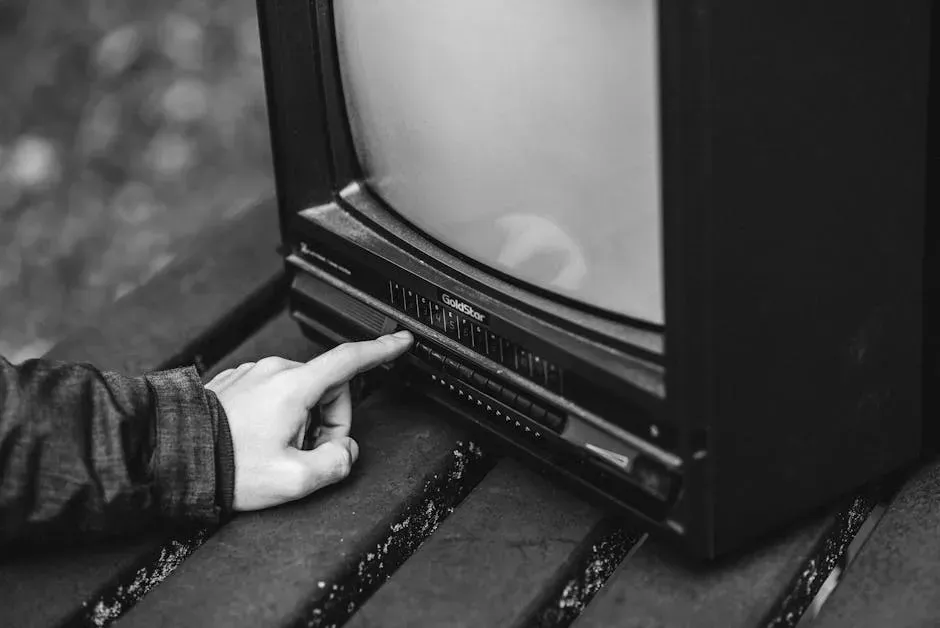
There’s a kernel of history in this one, which is exactly what made it stick. This myth prevails because back in the 1960s, General Electric sold some color TV sets that emitted excessive amounts of radiation. GE quickly recalled and repaired the faulty TVs, but the stigma lingered. From that single incident, a widespread fear was born that never quite went away.
Modern flat screen TVs do not emit any radiation and are absolutely safe. Older generation tube TVs did have problems with emission of X-rays due to the use of high voltages and an electron gun beam. Some tube TVs made by GE in the 1960s had more than the permitted levels of X-ray radiation and it made headline news. The media talked about death rays and cancer from TV, which led to widespread fear. That fear outlasted the technology that caused it by several decades.
Watching TV in the Dark Is Bad for Your Eyes

This one feels intuitive, because your eyes do work harder when the contrast between a bright screen and a dark room is extreme. The discomfort is real. The permanent damage, however, is not. Decades of research have not turned up any evidence that your eyes are harmed by watching television in a dark room. You may experience some eyestrain or visual fatigue from viewing your favorite shows in the dark, but the effect is transitory and doesn’t cause any long-lasting damage.
The claim that using a screen in a dark room is bad for your eyes has absolutely no basis in scientific fact. To be fair, viewing a bright screen in a dark room does have an impact on your eyes, but not in a way that directly affects your vision. Rather, the combination of bright screen and dark room causes you to blink less, and that causes your eyes to dry out. Dryness leads to irritation and aches, but your vision itself suffers no long-term effects.
Partner offer

TV Ratings Tell You Exactly How Many People Watched a Show


A lot of viewers assume that when a network announces viewership numbers, those figures represent a precise headcount. They don’t. Nielsen Media Research employs statistical sampling methods to gather data from a representative subset of households, typically around 9,000 nationally, to estimate the viewing habits of the broader population. From that sample, the total audience is extrapolated out to the entire country.
Another criticism of the measuring system itself is that it fails the most important criterion of a sample: it is not random. A small fraction of the population is selected, and only those that accept are used as the sample size. In many local areas during the 1990s, the difference between a rating that kept a show on the air and one that would cancel it was so small as to be statistically insignificant, and yet the show with the higher rating would survive. It’s a useful approximation, not a scientific census.
Low Ratings Are the Only Reason a Show Gets Cancelled


Fan communities often react to a cancellation with pure outrage, treating ratings as the single deciding factor. The reality is considerably more complicated. Commercial television networks use ratings, in part, to set advertising rates for each program as well as to determine which programs to continue or to cancel. The phrase “in part” is doing a lot of work there.
Production costs, licensing fees, streaming rights, contractual obligations, network scheduling strategy, and advertiser demographics all play a role alongside raw viewer numbers. Often, the number of viewers in the 18 to 49 age range is more important than the total number of viewers. For instance, in the 2007 to 2008 season, ABC could charge considerably more for a commercial during Grey’s Anatomy than CBS charged for CSI, even though CSI had almost five million more viewers. This is because Grey’s Anatomy was popular with the younger demographic groups that advertisers wanted to reach. Total eyeballs, in other words, are not the whole story.
Streaming Has Completely Replaced Traditional TV Viewing

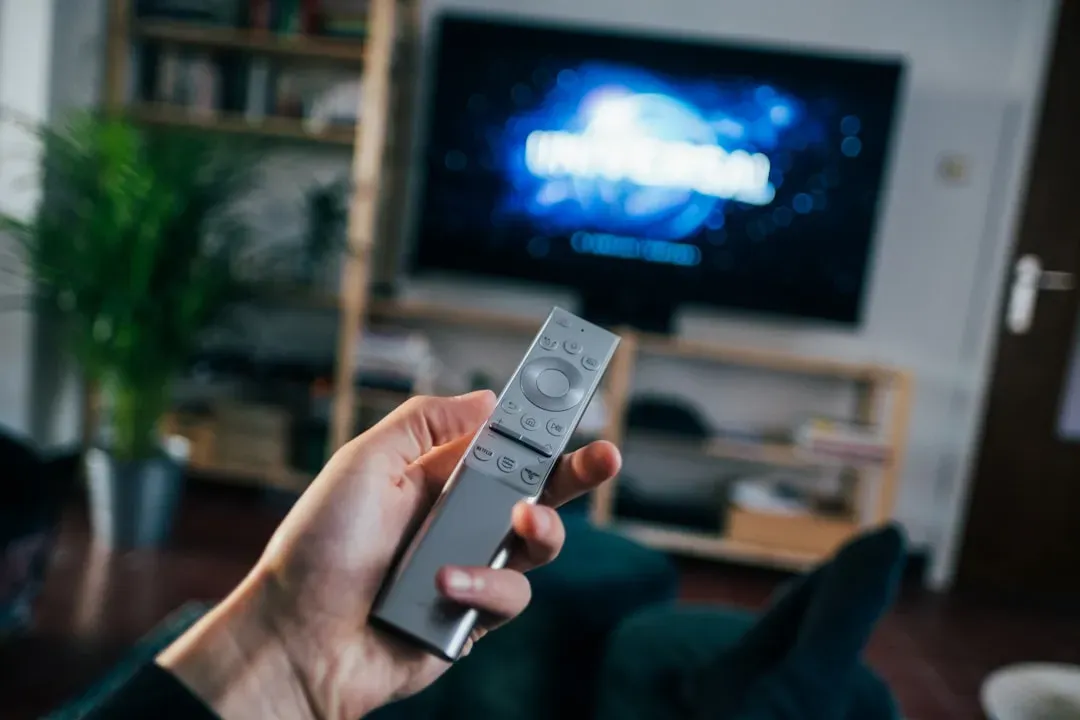
The “TV is dead” narrative has been circulating for years, usually surfacing whenever a major streaming platform posts strong subscriber numbers. It makes for a compelling headline, but the full picture is more nuanced. Broadcast and cable television still command enormous audiences, particularly for live events like sports, award shows, and breaking news, where the communal, real-time experience remains difficult to replicate on a streaming platform.
Nielsen has adapted its methods over the years to account for changes in viewing behavior, such as the rise of digital video recorders and streaming services. That adaptation itself tells you something: the two formats coexist, rather than one having vanquished the other. With the popularization of digital video recorders and streaming media services in the 21st century, the import of Nielsen ratings in the decision making of television executives was significantly impacted, but traditional broadcast viewing never disappeared entirely. The landscape shifted; it didn’t collapse.
Most of these myths persist not because people are gullible, but because they were built on something real, whether a recalled product, observable discomfort, or a simplified version of a genuinely complex system. Once you understand where the grain of truth ends, the myth tends to lose its grip fairly quickly.
Partner offer
Planning a trip to Vegas?
Compare hotel rates and show tickets on VEGAS.com.