


There’s a strange kind of luck in getting cancelled. Most shows that go on too long eventually stumble – the pacing softens, the characters drift, the writing loses the spark that made the first season feel urgent. A premature cancellation, painful as it is for fans, sometimes freezes a show at its best, leaving only the brilliant version behind.
These six series left the air before they had the chance to disappoint. Whether it was a network executive’s short-sightedness, a budget dispute, or simply the wrong timeslot, each cancellation hardened into a kind of myth. What remains is the work itself, untouched by diminishing returns.
Firefly (2002–2003)

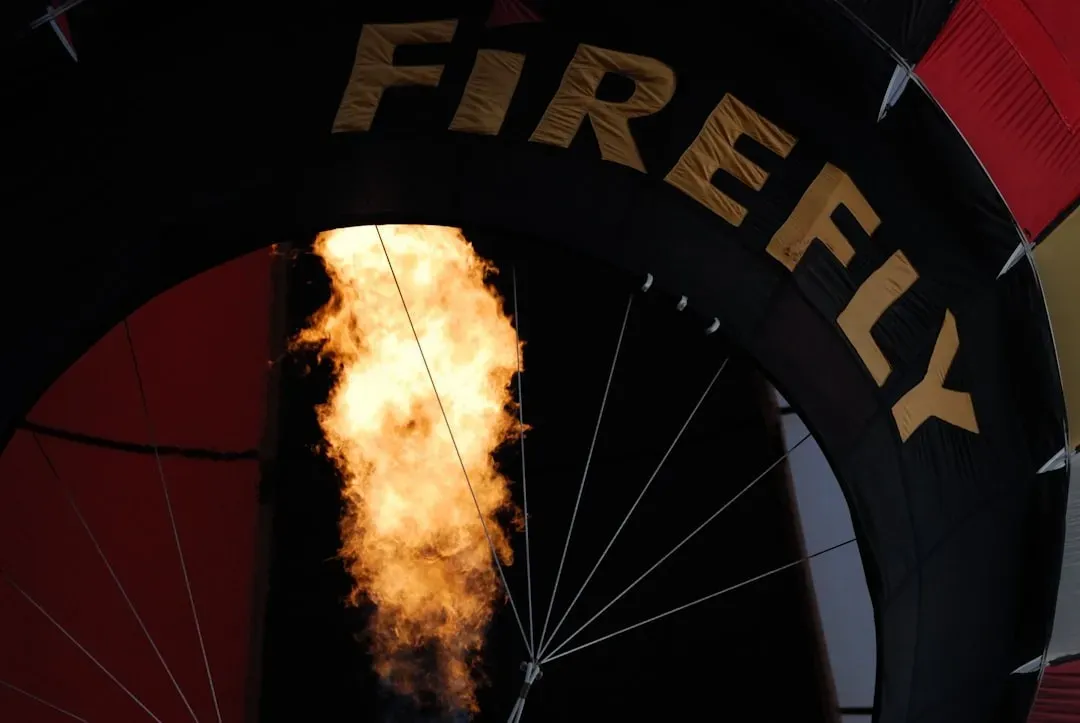
Firefly is a riveting space western set on an intergalactic frontier full of pioneers, gunslingers, and train robbers – the perfect intersection between two classic genres, and it deserved to be a hit. Fox made the baffling decision to air its episodes out of order, and the episode that was supposed to be the series premiere was, for some reason, broadcast as the season finale.
Firefly was cancelled by Fox after only one season in 2002, and Fox aired only 11 of the 14 produced episodes, notoriously broadcasting them out of order, which contributed to low ratings. The three unaired episodes were later released on DVD, which helped fuel the passionate fan campaign that led to the 2005 film Serenity. Despite its premature end, the show inspired that feature film which aimed to tie up loose ends, and its unique genre mash-up and strong character development have influenced numerous sci-fi series, making it a beloved staple in the genre.
Freaks and Geeks (1999–2000)

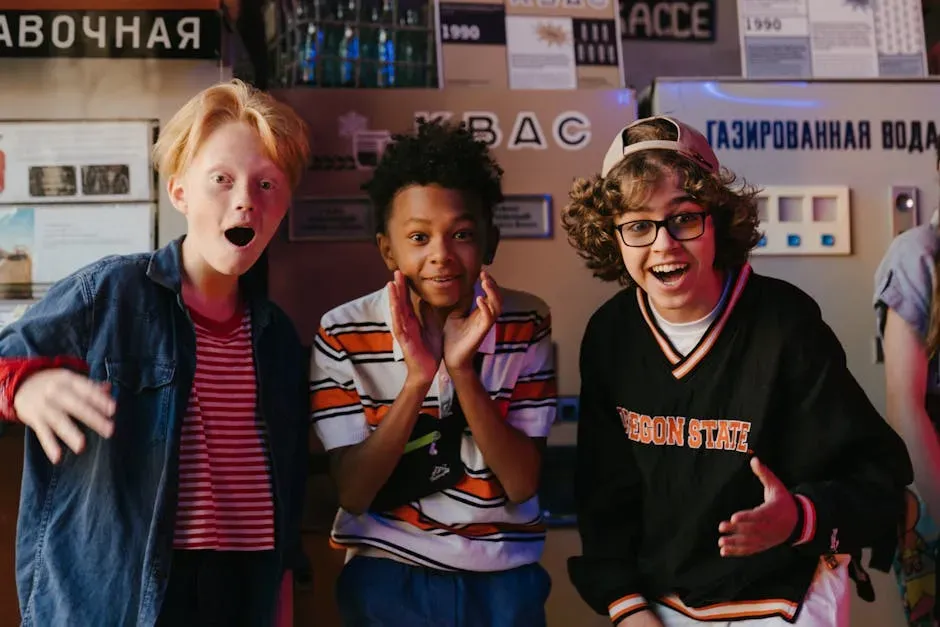
From Bridesmaids director Paul Feig, Freaks and Geeks was a beloved NBC teen dramedy set in suburban Detroit in the early 1980s. The short-lived show helped launch the careers of numerous young actors like Linda Cardellini, Seth Rogen, Jason Segel, and Busy Philipps, but the show was cancelled by NBC after just 12 episodes. Despite widespread critical acclaim, the show’s irregular airing schedule made it challenging for the series to find its audience.
Praised for its authenticity in depicting teenage life, many of its episodes were often sad, awkward, and troubling. Unfortunately, this clashed with the network’s vision: NBC wanted the characters to be cooler and the storylines to be happier and more uplifting. The writers stuck to their guns, and NBC eventually lost faith and cancelled it after only one season. Despite airing for only one season, its authentic portrayal of teenage struggles has influenced many coming-of-age shows, and its honest storytelling and relatable characters continue to be celebrated as a benchmark for high school dramas.
Deadwood (2004–2006)


Deadwood, HBO’s 2004–2006 drama, subverted and reinvented the Western. Set in the gold-mining boomtown of Deadwood, South Dakota, in the 1870s, creator David Milch depicted frontier America more realistically than any other filmmaker had really attempted, presenting a frightening and violent world full of complicated individuals trying to make their fortune before civilized society catches up with them. Led by Ian McShane as Al Swearengen and Timothy Olyphant as Seth Bullock, the show earned eight Emmy Awards, while McShane won a Golden Globe for Best Actor in 2005.
Cost was a huge issue: Deadwood was expensive to produce, with period pieces, a large ensemble cast, location shoots, and elaborate sets, costing a jaw-dropping sum per episode, and HBO could not find partners to agree to split the bill. Ever since its surprise cancellation in 2006, there had been rumors of a movie to close the stories that transpired in that South Dakota town. It wouldn’t be until 2019 that Deadwood: The Movie saw the light of day, with all main characters rejoining creator David Milch to bring the film to life. The film holds a 98% approval rating on Rotten Tomatoes based on 89 reviews.
Partner offer

My So-Called Life (1994–1995)


Premiering in 1994, My So-Called Life offered a raw and honest look at adolescence, starring Claire Danes as Angela Chase as the series tackled issues like identity, love, and family dynamics. Claire Danes received universal praise for her performance, and Jared Leto’s Jordan Catalano became one of the seminal crushes of the decade. The show continues to live on as one of the best teen dramas of all time, and its nostalgic appeal has drawn in new viewers over the years.
Only 19 episodes aired before ABC cancelled it. That final episode left viewers on a cliffhanger, and fans are still wondering what happened. It was a stunning, honest, timeless show that absolutely deserved more time. Although it lasted just one season, its impact was profound, with its realistic depiction of teen life garnering critical acclaim, and its influence is evident in later teen dramas that strive for authenticity and depth.
Hannibal (2013–2015)


Hannibal made its debut on NBC in 2013 and immediately became a critical darling, with many hailing it as just the sort of high-style, high-concept, and deeply unnerving series one rarely sees on network television. The first two seasons each won the Saturn Awards for Best Network Television Series, while both Mikkelsen and Dancy won Best Actor, with Laurence Fishburne winning Best Supporting Actor for season two. The third and final season won the inaugural Best Action-Thriller Television Series award.
By Season 3, ratings had plummeted to the point of drawing below half a rating point in the 18-49 age demographic, and following the Season 3 finale, Hannibal was officially cancelled. From the beginning, creator Bryan Fuller had stated that he wanted to do six seasons of Hannibal. Even as solid as all three seasons were, pretty much every fan would confirm the series reached bold creative and narrative heights in its third season, capped with a blood-spattered finale – but that audacious finale ended up serving as the series finale, leaving the fanbase starved for another chapter.
Pushing Daisies (2007–2009)


Bryan Fuller’s Pushing Daisies was a visual treat, blending whimsy and dark humor in a tale about a pie-maker with the power to bring the dead back to life, and its vibrant aesthetic and clever storytelling earned it numerous accolades, including several Emmy Awards. The colors were dazzling, the wordplay fantastic, and the characters superb – two seasons were simply not enough to tell the love story between Ned and Chuck.
In a time of reality TV dominance, there was no room for the pie maker with the magic touch. Despite its cancellation after two seasons, the show’s unique tone has inspired later dramedies to embrace more experimental styles, showcasing the power of imaginative storytelling. Its whimsical style, colorful visuals, and sweet romance between Ned and Chuck won fans over, but the show ended after two seasons, leaving its magical story unfinished. It remains one of those rare cases where the premise was so specific and so fragile that a longer run might have slowly dismantled the very charm that made it worth watching.
The shows that get cancelled early tend to become the ones people argue about longest. They never got old. They never coasted. Their creators never ran out of ideas on screen, because they never got the chance to. That’s a strange kind of preservation – not the ending anyone wanted, but sometimes the one that keeps the legend intact.
Partner offer
Planning a trip to Vegas?
Compare hotel rates and show tickets on VEGAS.com.


