There’s a quiet shift happening in how people think about collecting. What once felt like a passion project, something kept in a glass case or a climate-controlled room, has increasingly become a legitimate asset class. This rise in popularity can be partly attributed to the consistent appreciation that music memorabilia has demonstrated over time. While traditional investments like stocks and real estate have their merits, collectibles in the realm of music establish a profound connection to something deeply personal and meaningful, with the potential to appreciate financially as time goes by.
Investment-grade music memorabilia refers to items positioned in the top tier of the collectibles market: pieces that combine exceptional quality, proven authenticity, documented provenance, meaningful rarity, and sustained desirability among serious collectors. These are objects that command premium prices at major auction houses and can be bought or sold without significant value loss over time. The six categories below represent some of the most compelling examples of that principle in practice.
Stage-Played Guitars from Iconic Artists
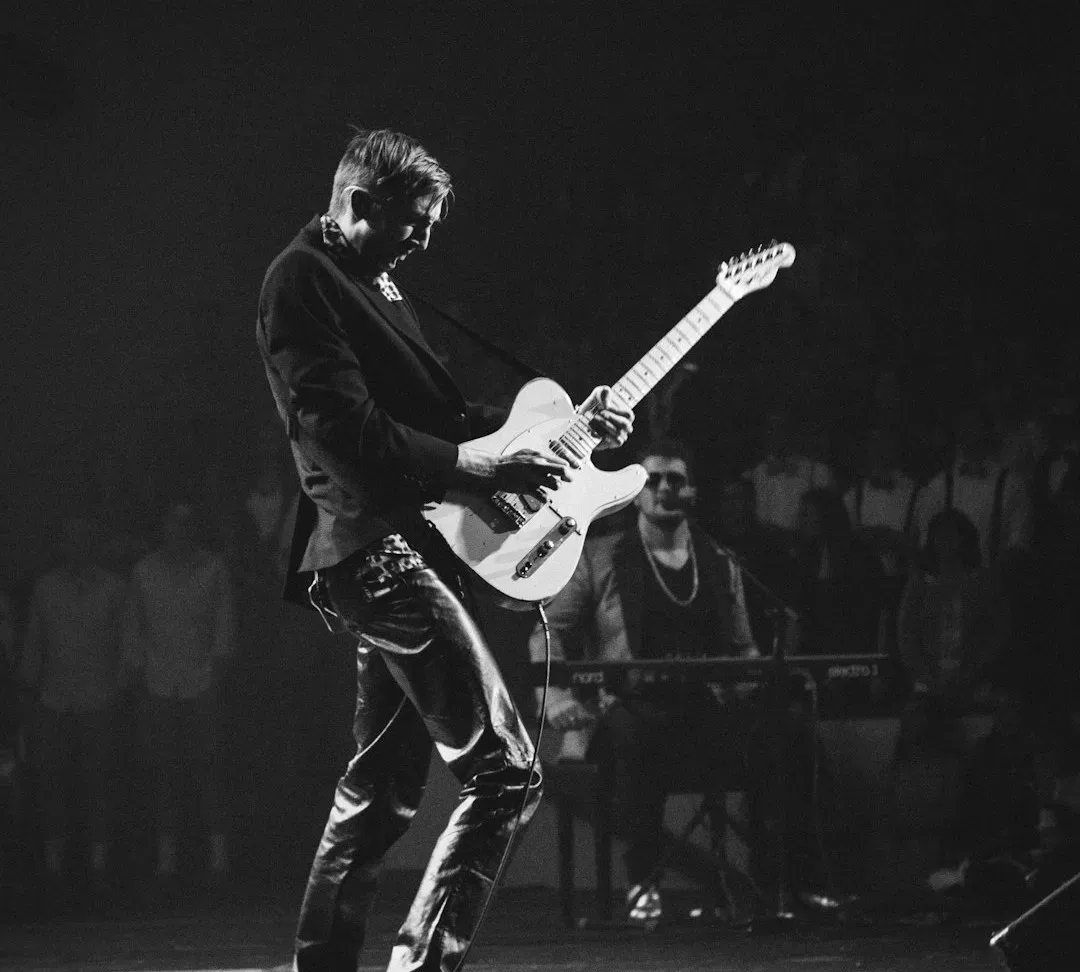
The online music instrument marketplace Reverb found that in 2025, the overall values of quality vintage instruments had risen by roughly ten to thirty percent, with the rarer models fetching the biggest increases. That trend is backed by some extraordinary recent benchmarks. At Julien’s Auctions, the acoustic-electric guitar played by Kurt Cobain during Nirvana’s acclaimed MTV Unplugged performance sold for $6,010,000, far surpassing its original estimate of $1 million.
That single sale set five world records simultaneously: most expensive guitar, most expensive acoustic guitar, most expensive Martin guitar, most expensive piece of memorabilia, and most expensive Nirvana memorabilia. George Harrison’s Futurama guitar went under the hammer in 2024, fetching nearly $1.3 million and setting a record as the most expensive Harrison guitar ever sold at auction. The instrument was one of two he used most frequently during his time with The Beatles, played in over 324 performances and used on their first official recordings. The pattern is clear: guitars tied to a specific, irreplaceable moment carry a value that only grows.
Handwritten Song Lyrics and Manuscripts
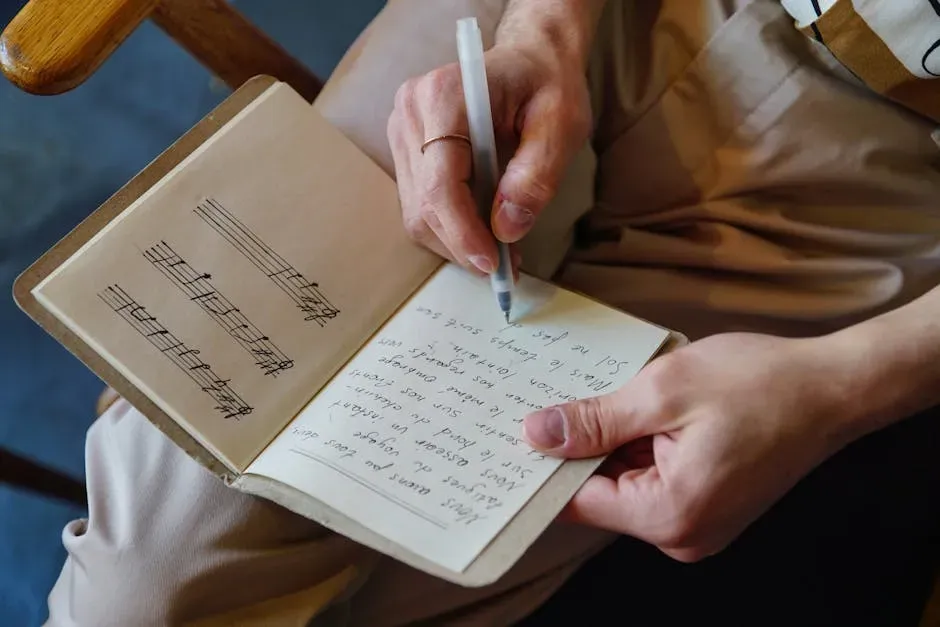
Few things in music collecting are more intimate than a page of handwritten lyrics. In 2014, a draft of lyrics to Bob Dylan’s “Like A Rolling Stone” was sold at auction and the sale allegedly set a world record for the most expensive music manuscript. The handwritten lyrics, said to be the only surviving final draft of the song, sold for just over $2 million, with four pages of notes in pencil full of lyrics, scribbles, and doodles.
The original drafts of Bob Dylan’s “Mr. Tambourine Man,” which offer a rare glimpse into his creative process, were sold for $508,000 at a Julien’s Auctions event in Nashville in early 2025, adding to the heightened interest in Dylan’s legacy following the release of the biopic A Complete Unknown. In 2020, Paul McCartney’s hastily scribbled notes for “Hey Jude” sold for $910,000 during an auction of more than 250 items of Beatles memorabilia, reaching about nine times the estimated price. Handwritten manuscripts occupy a rare category: they’re genuinely one-of-a-kind, tied to a specific creative mind at a specific moment in time.
Stage-Worn Costumes and Iconic Clothing
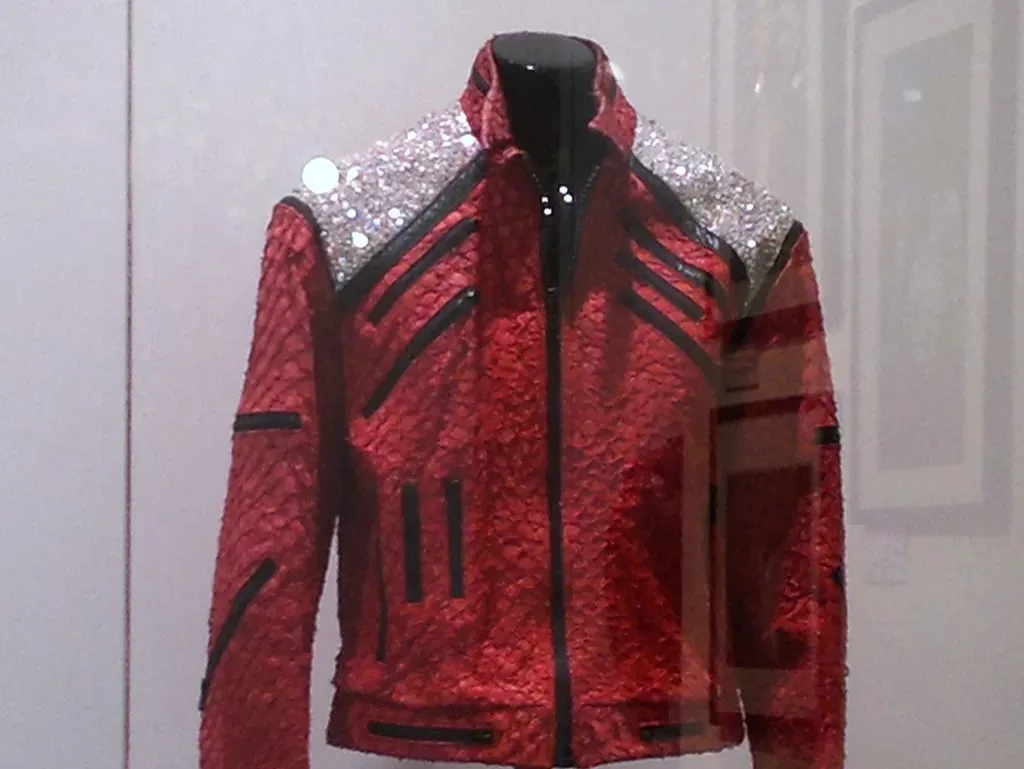
Stage-worn costumes and performance-used instruments are among the categories fast escalating in value within the music memorabilia world. The numbers confirm it. Michael Jackson’s black and red jacket, one of two worn by the King of Pop in his iconic Thriller music video, fetched $1.8 million at auction in 2011 when inflation is accounted for.
The sweater Kurt Cobain wore during Nirvana’s legendary MTV Unplugged performance in 1993 was sold at auction for $334,000 in 2019. Cobain’s performance, often considered one of the greatest in the show’s history, made the sweater an invaluable piece of rock history, and the price reflects both his lasting influence and the massive popularity of Nirvana. More recently, at a 2024 London auction, Michael Jackson’s tour rehearsal Thriller jacket, autographed by Jackson, director John Landis, and costume designer Deborah Nadoolman Landis, sold for £189,000. Provenance and the specific event the piece is tied to matter enormously in this category.
John Lennon and Beatles Memorabilia
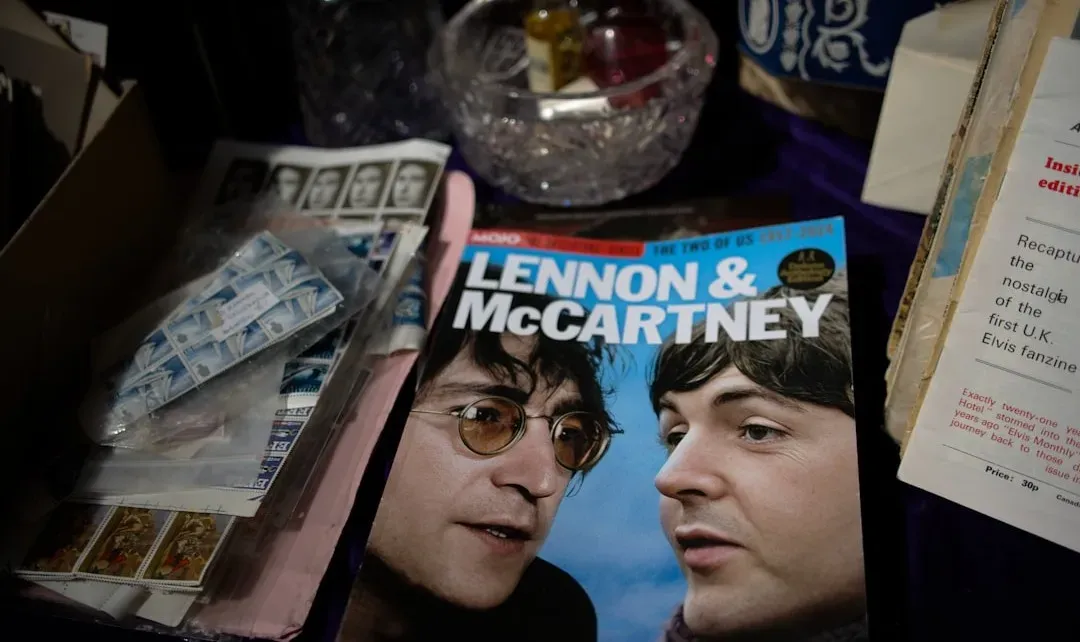
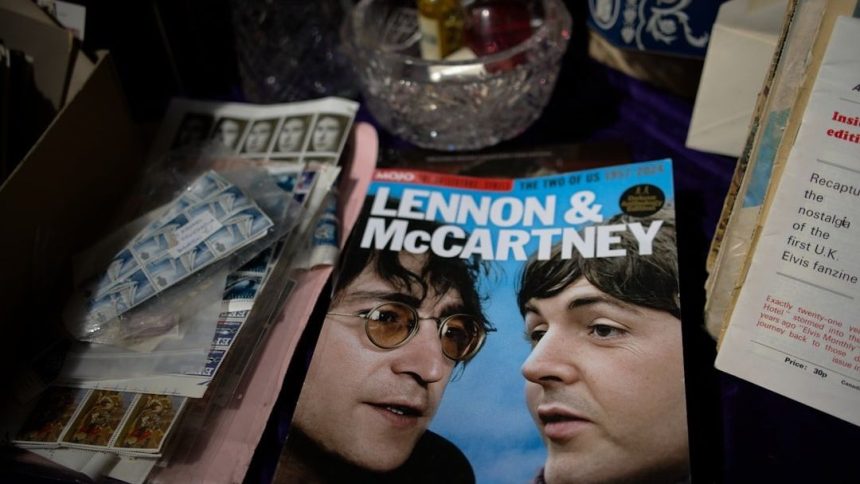
Beatles items occupy their own tier in the collecting world, holding sustained demand across generations and continents. The sale of John Lennon’s long-lost 1965 Framus Hootenanny acoustic guitar at Julien’s Auctions in 2024 reached $2.85 million, more than quadruple its pre-auction estimate, setting a new world record for the most expensive Beatles guitar ever sold and cementing the enduring legacy of the musician.
The Beatles’ “Butcher” album cover, famously pulled from circulation due to its controversial design, remains one of the most sought-after pieces of Beatles memorabilia, with an original unpeeled copy capable of selling for over $125,000 at auction. The cover, depicting the band dressed in butcher smocks with doll parts and raw meat, remains one of the most iconic and rare images in music history. A Beatles “Sgt. Pepper” album signed by all four members fetched $290,500 at Heritage Auctions in 2024. The breadth of what qualifies as valuable Beatles material, from guitars to album artwork to signed records, makes this arguably the most versatile collecting category in all of rock history.
Rare Vintage Concert Posters
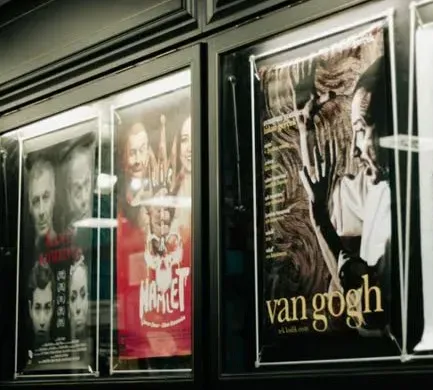
Concert posters from the 1960s and 1970s have moved well beyond nostalgia into genuine blue-chip territory. Original 1967 San Francisco psychedelic posters, early Beatles tour announcements, and rare items from landmark festivals like Monterey Pop or Woodstock have become blue-chip holdings in the poster category. Condition is everything here: a well-preserved example from a celebrated venue or festival can be worth many times what a creased or faded copy fetches.
Original 1969 Woodstock tickets in excellent condition, early Beatles U.S. tour programs, or backstage materials from historic performances carry real value when provenance is clear. Items directly linked to landmark recordings, tours, or broadcast performances, such as MTV Unplugged, Live Aid, or Woodstock, tend to be more investable than generic or later-era pieces. A Led Zeppelin 1969 Crawford Hall poster sold for over $23,000 at auction, a figure that illustrates how even secondary poster items from that era command serious prices when they can be authenticated. The scarcity of undamaged examples from that era only increases over time.
RIAA Gold and Platinum Record Awards

Music memorabilia associated with Rock and Roll, Blues, and Jazz icons has achieved soaring results in both prices and escalating interest, with stage-worn costumes, performance-used instruments, music posters, autographs, handwritten lyrics, rare records, and awards all fast escalating in value. Among awards specifically, RIAA-certified Gold and Platinum records carry a distinct appeal: they’re officially documented, tied to a specific recording, and come with traceable provenance by design.
At Julien’s Auctions’ Music Icons event, a collection of iconic RIAA Gold Single Records from the Julian Lennon Collection sold for $28,575, far exceeding estimates, and the entire collection garnered over $570,000 in total. Investment-grade memorabilia combines exceptional quality, proven authenticity, documented provenance, meaningful rarity, and sustained desirability. Award records check nearly every one of those boxes, especially when they come directly from an artist’s personal estate. As original recipients age or pass, estate-sourced awards tend to carry a premium that the secondary market can’t easily replicate.
As a unique and finite asset, music memorabilia can provide a hedge against inflation. As time progresses, the rarity of these coveted items only increases, making them increasingly sought after by collectors and enthusiasts alike. Whether the draw is the cultural weight of a handwritten lyric sheet or the tactile history of a stage-played guitar, the pieces that hold their value longest share one trait: they connect an object directly, and verifiably, to a moment in music history that cannot be recreated.