There’s a particular kind of commitment that goes beyond memorizing lines or hitting a mark. Some performances demand an actor become something they simply weren’t before the cameras rolled, whether that means picking up an instrument, mastering a physical discipline, or rewiring the way they speak. The results are often the difference between a performance that feels staged and one that feels lived. What follows are seven cases where an actor didn’t just study a role. They built a new ability from scratch, sometimes over years, just to make a single film or performance ring true.
1. Natalie Portman learned classical ballet for Black Swan
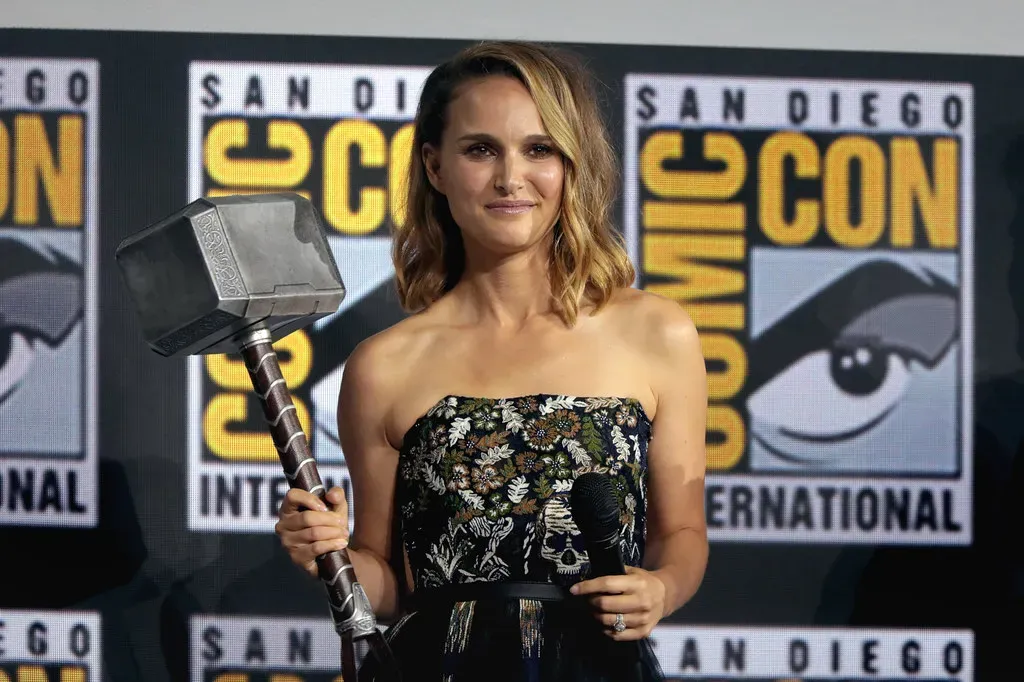
Natalie Portman had taken ballet lessons as a child, but nothing close to the level required to play a professional dancer in Darren Aronofsky’s 2010 psychological thriller. A year ahead of filming, she did two hours of ballet a day, then started cross-training along with three hours of ballet, and two months before filming began working with choreographer Benjamin Millepied. By the final stretch, the training had become almost unrecognizable from where she started.
By the end, she was doing five hours of training and three hours of choreography, then while shooting fifteen or sixteen hour days, she was doing two hours of training before or after, sometimes both. Her instructor, former New York City Ballet dancer Mary Helen Bowers, explained the reasoning behind the punishing schedule. The idea was that if you were going to look and move like a professional ballerina, you had to train like one, since professional ballerinas dance for ten to twelve hours a day, six days a week, for years on end. A body double handled the most technically demanding turns, but the transformation still won Portman the Academy Award for Best Actress.
2. Rami Malek transformed himself into a piano playing frontman for Bohemian Rhapsody
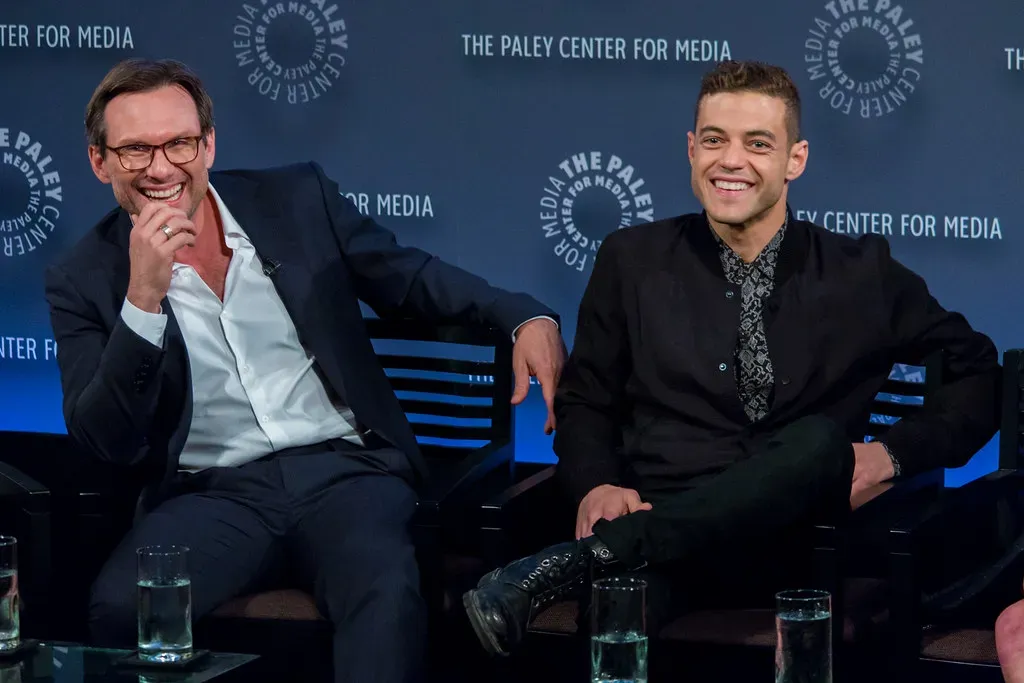
Playing Freddie Mercury for Bohemian Rhapsody meant more than nailing a Queen impression. Rami Malek spent months working with a piano instructor to get his hand movements convincing enough for close up shots, since Mercury’s playing style was distinctive and instantly recognizable to fans. He also worked extensively with a movement coach to recreate the specific way Mercury commanded a stage, from his posture at the microphone to his signature strut across arena floors.
None of that stagecraft came naturally to Malek, who had no serious musical background before landing the role. The physical transformation required prosthetic teeth to replicate Mercury’s overbite, which changed how Malek had to speak and sing throughout production. Between the piano work, the choreography, and the vocal mimicry, the role asked him to essentially learn performance from the ground up, and it paid off with an Academy Award for Best Actor.
3. Margot Robbie became a figure skater for I, Tonya
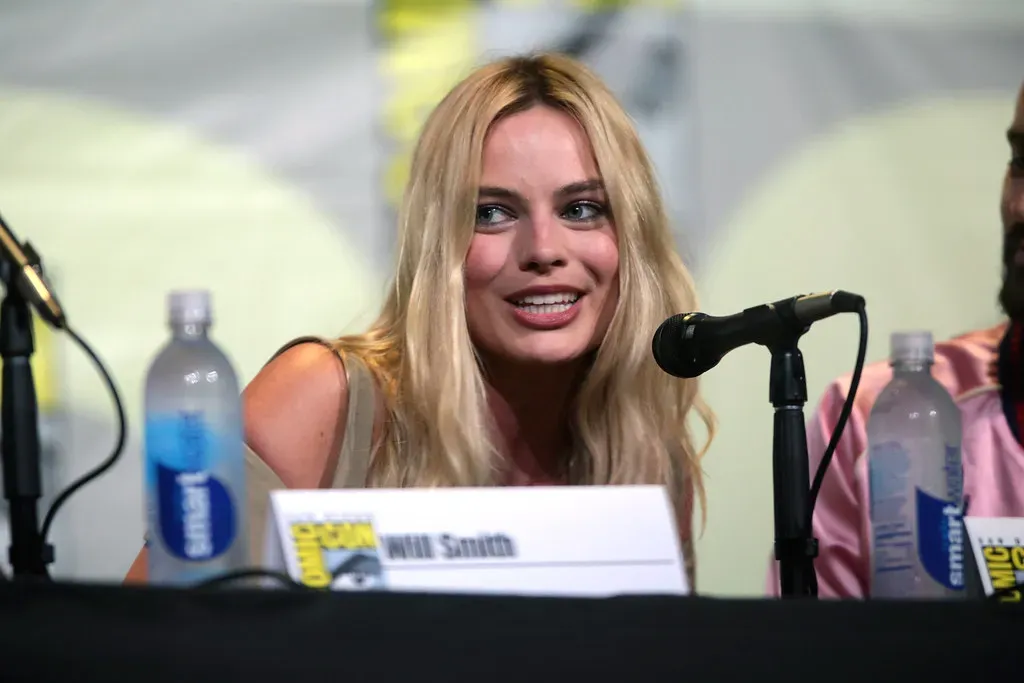
Before signing on to play disgraced Olympic skater Tonya Harding, Margot Robbie had never skated competitively in her life. She worked with skating choreographer Sarah Kawahara for months ahead of filming, practicing regularly, to learn the skills necessary to portray Harding on screen. The sessions started off the ice entirely, with stretching and choreography rehearsed on solid ground before Robbie ever stepped onto a rink.
For five months, Robbie spent four hours a day, five days a week, learning to ice skate, and became something close to obsessed with the sport in the process. Her coach was impressed by how quickly she absorbed the technique. Kawahara said that Robbie ended up executing much of the skating in the film herself, apart from the big jumps and spins, which were performed by doubles. The triple axel that defined Harding’s career proved too dangerous and technically extreme to fake convincingly, so the filmmakers turned to visual effects for that single signature moment.
4. Bradley Cooper spent years learning to conduct for Maestro
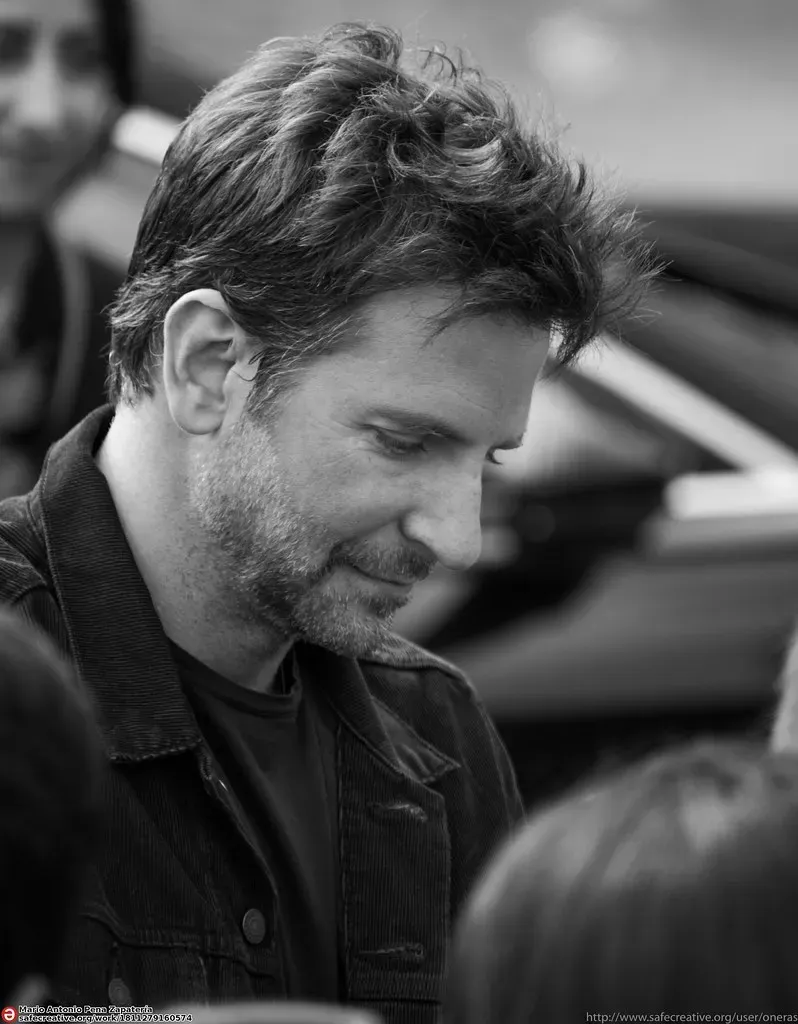
To play Leonard Bernstein in Maestro, Bradley Cooper faced a challenge that had nothing to do with line delivery. Cooper trained for six years with conductor Yannick Nézet-Séguin and others to master the art of orchestral conducting well enough to lead a real ensemble on camera. The centerpiece of that preparation was a single scene depicting Bernstein’s 1976 performance of Mahler’s Resurrection Symphony at Ely Cathedral.
Partner offer
Cooper was recorded live, conducting the actual London Symphony Orchestra, and he spent six years learning how to conduct six minutes and twenty one seconds of music. He studied archival footage obsessively and leaned on his mentor for guidance throughout the process. Nézet-Séguin made videos with all the tempo changes so Cooper had the materials to work through on his own time. The result was a scene many critics singled out as the film’s most demanding technical achievement, six minutes of screen time built on years of unseen rehearsal.
5. Timothée Chalamet mastered guitar and harmonica for A Complete Unknown
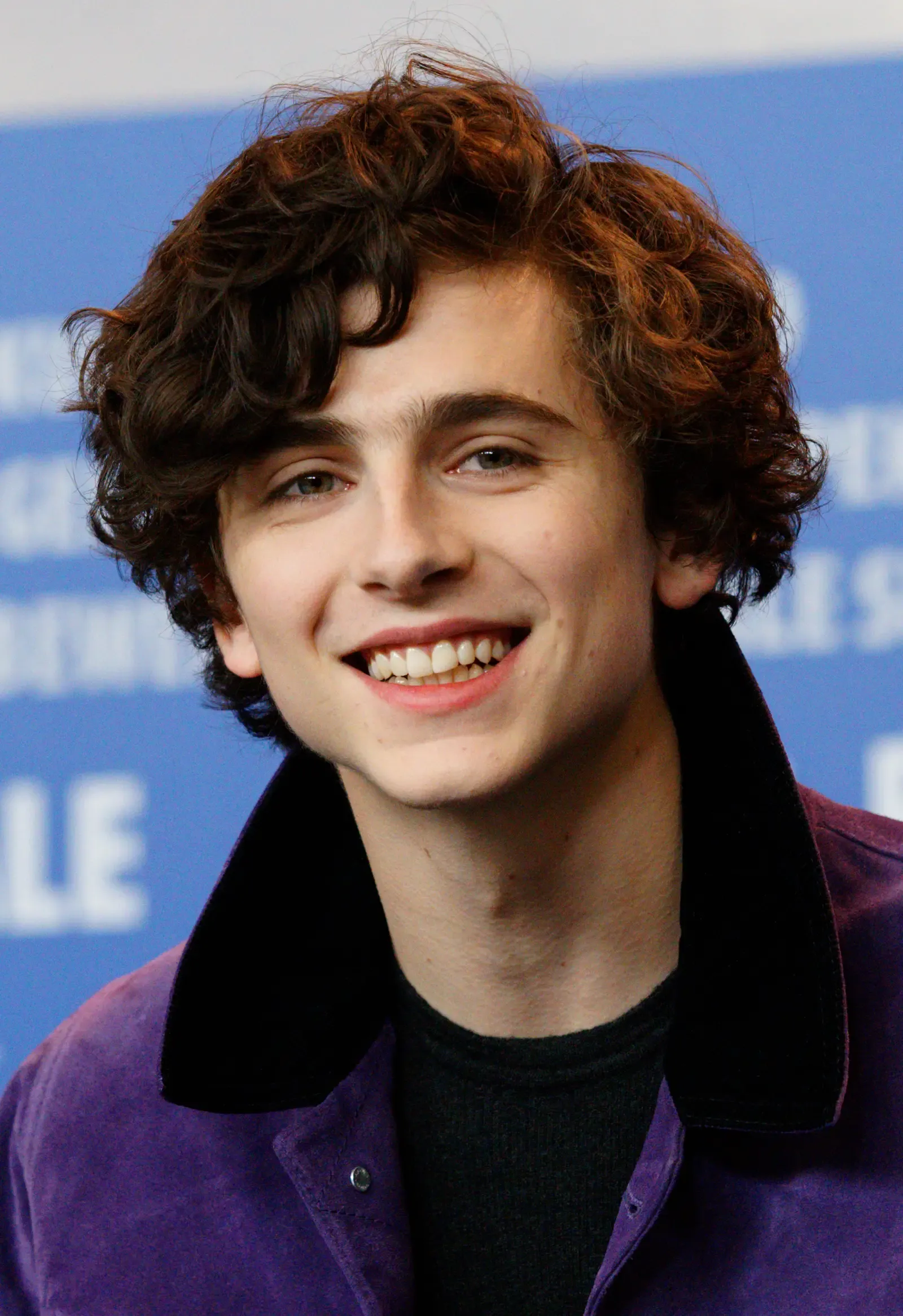
Playing Bob Dylan in A Complete Unknown required Timothée Chalamet to do something few biopic actors attempt: perform the songs live, on camera, with no lip syncing and no safety net. He went full bore into the music, learning to perform thirteen Dylan songs for the film, which involved playing them not only on piano and guitar but simultaneously on harmonica, a skill he learned over five years of intensive lessons with Rob Paparozzi. Layering three instruments and a vocal performance at once is a coordination challenge that took years to make look effortless.
The commitment extended well beyond the instruments themselves. Chalamet also went on a spirit gathering road trip inspired by Dylan’s early years, traveling from Hibbing, Minnesota, to Duluth, then Chicago and Madison, and enlisted a movement coach to help him imitate Dylan’s posture, movements, and stride. His guitar instructor confirmed just how far the actor had come from where he started. He brought Chalamet from near zero guitar proficiency to the point where he was able to play for real as Bob Dylan in his performance. The finished film features Chalamet singing and playing live take after take, a choice the actor pushed for rather than settling for pre recorded vocals.
6. Austin Butler rebuilt his voice from scratch for Elvis
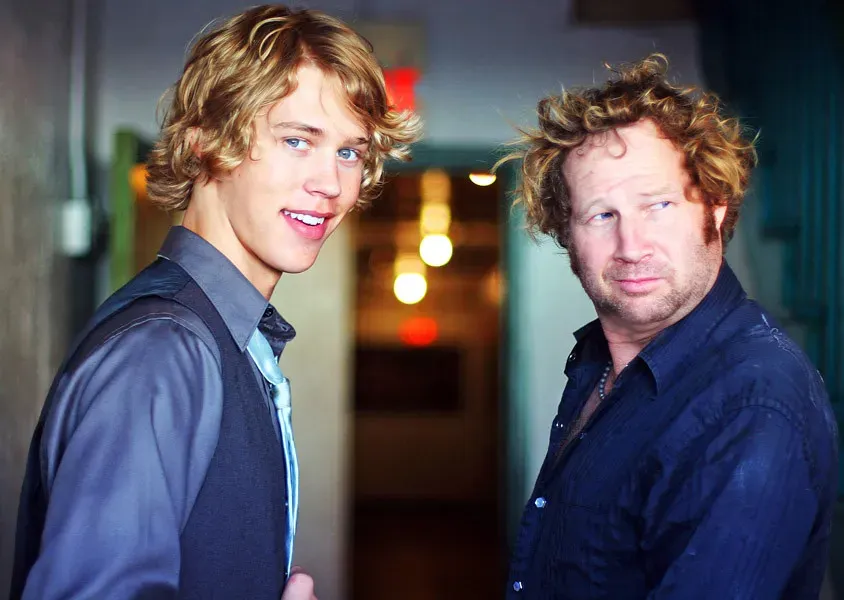
Baz Luhrmann’s Elvis asked Austin Butler to essentially replace his own speaking and singing voice with Presley’s for the length of production. Butler practiced method acting for three years to prepare for the role, watching and reading everything he could about Elvis while learning to sing, play the guitar, dance, and talk like the music legend. The goal wasn’t imitation so much as full absorption of Presley’s rhythm, drawl, and cadence.
That absorption turned out to be almost too effective. Butler later admitted that all he thought about was Elvis for three years, and once filming wrapped he found himself trying to remember who he was and what he liked to do before taking on the part. The transformation lingered long after production ended. Butler eventually needed a dialect coach just to help him stop sounding like Elvis in everyday conversation. Years later, traces of that Southern drawl still surface in interviews, a strange but telling side effect of how completely he rebuilt his voice for the role.
7. Ryan Gosling learned to play jazz piano for La La Land
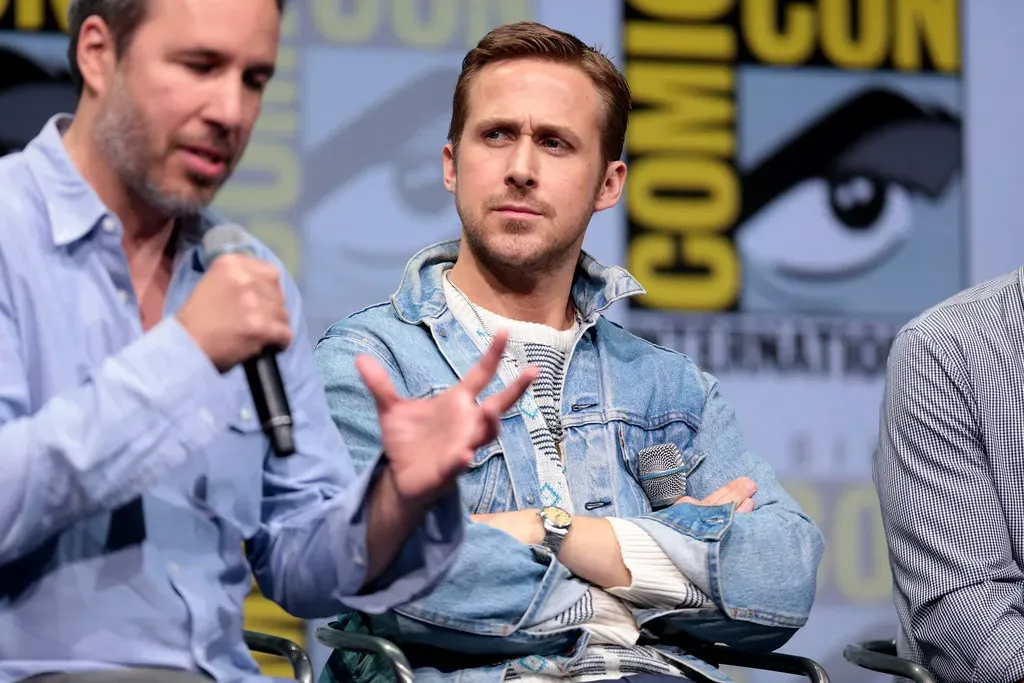
Ryan Gosling’s character in La La Land is a jazz pianist with genuine chops, which meant the actor couldn’t fake his way through the musical numbers with a stand in playing off camera. He spent months taking piano lessons ahead of production, practicing daily to build the finger technique needed for the film’s jazz sequences. Director Damien Chazelle wanted the hands on screen to actually belong to the actor playing the part, so close up shots of Gosling at the keys needed to hold up to scrutiny.
The training paid off in a role that leaned heavily on musical credibility rather than just romantic chemistry with his co star. Gosling has spoken in interviews about how demanding the process was, given that jazz piano requires both technical precision and a feel for improvisation that isn’t easy to fake convincingly on camera. The film’s soundtrack, including its central piano theme, became one of its most recognizable elements, in part because the performance behind it looked and sounded authentic rather than staged.
What connects all seven of these performances is a willingness to trade shortcuts for genuine skill, even when a body double or clever editing might have gotten the job done just as well on screen. Audiences may not always consciously register the difference between a performer faking a skill and one who has actually built it, but something in the texture of the performance usually gives it away. These actors bet that the extra years of lessons, coaching, and repetition would show up in the final cut, and in each case, it clearly did.Partner offer
Planning a trip to Vegas?
Compare hotel rates and show tickets on VEGAS.com.