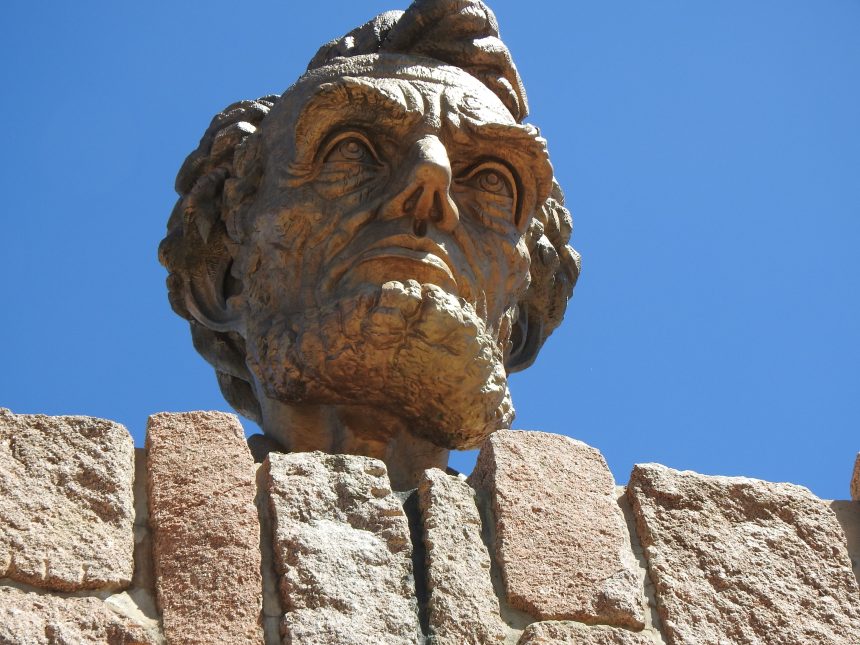
Playing a historical figure once is a challenge. Coming back to the same person decades later, or just a few years on, is something else entirely. The actor has to decide what to keep, what to change and how much of the earlier performance to leave behind.
Cinema has plenty of these return visits, especially with kings, queens and emperors. Here are seven performers who stepped into the same real person’s shoes twice on the big screen, with the films that prove it.
Bette Davis as Queen Elizabeth I

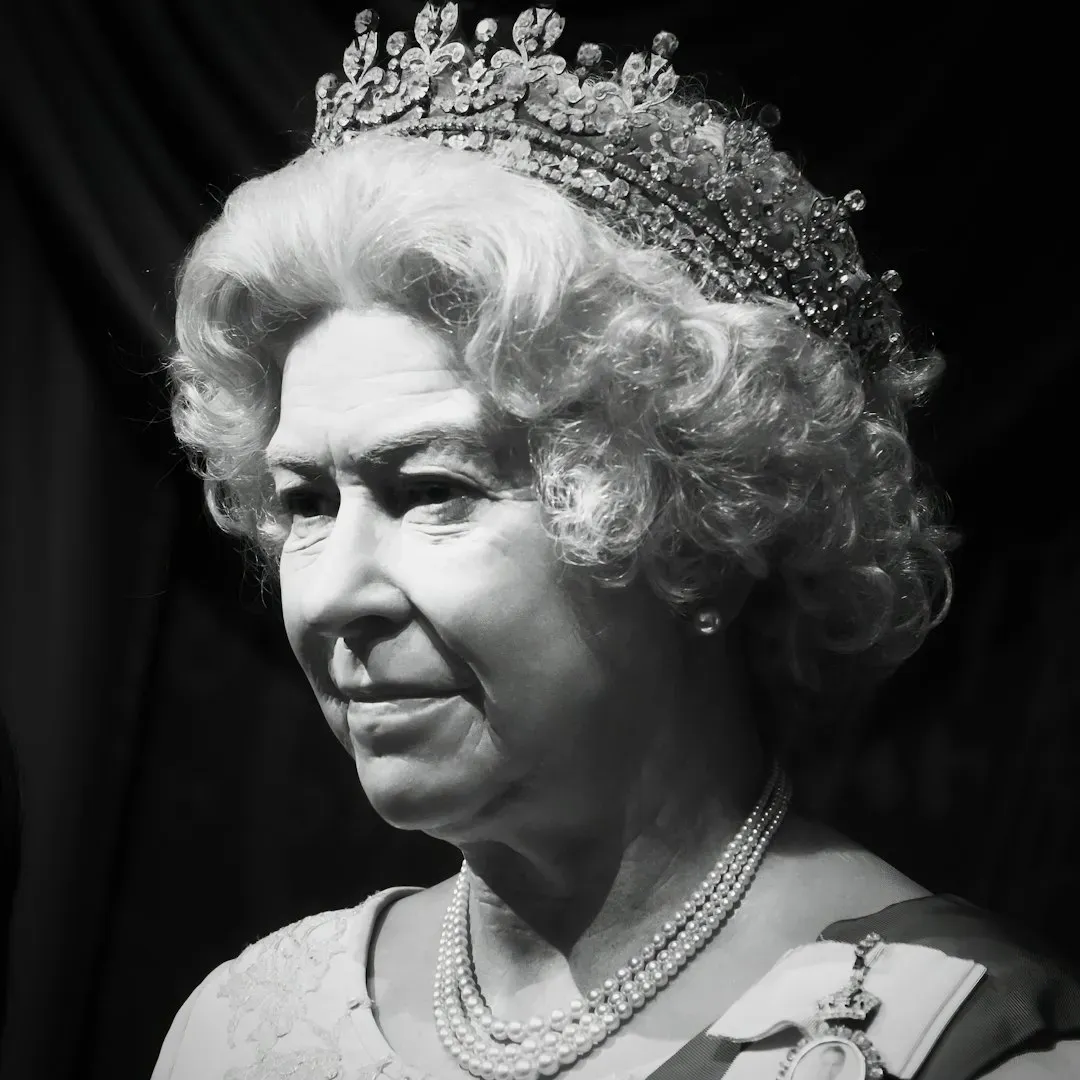
Bette Davis first played the Tudor queen in The Private Lives of Elizabeth and Essex, released in 1939. The film paired her with Errol Flynn as the Earl of Essex and showed a monarch torn between love and power. Davis was only in her early thirties, yet she shaved her hairline back to get the look of an aging queen.
She returned to the role in The Virgin Queen in 1955, this time opposite Richard Todd as Sir Walter Raleigh. By then she was in her late forties and closer to the age of the woman she was portraying. The two films give you a rare chance to see one actor’s reading of a ruler mature across sixteen years.
Charles Laughton as King Henry VIII

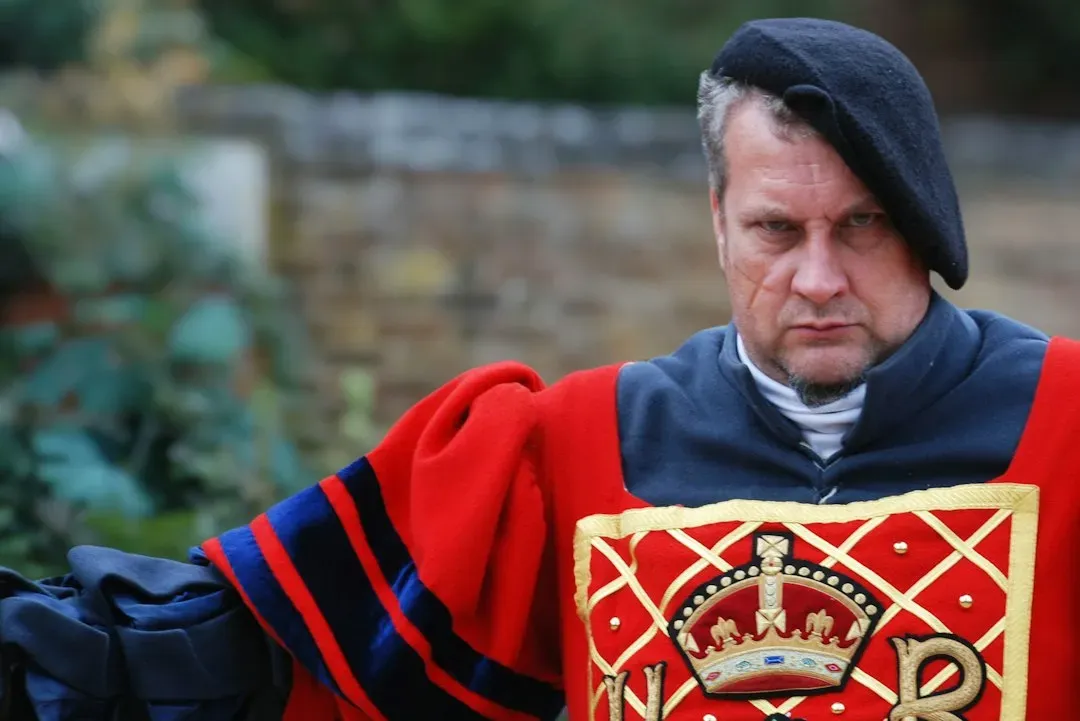
Charles Laughton made Henry VIII a screen icon in The Private Life of Henry VIII in 1933. The performance won him the Academy Award for Best Actor, and the image of the king tearing into a roast chicken became part of film history. It was also a landmark for British cinema, which was still seeking international recognition at the time.
Twenty years later, Laughton played the king again in Young Bess, released in 1953. This time Henry was a supporting presence in the story of his daughter’s youth, with Jean Simmons as the future Elizabeth I. Laughton’s return showed that audiences still wanted his version of the monarch.
Peter O’Toole as King Henry II


Peter O’Toole played England’s Henry II in Becket in 1964, where he starred opposite Richard Burton as Thomas Becket. His king was boisterous and insecure, a friend who ends up in a deadly quarrel with his archbishop. The performance earned him an Academy Award nomination for Best Actor.
He played the same monarch again in The Lion in Winter in 1968, though the setting changed completely. Now Henry was an older man dealing with a scheming family, including Katharine Hepburn as Eleanor of Aquitaine. O’Toole earned another Best Actor nomination, and the pair of films offers a young king and an aging one from the same actor.
Partner offer

Judi Dench as Queen Victoria


Judi Dench first played Queen Victoria in Mrs. Brown in 1997. The film focused on the monarch’s grieving years and her unusual bond with her Scottish servant John Brown, played by Billy Connolly. Dench received an Academy Award nomination for Best Actress for the role.
She came back to Victoria twenty years later in Victoria & Abdul, directed by Stephen Frears and released in 2017. The story covered the queen’s late friendship with Abdul Karim, a young Indian attendant, played by Ali Fazal. The gap between the two films is long, and it lets Dench show the same queen at different stages of her life.
Cate Blanchett as Queen Elizabeth I

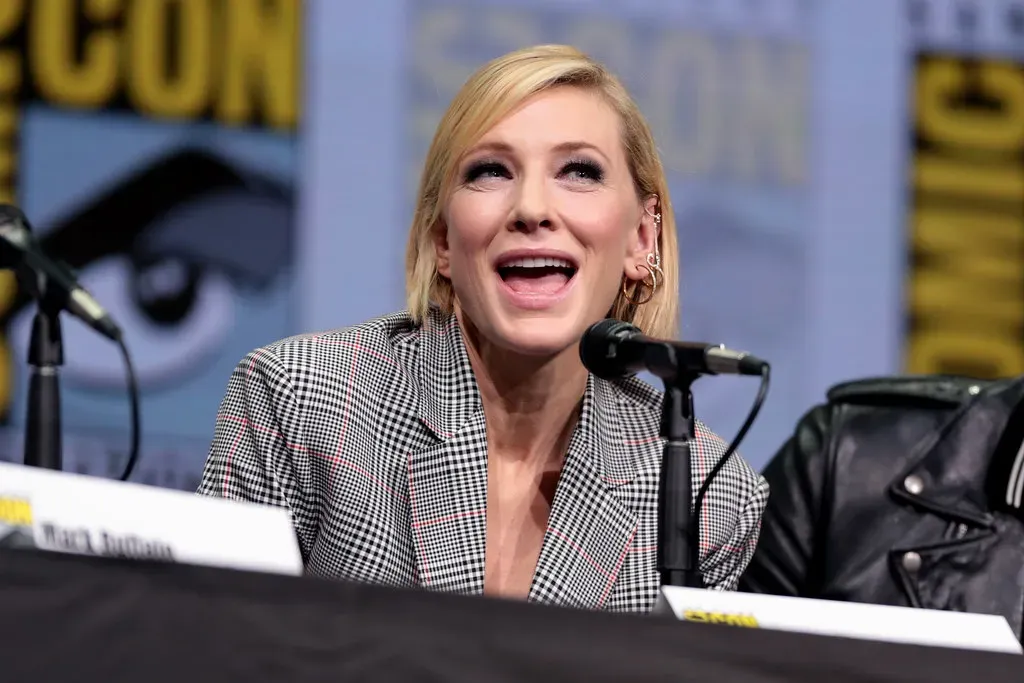
Cate Blanchett broke through internationally with Elizabeth in 1998, directed by Shekhar Kapur. The film followed the young queen’s rise and her hardening into a ruler who understood the price of power. Blanchett was nominated for the Academy Award for Best Actress for it.
She resumed the role in Elizabeth: The Golden Age in 2007, which dealt with the Spanish Armada and the queen’s friendship with Sir Walter Raleigh, played by Clive Owen. Blanchett earned another Best Actress nomination for it. The sequel presented a more settled and more guarded monarch than the first film’s anxious young woman.
Ian Holm as Napoleon Bonaparte

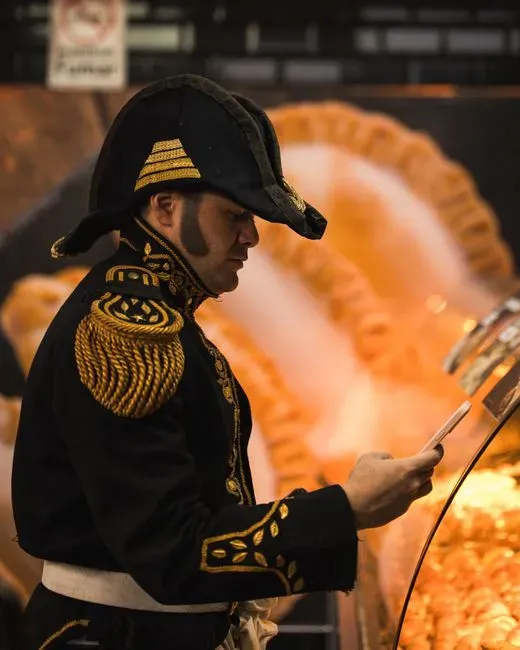
Ian Holm played Napoleon twice in very different kinds of movies. In Terry Gilliam’s fantasy comedy Time Bandits, released in 1981, he was a vain, short tempered emperor who is thrilled by a puppet show of battles. It was a comic, exaggerated take and a fan favorite.
Holm returned to Napoleon in The Emperor’s New Clothes in 2001, directed by Alan Taylor. This film imagined the exiled emperor escaping with the help of a lookalike, and it gave Holm the chance to play both sides of the idea. The role was more reflective than the cartoonish version from two decades earlier.
Raymond Massey as Abraham Lincoln

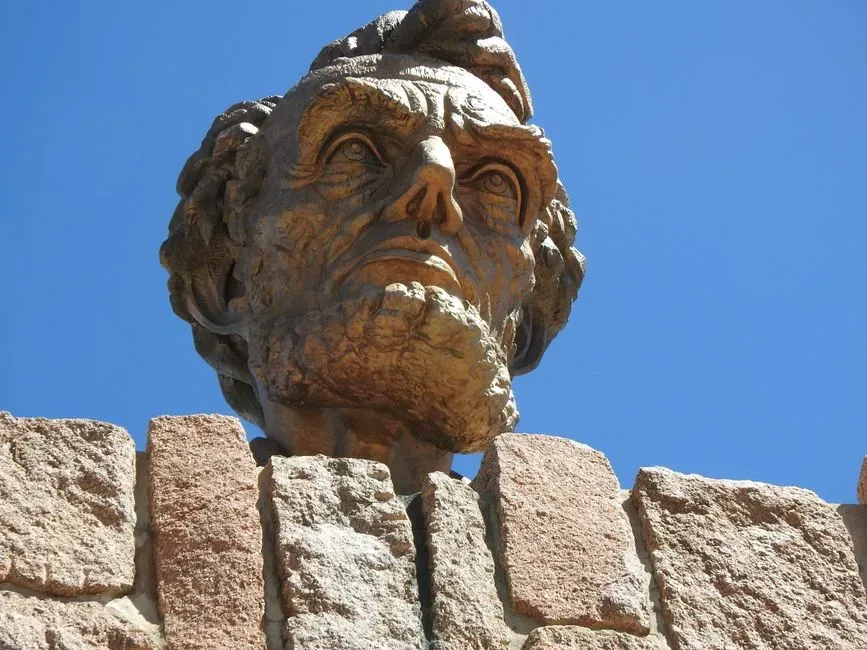
Raymond Massey was strongly associated with Abraham Lincoln because of Abe Lincoln in Illinois, released in 1940. The film was based on Robert E. Sherwood’s play, in which Massey had already appeared on stage. His performance earned him an Academy Award nomination for Best Actor.
He played the president again in How the West Was Won in 1962, an epic anthology film. His Lincoln appears in the Civil War segment, directed by John Ford. It was a shorter appearance than the 1940 film, but it brought back an actor whom audiences still strongly connected with the role.
Partner offer
Planning a trip to Vegas?
Compare hotel rates and show tickets on VEGAS.com.