Most writers dread the silence between books. A few chose it on purpose, or drifted into it and never came back. They walked away while readers were still waiting, and while critics were still calling them essential.
Their reasons differ, and some remain only partly understood. What follows sticks to what the record supports, and it says plainly where the record runs out.
J.D. Salinger

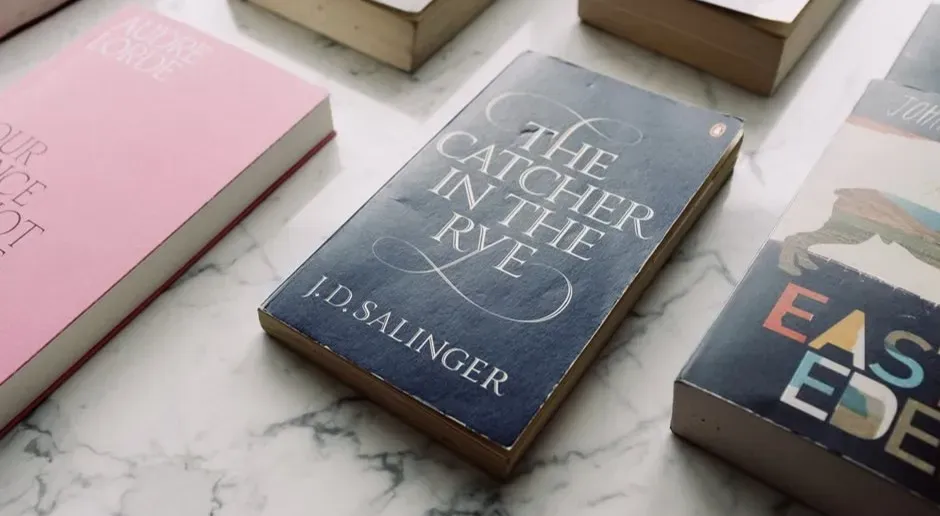
The Catcher in the Rye came out in 1951 and made Salinger a household name almost overnight. Attention from readers and reporters seems to have unsettled him. He eventually settled in Cornish, New Hampshire, and lived far from the literary world.
His last story to appear in print was Hapworth 16, 1924, which ran in The New Yorker in 1965. After that he published nothing new for the rest of his life, and he died on January 27, 2010. Whether he kept writing privately is still debated, and no confirmed new work has appeared since.
Harper Lee


To Kill a Mockingbird appeared in 1960 and won the Pulitzer Prize for Fiction in 1961. It sold widely and became a fixture of school reading lists. Lee then published little beyond a few essays, and she stayed out of the public eye for decades.
Her silence did end, in a way. Go Set a Watchman was released in 2015, though it was an earlier manuscript rather than a fresh novel written late in life. Lee died in 2016, so for more than fifty years her fame rested on one book.
Ralph Ellison

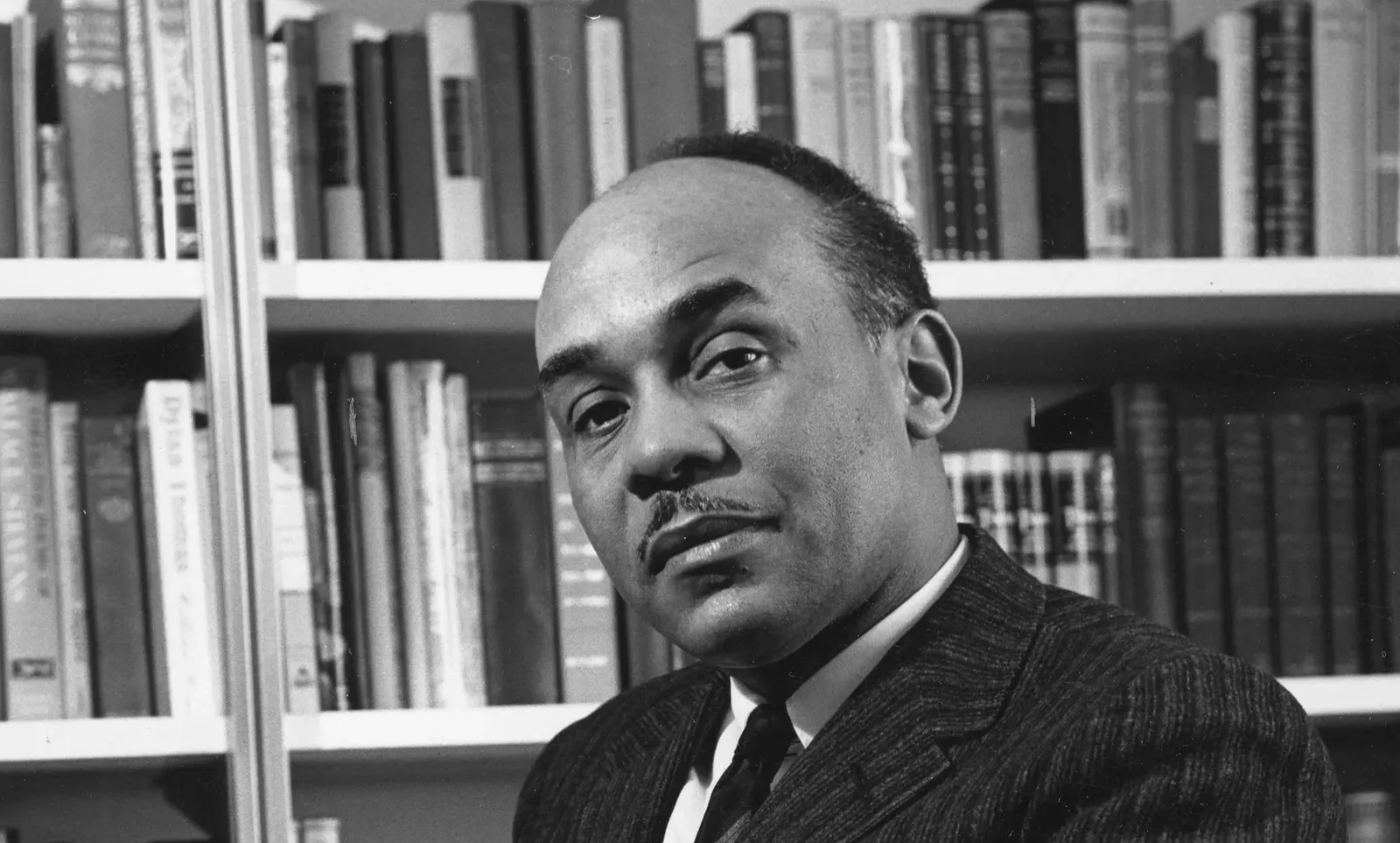
Invisible Man was published in 1952 and won the National Book Award in 1953. It was praised as one of the defining American novels of its century. Ellison kept writing essays and teaching, but he never released a second novel in his lifetime.
He reportedly worked on a follow up for years, and a fire at his Massachusetts home in 1967 is said to have destroyed part of the manuscript. He died in 1994. Juneteenth appeared in 1999, assembled from his unfinished papers, which means the silence was more a struggle to finish than a firm decision to stop.
Partner offer

Arthur Rimbaud

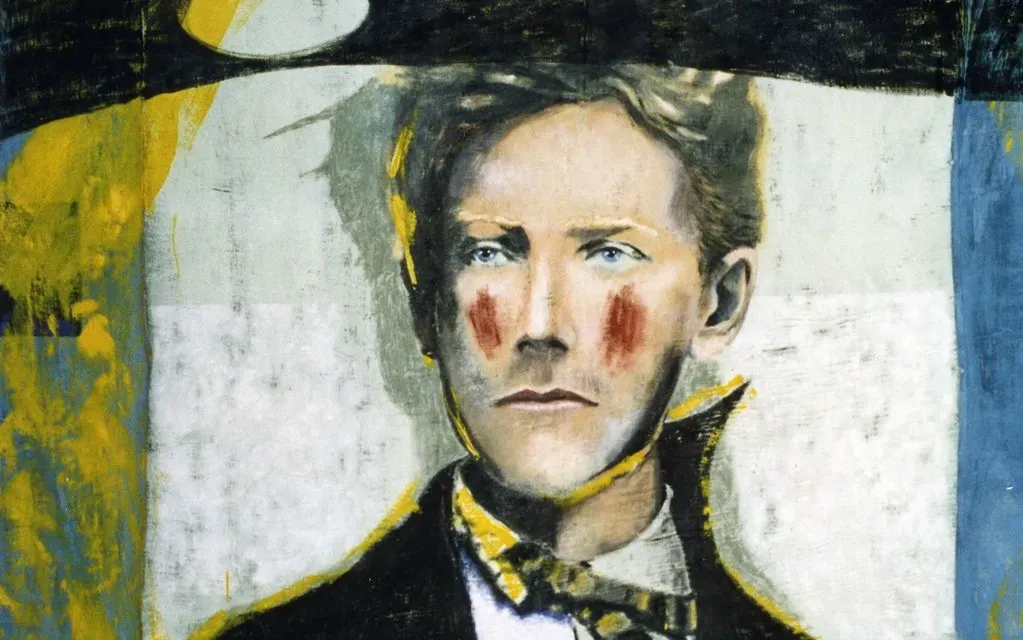
Rimbaud is the extreme case. The French poet produced his best known work as a teenager, including A Season in Hell in 1873. By his early twenties he had essentially given up poetry.
He spent his later years travelling and working as a trader in places such as Harar in present day Ethiopia. He died in 1891 at thirty seven. Much of the work that cemented his reputation, including Illuminations, reached a wider audience only after he had left writing behind.
Dashiell Hammett

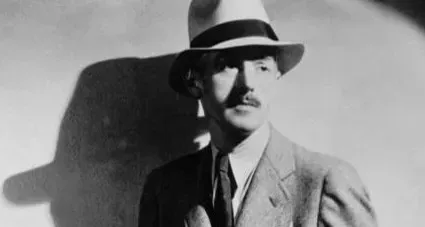
Hammett helped define American hard boiled crime fiction with novels like The Maltese Falcon and The Glass Key. His last novel, The Thin Man, came out in 1934 and was a commercial success. Hollywood adapted it into a popular film series.
He lived until 1961 but never published another novel. Explanations usually mention drinking, illness, and his work on screenplays and political causes, though he never gave one tidy reason. The gap is striking because it began while his name was at its most marketable.
Bill Watterson


Watterson is a cartoonist rather than a novelist, but his case fits the pattern. Calvin and Hobbes ran in newspapers from 1985 to 1995 and became hugely popular. He ended the strip on December 31, 1995, having fought publicly against merchandising and for more creative control.
He has given very few interviews since. He did return briefly to draw a poster for the Angoulême festival in 2014 and contributed art to a 2014 Stephan Pastis Pearls Before Swine storyline. The strip itself has never been revived.
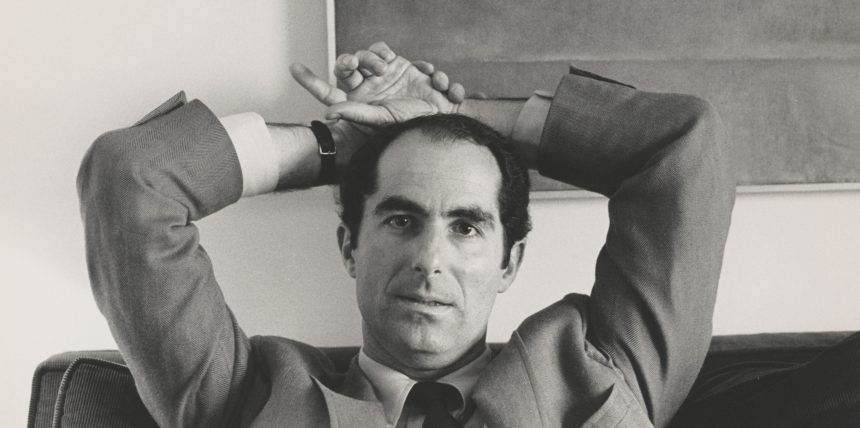
Philip Roth

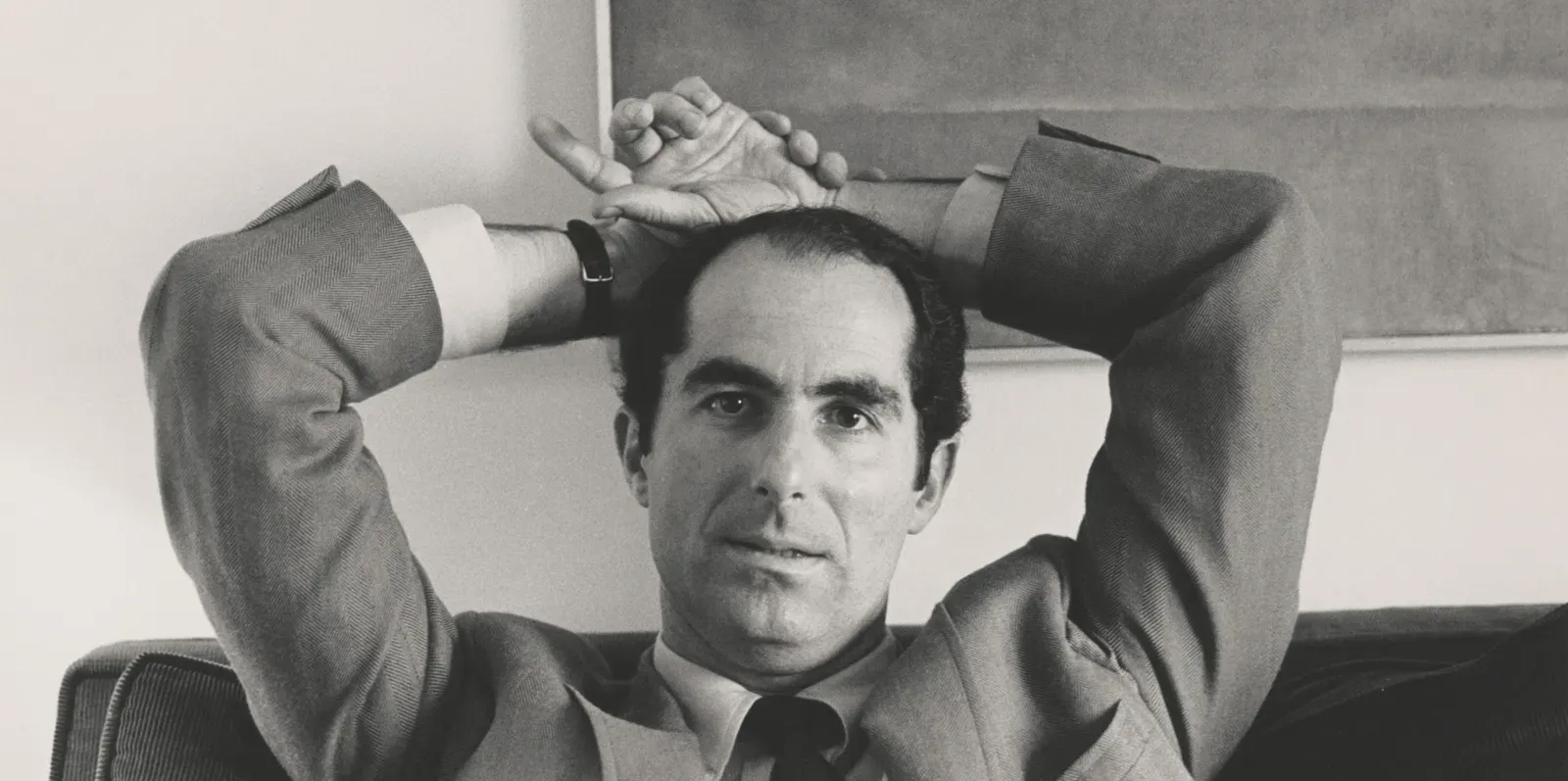
Roth won the Pulitzer Prize for American Pastoral and was among the most decorated American novelists of his era. His last novel, Nemesis, was published in 2010. In 2012 he let it be known through a French magazine that he had stopped writing fiction.
Unlike many on this list, he made the decision openly and stuck with it. He died on May 22, 2018. His retirement stands out because it was announced rather than left for readers to guess at.
Partner offer
Planning a trip to Vegas?
Compare hotel rates and show tickets on VEGAS.com.