
Most of us have been trained to read in installments. Finish a chapter, dog-ear the page, put the book down. It’s a rhythm so embedded in how we consume fiction that we rarely stop to question it. Chapters are just there, the way paragraphs are there, the way page numbers are there. They feel inevitable.
Except they aren’t. A small but remarkable collection of novels dispenses with chapters entirely, replacing them with something harder to define – a continuous current of prose that pulls you forward without any sanctioned place to stop. The effect, when it’s done right, is something genuinely different from ordinary reading. These seven books show exactly why.
1. Mrs. Dalloway by Virginia Woolf (1925)
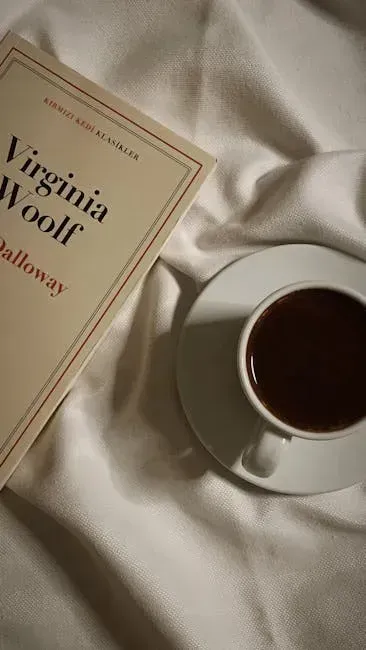
Published in 1925, Mrs. Dalloway examines one day in the life of Clarissa Dalloway, an upper-class Londoner married to a member of Parliament. The novel is essentially plotless – what action there is takes place mainly in the characters’ consciousness. Without chapter breaks, the narrative doesn’t just describe thought; it enacts it. Time moves the way memory does: not cleanly, not in labeled increments, but in impressions.
The fluidity, represented by the thoughts of the characters, is enhanced by the form of the novel: Mrs. Dalloway is not divided into chapters; thus, it does not leave behind a sense of completeness. That incompleteness is the point. There is a skillful confrontation of “psychological time” with “clock time” – whenever the London clocks strike, there is a transition from the past to the present, or from one personality to another. The Big Ben chimes do the work that chapter numbers usually would, but in a far more elegant way.
2. The Road by Cormac McCarthy (2006)
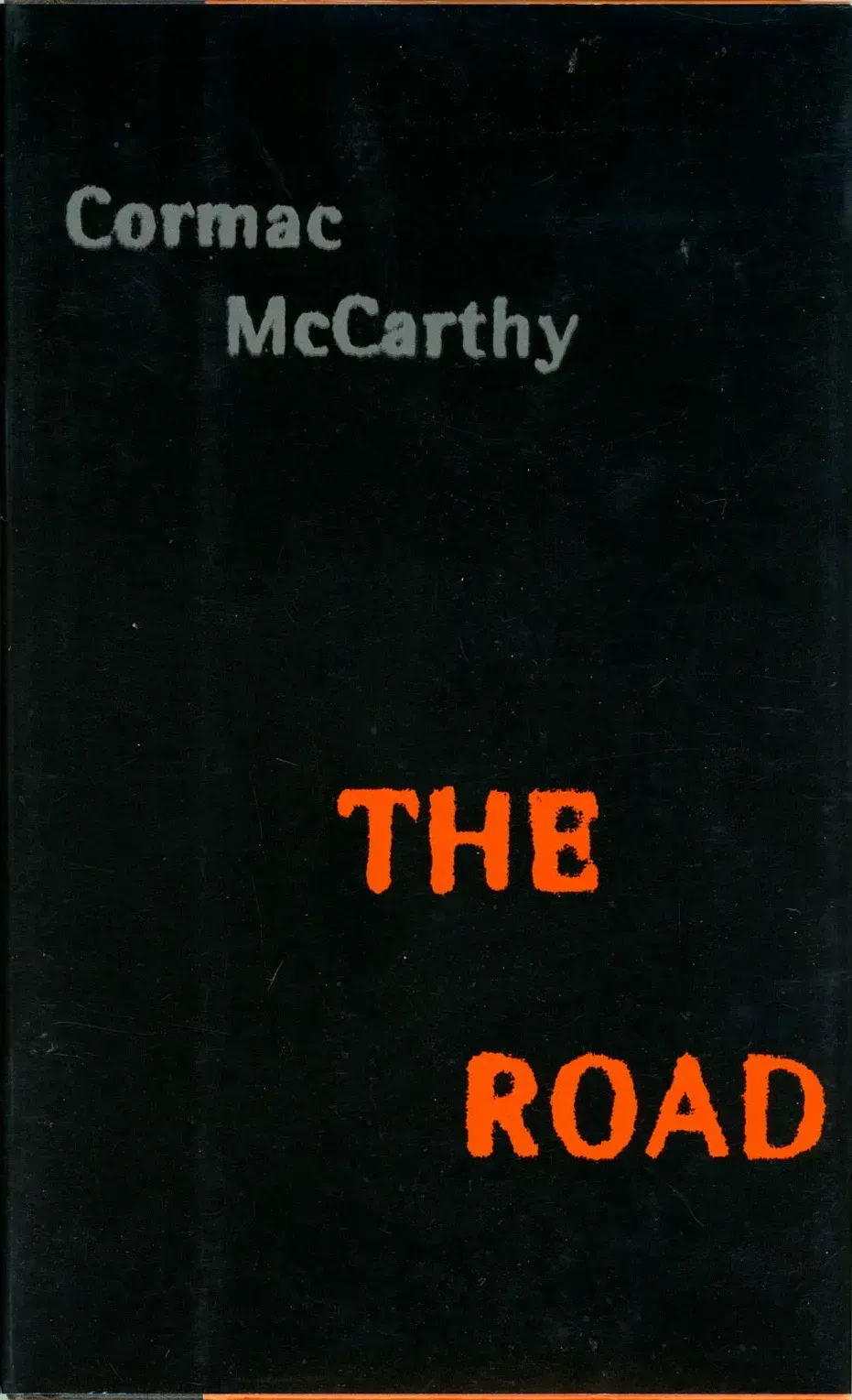
Cormac McCarthy’s The Road is famous for its relentless, unbroken narrative. There are no tidy chapter breaks – only the endless march of a father and son through a world turned to ash. This structure reflects the endless, bleak landscape they traverse. The absence of chapters isn’t just a stylistic gesture; it’s a load-bearing part of the book’s emotional architecture.
In The Road, McCarthy is describing a post-apocalyptic world where time has essentially lost meaning, and life has become a fugue of repetitive travel from one dreary locale to the next. Reading the book without chapters puts readers into the mindset of the characters, and by the end of the book we’re just as exhausted as they are because we’ve been trudging through a metaphoric landscape, just as they have. No other structural choice could replicate that feeling quite as precisely.
3. The Mezzanine by Nicholson Baker (1988)

The Mezzanine, published in 1988, is the first novel by American writer Nicholson Baker. It narrates what goes through a man’s mind during a modern lunch break. On the surface, the novel deals with a man’s lunchtime trip up an escalator in the office building where he works. The substance of the novel, however, is taken up with the thoughts that run through a person’s mind in any given few moments, and the ideas that might result if they were given the time to think them through to their conclusions.
The Mezzanine tells its story through the extensive use of footnotes – some of them comprising the bulk of the page – as the narrator travels through his own mind and past. The footnotes are quite detailed and sometimes diverge into multiple levels of abstraction. Near the end of the book, there is a multi-page footnote on the subject of footnotes themselves. Chapters would impose a false sense of arrival on a book that is entirely about the act of digression. The formlessness is the form.
4. Trainspotting by Irvine Welsh (1993)

The novel jumps between different characters and voices, often in the middle of a paragraph, with no chapters to guide the reader. This fragmented style mirrors the fractured world of addiction and poverty in 1980s Edinburgh. Welsh has explained in interviews that the lack of chapters was intentional – it reflects the way his characters experience life: disjointed, unpredictable, and often overwhelming.
Literary reviewers have praised Trainspotting for its authenticity, noting that the structure adds to the sense of immersion. The book’s unfiltered language and relentless pace have made it a modern classic. By refusing to break the narrative into neat segments, Welsh forces readers to confront the chaos head-on. The novel is uncomfortable precisely because it offers no exit, no clean pause between scenes of ruin and dark humor.
5. The Old Man and the Sea by Ernest Hemingway (1952)
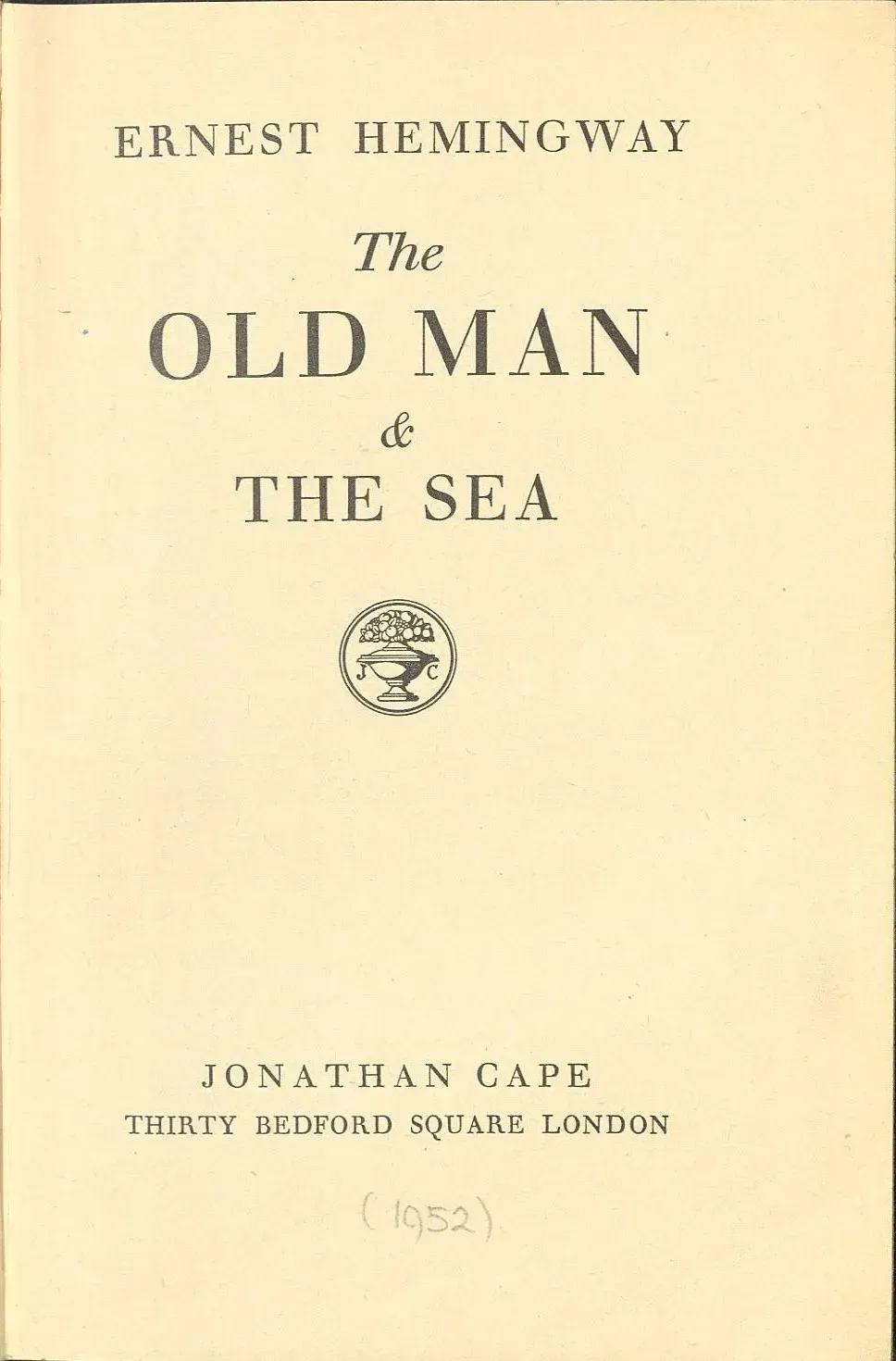
The Old Man and the Sea has no chapters. For a book about endurance – about one aging fisherman and his solitary, days-long battle against a giant marlin in the Gulf Stream – that is exactly right. The first sentence of the book is unmistakably Hemingway’s. The words are plain, and the structure is ordinary, traits which characterize his literary style. Hemingway’s terseness here reaches the point of rendering much of the prose empty on one level and pregnant with meaning on the other – the sentences tend to lose their particular connection to reality but at the same time attain a more general, symbolic character, much like the effect of poetry.
A chapter break in this story would feel like an interruption of something sacred. The narrative flows the way time flows for Santiago at sea: without markers, without relief, in a rhythm set entirely by the water and the struggle. Dialogue serves multiple functions throughout, enhancing character dynamics and reflecting Hemingway’s iceberg theory of omission. What’s left out carries as much weight as what’s written down, and chapter titles would only crowd that silence.
6. Seasons of Migration to the North by Tayeb Salih (1966)

Tayeb Salih’s Seasons of Migration to the North breaks away from traditional chapter divisions, using an unbroken narrative flow to mirror the protagonist’s restless journey between cultures. The novel is widely regarded as one of the most important works of Arabic literature ever published. It tells the story of a Sudanese man returning home after years in England, and of another man whose history intertwines with his in increasingly disturbing ways.
The absence of chapters here does something specific: it makes the two men’s stories difficult to fully separate in memory, which mirrors the novel’s central thematic tension between the self and its colonial shadow. Some authors have successfully created powerful narratives without the use of chapters, enhancing their themes and connecting with their readers in unique ways. Salih is perhaps the clearest proof of that – the book’s refusal to compartmentalize is inseparable from its meaning.
7. Molloy by Samuel Beckett (1951)
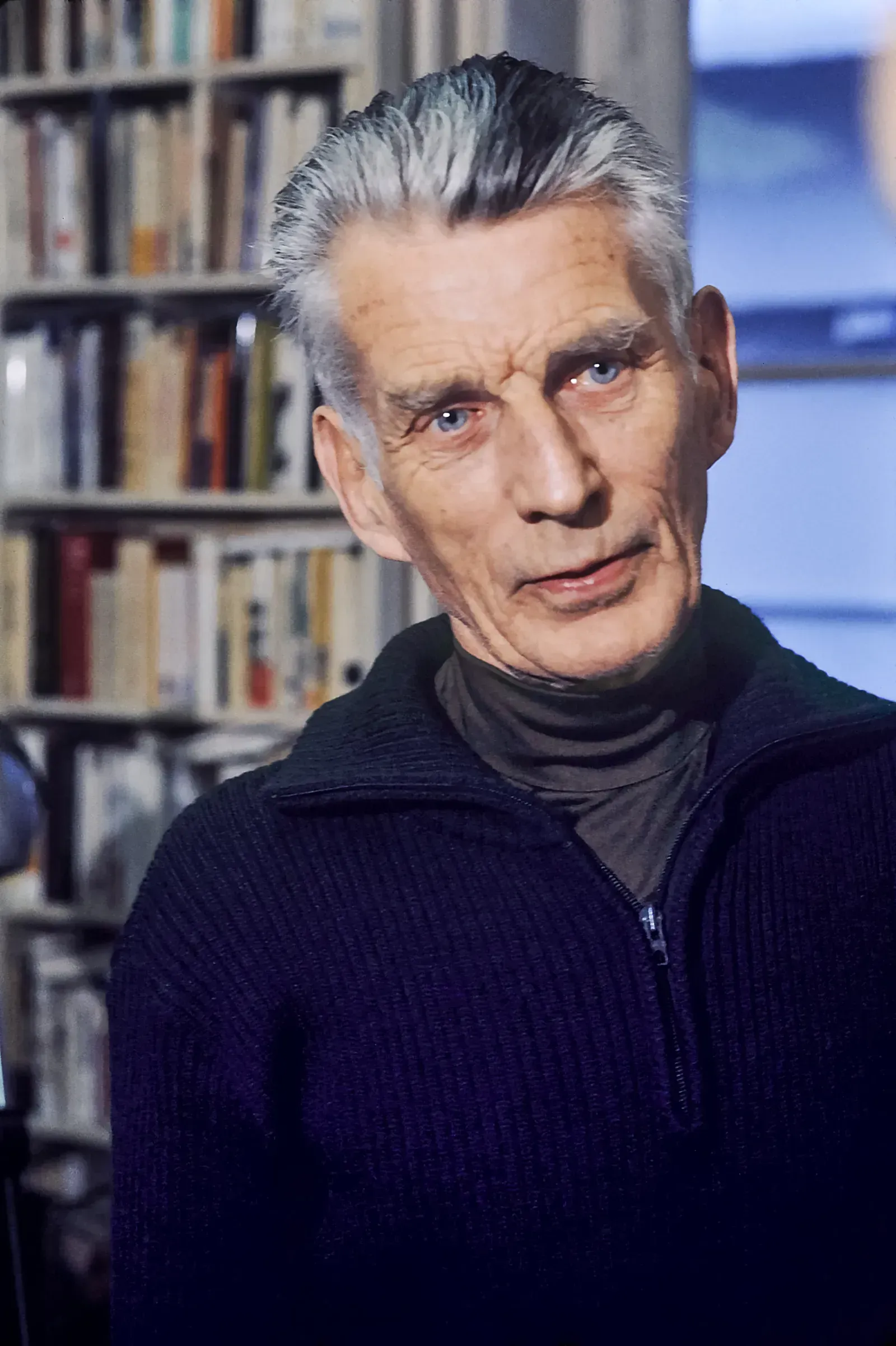
In Molloy, Samuel Beckett takes a similar approach to highlight the monotonous and stream-of-consciousness nature of an investigation, telling an eighty-plus-page story in only two paragraphs. That is not a typo. The novel consists of two long, barely interrupted blocks of text – the first narrated by the wandering, deteriorating Molloy, and the second by the detective sent to find him. Neither character gets chapters. Neither character gets much of anything that resembles conventional narrative order.
The structure enacts Beckett’s whole philosophical project: the idea that human experience resists the shapes we try to impose on it. Some commentators view chapters as artificial divisions which interfere with the alternative reality being created by a writer. Beckett seems to have believed this more radically than almost anyone. Reading Molloy is an experience of losing your footing deliberately, and in that disorientation, something genuine and strange opens up.
What connects these seven books is not a shared aesthetic or a common era. They span nearly a century of fiction, across multiple continents and literary traditions. What they share is a conviction that the story itself demands a particular form – and that sometimes, the most honest thing a novelist can do is refuse to carve their work into convenient pieces. The chapter break is a kind of reassurance. These books are for readers who don’t need it.