Every year, a handful of movies arrive with big budgets, bigger ambitions, and box office numbers that make studio executives wince. Sometimes the reasons are obvious: bad marketing, bad timing, or a script that never quite worked. Other times, though, a film simply lands wrong at the moment it’s released, only to find its audience years later on streaming or through word of mouth. These seven titles all struggled commercially, yet each one offers something worth revisiting, whether that’s ambition, style, or just a story that got buried under bad headlines.
1. John Carter (2012)

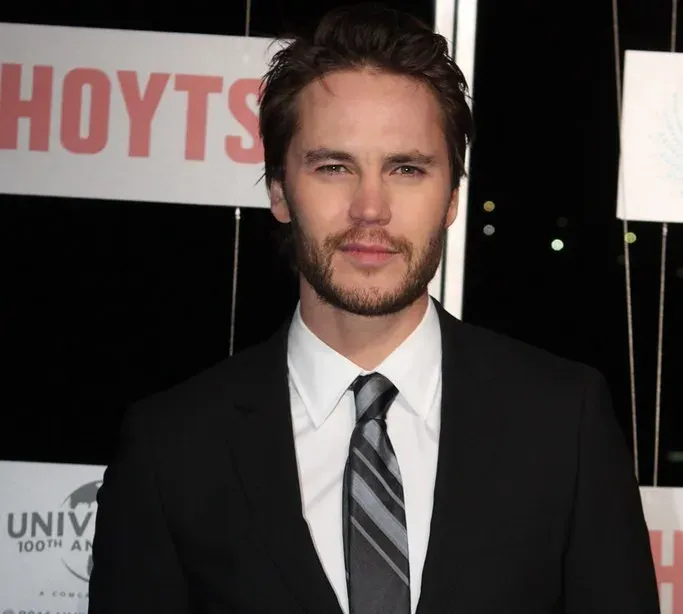
Disney’s sprawling Mars adventure remains one of the most cited cautionary tales in Hollywood history. The movie’s production budget is estimated to be about $250 million with about $100 million more spent on marketing. Despite a rocky reception, the film actually pulled in respectable numbers overall, since the action had a production budget of $263,700,000 and earned $284,100,000 worldwide.
The problem was never really the story on screen. It was the math. Critics were split at the time, but the film has aged into something of a curiosity piece, an old-fashioned pulp adventure with genuine visual scale, based on source material that predates most modern science fiction. Watched today without the weight of expectation, it plays as a solid, if imperfect, throwback rather than the disaster its reputation suggests.
2. Speed Racer (2008)

The Wachowskis’ candy-colored adaptation of the classic anime series confused audiences expecting something closer to their earlier work on The Matrix. Warner Bros.’ “Speed Racer” from 2008 cost about $120 million, but took in only about $94 million in theaters. At the time, critics and audiences alike seemed unsure what to make of its hyper-stylized visuals and unapologetically cartoonish tone.
In hindsight, that same boldness is exactly why the film has earned a devoted cult following. It commits fully to a bright, almost hallucinatory aesthetic that few studio films dare attempt now. Watching it today, especially against a backdrop of increasingly grim blockbuster filmmaking, its sincerity and visual invention feel less like a miscalculation and more like a genuine artistic swing.
3. Scott Pilgrim vs. the World (2010)


Edgar Wright’s video game inspired comedy struggled to find its audience during its initial theatrical run, despite strong reviews from critics who appreciated its rapid-fire editing and comic book energy. The film never quite translated its niche appeal into wide box office numbers, arriving in a summer crowded with more conventional blockbusters. Its marketing leaned into a demographic that turned out to be narrower than distributors hoped.
Years later, the film has become something of a touchstone for a generation of moviegoers who discovered it on home video or streaming rather than in a theater. Its influence shows up in everything from modern comic book adaptations to the visual language of streaming era comedies. What once looked like a box office miscalculation now reads as a film simply ahead of the platforms that would eventually let it thrive.
4. Cloud Atlas (2012)
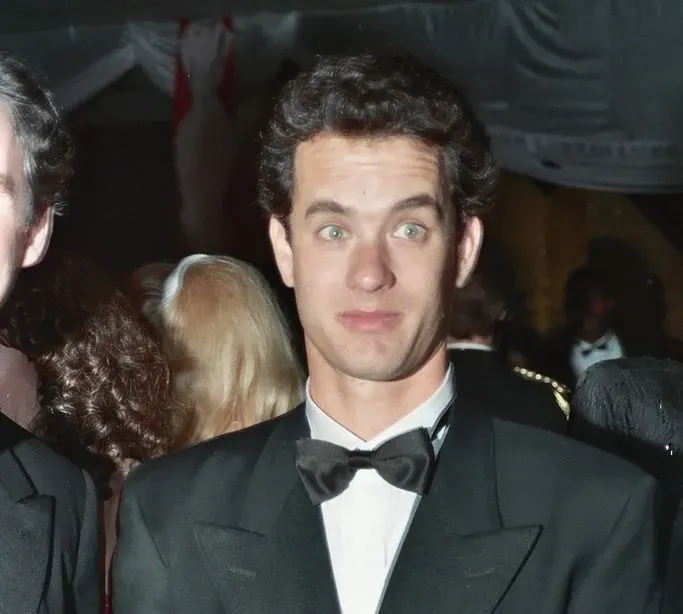
This ambitious adaptation of David Mitchell’s novel, spanning centuries and told through interlocking storylines, proved a tough sell for mainstream audiences. Cloud Atlas had a budget of $102 million and pulled in domestic box office of roughly $27 million alongside overseas box office of about $103 million. The scale of the story, along with its unconventional structure, made it a difficult film to market in a single trailer.
What the box office numbers do not capture is how the film has lingered in conversations about ambitious, mid-budget adult filmmaking. Its willingness to tackle reincarnation, morality, and interconnected fate across multiple timelines was unusual for a studio release of that size. Revisiting it now, away from the initial marketing confusion, many viewers find a film that rewards patience rather than one that simply overreached.
5. Megalopolis (2024)


Francis Ford Coppola’s decades-long passion project became one of the most talked about flops of the modern era. According to Variety, Megalopolis had a production budget of $120 million before prints and advertising. Its opening weekend was brutal, as early projections had it as one of the biggest box office flops of the year, opening to a measly $4 million worldwide. By the time it left theaters, the film’s worldwide box office tally ended at $11,534,167.
Coppola self-financed the project, giving him total creative freedom, and that freedom produced a film unlike anything else released that year. It’s strange, sprawling, and occasionally frustrating, but it’s also unmistakably personal in a way big studio filmmaking rarely allows anymore. Whatever one thinks of the finished product, few recent films have taken this many genuine risks, and that alone makes it worth a look away from the noise of its opening weekend.
6. Furiosa: A Mad Max Saga (2024)


George Miller’s prequel to the acclaimed Mad Max: Fury Road arrived with strong reviews and a steep budget, yet audiences stayed away. Furiosa grossed $145 million USD at the global box office, which is still under its production budget of $168 million USD. The film’s Memorial Day debut was particularly rough, with Furiosa bringing in $32 million over the long Memorial Day weekend despite expectations of a $40 million opening.
What makes this one sting a little more than most flops is the reception it did get from those who actually saw it. Furiosa was met with universally positive reviews and good word of mouth, leaving many wondering why it underperformed at the box office. Its prequel status likely worked against it commercially, but on its own terms, it’s a technically ambitious, visually striking continuation of a franchise that has always rewarded patience over instant gratification.
7. The Fall Guy (2024)

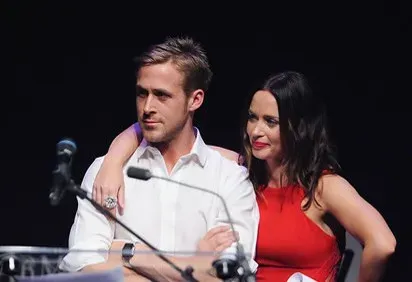
Ryan Gosling and Emily Blunt’s stunt industry throwback had all the ingredients of a crowd-pleaser, yet it stumbled financially against its costly budget. The movie cost $140 million to produce, so it needed strong word of mouth and interest at the international box office to recoup its budget during its theatrical run. Its opening numbers fell short of studio hopes, as the film fell just short of expectations with $28.5 million from North American venues in its debut, despite projections of $30 million to $40 million.
Even with the disappointing tally, audience response was notably warm. The film landed an “A-” CinemaScore and 83% on Rotten Tomatoes, suggesting genuine affection from the people who actually bought tickets. It’s a rare case of a film doing almost everything right creatively while still losing the budget math game, which makes it an easy, entertaining watch for anyone who skipped it during its underwhelming theatrical run.
Box office numbers tell you how a film performed in a specific window of time, against a specific slate of competitors, with a specific budget hanging over its head. They rarely tell you whether a film is actually worth watching. Each of these seven movies stumbled commercially for reasons that had little to do with the quality of the finished product, whether that was marketing confusion, inflated budgets, or simply arriving at the wrong moment. Given a second look, without the pressure of opening weekend expectations, most of them hold up as far more interesting films than their reputations suggest.