


Broadway has a strange kind of afterlife. A musical can open to savage reviews, shutter within days, and lose every dollar its producers sank into it, only to be rediscovered decades later as something close to genius. Cast albums outlive box office receipts, and college theater departments end up doing more to preserve a show’s reputation than the original production ever did.
The seven shows below all share that same arc: a brutal, often humiliating closing notice followed by a slow, steady climb into the affection of musical theater fans and historians alike.
Merrily We Roll Along (1981)

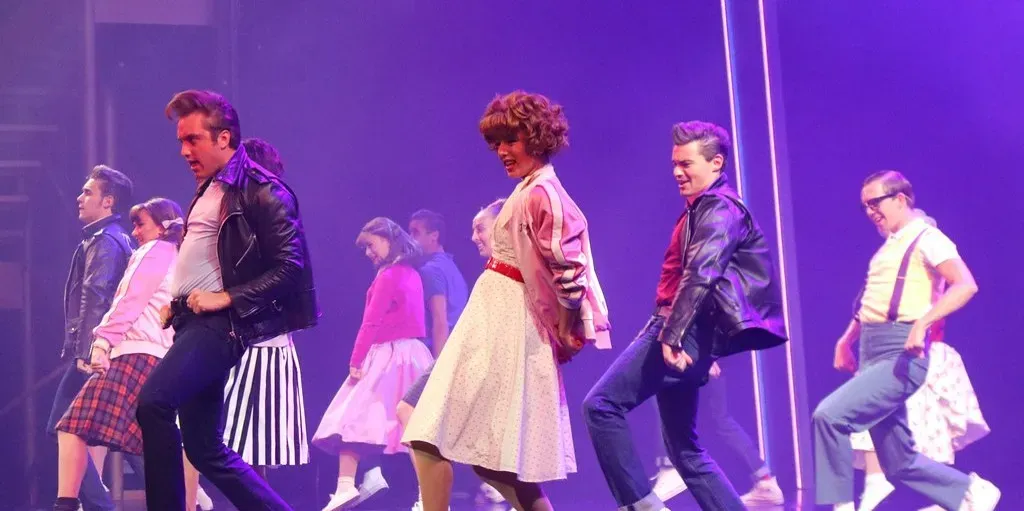
Stephen Sondheim and Harold Prince had already redefined the American musical together through the 1970s, so when their next collaboration arrived at the Alvin Theatre in November 1981, expectations were sky high. Instead, the show began previewing at the Alvin Theatre on 8 October 1981 and, after 44 previews, ran for just 16 performances, crippled by harsh critical reviews and audience walk-outs. Frank Rich’s review captured the split reaction perfectly, noting that “Mr. Sondheim has given this evening a half-dozen songs that are crushing and beautiful – that soar and linger and hurt,” but the show that contains them is a shambles. The failure was so painful that it ended the Sondheim-Prince partnership for over two decades.
What happened next is the real story. Decades of tinkering, regional productions, and a beloved 2012 Encores! staging kept the score alive, and in 2023 a full Broadway revival directed by Maria Friedman finally delivered the hit everyone always suspected was hiding inside the material. The Maria Friedman-helmed production played 312 regular performances and 20 previews before closing, a stunning reversal for a show that once lasted less than three weeks. It picked up multiple Tony Awards along the way, cementing what fans had argued for forty years: the songs were never the problem.
Anyone Can Whistle (1964)


Before Merrily, there was Anyone Can Whistle, an earlier and even faster Sondheim flop. Starring Angela Lansbury in her stage musical debut alongside Lee Remick, the show received widely varied reviews, including negative notices from the New York Times and the New York Herald Tribune, and closed after a run of twelve previews and nine performances. Sondheim was reportedly so shaken by the experience that he considered leaving theater altogether.
Yet the score refused to disappear. Columbia Records preserved the original cast recording, and songs like “Everybody Says Don’t” and “There Won’t Be Trumpets” became staples of cabaret and Sondheim revues for generations. While the score has become an acclaimed part of Sondheim’s canon, Anyone Can Whistle has seen relatively few productions compared to other Sondheim musicals, which somehow only adds to its mystique among serious theater fans.
Carrie (1988)

Few Broadway disasters are as notorious as Carrie, the musical adaptation of Stephen King’s novel about a telekinetic teenager. After a rocky UK tryout, the production transferred to Broadway’s Virginia Theatre, where the $7 million Carrie closed on Broadway after playing only 16 previews and 5 performances. Critic Frank Rich later described it bluntly, recalling that this thing was just ridiculously over-the-top and vulgar, and it was really just a fiasco.
For years the only way to experience it was through bootleg recordings, until MCC Theater mounted a revised Off-Broadway production in 2012 that finally let audiences judge the material on its own terms. No official record of the show existed for more than two decades until a revised version was produced Off-Broadway by MCC Theater, and a recording was made by Ghostlight Records preserving the song “And Eve Was Weak.” Today it’s studied as a fascinating case of ambition outrunning execution, with a score many now consider genuinely strong.
Chess (1988)


Written by Tim Rice with ABBA’s Björn Ulvaeus and Benny Andersson supplying the music, Chess arrived on Broadway with an unusually strong pop pedigree and a hit concept album already in circulation. Even so, the stage adaptation struggled to find its footing, and the Broadway production closed after 17 previews and 68 performances, 85 total. The book was rewritten repeatedly before opening, leaving critics confused about tone and structure.
Partner offer

None of that stopped songs like “One Night in Bangkok” and “I Know Him So Well” from becoming genuine pop hits independent of the show itself. Concert versions, regional stagings, and a devoted international fan base have kept Chess in near-constant circulation since its Broadway closing, and various producers continue reworking the book in hopes of finally cracking it on a major stage.
Mack and Mabel (1974)

Jerry Herman followed up the massive successes of “Hello, Dolly!” and “Mame” with this bittersweet story of silent film director Mack Sennett and his star, Mabel Normand. Despite Robert Preston and a young Bernadette Peters in the lead roles, the original Broadway production ran only 66 performances despite having Robert Preston and Bernadette Peters in the title roles. The show’s unhappy, downbeat ending is often cited as the reason audiences never fully embraced it.
Ironically, at the end of that same disappointing season, Mack and Mabel was remembered with eight Tony nominations, including best musical, every key contribution except the one element everyone considered the best thing about the show, Herman’s score. The cast album kept the songs alive on the radio for decades, and a 2020 Encores! revival reintroduced New York audiences to a score that most theater fans already knew by heart from recordings alone.
The Scottsboro Boys (2010)
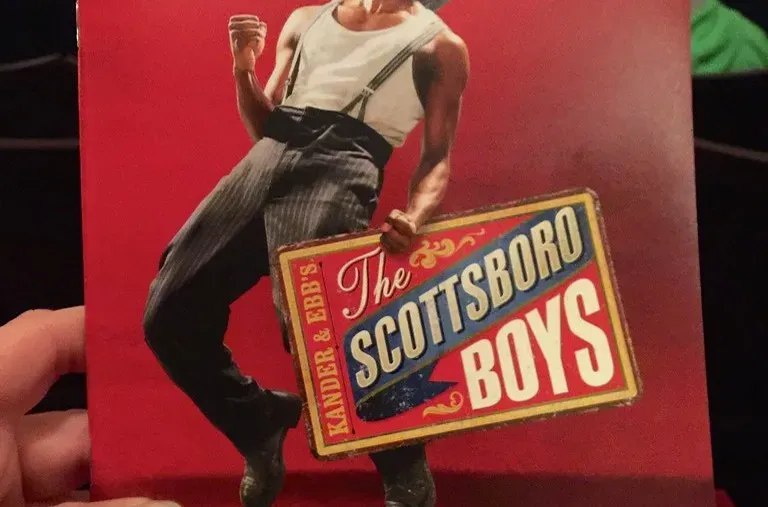
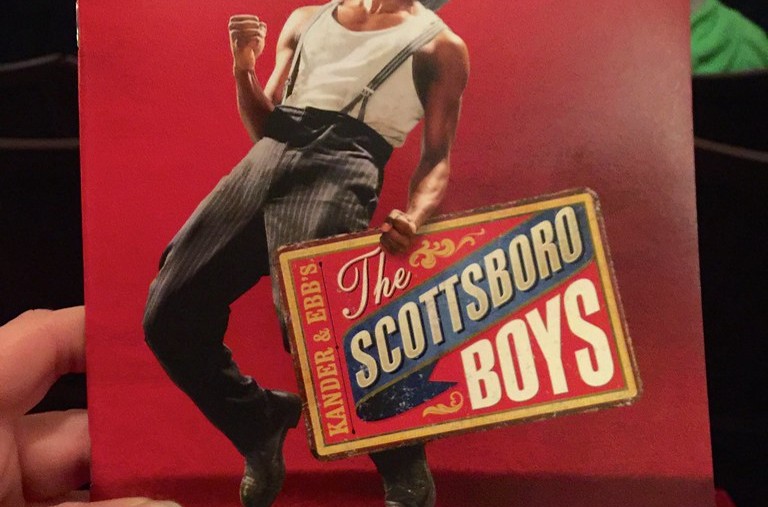
John Kander and Fred Ebb’s final collaboration told the true story of nine Black teenagers falsely accused of assault in 1930s Alabama, framed through the uncomfortable lens of a minstrel show. It was a bold, formally daring piece that unsettled some audiences and closed at the Lyceum Theatre after a run of only about seven weeks, despite earning a striking dozen Tony nominations that season. The disconnect between its critical reception and its commercial run became a talking point in itself.
In the years since, regional theaters and university programs have returned to the show repeatedly, treating it as one of the sharpest and most morally complicated musicals of its era. Kander has spoken about it as among the most personally meaningful projects of his long career, and its reputation among critics and historians has only grown as more productions have tackled its difficult material with care.
Assassins (2004 revival)


Sondheim’s Assassins first appeared off-Broadway in 1990 to mixed reactions, but its 2004 Broadway premiere at Studio 54 finally brought the show to a wider audience, even as commercial success remained elusive. The revival, which examines the lives and motives of American presidential assassins through a fractured vaudeville structure, ran for a relatively brief stretch before closing, unable to draw sustained crowds despite strong reviews. That short run stands in sharp contrast to the show’s critical standing.
The production swept that year’s Tony Awards for revivals, winning Best Revival of a Musical along with several design and directing honors, a rare case of a show earning top industry recognition while still struggling at the box office. Regional and college productions have kept Assassins in steady rotation ever since, and it’s now regularly cited among Sondheim’s most structurally inventive and unsettling works.
What ties these seven shows together isn’t luck or nostalgia. It’s the simple fact that a strong score and a genuine point of view tend to outlast a bad opening night, a rushed rewrite, or an unlucky season. Broadway’s ledger books close fast, but the songs, it turns out, rarely do.
Partner offer
Planning a trip to Vegas?
Compare hotel rates and show tickets on VEGAS.com.


