


There’s a persistent myth that success requires a diploma, a degree, and a straight line from classroom to career. Plenty of famous names prove otherwise, often in ways that surprise people who assume every A-lister followed a conventional path. The seven stories below share a common thread: each person walked away from formal education years before graduation, then built something lasting anyway.
1. Rihanna


Rihanna was still a teenager at Combermere School in Barbados when American producer Evan Rogers heard her sing and saw something worth pursuing. She left Barbados and at age 16 with a record deal from Def Jam instead of a diploma. The opportunity moved fast, and she chose the recording studio over the classroom without much hesitation.
Looking back, she has said she never regretted the decision. She once said, “I didn’t look back… I wanted to do what I had to do, even if it meant moving to America.” Within roughly a year of relocating to the United States, she was already on the path to global stardom, a trajectory that would eventually make her one of the best-selling music artists of her generation.
2. Quentin Tarantino

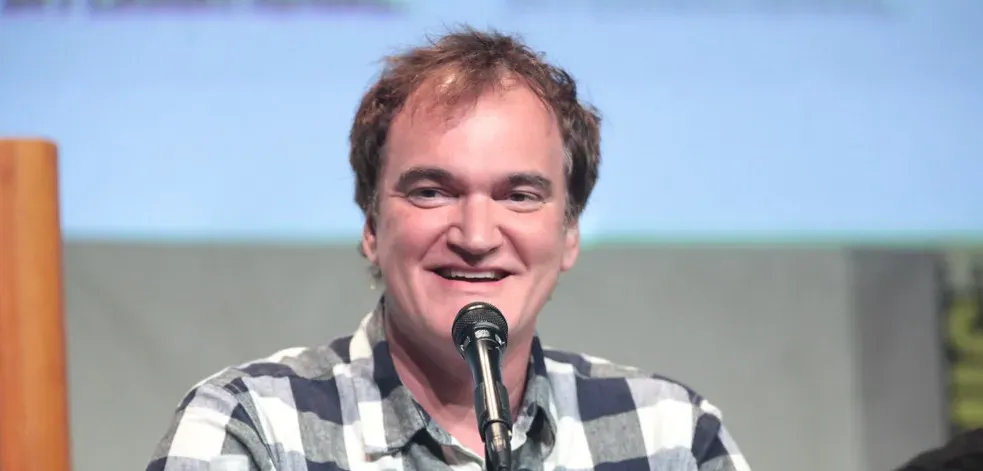
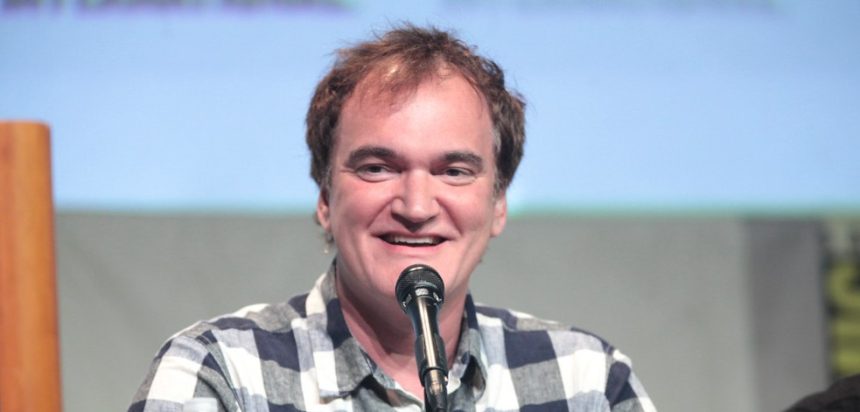
Long before “Pulp Fiction” earned him an Academy Award, Tarantino was a restless teenager who simply stopped showing up to class. When he was 15 years old, Tarantino was a dropout who worked as an usher at an adult movie theater. The habit of skipping school had built up over time until returning felt harder than just walking away for good.
In his own words, the absences piled up until going back seemed pointless. He explained, “I had ditched school so long at a certain period in the ninth grade that it was like one of those things where you’ve ditched so long that you’re afraid to go back… so you just might as well just stay out until they actually just bust you.” He spent his time watching films obsessively and writing scripts instead, an unconventional education that eventually shaped one of modern cinema’s most distinctive voices.
3. Whoopi Goldberg

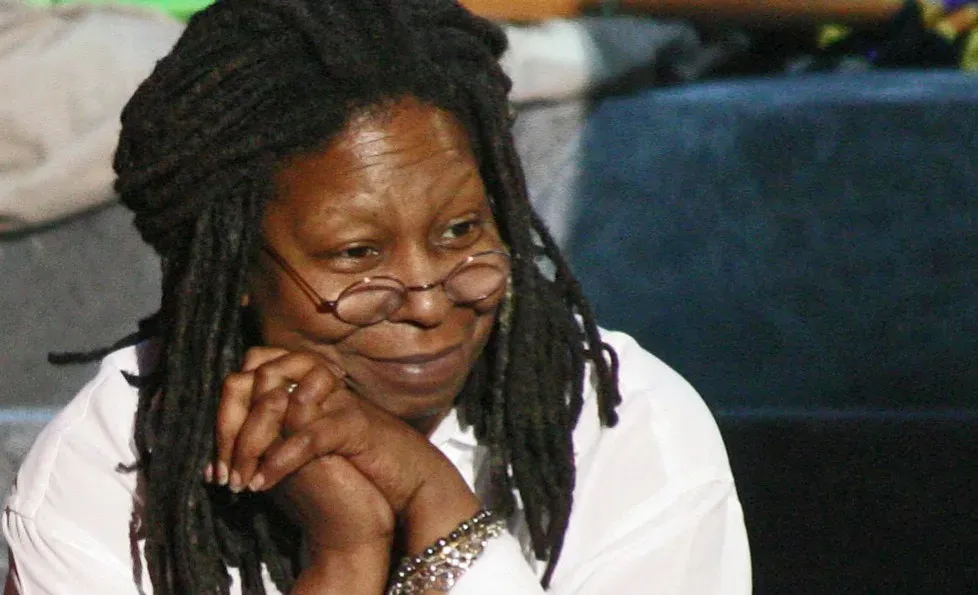
Whoopi Goldberg’s struggles in school ran deeper than simple boredom. Goldberg unknowingly suffered from dyslexia, which affected her studies and ultimately induced her to drop out of at the age of 17. The learning disability went undiagnosed for years, leaving her labeled as a poor student rather than someone who simply needed different support.
She has spoken candidly about that chapter of her life in later years. Speaking at a college commencement, she said, “School was not for me,” explaining that she is dyslexic and is a 9th grade dropout. Decades later, she went on to win an Emmy, a Grammy, an Oscar, and a Tony, an achievement few entertainers of any educational background can claim.
4. 50 Cent


Curtis Jackson’s departure from wasn’t a quiet decision made after weighing his options. In tenth grade at Andrew Jackson , he was arrested for possession of crack and given juvenile probation, then transferred to another school before dropping out after tenth grade. His teenage years in Queens were shaped by the drug trade long before music became a viable way out.
Partner offer

Rather than returning to a traditional classroom, he eventually completed his education elsewhere. He was expelled from school in the 10th grade for possession of crack, but later earned his GED while in prison. Years later, he used his own history as the basis for producing a reality series aimed at helping other dropouts finish school, turning a difficult personal chapter into a platform for others.
5. Simon Cowell


Before he became known for blunt verdicts on talent shows, Simon Cowell was a teenager who simply didn’t take to boarding school life. His parents sent him to Dover College, a boarding school in Southeast England, but he complained of being freezing cold and hungry, and he eventually dropped out at age 16. He left with only a couple of basic qualifications and no interest in pursuing further study.
Cowell has never framed the decision as a mistake. “He doesn’t regret the decision today,” and has said he feels for people who were told that failing to achieve certain milestones by a young age meant their life was doomed to be a failure. He instead started in the EMI mailroom, working his way toward the executive and television roles that eventually made him one of music’s most recognizable power brokers.
6. Jay-Z


Long before he was a hip-hop mogul and record executive, Jay-Z was a teenager in Brooklyn’s Marcy housing projects who left school without a diploma. His reputation as a school dropout is well documented, and it’s a detail even referenced by peers in the industry. He is widely known as “a fellow celeb school dropout” among the artists he later helped discover, including Rihanna.
Instead of finishing formal education, Jay-Z built his knowledge of the music business through years of independent hustling, selling mixtapes out of his car and eventually founding Roc-A-Fella Records. That self-taught path led him to become one of the most commercially successful and influential figures in hip-hop history, a trajectory that also carried him into ventures spanning fashion, sports representation, and streaming technology.
7. Richard Branson


Richard Branson’s school years in England were marked more by frustration than achievement. Undiagnosed dyslexia made reading and traditional coursework a struggle, and he left formal schooling at sixteen with little interest in continuing down that road. His headmaster reportedly predicted he would either end up in prison or become a millionaire, a line Branson has repeated himself over the years in interviews about his youth. Rather than pursuing further education, he launched a magazine called Student while still a teenager, a venture that planted the earliest seeds of what would eventually grow into the sprawling Virgin Group. That collection of businesses now spans music, airlines, telecoms, and space travel, built almost entirely without the traditional academic credentials many assume are necessary for that kind of success.
None of these seven stories suggest that skipping school is a reliable formula for fame or fortune. Each person left the classroom for very different reasons, ranging from personal ambition to circumstances entirely outside their control, and each found a different route toward the career that eventually defined them. What they share is less a blueprint than a reminder that a diploma is one measure of a life, not the only one.Partner offer
Planning a trip to Vegas?
Compare hotel rates and show tickets on VEGAS.com.


