There is a strange thing that happens when a famous person buys a house. Somewhere along the way, the address stops being just a place to sleep and starts becoming a character in its own story. Fans line up outside gates, tabloids track every renovation, and long after the original owner moves on or passes away, the property keeps making headlines on its own. Some of these homes have been demolished, others turned into museums, and a few keep changing hands for jaw-dropping sums. What follows is a look at seven residences that grew a reputation bigger than any single owner, houses that became cultural landmarks in their own right.
1. Graceland, Memphis – Elvis Presley’s forever home

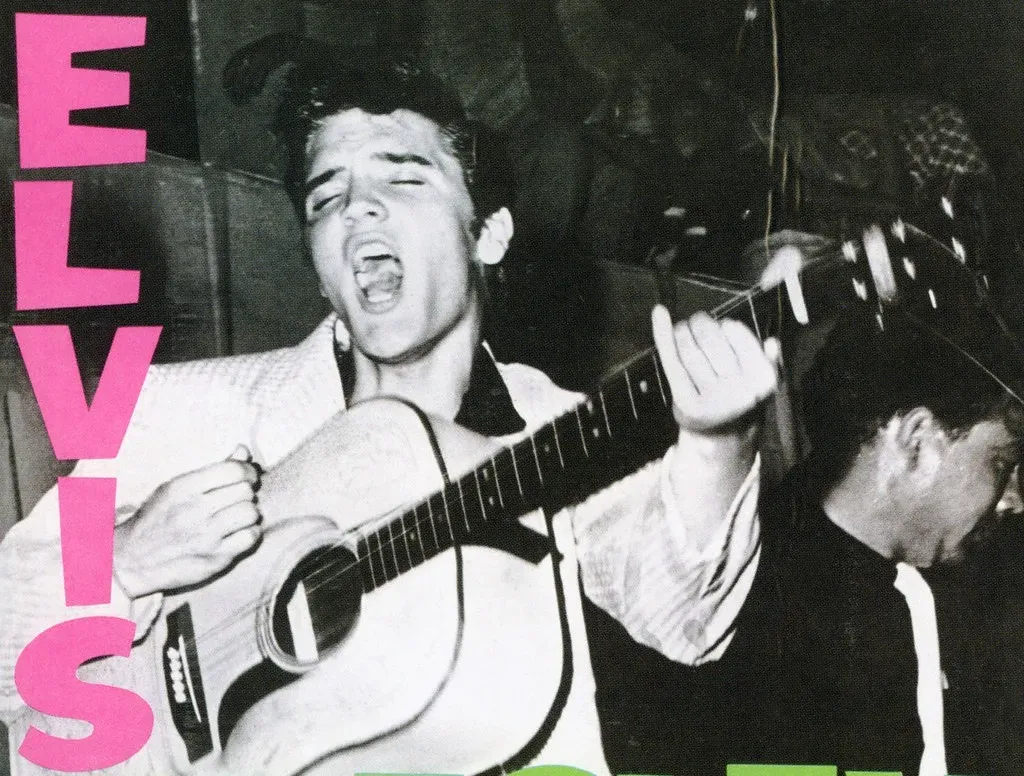
Elvis Presley purchased Graceland in the spring of 1957, when he was just 22 years old and riding the wave of his first year as a national sensation. In the spring of 1957, when Elvis Presley was 22, he purchased the home and grounds for just over $100,000, following his first year of super-stardom that included historic television appearances and record-breaking live performances. The Colonial Revival mansion had actually been built decades earlier, in 1939, by a family who gave it the name long before Elvis ever set foot inside.
What makes Graceland remarkable is how it outgrew its own tragedy. The estate grew to 17,552 square feet after additions and features 23 rooms with eight bedrooms, eight bathrooms and five staircases. Opened to the public in 1982 and later named a National Historic Landmark in 2006, it remains one of the most visited private homes in the country, trailing only the White House in annual foot traffic.
2. The Playboy Mansion, Holmby Hills – Hugh Hefner’s party palace

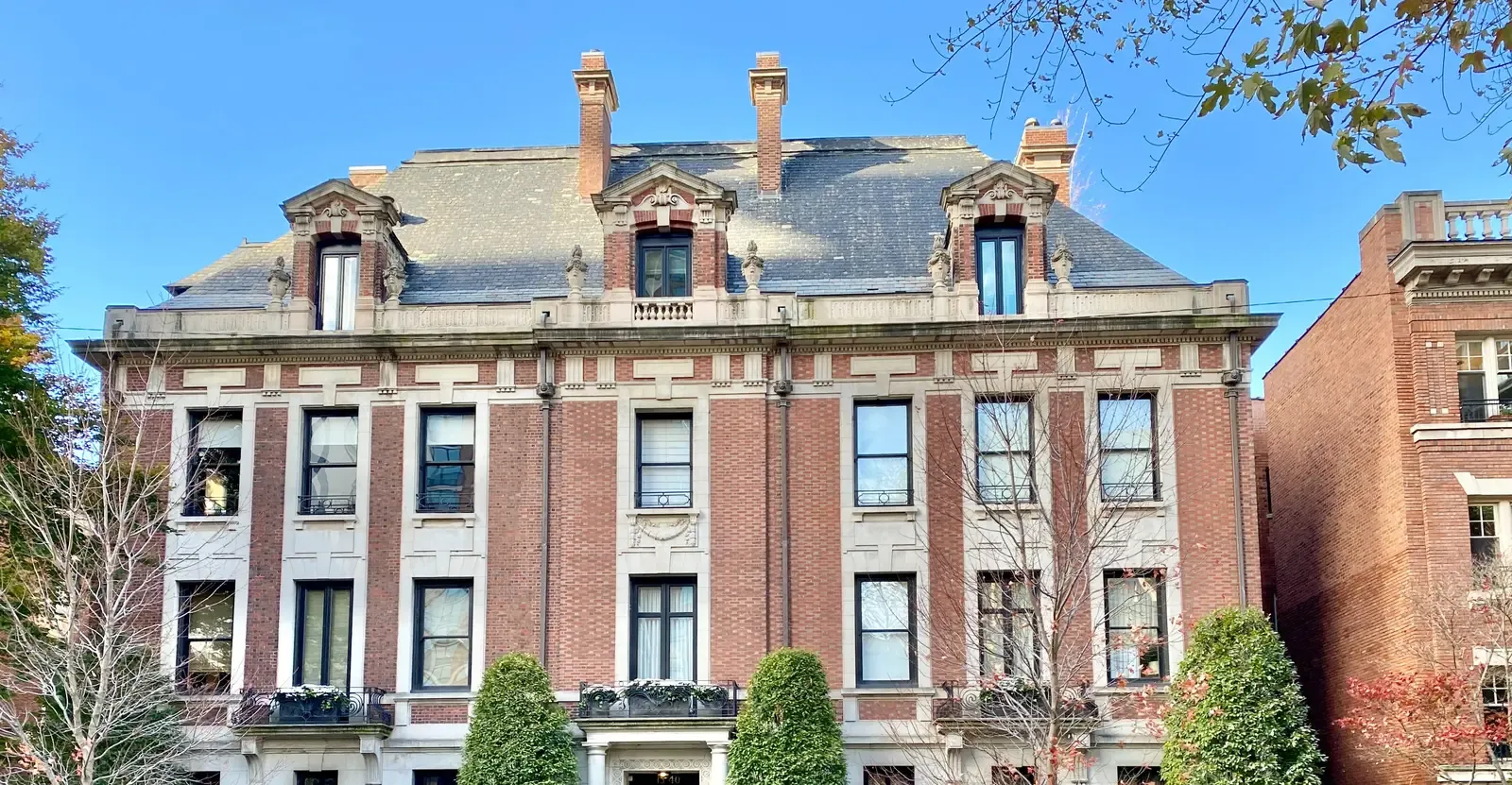
Built in 1927, the estate that would become known worldwide as the Playboy Mansion started life as a fairly conventional Holmby Hills property. Hugh Hefner changed all that when he bought it in 1971, transforming it into the backdrop for decades of parties. The original Playboy Mansion was a 70-room French-style estate in Chicago, but Hefner later bought the current mansion in 1971 for $1.1 million, built in 1927 near UCLA and the Los Angeles Country Club.
The house eventually became more famous than most of the celebrities who partied there. Beyond the 22,000-square-foot mansion with a built-in pipe organ, wine cellar with a secret door and bathhouse, the grounds included a licensed zoo with monkeys, flamingos, peacocks and real bunnies. Hefner sold the property in 2016 for a reported one hundred million dollars while retaining the right to live there for the rest of his life, a deal that made headlines almost as loudly as the parties once had.
3. Neverland Ranch, Los Olivos – Michael Jackson’s fantasy retreat

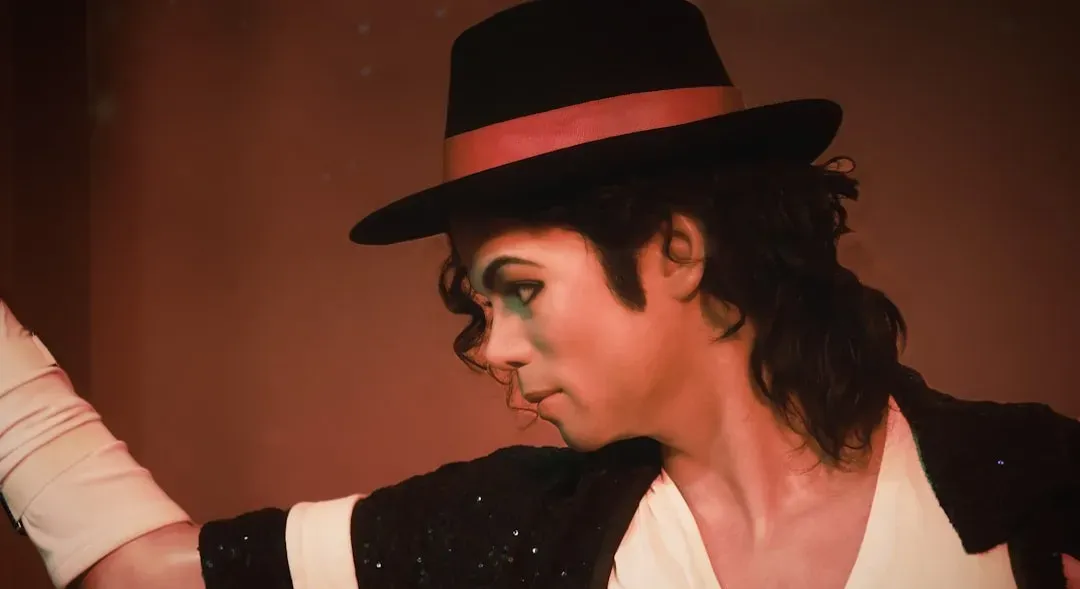
Few celebrity properties ever captured public imagination quite like Neverland. Michael Jackson bought the sprawling estate in 1988 and renamed it after the fictional island in Peter Pan, turning the grounds into something between a private home and a theme park. Jackson bought the property in Los Olivos, about 120 miles north of Los Angeles, in 1988 for $19.5 million, and it became his favorite retreat, famously featuring a zoo, a railway and theme park rides.
After the singer’s 2005 trial, he never returned, and the ranch slid into disrepair for years. Neverland Ranch was eventually purchased by Jackson’s former financial advisor, investment billionaire Ron Burkle, for a reported $22 million in 2020. The property, once listed as high as one hundred million dollars, briefly returned to public attention when it served as a filming location for a biographical movie about Jackson’s life.
4. The Manor, Holmby Hills – the Spelling family’s 123 room mansion

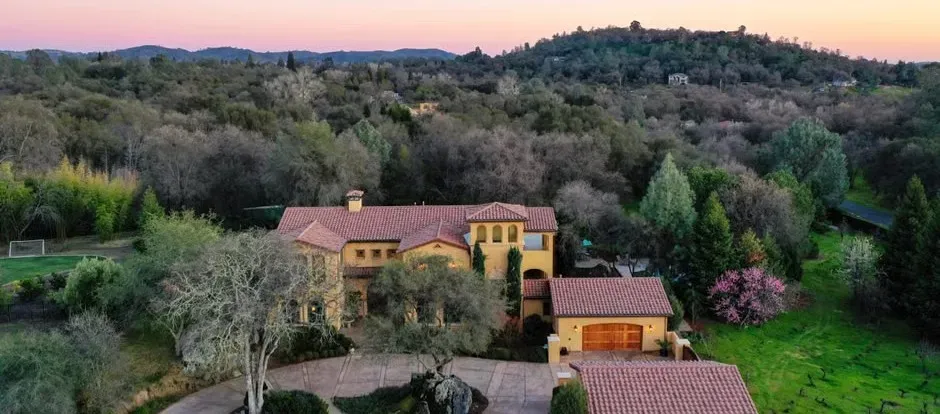
Television producer Aaron Spelling and his wife Candy built what remains the largest private home ever constructed in Los Angeles County. Completed in 1988, The Manor is a sprawling French chateau-style mansion in Holmby Hills, encompassing over 56,000 square feet across more than 100 rooms, with 14 bedrooms, 27 bathrooms, a two-lane bowling alley, a beauty salon, and space for over 100 cars. Guests over the years reportedly included royalty and Hollywood royalty alike.
Partner offer

After Aaron Spelling’s death, Candy sold the estate in 2011 to a then 23 year old British heiress. Petra Ecclestone paid an eye-popping $85 million for Candy Spelling’s Holmby Hills mansion, a purchase that stunned the real estate world. Ecclestone later resold it for a record price, and by 2019 the mansion had changed hands again for nearly one hundred twenty million dollars, cementing its place as one of the most talked about houses in California real estate history.
5. Pickfair, Beverly Hills – Hollywood’s first royal residence

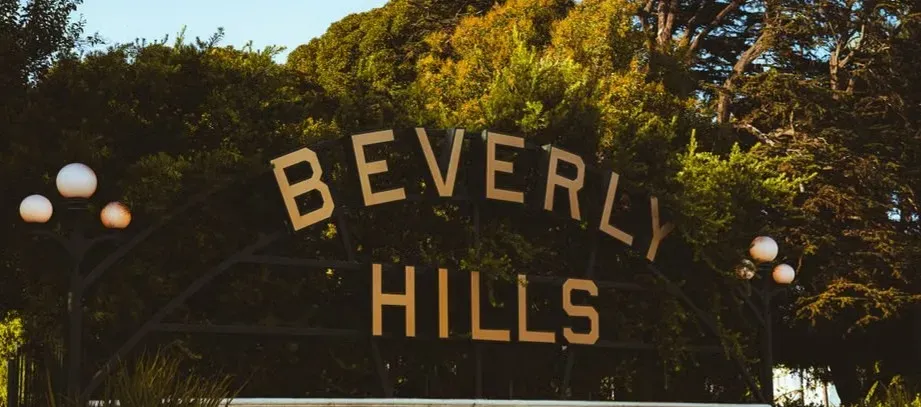
Long before modern celebrity culture existed, there was Pickfair. Built in the early 1920s for silent film stars Mary Pickford and Douglas Fairbanks, the estate became the unofficial social capital of early Hollywood, hosting royalty, politicians, and film legends of the era. The couple’s fame was so tied to the property that fans and journalists often referred to it simply by its nickname rather than an address.
Pickfair outlived its most famous residents by decades, passing through several owners including actress Pia Zadora, before it was eventually torn down in the early 1990s. Even after demolition, the name persisted in Hollywood lore as shorthand for old world movie star glamour, a reminder that a house’s reputation can survive long after the walls themselves are gone.
6. Falcon Lair, Beverly Hills – Rudolph Valentino’s hillside hideaway

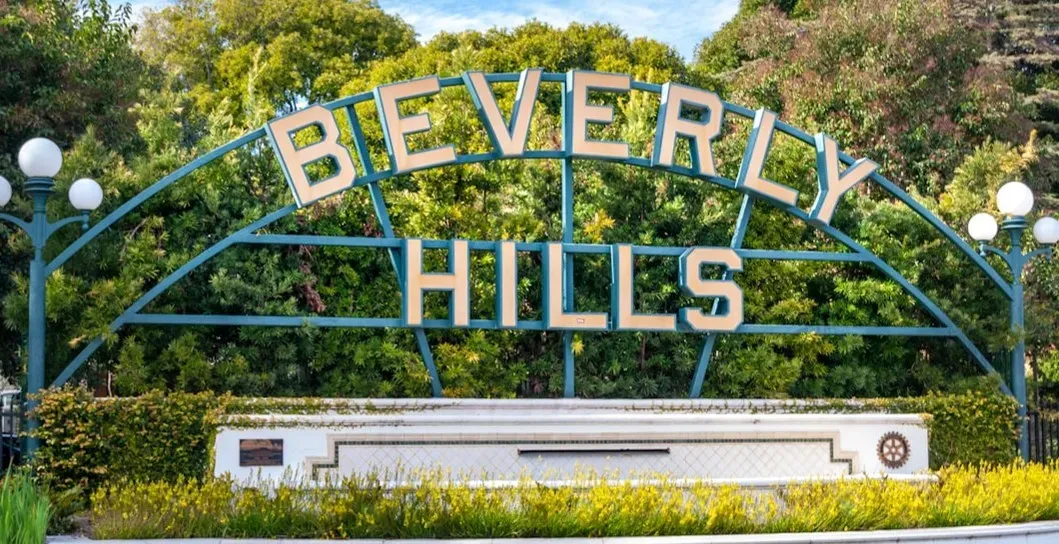
Silent film icon Rudolph Valentino purchased this Benedict Canyon estate in the mid 1920s, giving it a name that matched his larger than life screen persona. The property quickly became associated with the actor’s mystique, and after his sudden death in 1926 at just 31 years old, the house took on an almost mythical status among fans who saw it as a shrine to his brief but blazing career.
Falcon Lair passed through a string of later owners, including heiress Gloria Swanson at one point in celebrity lore, and it kept popping up in Hollywood real estate stories for decades afterward. Like Pickfair, the house was eventually demolished, yet the name Falcon Lair still surfaces whenever historians discuss the earliest generation of movie star mansions.
7. Twin Palms, Palm Springs – Frank Sinatra’s desert getaway

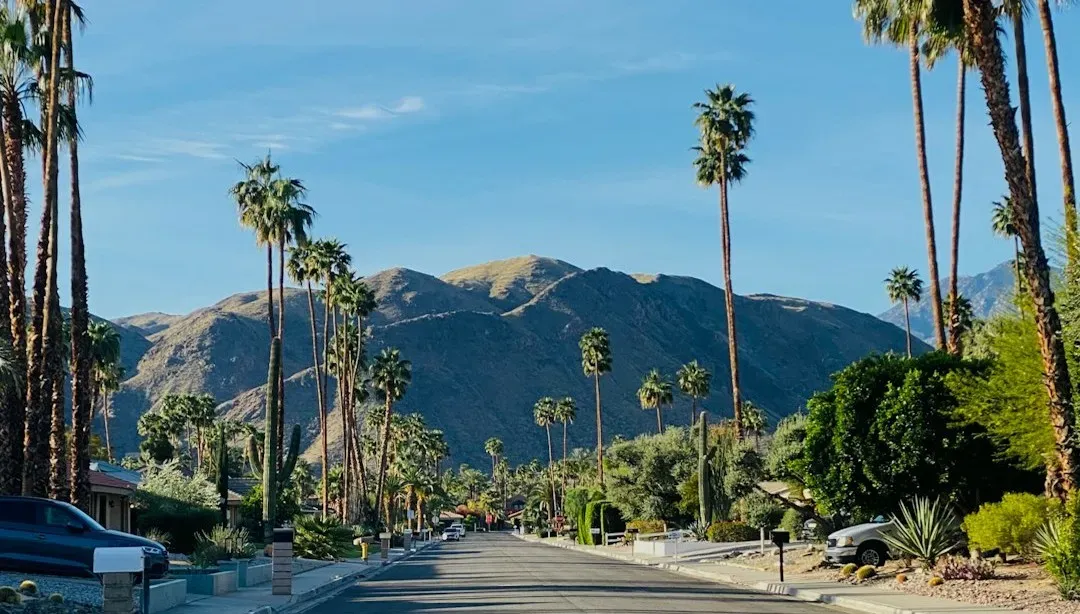
Frank Sinatra commissioned this midcentury modern home in the late 1940s, and its sleek, piano shaped swimming pool became one of the most photographed features of any celebrity property from that era. The house helped define Palm Springs as a Hollywood weekend retreat, and its architecture is still studied today as a benchmark of the desert modernism style.
Long after Sinatra sold the property, Twin Palms kept its grip on public curiosity. It now operates as a rentable vacation property, allowing fans and architecture enthusiasts to actually stay inside the walls where Sinatra once entertained. Few celebrity homes have managed that particular trick of turning private history into something the public can literally walk into.
These seven properties share a common thread beyond square footage and price tags. Each one absorbed something of its owner’s public persona and then kept broadcasting that identity long after the original story had ended. Whether preserved as a museum, torn down and mythologized, or sold and resold at record prices, they prove that the right house, at the right time, can become just as unforgettable as the person who once called it home.Partner offer
Planning a trip to Vegas?
Compare hotel rates and show tickets on VEGAS.com.