There’s something magical about watching thousands of people pour into streets wearing clothing that tells stories spanning centuries. These aren’t just fabrics and patterns. They’re declarations of who we are and where we come from. Costume parades around the world have evolved into powerful platforms where heritage meets celebration, and honestly, the energy is absolutely electric. From the feathered extravagance of Brazilian sambadrome to the dignified dirndls of Munich, these events prove that tradition never goes out of style. Let’s dive into seven extraordinary costume parades that honor cultural identity through breathtaking traditional dress.
Rio Carnival: Samba Schools and Sequined Splendor in Brazil
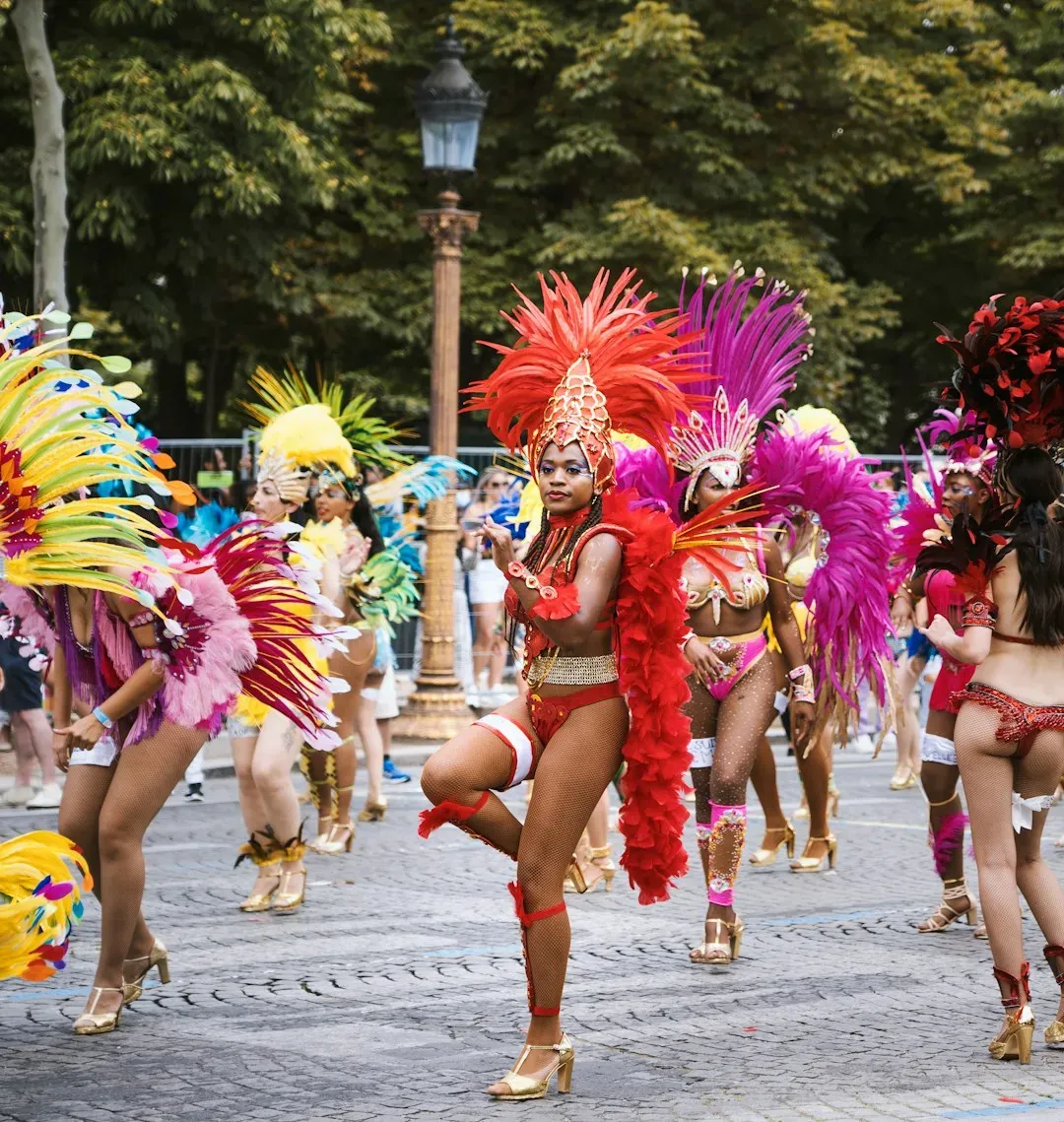
Rio Carnival attracts more than 5 million participants annually, including around 500,000 international visitors. The spectacle unfolds at the Sambadrome, where samba schools compete with elaborate costumes that take months to create. These costumes include sequins, feathers, bows, colors, and very often, gems as well.
Baianas are women dressed in traditional Bahian attire, representing the Afro-Brazilian culture, wearing long, flowing skirts called “saias,” colorful head wraps, and carrying a basket on their heads. It’s hard to describe the scale until you’re actually there. The costumes in the Brazilian carnival borrow concepts from the clothing of the Indigenous peoples of South America, in the use of feathers and scantily clad clothing. Each samba school designs costumes around their yearly theme, blending cultural pride with artistic innovation. Some samba schools are using recycled materials in their costumes to promote environmental awareness.
Notting Hill Carnival: Caribbean Heritage Takes Over London
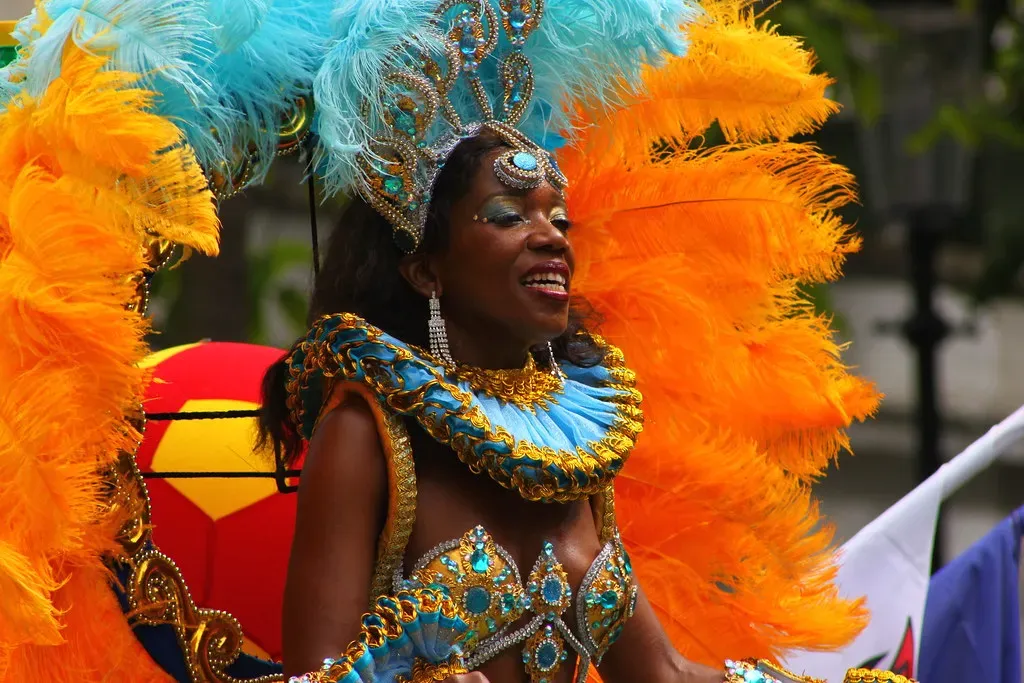
The Notting Hill Carnival is an annual Caribbean Carnival event that has taken place in London since 1966 on the streets of Notting Hill, attracting around two million people annually. Walking through west London during this celebration feels like stepping into another world entirely. You can usually expect to see some 50,000 performers in the parade and more than 30 sound systems.
The spirited street parade became a catwalk for feathered ensembles and amassed an attendance of over 2 million attendees embracing Afro-Caribbean heritage. The costumes range from audacious crystal headpieces to simpler ensembles, all celebrating Caribbean identity. It takes 15,000 costumes created for the carnival every year, requiring 30 million sequins to make and decorate all the costumes. The J’Ouvert tradition involves paint-throwing, creating a colorful explosion that marks the opening celebrations.
Oktoberfest Traditional Costume Parade: Bavaria’s Living Heritage
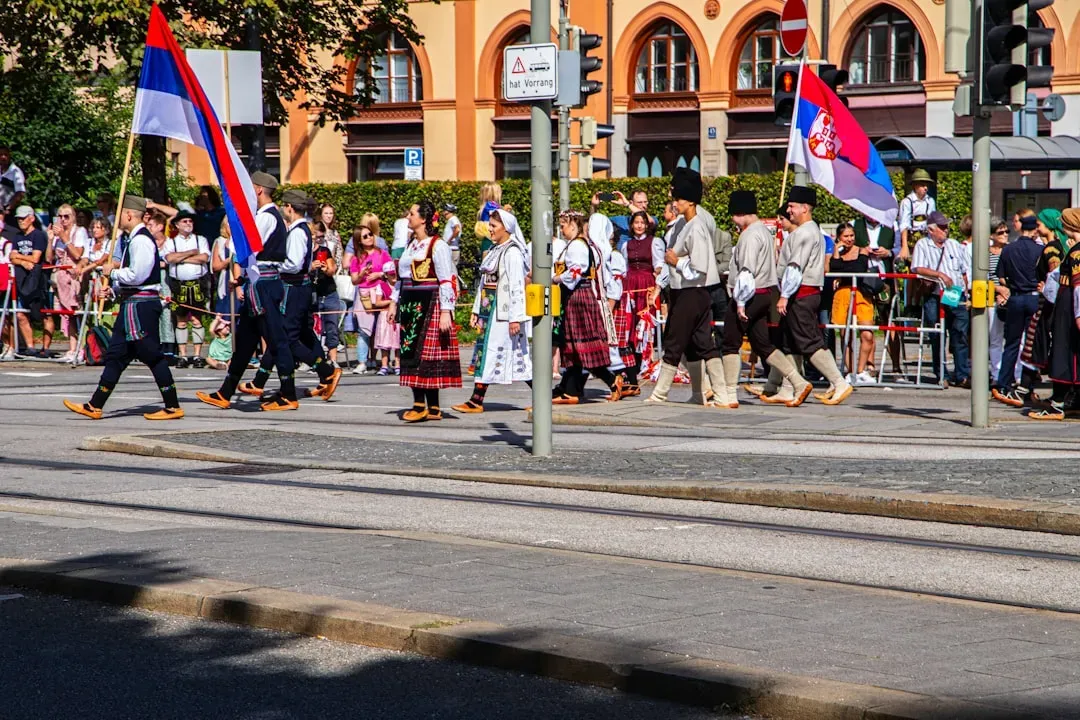
The greatest traditional costume parade of the world is the grand highlight of Oktoberfest, with more than 9100 Trachtler and riflemen marching from Maximiliansbrücke to the Theresienwiese. Let’s be real, this isn’t just about beer. The festive costumes on display are genuine originals, some of which are over 80 years old, particularly striking are the “Tatzl” – tall white ruffs – and elaborately embroidered blouses and skirts with over 350 fine pleats.
Men typically wear lederhosen, which are leather shorts or pants, often paired with knee-length socks and a checkered shirt, while women wear dirndls, a traditional dress that consists of a bodice, skirt, and apron. The men’s costumes with embroidered suspenders, decorated hats, and handmade shoes bear witness to traditional craftsmanship. The parade stretches roughly five and a half kilometers, showcasing authentic Bavarian regional identity through carefully preserved traditional dress.
Day of the Dead Parade: Mexican Tradition Through Calaveras and Flowers
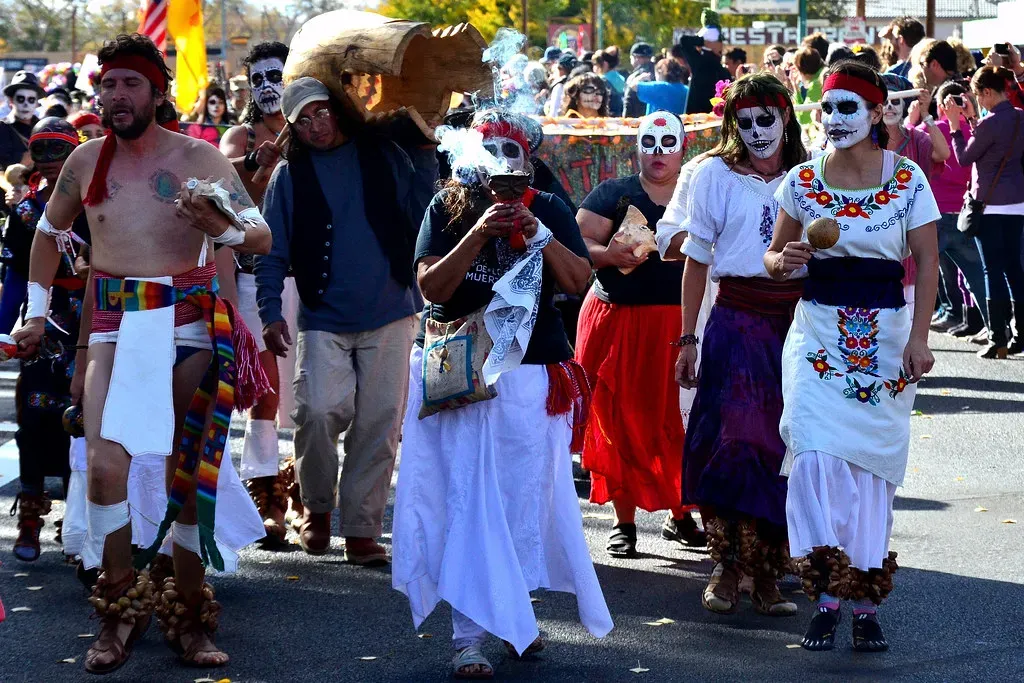
The ‘Legends of Mexico’ parade features iconic brightly coloured calacas (skeletons), calaveras (skulls), and giant floats adorned with flowers. This celebration goes far beyond the stereotypical images you might have seen. Many participants paint their faces like skulls (calaveras) and wear costumes with floral motifs, skeleton patterns, and vivid colors, while traditional Mexican dresses or embroidered shirts and skirts are common.
Flower crowns and marigolds (the symbolic flower of the dead) add a beautiful touch. People dress to honor their ancestors, not to scare them away. Day of the Dead festival marks a celebration where everyone is invited to the table, believed to be at a time where the veils of the spirit world are the thinnest. The costumes create a visual narrative about remembrance and celebration intertwined.
Yokohama International Costume Parade: Showcasing Global Diversity in Japan
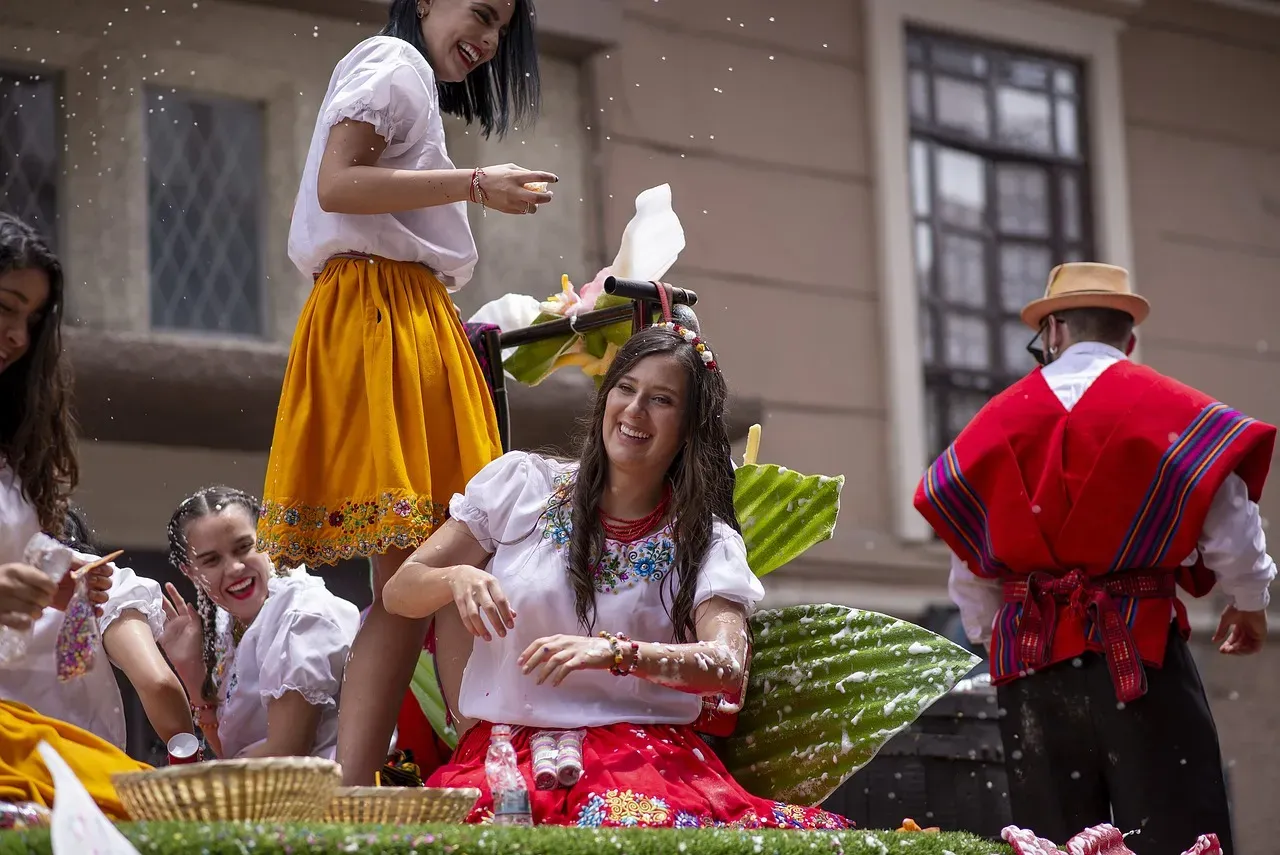
Philippine national dress and sartorial traditions were represented at the 72nd Yokohama Port Festival International Costume Parade held on 3 May 2024, with members of the Filipino community proudly showcasing a dazzling array of attire inspired by Philippine traditional clothing from Luzon, Visayas, and Mindanao. Think about it: multiple cultures gathering in one Japanese city to display their heritage. Adorned in vibrant colors and intricate designs, these ensembles beautifully depicted the rich cultural heritage of the Philippines.
As of June 2023, there are an estimated 9,000 Filipinos in Yokohama City and more than 25,000 in the entire Kanagawa Prefecture. This parade demonstrates how immigrant communities maintain cultural identity through traditional dress. The event provides a platform for various nations to celebrate their unique clothing traditions while fostering cross-cultural understanding in Japan’s diverse urban landscape.
Barranquilla Carnival: Colombia’s Caribbean Cultural Expression
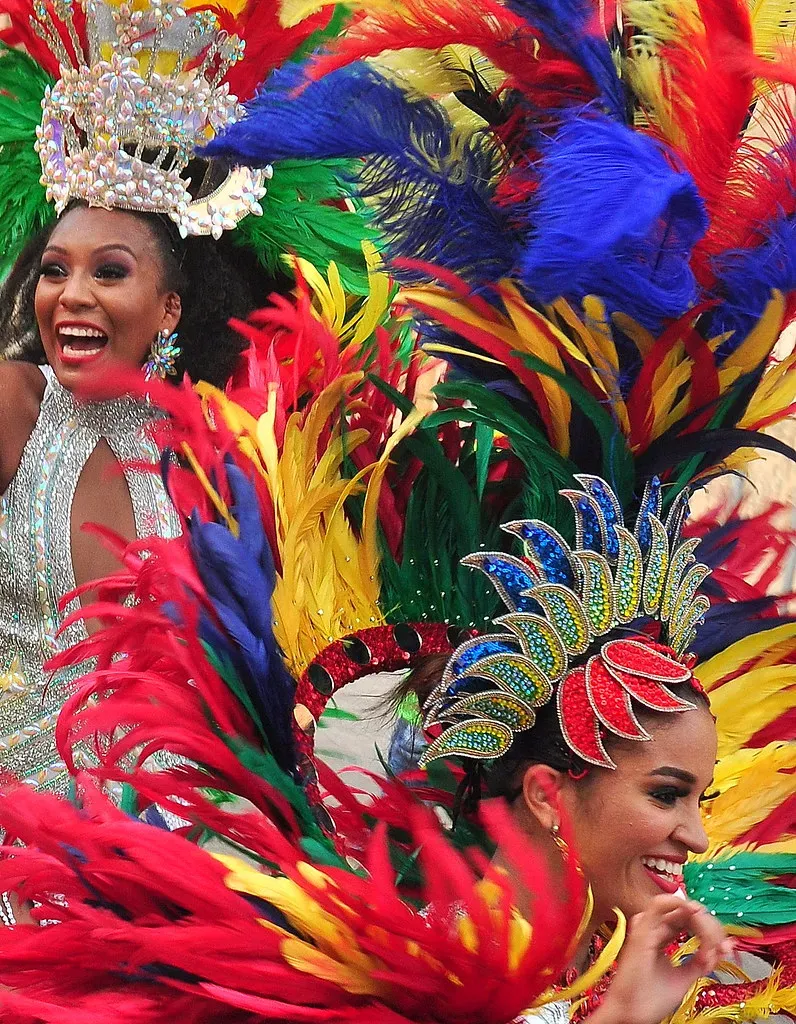
The carnival in Barranquilla starts on the Saturday before Ash Wednesday and ends four days later, recognized by UNESCO as “Masterpiece of the Oral and Intangible Heritage of Humanity,” and is one of the largest in the world after Rio. The Batalla de Flores marks the opening with Colombia’s beauty queens participating on elaborate floats. There are tons of great street performers with neat costumes that embody the culture of Colombia’s Caribbean.
The emblematic marimonda, with its characteristic goofy costume and long nose, originated as a way to poke fun at the ruling elite. The costumes here tell stories of resistance and celebration. Traditional dress elements mix with creative modern interpretations, showing how Colombian Caribbean identity remains vibrant and evolving through generations of carnival traditions.
Mardi Gras New Orleans: Krewe Costumes and Cultural Fusion
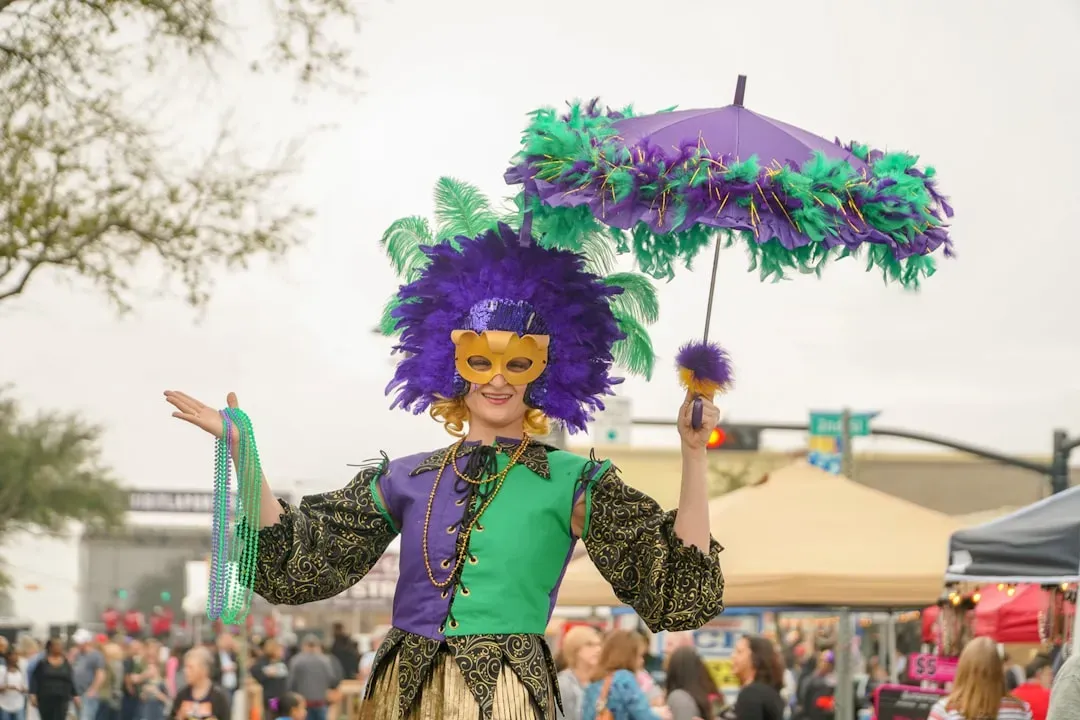
About 1.4 million visitors flock to New Orleans for Mardi Gras, which has taken place since 1699 and has become an explosion of bright colours – particularly purples, greens, and golds – crazy costumes, music, king cake, and beads. Honestly, the creativity is mind-blowing. The ‘Krewes’ design massive and visually stunning floats around given themes, with each parade featuring around 500 riders who throw beads and themed trinkets into the crowds.
Soaked in jazz music, beads and feathers, Mardi Gras is more than a party; it’s a living expression born out of Creole Pride, Black joy, queer expression, and ancestral roots. The costume traditions here reflect layers of history, from European masquerade influences to African-American cultural contributions. Some wear elaborate ball gowns while others opt for irreverent satirical costumes, all contributing to this uniquely American celebration.