Have you ever stopped to wonder what the world would look like if the Eiffel Tower had ended up in Barcelona instead of Paris? Or what if New York’s Lady Liberty was actually standing along the Suez Canal? History hangs on such fragile threads. Some of the world’s most recognizable structures almost took completely different forms, and the stories behind these near misses are more fascinating than you’d think. From rejected architectural visions to last minute design changes, these seven landmarks could have looked entirely unrecognizable. Let’s take a journey through the alternate realities that almost were.
The Statue of Liberty Nearly Guarded the Suez Canal

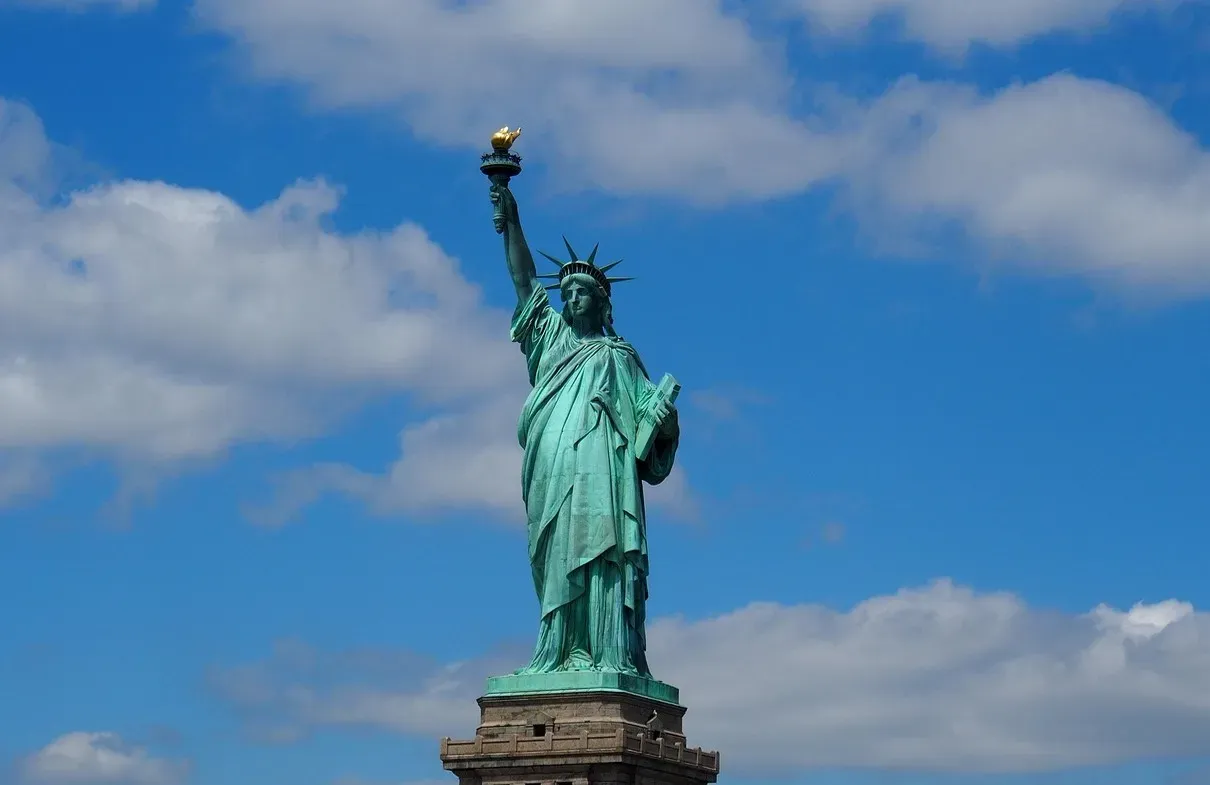
Here’s a twist that might surprise you. Before Lady Liberty became the beacon of American freedom, she was actually destined for Egypt. French sculptor Frédéric Auguste Bartholdi designed a colossal statue of a robed Egyptian peasant woman bearing a torch, titled “Egypt Carrying the Light to Asia,” intended to stand at the entrance of the Suez Canal in Port Said. Honestly, it’s hard to imagine.
The statue was planned to stand 86 feet high with a pedestal rising to 48 feet, but the Khedive rejected the proposal citing its expensive cost. Khedive Ismail was focused on the Canal opening ceremony and said he couldn’t afford the project. Instead of giving up, Bartholdi rethought his idea and hatched a plan for France to offer America a spectacular birthday present in the form of a woman holding a blazing torch. What would have been a Muslim Egyptian peasant woman became the Roman goddess Libertas we recognize today.
The Eiffel Tower Was Rejected by Barcelona First

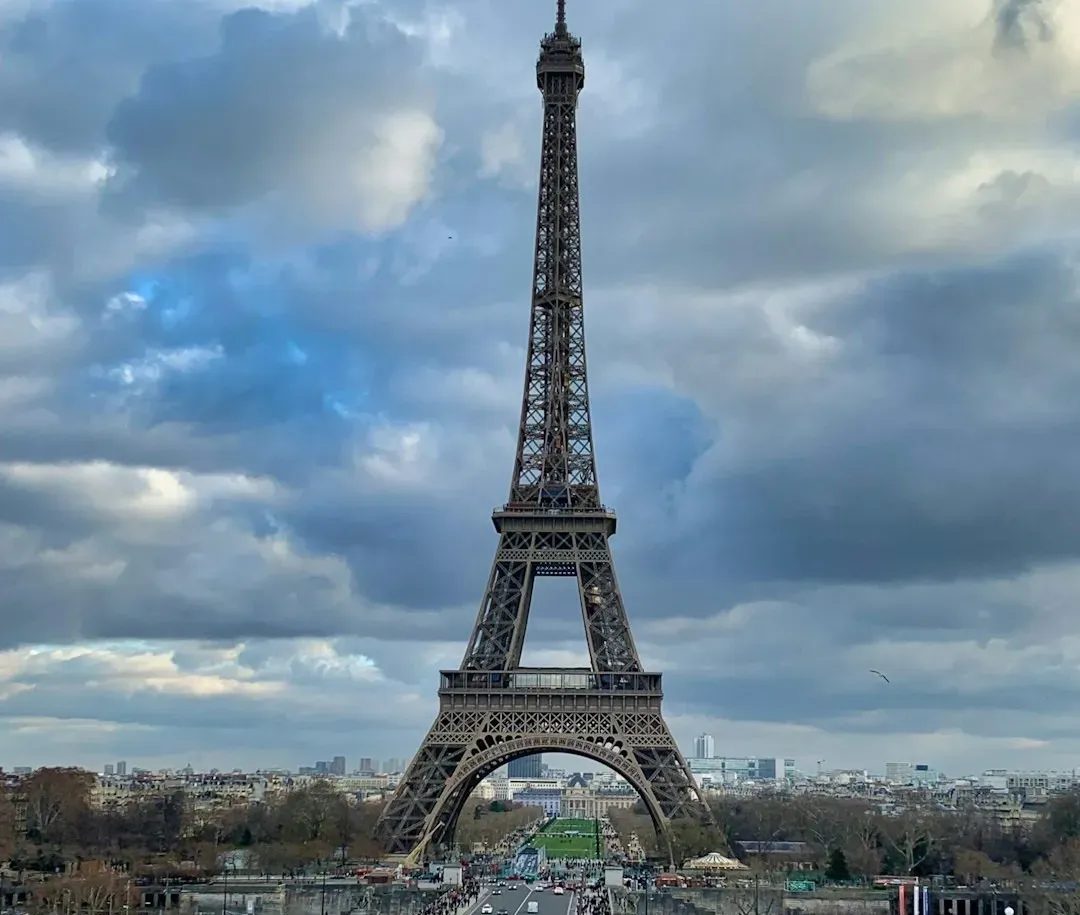
Imagine Barcelona’s skyline featuring the Eiffel Tower instead of Gaudí’s masterpieces. It almost happened. Gustave Eiffel initially presented his tower design to Barcelona officials for their 1888 Universal Exposition, but the city rejected it as too expensive and impractical. Talk about a missed opportunity.
Eiffel had a permit for the tower to stand for only 20 years and it was supposed to be dismantled in 1909, but the tower proved valuable for innovations, particularly radio telegraphy, and was allowed to remain. Paris got lucky twice, first by accepting what Barcelona rejected, then by finding a practical use that saved the structure from demolition. The tower received nearly 6 million visitors in 2022, making it one of the most visited monuments globally.
Sydney Opera House Could Have Been a Submarine-Shaped Building

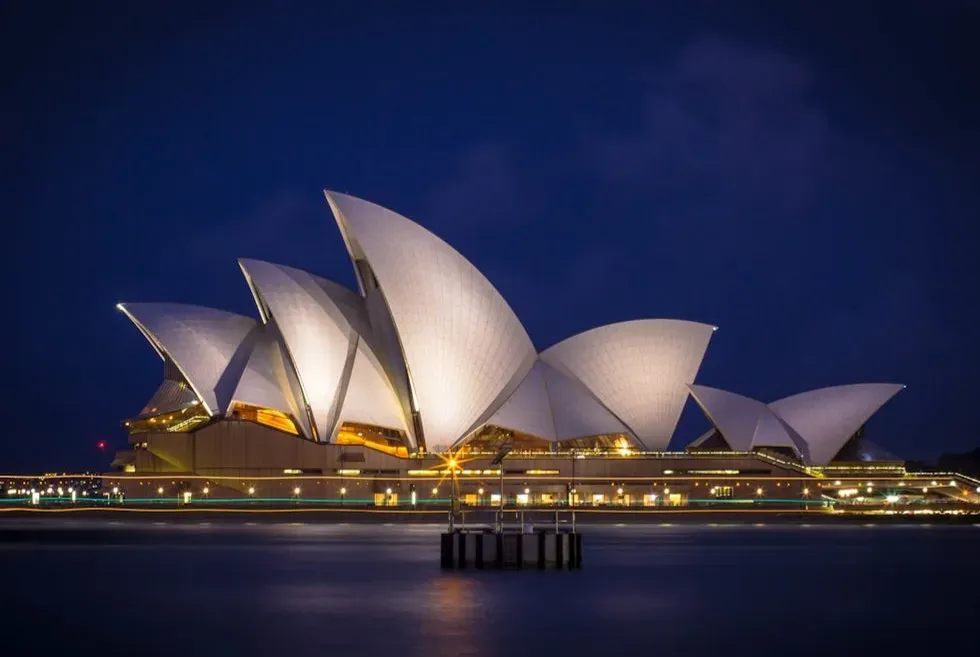
The iconic sail shaped shells of the Sydney Opera House are recognized worldwide. Yet this landmark nearly looked like something completely different. Second place in the design competition went to a submarine shaped opera house created by an improvised team of seven designers from Philadelphia, inspired by seashell forms and utilizing the latest concrete techniques.
An international design competition launched in 1955 received 233 entries from 32 countries, and according to legend, Utzon’s design was initially rejected before being rescued by Finnish American architect Eero Saarinen. The original cost estimate in 1957 projected completion for January 1963 at $7 million, but the project was completed ten years late and over budget by more than 1,300 percent. Despite the chaos, the building is now widely regarded as one of the world’s most famous and distinctive buildings and a masterpiece of 20th century architecture.
The Golden Gate Bridge Was Almost Painted Black and Yellow Stripes

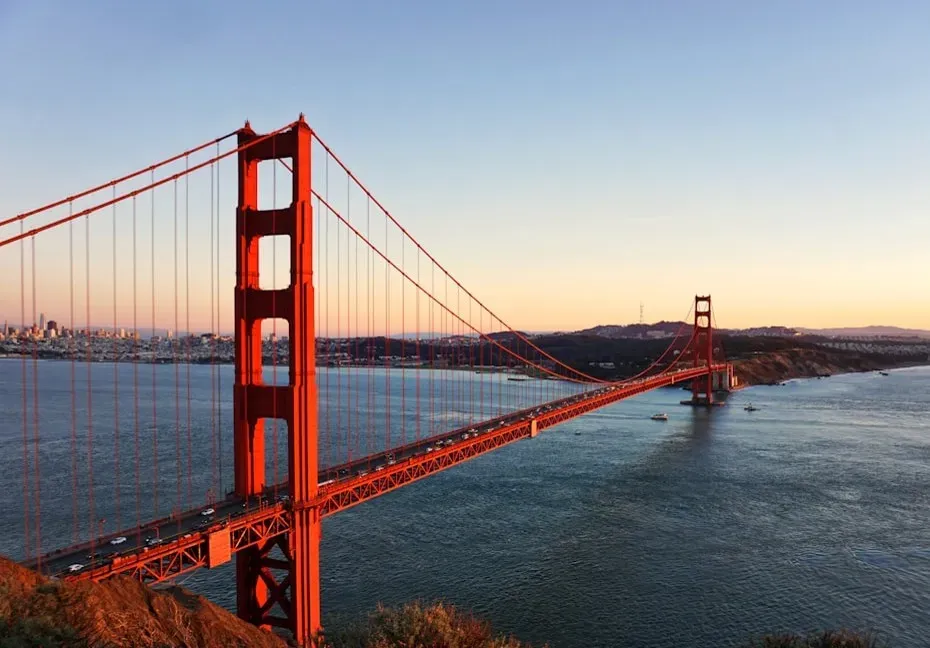
Close your eyes and picture the Golden Gate Bridge. You’re seeing International Orange, right? The U.S. Navy recommended a black and yellow striped design intended to increase visibility for ships and airplanes operating in foggy weather. Can you imagine how tacky that would have looked?
Irving Morrow, the consulting architect, noticed the striking reddish orange primer painted on some of the steel and championed the unusual color. Chief engineer Joseph Strauss actually had a different design in mind, originally planning a bizarre hybrid suspension and cantilever bridge that lacked the exquisite simplicity of the final design. Morrow had to convince the Department of War that the largest suspension span ever built should have this wild crazy color. Good thing he won that argument.
The Washington Monument Nearly Had a Massive Temple Base

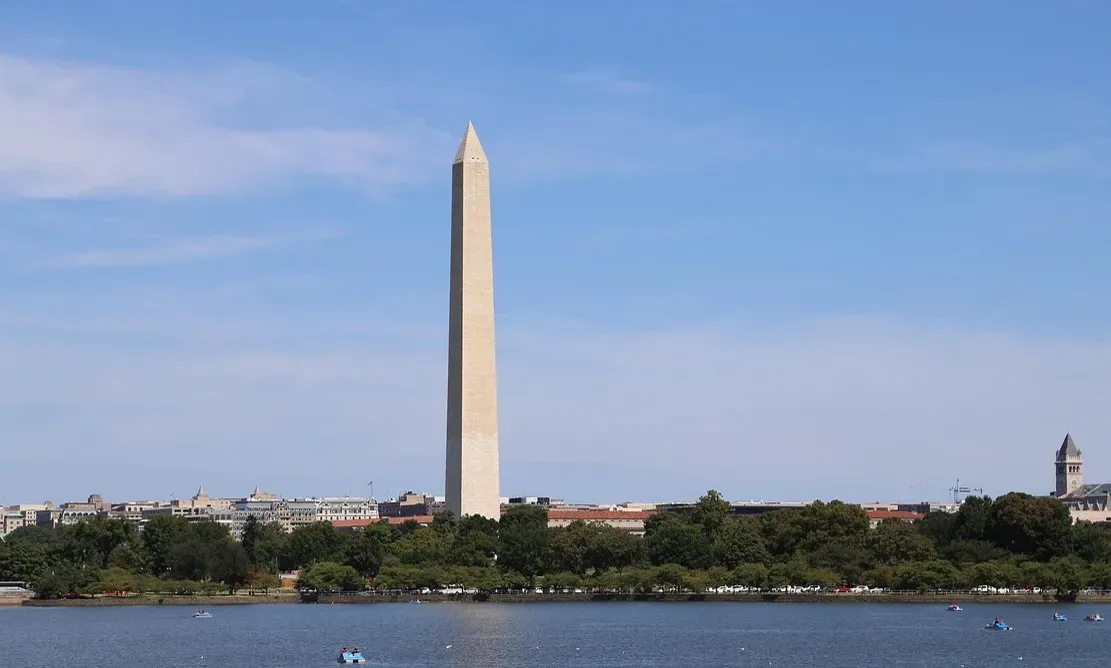
The Washington Monument stands today as one of America’s most elegantly simple landmarks. Nothing flashy, just a clean obelisk piercing the sky. Architect Robert Mills’ initial 1836 proposal featured an enormous classical style temple 250 feet in diameter and 100 feet high at the base, with a huge 500 foot column emerging from the center and a statue of Washington riding a horse drawn carriage over the main entrance.
The National Washington Monument Society relied on public funds, and ambitious projects estimated to cost more than $1 million, roughly $30 million in today’s dollars, didn’t mix well with public funding. The original winning design included a pantheon base with columns and statues, but funding issues and the Civil War led to decades of delays, resulting in a simplified design and a slight shift in location. Sometimes financial constraints lead to better outcomes.
The Arc de Triomphe Nearly Became a Giant Elephant

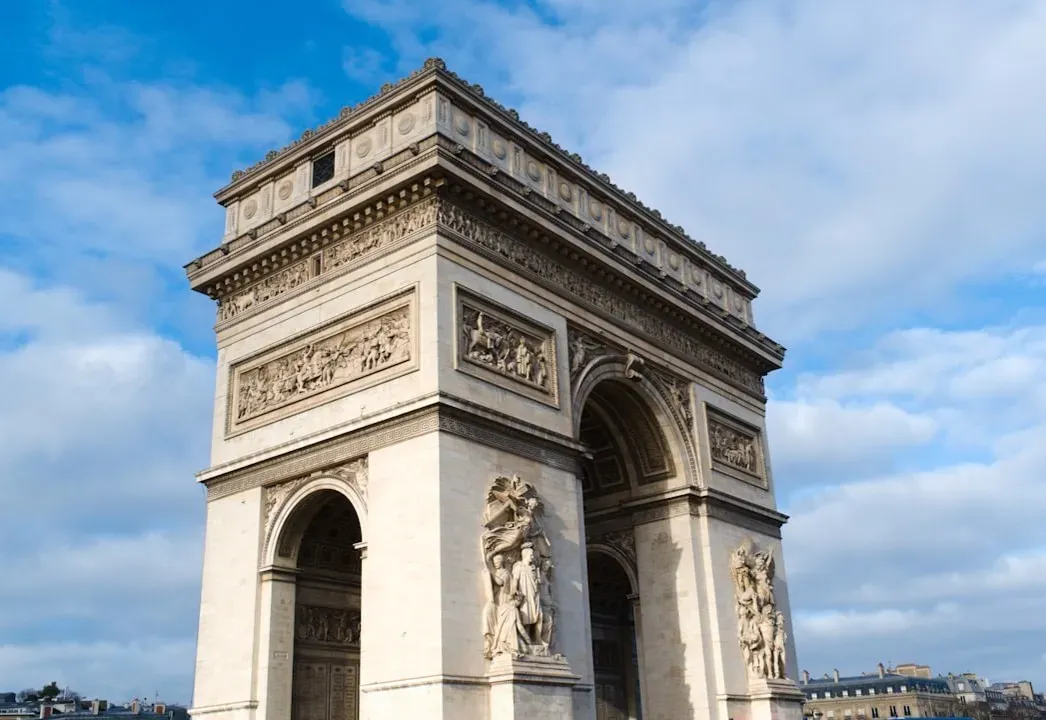
Let’s be real, this one sounds completely bonkers. A grand elephant shaped building was initially proposed for the site where the Arc de Triomphe stands today, with architect Charles Ribart planning a three level structure in 1758, complete with primitive air conditioning and foldaway furniture, but authorities turned down his wacky design.
The Arc de Triomphe takes pride of place at the top of the Champs Élysées and the grandiose arch was erected in 1806 to honour those who had fallen in the French Revolutionary and Napoleonic Wars. Thank goodness the authorities showed some restraint. An elephant monument would have been amusing, sure, but the elegant neoclassical arch we have today is far more dignified and timeless.
St Paul’s Cathedral Almost Had a Modest, Uninspiring Dome

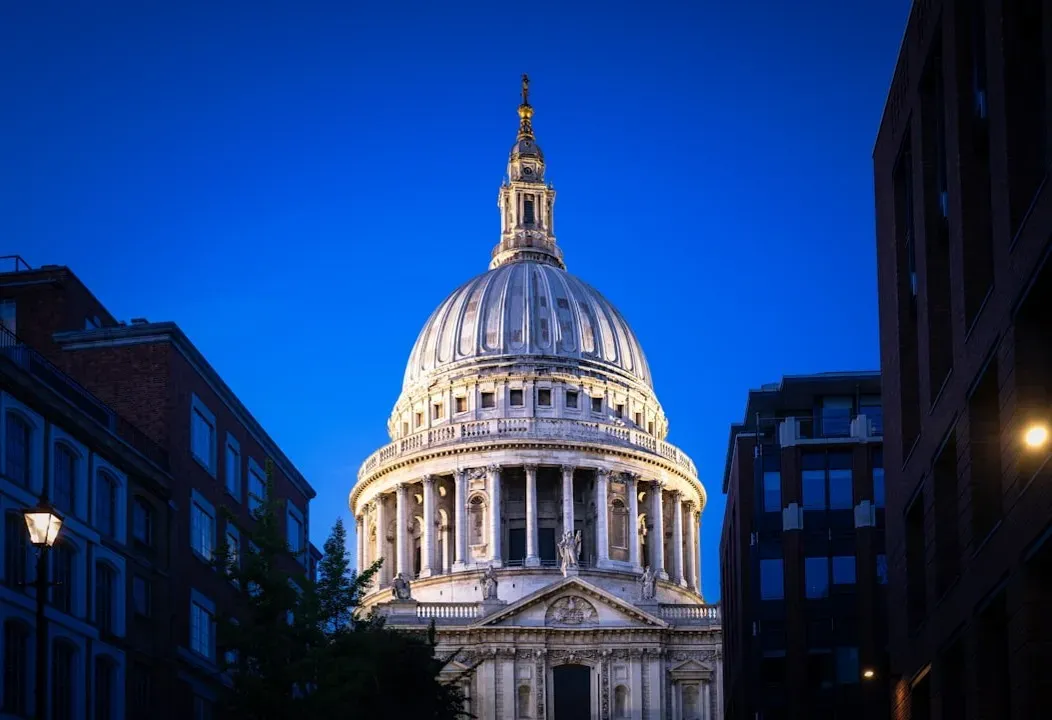
Christopher Wren’s majestic St Paul’s Cathedral rose from the ashes of the Great Fire of London in the late 17th century, and the massive dome, the second largest cathedral dome in the world, is its defining characteristic. However, this architectural marvel nearly didn’t happen.
The enormous rounded dome design may not have seen the light of day had the powers that be selected the so called Warrant design, an early proposal featuring a smaller, more modest dome with none of the wow factor of Wren’s final draft. The difference between the two proposals is staggering. One would have been just another church, forgotten in the annals of history. The other became an enduring symbol of London’s resilience and architectural ambition.
These seven landmarks remind us that history could have taken wildly different turns. The structures we consider iconic today were often born from rejection, compromise, or sheer accident. What’s even more remarkable is how these last minute changes, budget constraints, and bold artistic visions shaped the world we inhabit. The next time you see photos of these famous sites, remember they . Makes you wonder what other alternate realities we narrowly avoided, doesn’t it?