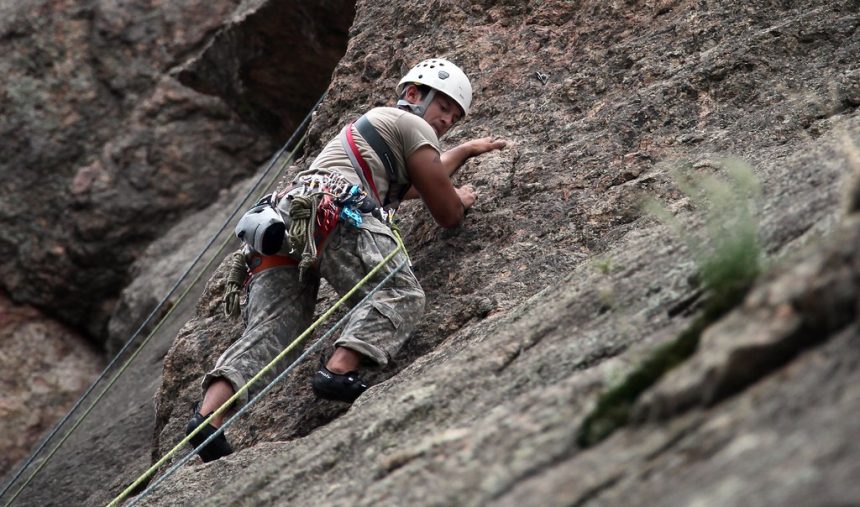
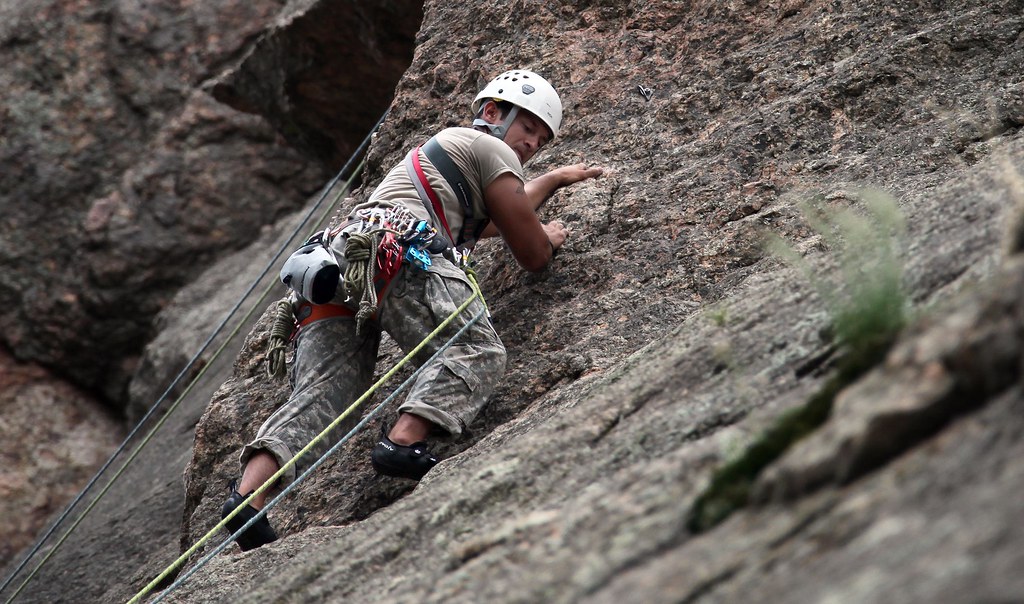

A Perilous Plunge 600 Feet Up (Image Credits: Flickr)
Red Rock Canyon National Conservation Area – Emergency teams mounted a demanding seven-hour rescue Saturday after a climber fell 40 to 50 feet and sustained severe head and back injuries on a challenging multipitch route.[1][2]
A Perilous Plunge 600 Feet Up
The incident occurred around noon on February 28, 2026, on the Dream Safari route at Dark Shadows Wall in Pine Creek. This extension to routes like Risky Business and Excellent Adventure rises about 800 feet overall. The climber had ascended roughly 600 feet before the fall at the top of the first pitch.[3]
Details on the exact cause remained unclear, but the drop inflicted serious trauma. The victim’s helmet shattered on impact, yet authorities credited it with averting a fatal outcome. Positioned mid-face, the injured party awaited help in a precarious spot.[4]
Partners Step In Before Pros Arrive
The climber’s partner, joined by a guide from a nearby group, reached the scene first. They stabilized the situation by controlling bleeding, a critical move that bought time. Las Vegas Metropolitan Police Department Search and Rescue (LVMPD SAR) received the call shortly after noon.[1]
Four SAR officers and a Lead Climb volunteer flew in via AIR3 helicopter. They positioned above the victim and rappelled down the sheer wall. Medical care began immediately amid the exposure.[2]
The Meticulous Descent Operation
Rescuers secured the patient in a titanium litter right there on the cliff. They rigged a lowering system with three separate stations to cover hundreds of feet safely. A rescuer stayed attached throughout the controlled drop to the base.[3]
At ground level, Lead Climb and Mountain Rescue volunteers took over. They hauled the litter across rough desert terrain to an extraction zone. AIR3 then hoisted the climber and team to the Bureau of Land Management helipad.[4]
- Helicopter insertion hundreds of feet above.
- Rappel to victim for treatment.
- Litter packaging and three-stage lowering.
- Ground carry to helipad.
- Final airlift and ambulance handoff.
Recovery and Vital Lessons Learned
The entire effort spanned seven hours from first insertion to last extraction. Ground ambulance crews transported the climber to a local hospital. Officials reported the patient continued recovering well and stayed in good spirits.[1]
LVMPD emphasized the helmet’s role: “Although the victim’s helmet was destroyed during the fall, it likely saved their life. We continue to check in with the victim and he’s continuing to recover and in good spirits.”[2]
Key Takeaways
- Helmets remain essential gear, even on multipitch climbs.
- Climbing partners can provide lifesaving first aid.
- Technical rescues demand coordinated expertise in remote terrain.
Multipitch routes like Dream Safari test climbers’ skills and preparedness. This rescue highlighted the blend of volunteer grit and professional precision that safeguards adventurers in Red Rock’s rugged expanse. Incidents like this remind all visitors of the area’s inherent risks and the value of safety protocols. What are your thoughts on climbing safety in popular spots like Red Rock? Share in the comments.