There’s a version of the music industry that older fans describe with a kind of quiet nostalgia: albums that told stories from beginning to end, concert tickets that didn’t require a second mortgage, and artists whose careers were built on genuine craft rather than algorithm optimization. That world didn’t disappear overnight. It eroded steadily, one industry decision at a time.
From the economics of streaming to the unchecked rise of artificial intelligence in the creative process, a growing number of listeners argue that the changes reshaping music today have come at a real cost. Here are the seven shifts fans point to most often when they say something essential has been lost.
1. Streaming Decimated Artist Pay
The math behind streaming royalties has never worked in most artists’ favor. Spotify pays between roughly three and four tenths of a cent per stream, meaning artists need around 285,000 streams just to earn $1,000. For independent musicians without label infrastructure behind them, that number is more sobering than inspiring.
In 2024, Spotify introduced a new policy stating that songs with fewer than 1,000 streams in a 12-month period would no longer earn any royalties at all. The company claimed this was aimed at removing fraudulent or low-effort content, but the collateral damage hit countless indie artists, signaling a deeper message: if you’re not reaching scale, you’re not worth paying. Many fans see that trade-off as a fundamental betrayal of the long tail of music they love.
2. Songs Keep Getting Shorter
The average chart-topping hit has been quietly shrinking for decades. By 2025, the average number-one hit clocks in at just 3 minutes and 34 seconds, a full 18% shorter than its 1990 equivalent, according to an Economist analysis of roughly 1,200 number-one hits. That shift is not accidental. It’s the direct result of economic incentives baked into streaming.
On platforms like Spotify, artists earn royalties only if a listener stays engaged for at least 30 seconds, making songs with shorter intros and instantly engaging hooks dominant. The pay-per-play model also incentivizes artists to create shorter songs, since shorter songs encourage more replays, and more replays mean more revenue. Songwriters have noticed: bridge sections, once prized moments of emotional pivot in a song, are disappearing because, as Grammy-nominated songwriter Erika Nuri Taylor noted, streaming has definitively affected that part of the craft.
3. Algorithms Replaced Artistic Risk
Streaming platforms are heavily reliant on algorithms to recommend music to listeners, analyzing user data including song likes, skips, repeat plays, and playlist additions to personalize recommendations and suggest tracks that align with a listener’s tastes. The problem is what gets squeezed out in that process.
The nature of streaming has impacted the way songs are structured, with artists placing more emphasis on hooks and choruses. As listeners increasingly skip songs that don’t capture their attention immediately, many artists now craft tracks with engaging hooks right at the beginning, a contrast with traditional songwriting structures where a song might build slowly or introduce the hook only after a longer instrumental section. Musicians who want to explore complex narratives, intricate instrumental sections, or unconventional song structures may struggle to find success on streaming platforms that reward immediately engaging, easy-to-digest tracks.
4. Concert Tickets Became Unaffordable

Live music was once the accessible alternative when album costs were high. That calculation has completely flipped. In 1996, the average face value for a ticket to see one of the world’s 100 top-grossing artists was around $25 in the US. By 2024, that average face value had climbed to $136.45, an increase of more than 150% even after adjusting for inflation.
Partner offer
Industry veterans say that sky-high ticket prices are due to three key factors: supply and demand as reflected in the controversial practice of dynamic pricing, rampant scalping, and one dominant company, Live Nation, controlling every source of revenue including beer, food, parking, and Ticketmaster service fees at its venues across North America. In a striking legal development, a New York federal jury concluded in April 2026 that Live Nation illegally monopolized the live events industry and overcharged fans. For many fans, that verdict confirmed what they had felt in their wallets for years.
5. AI Flooded Platforms With Fake Music
The rise of AI-generated music has introduced a problem that goes beyond aesthetics. Fraudsters now use AI song generators to flood streaming platforms with millions of fake songs and stream each one just a few thousand times, enough to generate royalties from each track but not enough to arouse suspicion. Real artists lose real money as a result.
Streaming platforms have a finite revenue pool from which they pay royalties, and every time a bad actor successfully extracts fraudulent payments, there is less revenue to share with artists, labels, and publishers. In April 2025, streaming platform Deezer estimated that roughly 18% of the content uploaded to its platform every day is AI generated, amounting to about 20,000 tracks. When AI-generated tracks topped Spotify’s Viral 50 chart in November 2025, with one act leading the chart for multiple weeks, the industry’s worst fears became a visible, measurable event.
6. The Album as an Art Form Is Disappearing
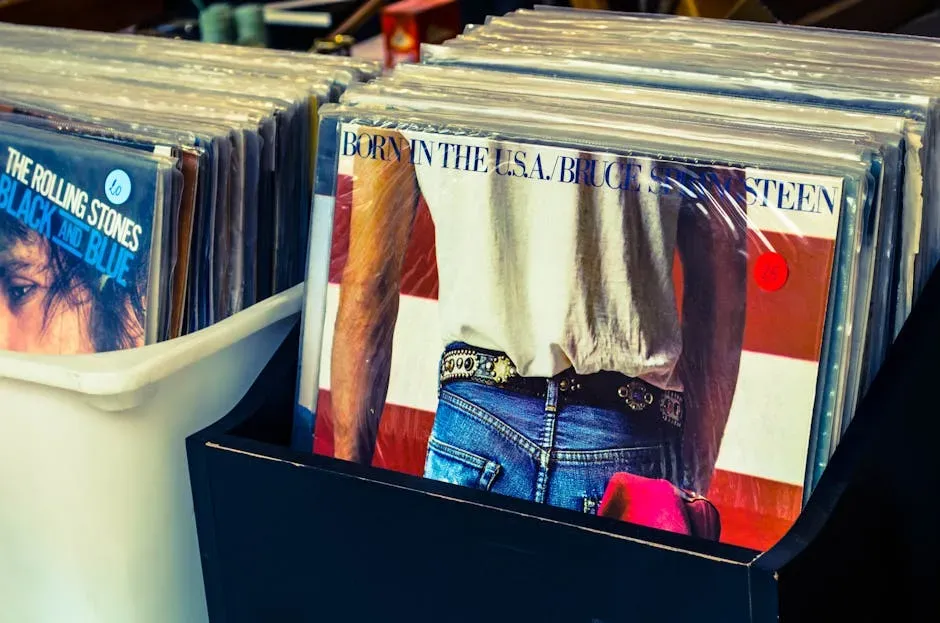
There is something meaningfully different about sitting with a full album, from its opener to its closer, and experiencing it as a single designed statement. The focus has shifted from albums to singles, and listeners often favor curated playlists over full-length projects. That shift didn’t happen because fans stopped caring about albums. It happened because the economics of streaming reward single tracks, not cohesive artistic works.
Bands no longer use tours to promote their album. They use their album for tour promotion. In this sense, live music has become decentralized from the listening experience, leading artists to experiment with ways to make concerts more attractive and cultivate fan communities. The album, once the primary artistic unit of popular music, has been quietly reassigned to the role of marketing material.
7. Major Labels Still Hold Most of the Power
Despite the democratizing promise of streaming and social media, the major label system continues to hold enormous leverage over who gets heard and who gets paid. Where the industry standard is for artists to receive roughly 20% of the royalties from their music, newer alternative platforms aim to offer artists no less than 50%. That gap tells you everything about how the traditional deal is structured.
The aversion to music industry plants in 2024 stems from a growing awareness of authentic artistic journeys, especially in an era where social media has amplified the visibility of independent artists. When industry-backed artists use a facade of grassroots growth, the perception of inauthenticity clashes with the values of transparency and genuine talent, with frustration further heightened by the visibility of numerous talented artists who tirelessly build their careers without significant backing. The perception that the system is rigged hasn’t faded. If anything, it has grown louder.
Whether any of this will reverse depends on choices that are still being made, in courtrooms, on streaming platforms, and in the hands of listeners who still decide, every day, what kind of music they actually want to support.
Partner offer
Planning a trip to Vegas?
Compare hotel rates and show tickets on VEGAS.com.