There is a certain uncomfortable truth about American policing: it has rarely reformed itself from within. Almost every major shift in how police departments operate, how officers are trained, or how communities are protected has come not from inside the precinct walls, but from outside pressure. Investigations, commissions, and federal inquiries have served as the hammers that cracked the institutional concrete – forcing change that departments often resisted for years, sometimes decades.
Some of these investigations made headlines that shook the entire country. Others worked quietly through legal filings and federal reports, reshaping policing in ways that most people never noticed. Here are seven of the most consequential investigations that genuinely changed the game – for better or worse, depending on who you ask. Let’s dive in.
1. The Wickersham Commission (1929): The First National Reckoning
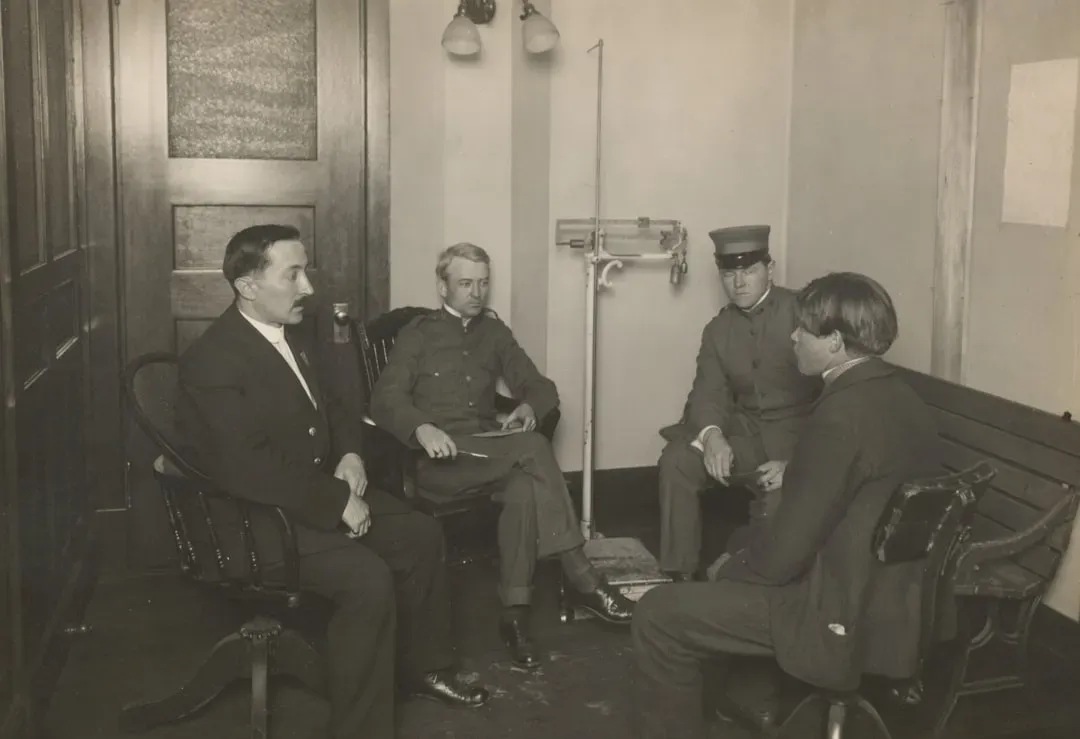
Before Wickersham, police misconduct was widely seen as a local problem, something each city handled its own way or, more often, simply ignored. That changed in 1929 when President Herbert Hoover formed a federal commission to examine what was really happening inside American law enforcement. In 1929, the federal Wickersham Commission produced 14 volumes of reports documenting widespread police corruption, including the use of the “third degree” to extract confessions. That last detail is especially chilling: systematic torture was apparently standard procedure in departments across the country.
President Hoover formed the Wickersham Commission to investigate rising rates of crime and police officers’ inability to combat it, and the commission also delved into organized crime. The findings were staggering for the era. Policymakers did not come to view police misconduct as a widespread, national problem until the Wickersham Commission Report shed light on it. It was the first time anyone had looked at policing as a national systemic issue, not just a collection of isolated bad actors – and that shift in perspective mattered enormously.
2. The Knapp Commission (1970s): New York’s War on Itself
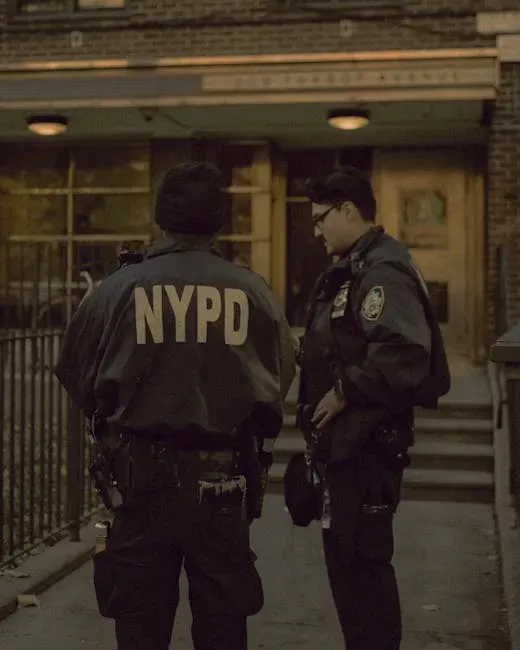
If there is one city that has historically served as a mirror for American policing at its worst and best, it is New York City. Formed in New York City in the 1970s, the Knapp Commission was created to investigate police corruption in the city. What it uncovered went far beyond a few bad apples. The investigation revealed a deeply embedded culture of bribery, protection rackets, and officers who looked the other way while collecting envelopes of cash. Think of it like discovering mold behind the walls of a house – by the time it’s visible, it has spread everywhere.
The Knapp Commission’s revelations triggered a wave of structural reforms inside the NYPD that rippled out to departments across the country. It proved that internal affairs investigations alone were no match for institutionally protected corruption. External commissions have been created to determine the procedural changes needed for police reform; however, the commissions merely recommended such changes and left implementation to individual police departments, which made such efforts largely unsuccessful. Still, Knapp fundamentally changed how cities thought about oversight – and made the case for civilian accountability boards long before they became a mainstream conversation.
3. The Kerner Commission Report (1968): The Diagnosis Nobody Wanted to Hear
Honestly, the Kerner Commission might be the most important investigation on this entire list – and also the most ignored. The Kerner Commission Report, officially known as the National Advisory Commission on Civil Disorders, was established in 1967 in response to widespread urban riots and unrest across the United States, and was appointed by President Lyndon B. Johnson to investigate the underlying causes of these disturbances. The riots of that summer were catastrophic. In 1967 alone, more than one hundred U.S. cities exploded in episodes of violence and looting.
The 426-page Kerner Report concluded that the direct cause of the riots was rooted in the social consequences of white racism, such as disparities in housing, employment, education and policing. That was a shocking conclusion for a government-appointed commission to deliver. Bad policing practices, a flawed justice system, unscrupulous consumer credit practices, poor or inadequate housing, high unemployment, voter suppression, and other culturally embedded forms of racial discrimination all converged to propel violent upheaval on the streets of African-American neighborhoods. It prescribed a fundamental restructuring of police-community relations. The commission’s recommendations were largely ignored; in their place, Johnson and his successor, Richard Nixon, emphasized tough-on-crime law enforcement policies that would sweep up millions of Black Americans into the criminal justice system.
4. The Rodney King Investigation and the Christopher Commission (1991): When Video Changed Everything
Before smartphones existed, before body cameras were a policy conversation, a man named George Holliday pointed a camcorder at a group of LAPD officers beating Rodney King on a Los Angeles street. Twenty-five years ago, in 1994, the law enforcement community had just endured what was, at the time, its most widespread and damaging scandal: the videotaped arrest of Rodney King by LAPD officers. The footage was broadcast nationally, and the outrage it generated forced a level of scrutiny onto the LAPD that the department had never faced before. It is no exaggeration to say this moment rewrote the rules of police accountability in America.
The investigation of the Ferguson police department years later was one outcome of a federal law passed in the wake of the Rodney King incident; three years after the beating, Congress passed the Violent Crime Control and Law Enforcement Act, which included a provision that gave the Justice Department unprecedented power to investigate law enforcement agencies for systemic problems, such as use of excessive force or racial profiling, and force them to implement reforms. That law became the backbone of federal policing oversight for the next three decades. Since 1994, the Department of Justice has initiated over 70 such investigations, with many resulting in powerful consent decrees overseen by federal courts and independent monitors.
5. The DOJ Investigation of the Pittsburgh Bureau of Police (1997): The Consent Decree Blueprint
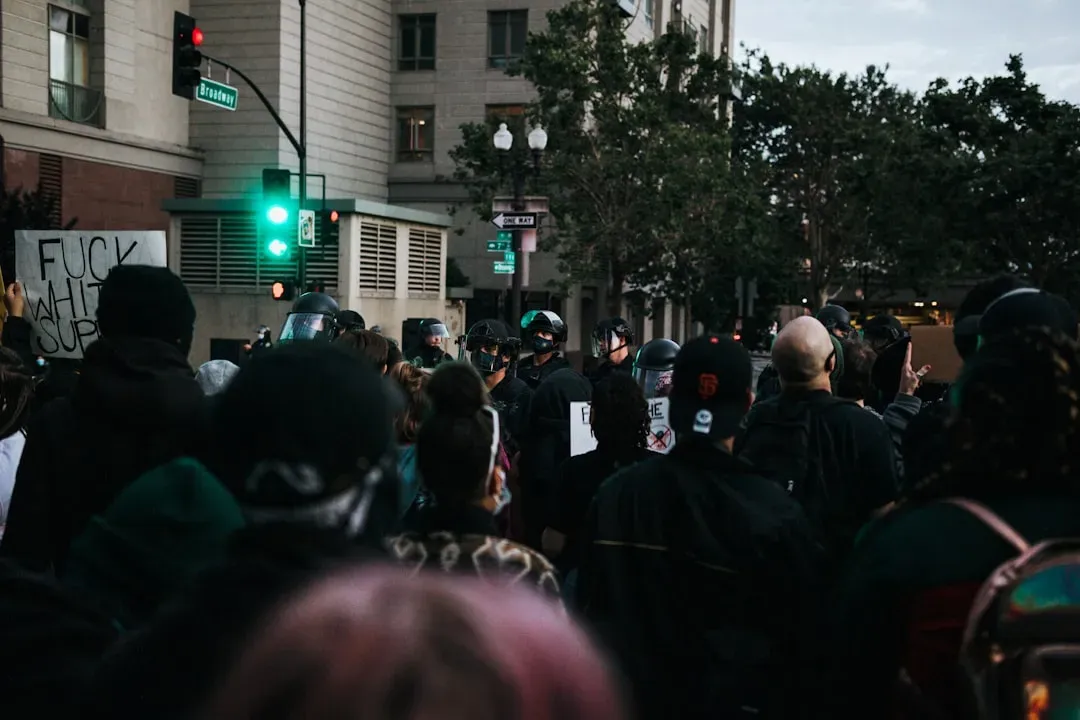
Pittsburgh does not always get the recognition it deserves in the history of police reform, but it arguably set the template for every major federal policing intervention that followed. The Justice Department investigated Pittsburgh and for the first time invoked a civil power tucked into the Violent Crime Control and Law Enforcement Act of 1994, filing its own lawsuit against Pittsburgh to address a “pattern or practice” of civil rights abuses by the city’s police. That was a genuinely historic moment – the federal government using brand-new legal tools to force a city police department into court-supervised reform.
In 2002, federal monitors pronounced the Pittsburgh Bureau of Police rehabilitated, ending the consent decree except for a provision to monitor the internal affairs department as it investigated a backlog of misconduct cases. That ended in 2005. The results were real, but fragile. Once the federal pressure ended, reforms slipped. When the public pressure is off, departments tend to backslide. Pittsburgh’s experience became a cautionary tale about the limits of externally imposed reform – and a lesson that future investigators would carry into every subsequent consent decree negotiation.
6. The DOJ Investigation of the Ferguson Police Department (2014–2015): Revenue Over Rights
The shooting of Michael Brown in Ferguson, Missouri in August 2014 set off a firestorm that reverberated across the entire country. In September 2014, the Department of Justice opened an investigation of the Ferguson Police Department pursuant to the Violent Crime Control and Law Enforcement Act of 1994, focused on allegations that Ferguson law enforcement engaged in a pattern or practice of violations of the Constitution and federal statutory law. What they found went far beyond the individual shooting. On March 4, 2015, DOJ announced the results of the investigation, finding that the Ferguson Police Department’s police and municipal court practices systematically violated the First, Fourth, and Fourteenth Amendments, and that Ferguson’s approach to law enforcement was unduly focused on revenue generation.
DOJ asserted that Ferguson relied heavily on revenue from municipal code violations to fund city government, pressured the police department to issue as many citations as possible, charged excessive fines and fees, and incarcerated people who could not afford to pay the fines and fees imposed without any determination of their ability to pay. This was a genuinely shocking finding – the police were essentially being used as a tax collection agency against poor, predominantly Black residents. The resulting consent decree outlined fundamental changes including a method to track compliance, police body cameras, better police training, and a means to end the court’s practice of extracting money from poor people with excessive and spiraling fines. Studies have shown that when cities implement consent decrees, police abuse and police killings decrease, sometimes dramatically.
7. The DOJ Investigation Triggered by the George Floyd Killing (2020–2021): A Nation at a Breaking Point
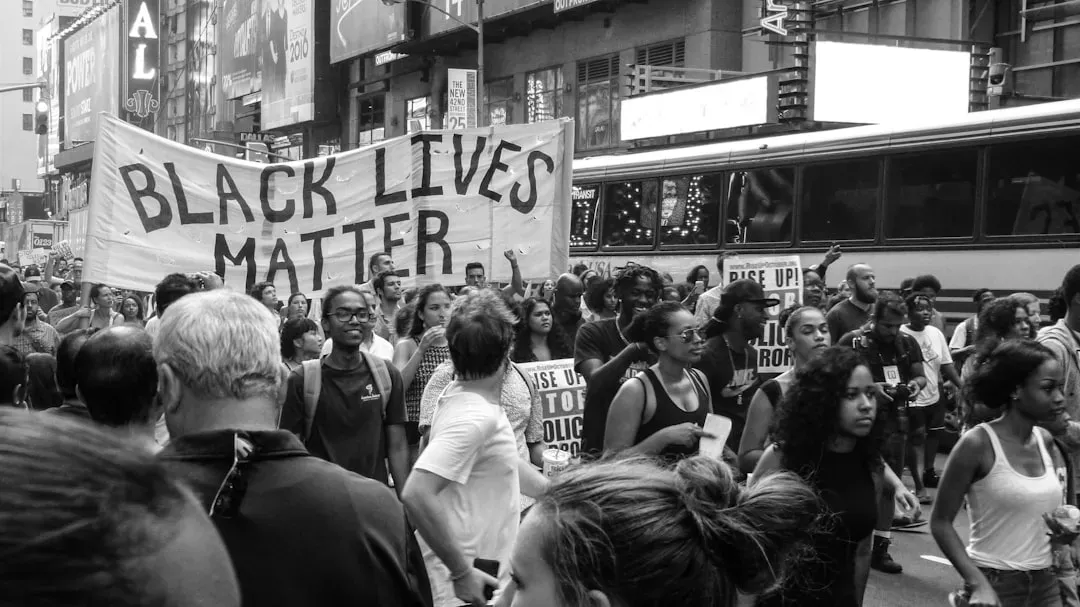
On May 25, 2020, George Floyd, an African-American man, was murdered by a white police officer, Derek Chauvin, in Minneapolis. A video of the incident depicting Chauvin kneeling on Floyd’s neck for an extended period attracted widespread outrage leading to local, national, and international protests and demonstrations against police brutality and racism in policing. The aftermath was unlike anything the country had seen since the 1960s. In state legislatures alone, 3,000 policing-related bills were introduced in response to the summer of protests.
The Department of Justice announced that it would launch investigations into Minneapolis and Louisville’s police departments. At the federal level, after Congress failed to pass the George Floyd Justice in Policing Act, on May 25, 2022, the second anniversary of Floyd’s murder, President Joe Biden signed Executive Order 14074, creating the National Law Enforcement Accountability Database and enacting other federal policing reforms. The ripple effects reached state legislatures, too. Maryland passed a landmark police reform bill that addresses a broad scope of misconduct issues and establishes police accountability measures, making Maryland the first state in the nation to repeal its Law Enforcement Officers’ Bill of Rights that for decades prevented officers from being held accountable. Meanwhile, Massachusetts went further still: it created a first-in-the-nation civilian-led commission to standardize the certification and decertification of police officers, with the power to conduct independent investigations into police misconduct, and also created the first statewide restriction on law enforcement’s use of facial recognition technology in the United States.
What is striking, looking at all seven of these investigations together, is a pattern that repeats across more than a century of American history. A crisis erupts. An investigation follows. Reforms are proposed, sometimes implemented, and then – too often – gradually eroded once the public spotlight moves on. The cycle is frustrating, but it is not without progress. Each investigation has left some permanent mark on how policing works, even when its recommendations were ignored. The real question is whether the next crisis will be met with something more lasting. What do you think – are investigations enough to drive real change, or does the system need something more fundamental? Tell us in the comments.