Some films arrive fully formed, adored from the first weekend, and stay that way forever. Others take the long road, opening to empty theaters, confused reviews, or outright hostility before slowly working their way into the cultural bloodstream. The strange part is how often that second group ends up on “greatest films ever made” lists decades later, while the box office ledger from their original release tells a completely different story.
What follows is a look at seven movies that stumbled commercially when they first hit screens, sometimes badly, only to be reclaimed by critics, home video, and generations of viewers who found them on their own terms.
1. Blade Runner (1982)


Ridley Scott’s dystopian noir arrived in the summer of 1982 with high hopes and a hefty price tag. Pulling in $6 million on opening weekend against a $28 million budget, the director’s vision of the future didn’t quite connect with audiences. It went on to face brutal competition that season, and the film earned $26 million in its summer run in 1982, not bad, but not enough to get it into the summer’s top 10.
Part of the problem was the version audiences actually saw. Blade Runner initially suffered from a compromised cut featuring a studio-mandated happy ending and voice-over narration by a bored-sounding Harrison Ford. Once later cuts restored Scott’s original intentions, the film’s reputation transformed completely, and today it is widely regarded as the foundation of science fiction and neo-noir cinema, celebrated for its philosophical themes, groundbreaking visuals, and enduring influence.
2. The Shawshank Redemption (1994)

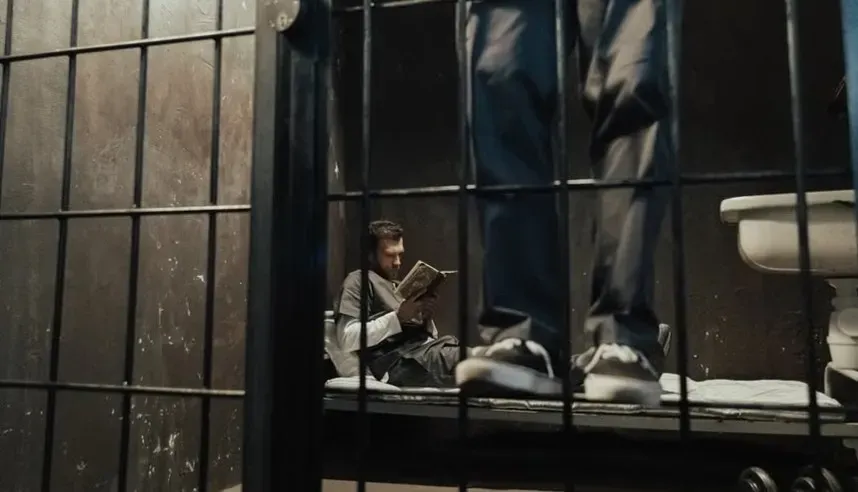
It seems almost impossible now, given how often this film tops “best movie ever” polls, but Frank Darabont’s prison drama barely made a dent at the box office. According to Box Office Mojo, when the film got a wide release on October 14, it netted a measly $2.4 million from nearly 1,000 theaters, leaving it at No. 13 for the weekend box office, and by the time it left theaters in November, the movie had only made $16 million, far short of recouping its $25 million budget.
Timing did the film no favors. Its failure was attributed at the time to many factors, including competition from the films Pulp Fiction and Forrest Gump, the general unpopularity of prison films, its lack of female characters, and even the title, which was considered confusing for audiences. A strong awards season eventually turned things around, and the film’s stellar 1995 awards run, which included seven Oscar nominations, drew renewed interest and eventually influenced a theatrical rerelease.
3. Fight Club (1999)


David Fincher’s adaptation of Chuck Palahniuk’s novel got a rough welcome before it even hit American theaters. Fight Club had its world premiere at the Venice Film Festival in September 1999, and the night did not go the way anyone might have hoped, with the screening drawing boos and people walking out mid-movie. Domestically, the numbers matched that chilly reception, since the film was made with a $65 million production budget but failed to recoup even 60 percent of that sum at the domestic box office, earning $37 million in the United States and $63 million internationally for a $100 million worldwide gross.
The turnaround came through an unexpected channel. What changed things was the DVD, as Fincher personally supervised a bells-and-whistles two-disc special edition released in summer 2000, and the film found its audience through home video in a way it never had in theaters. By the mid-2000s it had become a fixture of pop culture, cited constantly, quoted endlessly, and eventually treated as one of the defining films of its decade.
4. The Thing (1982)

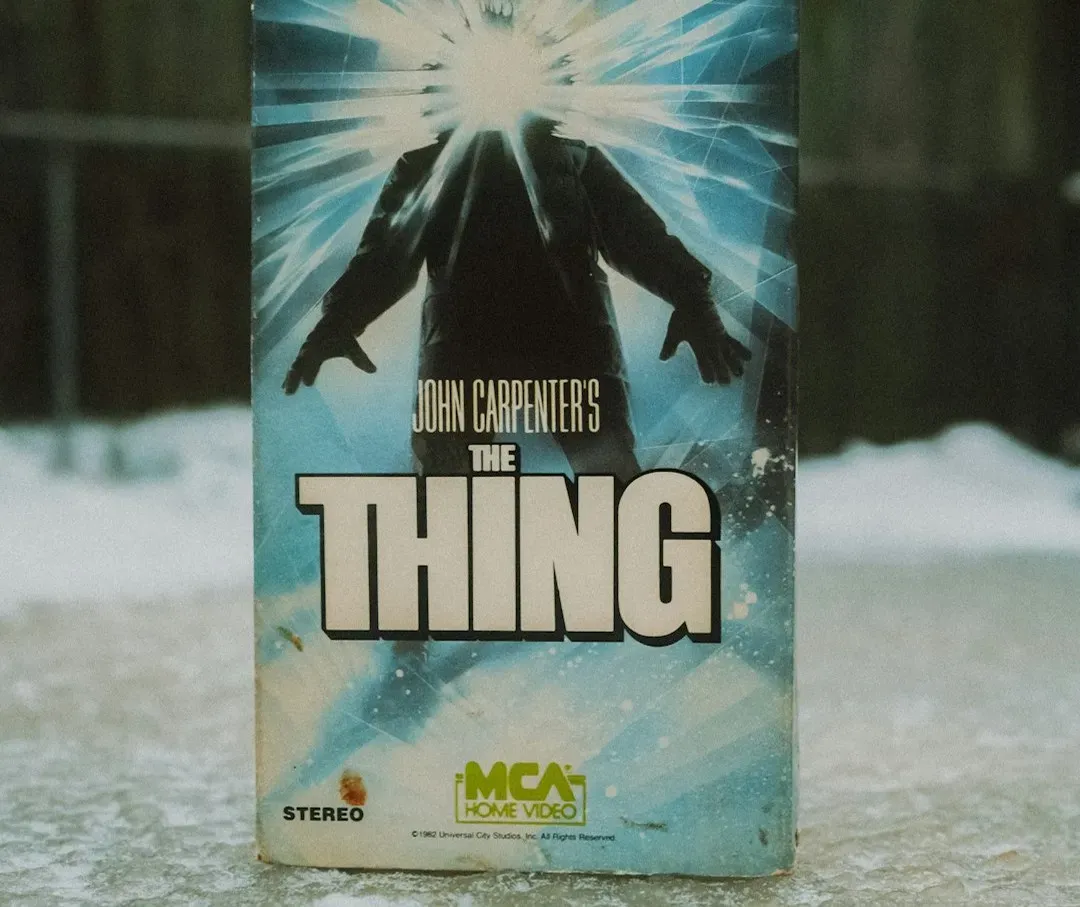
John Carpenter walked into his biggest studio project yet with confidence, and walked out with a bruised reputation. Made on a budget of $15 million, The Thing grossed only $19.6 million in theaters, not nearly enough to come out in the black after marketing costs. Critics were not kind either, with one contemporary magazine reportedly asking whether it was the most hated movie ever made.
Bad timing played a real role in the film’s collapse. Carpenter’s sci-fi flick was outperformed by happier, friendlier films like Annie and Rocky III, released the same year. The fallout was immediate and personal, since as a result of The Thing’s reception and box office performance, Carpenter was fired from his next gig, the 1984 adaptation of Stephen King’s Firestarter. It took years, and a generation raised on cable reruns, before the film’s practical effects and bleak tone were fully appreciated as horror craftsmanship rather than excess.
5. It’s a Wonderful Life (1946)

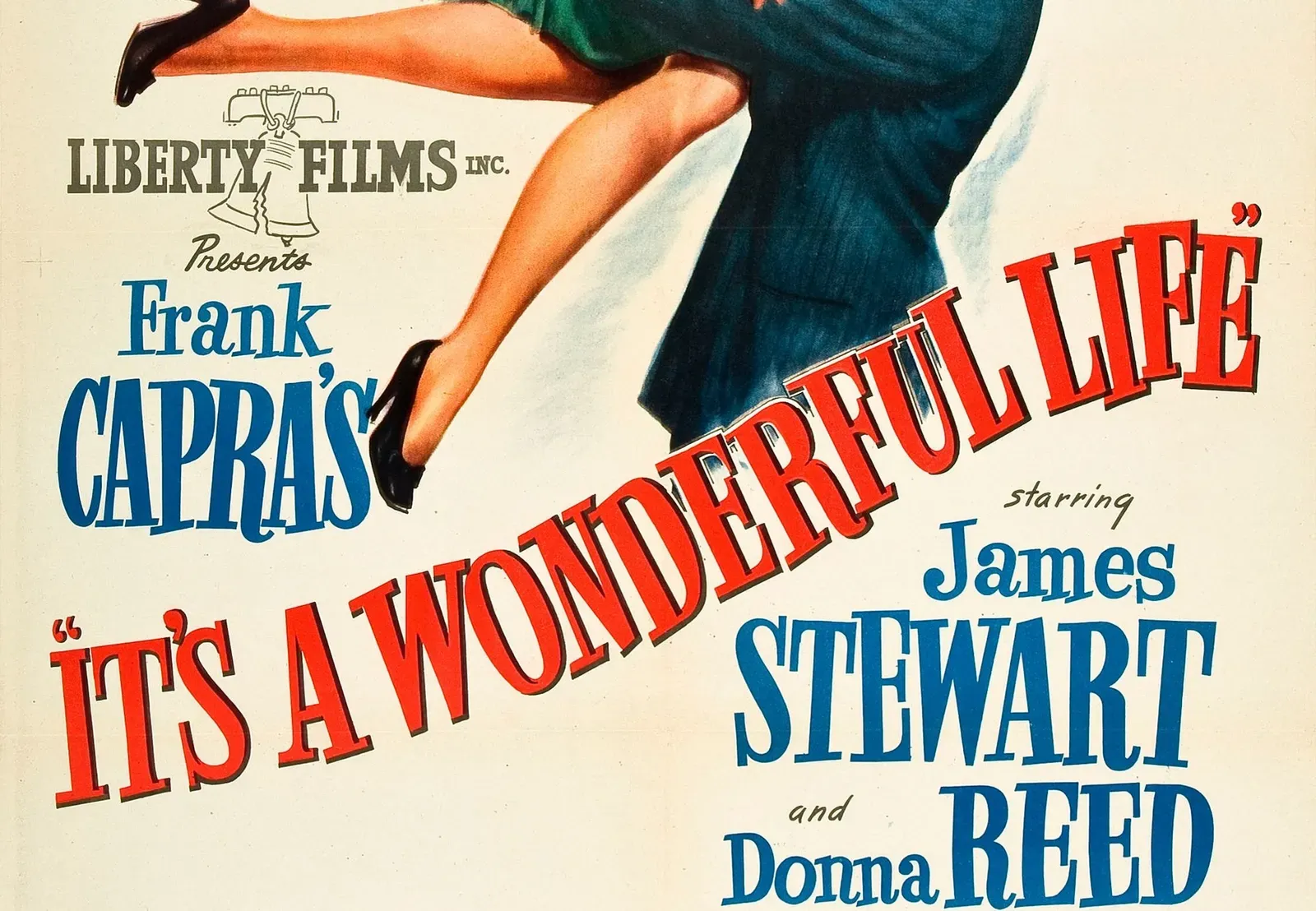
Frank Capra’s Christmas classic is so embedded in holiday tradition that its rocky debut feels almost like a myth, except it is entirely true. Although it was nominated for five Academy Awards, including Best Picture, It’s a Wonderful Life initially received mixed reviews and was unsuccessful at the box office, with a theatrical break-even point of $6.3 million, about twice the production cost, a figure it did not come close to achieving on its initial release.
The consequences were severe for everyone involved. It would go on to bankrupt Liberty Films, with It’s a Wonderful Life being the only movie released under its name. Its second life came almost by accident, since its copyright in the U.S. expired in 1974 following a lack of renewal and it entered the public domain, allowing it to be broadcast without licensing or royalty fees, at which point it became a Christmas classic.
6. The Iron Giant (1999)

Brad Bird’s animated feature is now spoken of in the same breath as the best animated films ever made, but Warner Bros. barely gave it a chance to prove that at the time. Released in August 1999, it received a poor response from the public and was deemed a major box office flop during its debut, grossing around $31.3 million worldwide, far from its production budget of roughly $50 million.
The marketing effort behind it was almost nonexistent. Warner Bros. dumped The Iron Giant with little marketing support, on a budget of $48 million. Its comeback ran through television and home video, and today the animated sci-fi movie experienced a turnaround after being released on home video, and the frequent airing of The Iron Giant on TV networks such as Cartoon Network helped it reach a wider audience and grow in popularity over time.
7. Children of Men (2006)
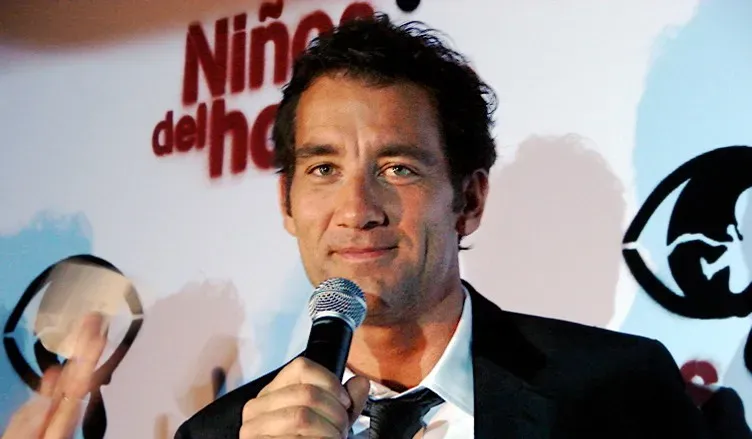
Alfonso Cuarón’s dystopian thriller earned some of the strongest critical notices of its year, yet audiences largely stayed away. Starring Julianne Moore and Clive Owen, the 2006 film scored three Oscar nods, but at the box office, it failed to surpass its $76 million production budget.
What critics saw immediately, general audiences took longer to catch up on. Although audiences didn’t embrace the movie, critics knew it was special. In the years since, the film’s long unbroken action sequences and its unsettling vision of societal collapse have made it a frequent reference point for filmmakers and a movie that keeps getting rediscovered by new viewers, often through streaming rather than the theatrical run it never really had.
Looking back at these seven titles, a pattern starts to form. Nearly all of them arrived at the wrong cultural moment, competed against friendlier or more familiar films, or suffered from marketing that misjudged what audiences wanted that particular year. None of that changed the work itself. It just meant the world needed a little more time to catch up to what was already on the screen.