Some books become legends. They get taught in schools, quoted on social media, and placed on “must-read” lists generation after generation. There’s just one problem. Popularity and quality are not the same thing. Not even close.
Every so often, a book collects so much praise that it becomes practically untouchable. Criticizing it almost feels like a social crime. Yet behind the glowing covers and enthusiastic blurbs, a surprisingly large number of readers quietly close the book, shrug, and wonder what all the fuss was about. You’re not alone if you’ve felt that way.
So here’s the real question. Are these books genuinely great, or have we collectively talked ourselves into believing they are? Let’s dive in.
1. The Great Gatsby by F. Scott Fitzgerald
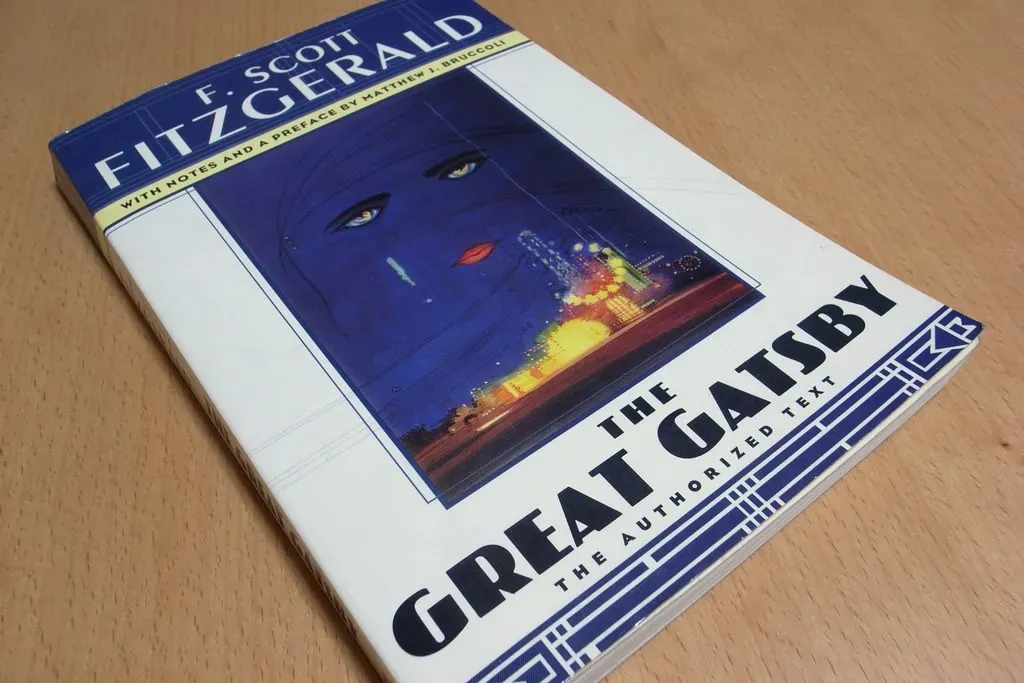
Let’s be real. Few books carry as much cultural weight as “The Great Gatsby,” and yet its reputation as the definitive Great American Novel might be the literary world’s biggest con job. F. Scott Fitzgerald’s novel is often cited as the quintessential Great American Novel, but not everyone is convinced. Some readers feel the book’s exploration of wealth, love, and the American Dream is overstated and even superficial.
A 2022 study by the American Literary Review reported that roughly a third of readers regarded the book as overrated, pointing to a lack of relatable characters and a sense of emotional detachment. The whole story essentially follows wealthy, morally bankrupt people doing wealthy, morally bankrupt things. It’s a bit like admiring a beautiful photograph of a car crash.
While the novel’s lyrical style and symbolism are widely admired, its impact is lessened for those who find its themes less relevant to contemporary life. Honestly, how many teenagers forced to read it in school actually connected with Jay Gatsby’s obsessive pursuit of a woman who barely acknowledges him?
Many critics describe this as their most controversial choice. Why, oh why, do we hold this story of a wealthy borderline stalker in such high esteem? It’s a question that literary circles have been quietly dodging for decades. The green light symbolism is clever, sure. The rest? Debatable.
2. The Catcher in the Rye by J.D. Salinger
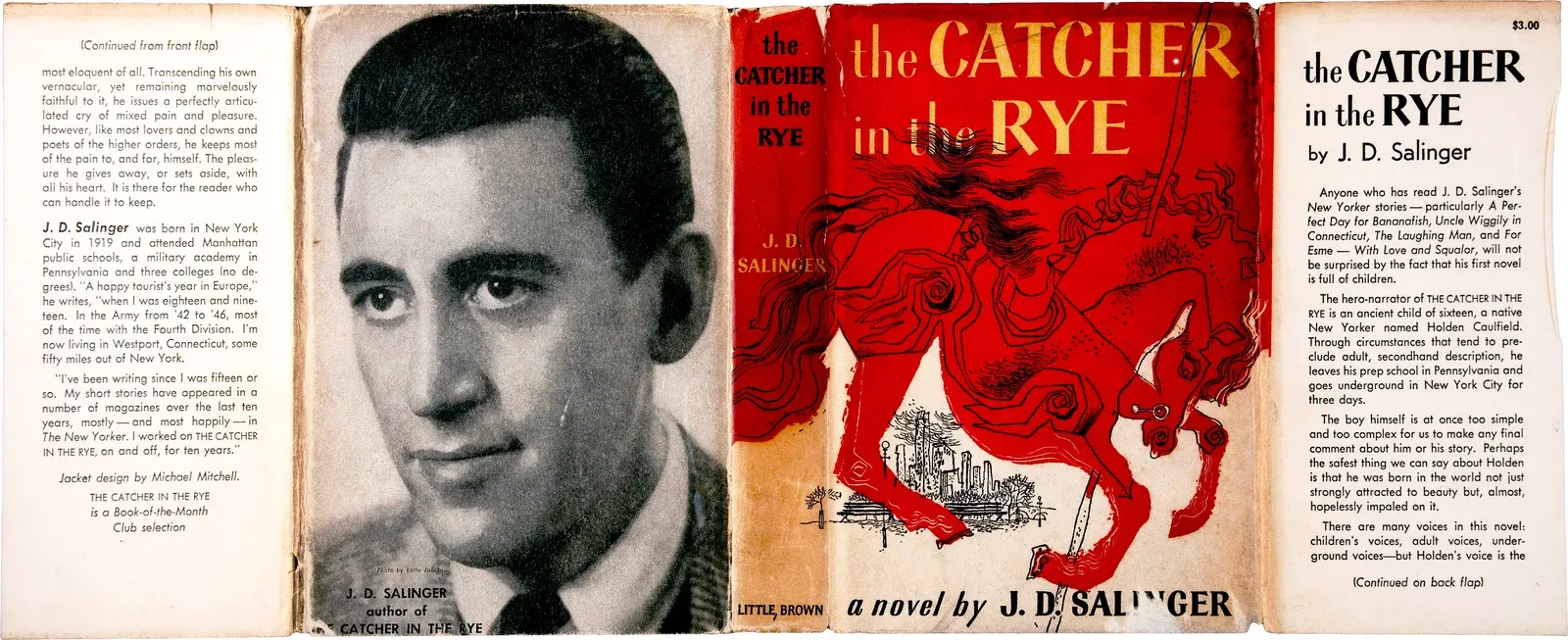
J.D. Salinger’s “The Catcher in the Rye” is often revered as a timeless classic, but not everyone is on board with the hype. Many critics and readers alike have voiced frustration with Holden Caulfield, describing him as excessively whiny and self-absorbed.
The storyline, centered on Holden’s wandering through New York City, is often labeled as underwhelming and lacking direction. While the novel’s themes of teenage angst and alienation resonate with some, others find it difficult to sympathize with Holden’s struggles. Think of him as that one friend who complains about everything but refuses to change anything. Exhausting company.
According to a Goodreads survey, nearly a third of readers rated the book only two stars or lower, which speaks to its polarizing effect. That is a staggering amount of disappointment for something assigned in virtually every English-speaking high school on the planet.
Critics in recent years argue that the novel’s themes have been explored more deeply and engagingly in other works, making it less relevant today. Despite its place in the American literary canon, many feel “The Catcher in the Rye” simply doesn’t live up to its reputation. I think there’s something to that. What felt rebellious in 1951 just feels tired in 2026.
3. Moby-Dick by Herman Melville

Here’s the thing. Moby-Dick is one of those books that people claim to have read. In practice, a much smaller group actually finished it. The book’s lengthy philosophical passages and exhaustive detail about whaling have turned off a significant number of readers. A 2022 poll by the Modern Language Association revealed that roughly two in five readers struggled to complete the novel, citing its tedious prose and sprawling narrative.
While its exploration of obsession and the human condition is praised by scholars, casual readers often find it overwhelming and inaccessible. This tension between literary prestige and readability has led many to question whether “Moby-Dick” truly deserves its exalted status. Imagine purchasing a thrilling adventure novel and then spending a hundred pages reading a technical manual on whale anatomy. That’s Moby-Dick.
The novel’s defenders argue that the philosophical density is the point. Maybe so. Still, a book that the vast majority of readers cannot finish has a readability problem that no amount of academic praise can fully fix.
4. Ulysses by James Joyce
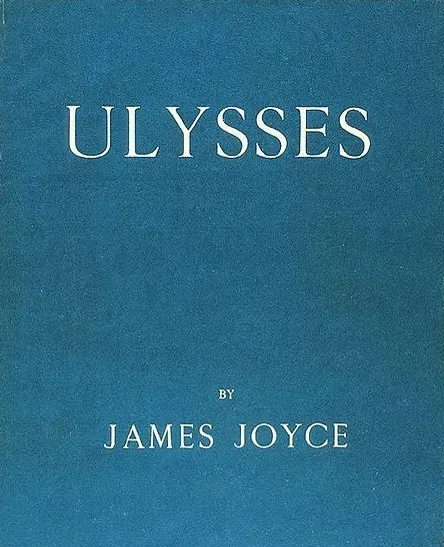
James Joyce’s “Ulysses” is celebrated for its experimental structure and stream-of-consciousness technique, but it’s also one of the most intimidating books in the English language. Many readers admire the novel more than they actually enjoy it. That distinction is crucial. There’s a massive difference between respecting something and actually wanting to read it.
A 2021 survey by the Dublin Literary Festival showed that more than half of respondents found the book more respected than loved, struggling with its complexity and dense references. That tells you a lot. Imagine hosting a dinner party and more than half the guests privately wish they were somewhere else.
Scholars argue that Joyce’s innovations pushed literature forward, yet the book’s difficulty often makes it inaccessible to the average reader. The divide between critical acclaim and popular enjoyment has fueled its reputation as an overrated classic. It’s a bit like praising a piece of music that only five people in the world can actually hear. Admirable, perhaps. Enjoyable? Not so much.
5. The Alchemist by Paulo Coelho

Paulo Coelho’s “The Alchemist” is adored for its message about following one’s dreams, but detractors say it’s too simplistic and filled with clichés. And honestly, they have a point. The whole book can essentially be summarized as “follow your heart and the universe will help.” Which is lovely. It’s also a fortune cookie.
The book’s inspirational tone resonates with millions, yet a 2022 analysis by The New York Times found that nearly half of readers felt the story lacked depth and originality. Critics argue that the novel’s repetitive themes and metaphors offer little new insight for readers seeking more profound wisdom.
The quality of Coelho’s writing is considered by many critics to be genuinely poor. The characters are stereotypical and trite, and the plot is usually ridiculous, if there is a plot to speak of. The Alchemist has sold an enormous number of copies worldwide, which proves that inspirational packaging can carry a book very, very far.
Paulo Coelho’s “The Alchemist” is celebrated worldwide, yet some readers find its philosophical messages overly simplistic. Critics argue that its narrative is predictable, offering little new insight into the pursuit of dreams. Reading it feels a bit like receiving life advice from a motivational poster. Pretty to look at. Hollow inside.
6. Fifty Shades of Grey by E.L. James

No list of overrated books is complete without this one. Fifty Shades of Grey has been translated into 52 languages and set a record as the fastest-selling paperback of all time in the United Kingdom. Critical reception of the book, however, has tended towards the negative, with the quality of its prose generally seen as deeply lacking.
The Fifty Shades trilogy was developed from a Twilight fan fiction series originally titled “Master of the Universe” and published episodically on fan fiction websites. The piece featured the two main characters of Twilight by Stephenie Meyer, Edward Cullen and Bella Swan. So at its core, this is borrowed storytelling that got repackaged and sold back to the world at full price.
It has received mixed to negative reviews, as most critics noted the poor literary qualities of the work. The book sold well over 100 million copies globally. That commercial success, however, stands completely separate from its literary merit, which most serious critics rate as nearly nonexistent.
Ranker’s “Most Overrated Books of All Time” list, voted on by over 34,000 readers, currently places the Fifty Shades series at its very top. That’s a lot of people agreeing on something. The numbers don’t lie, even if the hype did.
7. Eat, Pray, Love by Elizabeth Gilbert
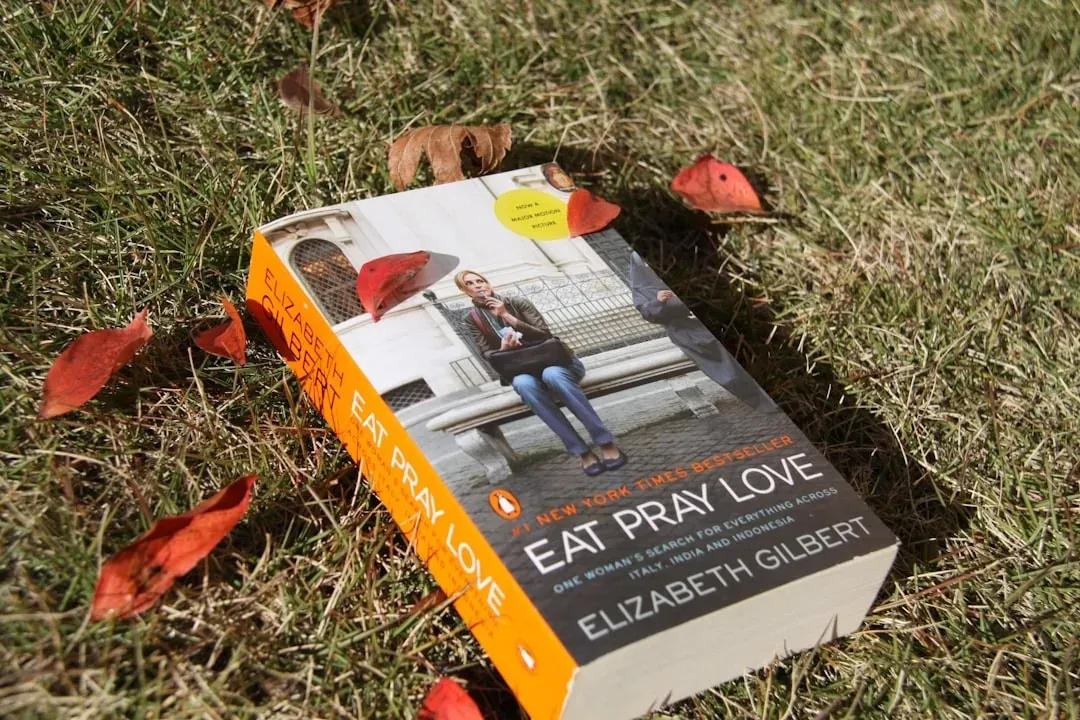
Elizabeth Gilbert’s memoir “Eat, Pray, Love” has been both celebrated and criticized since its release. Detractors often label it as self-indulgent, portraying a privileged journey of self-discovery that is inaccessible to many. This is a fair and important observation. Gilbert’s ability to fly to Italy, India, and Bali to “find herself” is not exactly a roadmap available to most people.
On Ranker’s crowd-voted list of the most overrated books of all time, “Eat, Pray, Love” consistently lands among the top three, sitting alongside the Fifty Shades and Twilight series. That is striking company for a book that was once considered a feminist awakening text.
The memoir taps into a universal desire to escape routine and reinvent oneself. That’s a beautiful impulse. The problem is that the book wraps what is, at its heart, a very specific wealthy experience into universal spiritual language, which can feel manipulative to readers who can’t exactly quit their jobs and tour Europe.
It’s hard to say for sure whether the backlash is more about the book itself or about the culture of “self-care” literature it helped launch. Either way, plenty of readers who picked it up expecting profound transformation came away feeling more empty than enlightened.
Conclusion: Hype Is Not the Same as Quality

There’s a pattern here. Most of these books became cultural phenomena not purely through literary excellence, but through extraordinary timing, clever marketing, or relentless institutional support. School curriculums, celebrity endorsements, and social pressure have all played enormous roles in keeping certain books on pedestals they may not deserve.
That doesn’t mean these books are worthless. Even the most overrated book can contain something of value. What it does mean is that we should feel comfortable questioning the received wisdom around literature, just as we would question any other kind of consensus.
Reading is deeply personal. A book that changed one person’s life can leave another person completely cold. The problem arises when we treat certain books as sacred objects rather than as stories open to honest evaluation.
The next time someone hands you a “must-read” classic and you find yourself bored, frustrated, or underwhelmed, remember this. You’re not missing something. You might just be seeing clearly. Which book from this list surprised you most? Drop your thoughts in the comments.