



There’s a certain kind of movie that lives forever in a household, the one pulled out every holiday season or rainy Sunday afternoon, worn soft at the edges from repeated viewings. For a generation that grew up without streaming or even reliable television reruns, a trip to the theater or a rare TV broadcast of a favorite film became an event worth remembering. The 1950s gave us a batch of movies so beloved that they became permanent fixtures in family life, passed down through VHS tapes, then DVDs, and now digital collections.
These films weren’t just entertainment. They were comfort, nostalgia, and often the backdrop to countless family gatherings. Here are seven from that golden decade that likely earned a permanent spot in your grandmother’s rotation.
1. Singin’ in the Rain (1952)


Few movies capture pure joy quite like this one. Gene Kelly’s iconic dance sequence in the rain became one of the most recognizable moments in film history, and the movie’s blend of comedy, romance, and musical numbers made it endlessly rewatchable. It poked fun at Hollywood’s transition from silent films to talkies while delivering some of the most joyful choreography ever put on screen.
For many families, this was the go-to musical for lazy afternoons. Its cheerful tone and lack of dark themes made it perfect for multiple generations to enjoy together, which likely explains why it stayed in heavy rotation for decades after its release.
2. Roman Holiday (1953)

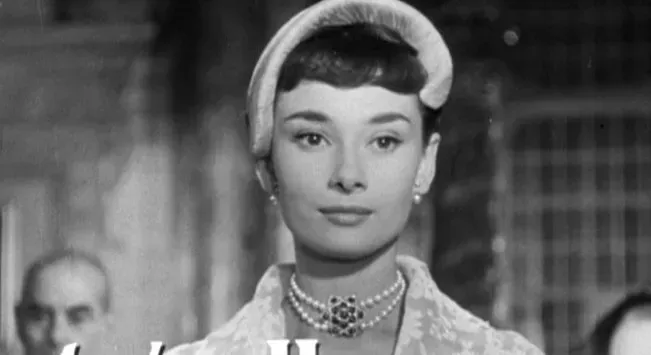
Audrey Hepburn’s American film debut turned her into an instant icon, and this charming romantic comedy about a princess sneaking away for a day of freedom in Rome captured hearts everywhere. Gregory Peck played the reporter who falls for her without realizing her true identity, and the chemistry between the two leads gave the film a timeless appeal. Hepburn won an Academy Award for Best Actress for the role, cementing her status as one of the era’s brightest stars.
The film’s blend of romance, gentle humor, and gorgeous Roman scenery made it a favorite for anyone who loved a good love story without excessive drama. It was the kind of movie that felt safe to watch again and again, comforting in its predictability yet still charming every time.
3. Rear Window (1954)


Alfred Hitchcock’s suspense classic starring James Stewart as a wheelchair-bound photographer who suspects his neighbor of murder kept audiences on the edge of their seats for generations. The tension builds slowly, and the payoff remains satisfying no matter how many times you’ve seen it before. Grace Kelly’s performance as Stewart’s girlfriend added both glamour and emotional depth to the story.
This wasn’t just a thriller, it was a masterclass in visual storytelling confined almost entirely to one apartment set. Families who loved a good mystery likely returned to this film often, appreciating how well it held up on repeat viewings even after the twist was known.
4. White Christmas (1954)


This holiday staple starring Bing Crosby and Danny Kaye became an annual tradition in countless households, especially around the winter season. The film’s title song, originally introduced in an earlier movie, became one of the best-selling singles of all time, and its warm story about friendship, love, and putting on a show for a struggling innkeeper resonated deeply with audiences. The lavish Technicolor visuals and memorable musical numbers made it a visual treat as well.
For many grandmothers, watching this every December wasn’t optional, it was ritual. The combination of nostalgia, music, and heartfelt sentiment made it one of the most rewatched films of the entire decade, particularly during the holiday months when television networks aired it repeatedly.
5. The Ten Commandments (1956)


Cecil B. DeMille’s epic retelling of the Exodus story starring Charlton Heston as Moses was a massive undertaking, with elaborate sets, thousands of extras, and special effects that were groundbreaking for their time. The parting of the Red Sea sequence alone took months to film and remains impressive even by modern standards. Its running time exceeded three and a half hours, yet audiences returned to theaters and later their television sets to watch it in full.
This film became a tradition for many families, especially around Easter, when television networks would broadcast it as an annual event. Its scale, seriousness, and biblical subject matter gave it a different kind of staying power compared to lighter fare, appealing to viewers seeking something grand and meaningful.
6. An Affair to Remember (1957)

Cary Grant and Deborah Kerr starred in this romantic drama about two people who fall in love on a cruise ship despite both being engaged to others. They agree to meet six months later at the top of the Empire State Building if their feelings remain, setting up one of cinema’s most emotionally devastating conclusions. The film’s blend of romance and heartbreak made it a favorite among viewers who loved a good tearjerker.
Its influence extended well beyond its initial release, later referenced prominently in other films decades afterward. For grandmothers who appreciated a slow burn romance with real emotional stakes, this movie likely earned repeated viewings, tissues probably included.
7. Some Like It Hot (1959)

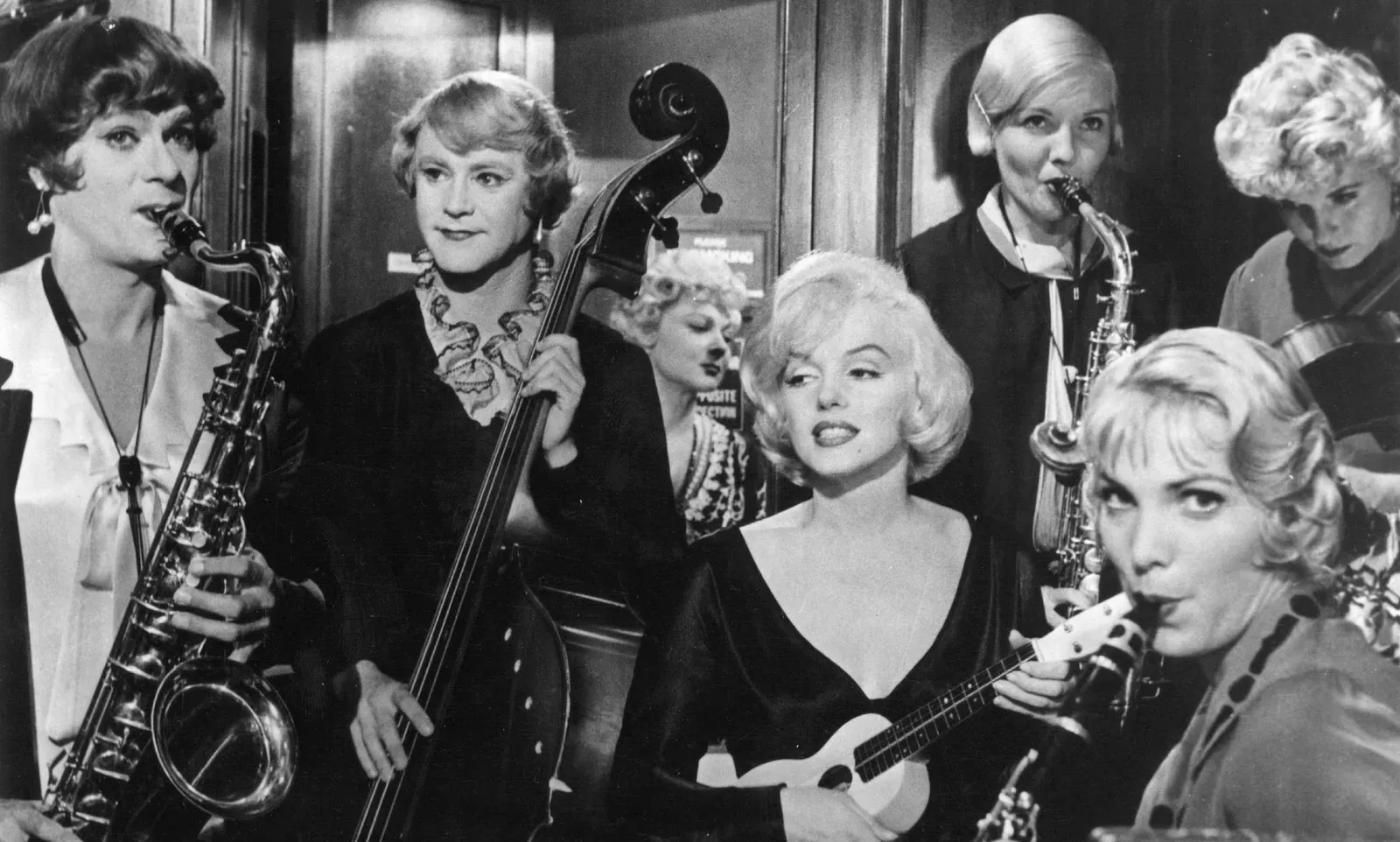
Closing out the decade, this comedy starring Marilyn Monroe, Tony Curtis, and Jack Lemmon told the story of two musicians who disguise themselves as women to escape gangsters after witnessing a mob hit. The film’s sharp writing and comedic timing made it one of the funniest movies of its era, and Monroe’s performance added both charm and vulnerability to the ensemble. It has often been ranked among the greatest comedies ever made by film critics and industry publications alike.
The film’s humor held up remarkably well over time, unlike many comedies that feel dated after a few decades. Its blend of physical comedy, witty dialogue, and genuine heart made it a movie that families could watch together repeatedly without it losing its punch.
These seven films represent more than just popular entertainment from a bygone era. They reflect the values, humor, and emotional needs of audiences who lived through a very different world, one without instant access to endless content. Watching them again today offers a glimpse into what captured hearts decades ago, and why some stories never really go out of style.


