


Most of us assume a movie is the same film wherever we watch it. Sometimes it isn’t. Censors, distributors, test audiences and streaming platforms have all reshaped finales for particular markets.
Here are seven films whose endings, or the versions audiences were given, changed depending on where or how they were released. Some differences were tiny and some were dramatic. A few were later reversed.
1. The Descent (UK vs. US)

Neil Marshall’s cave horror is probably the best known example. The UK premiere in 2005 ended with Sarah seemingly escaping the cave system, only for her to wake up and realize she’s still trapped. That extra beat is short. It’s only about one minute longer than the US version.
For American release, Lionsgate picked the film up, and test audiences didn’t like the downer ending. At the studio’s request, Marshall trimmed it off. The result is oddly ironic. Marshall has pointed out that removing the epilogue and presenting the escape as reality inadvertently made the US ending darker.
2. Fight Club (Mainland China)

This one made global headlines in early 2022. On Tencent Video, the scene of the buildings collapsing was replaced by a black screen saying the police figured out the plan and prevented the bomb from exploding. The reason was regulatory. A key tenet of China’s film censorship is that criminals must always be punished onscreen and societal harmony restored.
The backlash was loud. Tencent quietly restored most of the cuts after the public outcry. Still, not everything returned. Eleven of the roughly 12 minutes cut were edited back in, but the final frontal nudity shot and some sex scenes were left out.
3. Pride & Prejudice (2005, UK vs. North America)

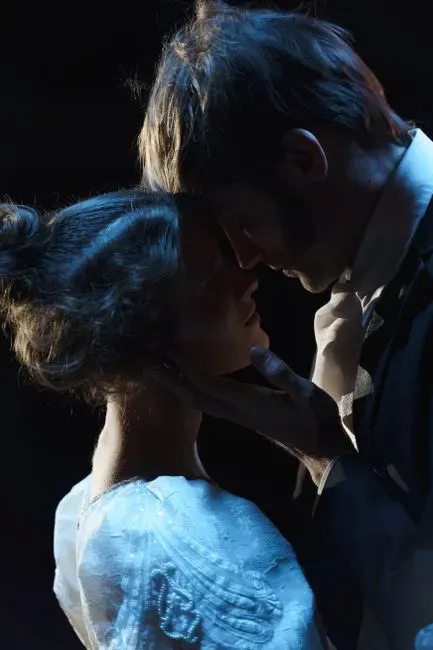
Joe Wright’s adaptation of the Jane Austen novel is a gentler case. In the US and Canadian release, the ending shows Elizabeth and Mr. Darcy kissing in a classic romance finish. The UK audience got something quieter and more restrained.
One roundup describes the UK ending as Elizabeth leaving her father’s study room, with the US version featuring a kiss. Another list suggests the UK cut dropped kisses considered at odds with Austen’s source material. That explanation comes from a fan-oriented list, so treat it as a common account, not a confirmed studio statement.
4. Black Christmas (2006, UK vs. US)


Some changes go well beyond a closing scene. UK cinemagoers who saw the 2006 remake got a massively reworked version of the whole movie, including gorier death scenes missing from the US version. The climax was different too.
Partner offer

In the UK cut, killer Billy Lenz dies from burns sustained in a fire while hospital staff try in vain to revive him. The US version is more crowd-pleasing. Billy is killed when Kelli pushes him over a railing, impaling him on a Christmas tree tip.
5. The Notebook (UK and Ireland Netflix Version)

This example is about streaming, not theaters. According to one list, Netflix published a different cut of the US hit in the UK and Ireland. It’s a surprising choice for such a beloved romance.
The reported difference is subtle. The edition features a more thematic shot of birds soaring over the lake, leaving it ambiguous whether Noah and Allie pass on. The original, by contrast, is more clear-cut. It’s a good reminder that regional differences now happen on platforms as well as in cinemas.
6. Sholay (India’s 1975 Release)

Ramesh Sippy’s classic is a censorship story rooted in one country’s political climate. The original ending showed Thakur killing Gabbar with his spiked shoes. The Central Board of Film Certification wanted that changed, so Sippy reshot it with Gabbar arrested by police. Producer family members have tied the decision to the period of the Emergency.
Decades later, the film got its intended finale back. Sholay returned to theatres on December 12, 2025, as a restored 4K Final Cut, released across 1,500 theatres. A restored version had earlier premiered in Bologna, Italy, on June 27, 2025. Strictly speaking, this is an example of a changed ending for one release rather than two markets at once, but it shows how local rules shape a film’s finale.
7. Once Upon a Time in America (US vs. Europe)
Sergio Leone’s gangster epic is best remembered for the gulf between its versions. One source notes that the running time of the US release differed significantly from the original shown in Europe, and the difference was set to secure an R rating. That alone changes how the story lands.
Accounts of the specific differences in the closing scenes vary between sources, so I won’t try to pin down every detail here. What’s clear is that the American audience and the European audience experienced the film in noticeably different forms. If you’re curious, comparing the versions side by side is the best way to see it.
Taken together, these films show that endings change for very different reasons. A studio worried about test scores, a censor protecting social order and a streamer making a regional edit are all part of the story. The same film can leave you with very different feelings depending on where you were sitting when it ended.
The good news is that many of these cuts can now be tracked down, from restored finales to home video editions. Sometimes the ending you saw was only one of several that existed.
Partner offer
Planning a trip to Vegas?
Compare hotel rates and show tickets on VEGAS.com.

