Music festivals are supposed to be celebrations – a shared escape where strangers become friends and the music never quite feels loud enough. But behind the neon lights and headline acts, the reality of running a large-scale festival is brutal. Financing is tight, logistics are savage, and public trust can evaporate overnight. The industry has seen a significant wave of disappearances, with festivals vanishing either during the pandemic or in the years that followed, unable to sustain themselves through one crisis after another. The following seven festivals didn’t just struggle – they vanished, some with barely a whisper, others leaving behind legal wreckage and lasting cultural scars.
1. Fyre Festival (2017): The Party That Never Was
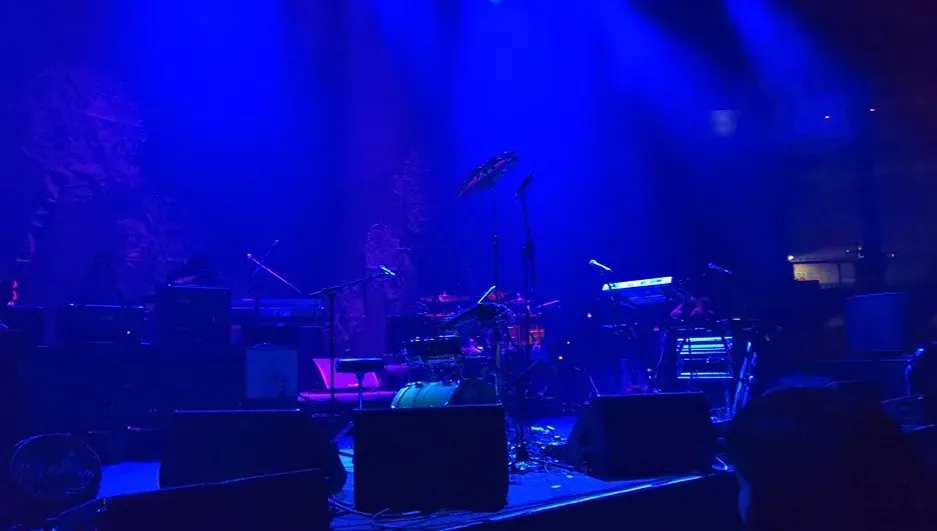
Fyre Festival was a failed luxury music festival organized by American businessman Billy McFarland and rapper Ja Rule, originally created to promote the company’s Fyre app for booking music talent. The festival was scheduled to take place on April 28–30 and May 5–7, 2017, on the Bahamian island of Great Exuma, and was promoted on Instagram by social media influencers, actors, reality TV stars, and models including Kendall Jenner, Bella Hadid, Hailey Baldwin, and Emily Ratajkowski, many of whom did not initially disclose they had been paid to do so.
During Fyre Festival’s inaugural weekend, the event experienced problems related to security, food, accommodation, medical services, and artist relations, resulting in the festival being indefinitely postponed and eventually cancelled. Fyre Festival’s promised glamping accommodations ended up being FEMA disaster relief tents, its decadent dining turned out to be meager cheese sandwiches, and its star-studded lineup – from Blink-182 to Migos – all canceled. At least eight lawsuits followed, and McFarland was sentenced to six years in jail in October 2018 for fraud and ordered to pay $26 million in restitution. The Fyre brand assets were later put up for sale on eBay in July 2025, selling for $245,300.
2. Altamont Speedway Free Festival (1969): When the Dream Turned Fatal
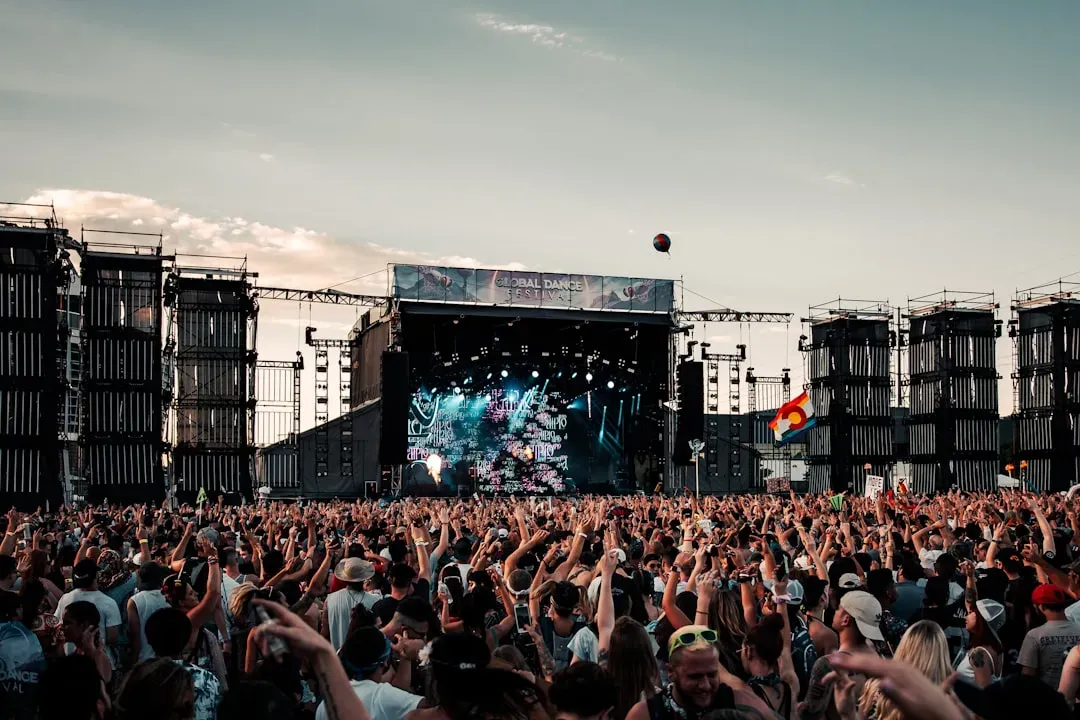
The Altamont Speedway Free Festival was a counterculture rock concert held on Saturday, December 6, 1969, at the Altamont Speedway outside of Tracy, California, with approximately 300,000 in attendance, many anticipating it would be a “Woodstock West.” Permits fell through, forcing a rapid sequence of relocations, and on December 4 in desperation, the Stones accepted the Altamont Speedway – a bleak, rusted racetrack with minimal infrastructure. The rushed planning left virtually no time to build safe infrastructure or arrange proper security.
The event is remembered for its use of Hells Angels as security and its significant violence, including the killing of Meredith Hunter and three accidental deaths: two from a hit-and-run car accident, and one from a drowning incident in an irrigation canal. The event was viewed as the violent end to a hopeful era, with one critic writing that “Altamont became, whether fairly or not, a symbol for the death of the Woodstock Nation.” The Altamont event was never repeated, and its dark legacy still resonates when discussing the risks of poor planning and inadequate security at large gatherings.
3. Woodstock ’99 (1999): The Rebirth That Burned Itself Down
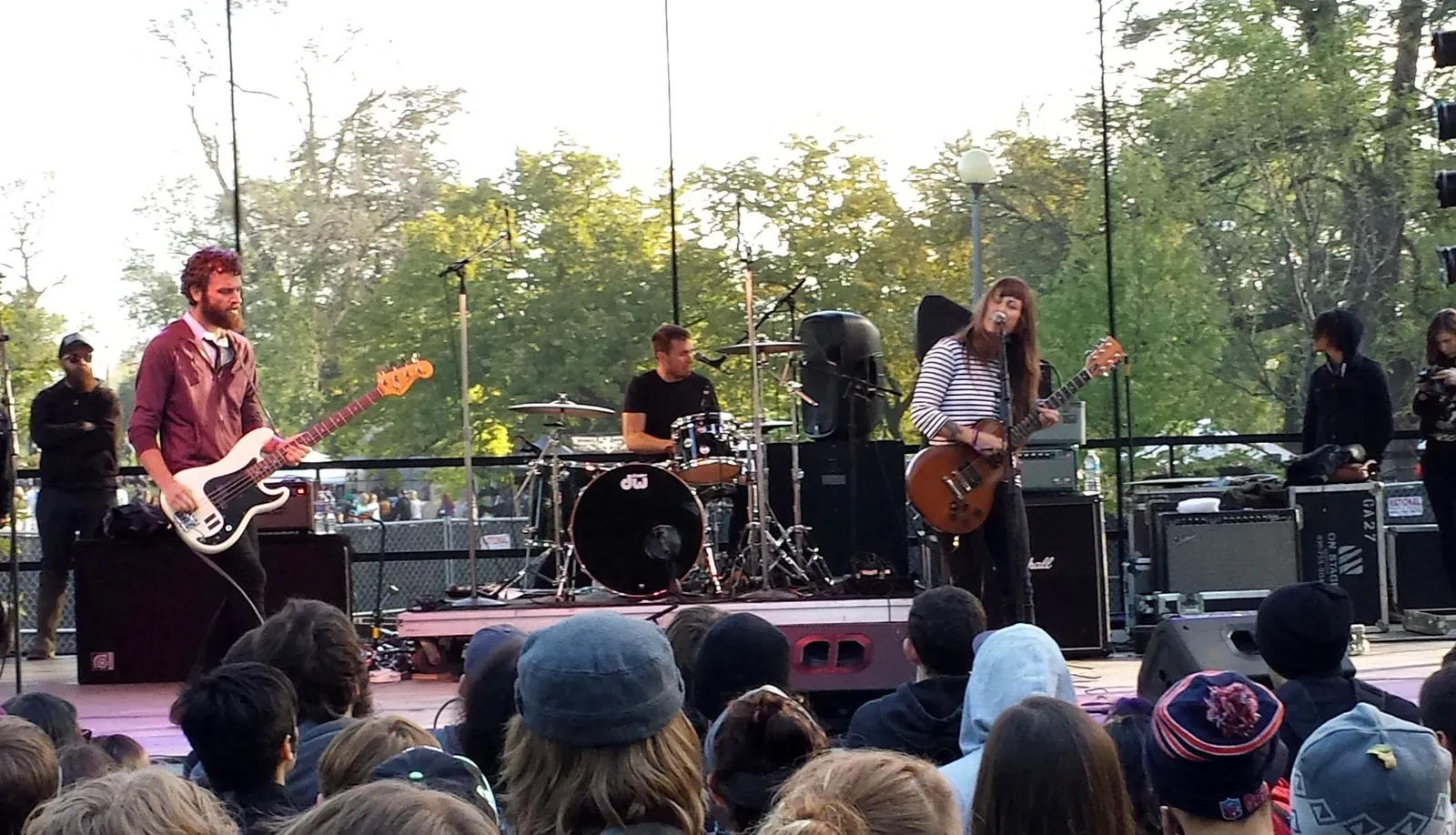
Woodstock 1999 was a music festival held from July 22 to July 25, 1999, in Rome, New York – the second large-scale music festival that attempted to emulate the original 1969 Woodstock festival. From the start, it was more aggressive than its predecessors, riding the growing hard rock trend and featuring a bill that included Metallica, Korn and Limp Bizkit, and the politically charged Rage Against the Machine. Organizers had designed the event as a commercial venture, but cost-cutting would prove catastrophic.
Organizers had failed to advise attendees to bring enough water, and the dehydrated crowds were met with a $4 charge for a single bottle – the Baltimore Sun reported more than 700 had been treated for heat exhaustion and dehydration. Cases of sexual assault and rape were reported, and the weekend ended in literal flames, as crowds set fire to cars, tents, and booths, forcing authorities to send in New York State Troopers to restore order. The Woodstock brand was never again used for a comparable large-scale event, effectively ending after its catastrophic 1999 edition.
4. TomorrowWorld (2013–2015): A Mud Bath That Killed an Empire
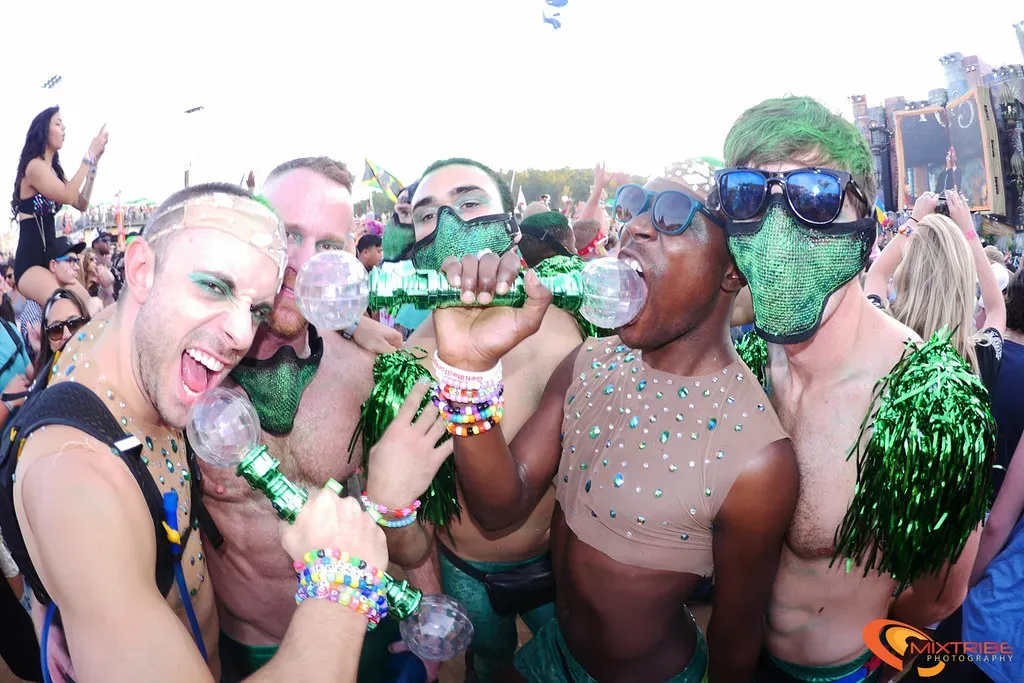
TomorrowWorld was an electronic music festival held in the Atlanta metropolitan area within the town of Chattahoochee Hills, Georgia, and ran from 2013 to 2015 as a spinoff of the Belgian festival Tomorrowland. In its inaugural year, over 140,000 people gathered at Chattahoochee Hills to listen to the likes of Armin van Buuren, Tiësto, Hardwell, and more than 300 other EDM artists performing on eight different stages. The second edition in 2014 was even larger, drawing 150,000 attendees.
The third and final edition was marred by inclement weather – rain showers resulted in muddy terrain at the festival grounds, and entrance roadways became unusable. Organizers decided to close all the gates, stranding over 10,000 people on long, rural roads leading to and from the venue. The festival did not return in 2016 due to the bankruptcy of SFX Entertainment and also the backlash event organizers received due to weather-related and logistical issues during the 2015 edition. More than 150 people sued the festival due to security problems that took place in 2015.
5. Bloc Festival (2012): London’s Electronic Nightmare
The once-beloved Bloc Festival was huge in the UK for five years until its demise in 2012. One of the largest electronic dance music festivals in the UK was shut down due to serious safety fears with overcrowding, and police were sent to help safely evacuate the attendees at the Royal Victoria Docks venue. Part of the problem stemmed from infrastructure issues: the festival’s site, London Pleasure Gardens, had told the organizers early on that a 2,800-capacity venue called The Hub would be ready in time for the July 2012 event, but reversed that claim two weeks before kickoff.
Snoop Dogg, who was set to headline the first night, never took the stage, and festival goers were told the show would not go on. Overcrowding plagued Bloc, with festival goers eventually being kettled, penned in by metal barriers, and escorted out by the police. After 2016, the founders shut down the annual festival and focused on building their own “super club” instead. The 2012 edition remains one of the most chaotic single-night collapses in British festival history.
6. Hope & Glory Festival (2017): Liverpool’s Embarrassing Collapse
Hope & Glory Festival in Liverpool seemed poised to become a staple in the UK music scene, advertising a family-friendly vibe and performances from popular British acts. The festival was staged in the heart of Liverpool city center and attracted significant attention as a new addition to the UK’s busy summer festival calendar. Its organizer reportedly had 25 years of experience in the live music industry, which made the eventual collapse all the more stunning.
Liverpool’s Liberal Democrat leader Richard Kemp fired a list of questions at the city council about the event, calling for a full report on what happened and what went wrong. With thousands of festival goers – many of them visitors to Liverpool who had spent £400 and more for admission, hotel accommodation, and transport – it was not a good look for the city. A spokesman for Liverpool City Council stated that an investigation into the Hope and Glory Festival would be held, adding that “what materialised over the weekend was completely unexpected and highly unusual.” The festival never returned for a second year.
7. Vegoose (2005–2006): Las Vegas Loses Its Musical Groove
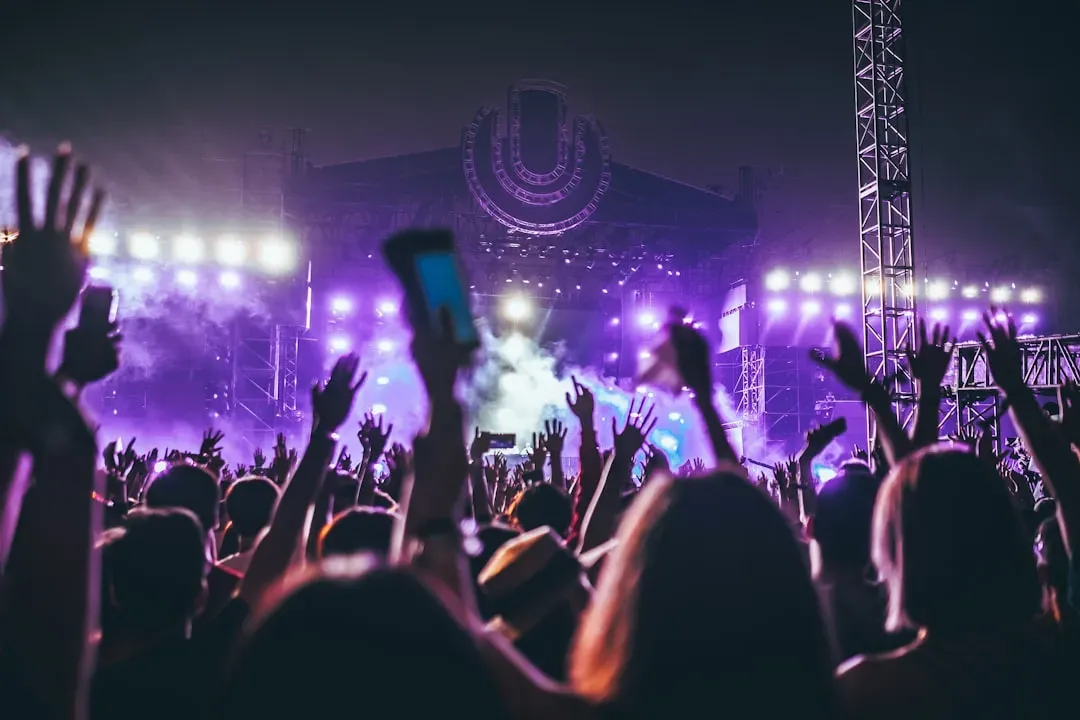
Vegoose tried to carve out a unique space in the crowded festival calendar by combining Halloween festivities with top-tier musical acts in Las Vegas. Its debut brought in big names and drew around 40,000 fans, but attendance sharply dropped in following years, dipping below half of its first turnout. The concept of a festival in Las Vegas during Halloween sounded thrilling on paper, but converting that novelty into a loyal annual audience proved far more difficult than organizers had anticipated.
Despite creative themes and diverse lineups, Vegoose never managed to stand out against the competition from established festivals like Coachella or Bonnaroo, and critics cited a lack of clear identity and connection with local audiences. The festival faded quietly, leaving behind memories of costume parades and missed opportunities. Its story reflects a broader trend that continues to play out across the industry today: too many similar festivals competing in an oversaturated market with repetitive lineups dominated by the same few big headliners, offering little uniqueness or excitement.
A Pattern That Keeps Repeating
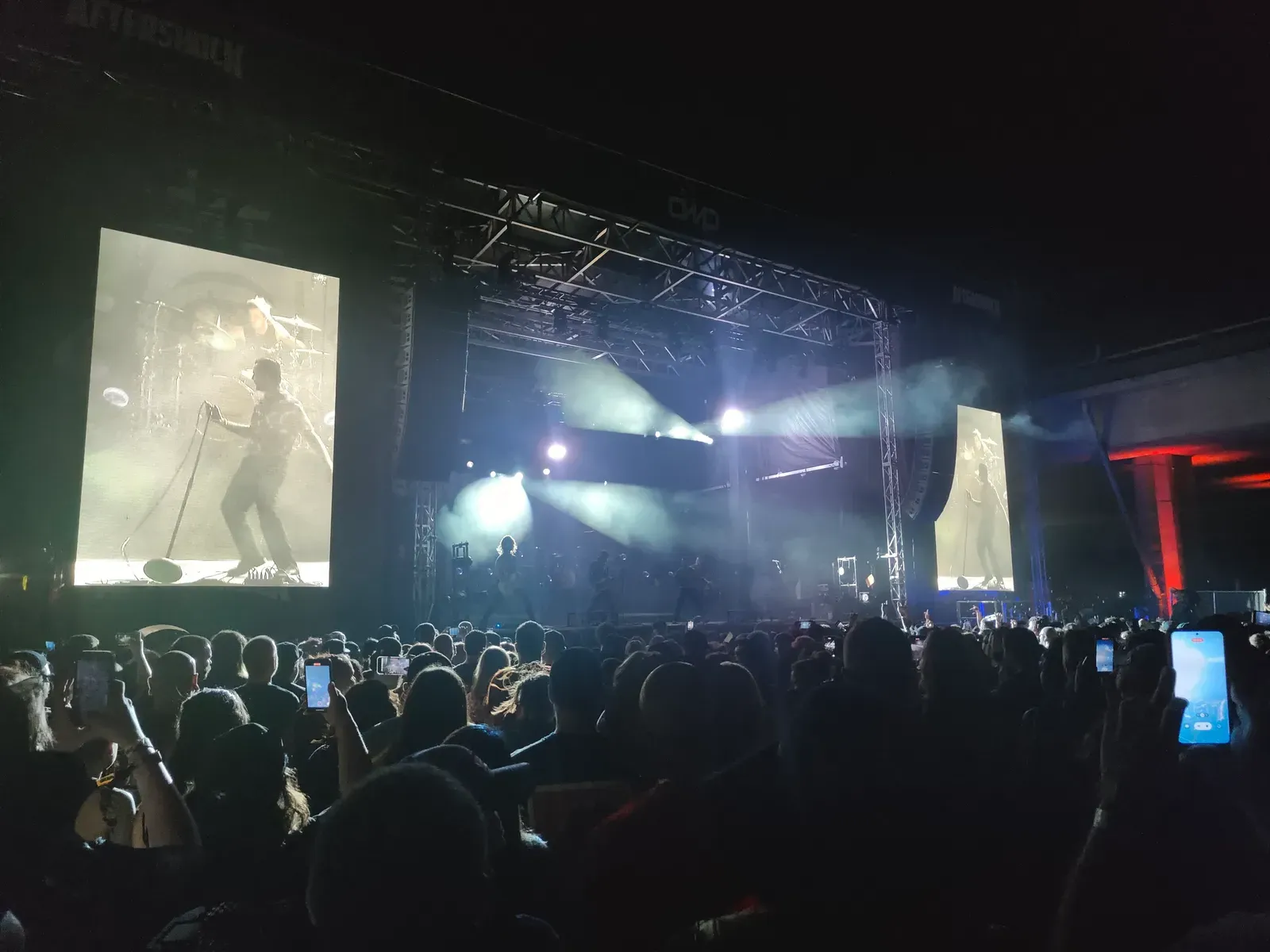
What connects these seven festivals is not just failure – it’s the speed and completeness of their disappearances. Each one arrived with genuine hype, real investment, and in some cases enormous crowds. Yet a single edition was enough to expose the fatal cracks: inadequate planning, poor logistics, weather unpreparedness, financial mismanagement, or outright fraud. In 2024 alone, an additional 60 UK festivals ended, and massive cancellations continued into 2025, with reports suggesting that more than 100 festivals worldwide were canceled, most of them in the US and UK.
Most festivals take at least a year to pull together, and destination events that need infrastructure to be built for them can take even longer. The festivals above cut corners, ignored warnings, or simply ran out of time and money before they could deliver what they promised. Due to financial pressures, people are no longer able to afford to attend both a stadium concert and a festival in the same year, and they often have to choose one over the other – making the margin for error at any new festival essentially zero. The ones that didn’t just fail their audiences; they left behind legal battles, unpaid vendors, and in the darkest cases, genuine human tragedy.