I’ll research these musical figures to ensure accuracy before writing the article.
The 1970s produced no shortage of gifted young musicians who seemed destined for decades of stardom. Yet for a handful of them, the pressure of fame, the machinery of the record business, or a sudden shift in personal priorities proved stronger than the pull of the charts. These seven artists all reached remarkable heights early in life, only to step back from music entirely, sometimes for years, sometimes for good.
What makes their stories so compelling is not just the talent they showed as teenagers or young adults, but the abruptness of their exits. Some walked away because of mental health struggles, others because of exploitative contracts, and a couple simply decided that fame was not the life they wanted. Here are seven remarkable cases of prodigious talent choosing silence over the spotlight.
1. Peter Green

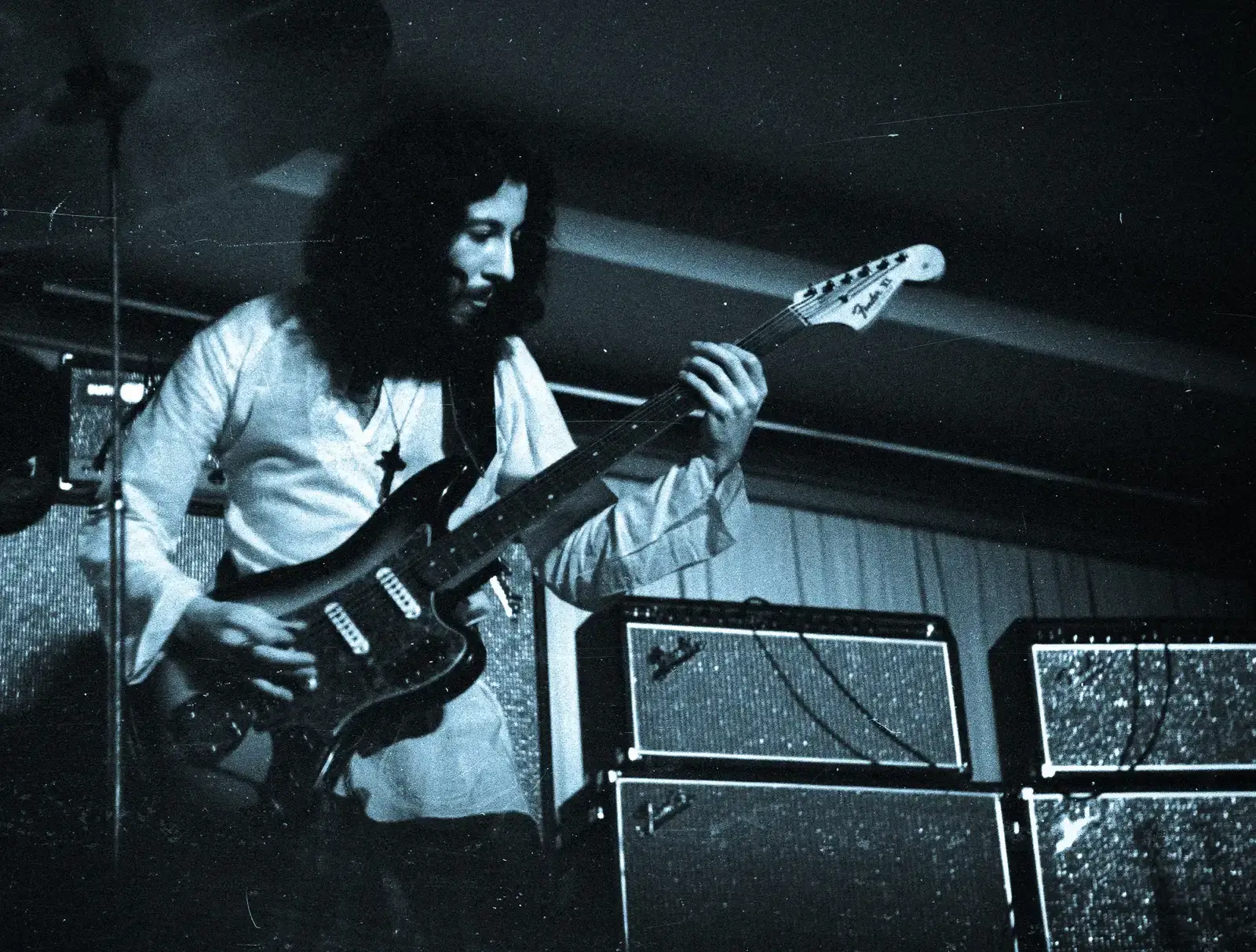
Peter Green was already being called a musical prodigy by the time he was a teenager, and by 1966 he had stepped into John Mayall’s Bluesbreakers to replace Eric Clapton, a daunting task he handled with ease. Born in London in 1946, Green was already a musical prodigy by the age of 15, and in 1966 he replaced Eric Clapton as lead guitarist in John Mayall’s band, the Bluesbreakers. He went on to found Fleetwood Mac in 1967, writing enduring hits like “Albatross” and “Black Magic Woman” before the band became one of the biggest acts in Britain.
By 1970, at the very height of Fleetwood Mac’s success, Green’s mental health began to unravel following heavy LSD use, including a notorious incident at a commune in Munich. In May 1970, Green announced he was leaving Fleetwood Mac, the band he had founded just three years earlier, and his departure shocked fans and the music industry, as he was leaving at the height of the band’s success. He was eventually diagnosed with schizophrenia and spent time in psychiatric hospitals undergoing electroconvulsive therapy during the mid-1970s, largely vanishing from public life just as the band he founded went on to global superstardom without him.
2. Cat Stevens (Yusuf Islam)


Few walk-aways in music history are as complete as Cat Stevens’. By the early 1970s he had already delivered a run of albums that defined the singer-songwriter era, with Tea for the Tillerman (1970) and Teaser and the Firecat (1971) certified triple platinum in the US. He had sold tens of millions of records and was one of the most recognizable voices in folk-pop when everything changed.
Stevens converted to Islam in December 1977, and adopted the name Yusuf Islam the following year. In 1979, he auctioned his guitars for charity, and left his musical career to devote himself to educational and philanthropic causes in the Muslim community. Yusuf Islam, once known as recording artist Cat Stevens, walked away from the music business at the height of his career, having sold an astonishing 60 million albums. He would not return to secular recording for nearly three decades, an almost unheard-of hiatus for an artist of his stature.
3. Emitt Rhodes


Emitt Rhodes was barely out of his teens when critics started calling him the “one-man Beatles.” Best known for his solo albums released from 1970 to 1973, on which he played every instrument and pioneered home recording techniques, he was nicknamed the “One-Man Beatles” due to his musical and vocal style. His self-titled 1970 debut, recorded entirely in his parents’ garage, earned rave reviews and proved he could write, sing, and play like a seasoned veteran despite being only twenty years old.
The trouble came from the business side rather than the music. Dunhill sued Rhodes for $250,000 and withheld royalties because of his failure to deliver albums on the timescale required by the contract, a schedule he struggled to meet because he insisted on writing all the songs and recording each instrument and vocal individually by himself. After his third album, Farewell to Paradise, Rhodes stepped away from performing, later saying there were lawsuits and lawyers and he wasn’t having any fun anymore. He would not release a proper follow-up album for over four decades.
4. Shuggie Otis


Shuggie Otis was a genuine child prodigy, the son of bandleader Johnny Otis, who began playing professionally as a preteen. Otis began playing guitar when he was two years old and performing professionally with his father’s band at the age of eleven, often disguising himself with dark glasses and a false mustache so that he could play with his father’s band in after-hours nightclubs. By his late teens he had earned praise from B.B. King himself and released the acclaimed album Freedom Flight.
His masterwork, 1974’s Inspiration Information, took him three years to complete and showcased startlingly forward-thinking production for its era. His masterwork stiffed commercially, Otis was dropped by Epic Records, and he disappeared, becoming one of the legendary lost figures of American music. He kept touring but was also fending off offers to join some of the biggest names in music, including the Rolling Stones, David Bowie, and Blood Sweat and Tears, turning them all down because he didn’t want to be a side man anymore. He would not release another full album of new material until decades later.
5. Linda Perhacs

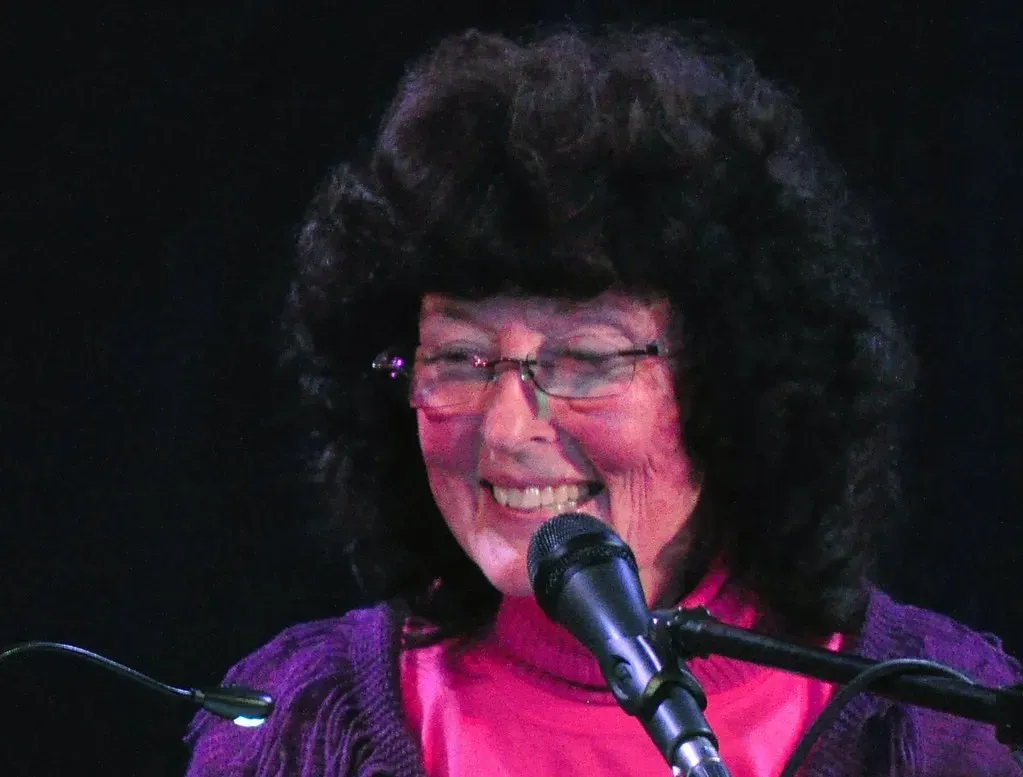
Linda Perhacs never set out to be a professional musician at all. A Beverly Hills dental hygienist by trade, she happened to strike up a conversation with a patient, film composer Leonard Rosenman, who was impressed enough by her homemade song demos to offer her a recording deal. The result, 1970’s Parallelograms, blended delicate folk guitar with unusually adventurous studio effects for the era.
The album’s commercial failure sent her right back to her original career. The album was largely ignored when originally released on Kapp Records in 1970, and discouraged by the lack of commercial attention and the label’s reluctance to promote it, Perhacs returned to her career as a dental hygienist. After releasing her debut Parallelograms in 1970, Perhacs became a full-time dental hygienist and did not release any music until over three decades later, when her debut had become a cult classic. It took crate-digging collectors and a new generation of folk musicians to finally bring her back into a recording studio.
6. Vashti Bunyan

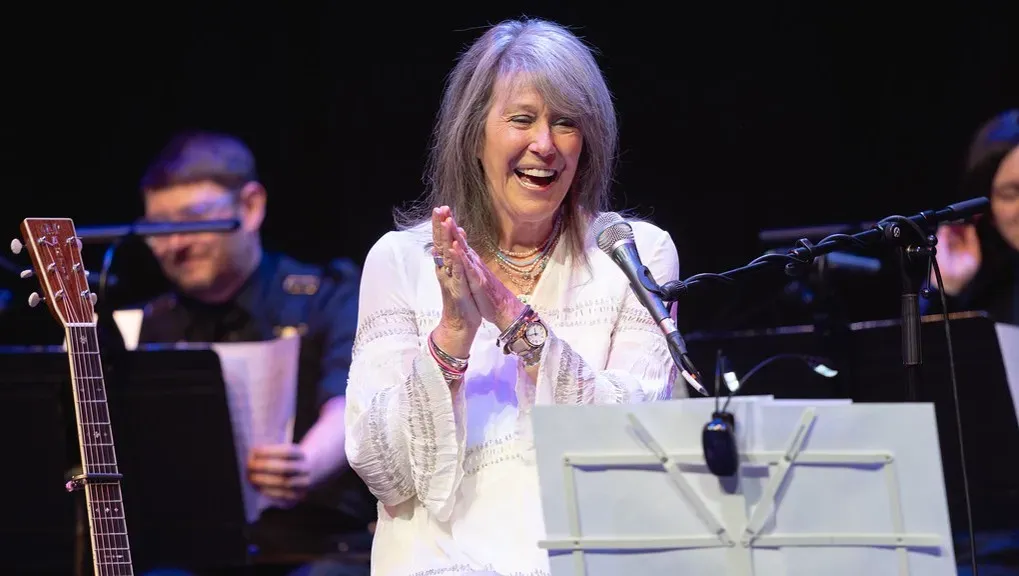
Vashti Bunyan was one of the quiet casualties of the British folk scene at the turn of the decade. She spent months traveling by horse-drawn wagon across the English countryside in the late 1960s, gathering the songs that would become her debut album, Just Another Diamond Day, released in 1970. The record’s gentle, pastoral sound was completely out of step with what audiences wanted at the time, and it sold so poorly that it essentially vanished on arrival. Rather than push forward with a career that seemed to be going nowhere, Bunyan simply stepped away from the music industry entirely, settling into rural life away from the public eye. She would not release another album for more than three decades, until a new wave of folk artists rediscovered her work and drew her back to recording in the mid-2000s. Her disappearance is often cited as one of the more striking examples of a genuinely talented artist choosing family and countryside living over any attempt to salvage a fading music career.
7. Sly Stone


Sly Stone had already reshaped popular music by his mid-twenties, blending funk, soul, rock, and psychedelia into a sound that influenced everyone from Prince to the Red Hot Chili Peppers. As the leader of Sly and the Family Stone, he delivered a string of massive hits in the late 1960s and early 1970s and was widely regarded as one of the most innovative bandleaders of his generation, culminating in the dark, groundbreaking 1971 album There’s a Riot Goin’ On. By the mid-1970s, however, personal struggles with substance abuse had begun to overtake his career. He increasingly missed shows, arrived late to the ones he did play, and gradually pulled back from the public eye altogether, effectively retreating from the spotlight even as the genres he helped invent continued to flourish without him. Stone spent much of the following decades out of the public conversation, occasionally resurfacing but never again approaching the creative or commercial heights of his early career.
What ties these seven stories together is not simply talent, though each of these musicians possessed it in abundance. It’s the fact that all of them, at the exact moment when the industry expected them to capitalize on their success, chose something else instead, whether that was faith, family, sobriety, or simply a quieter life. Some eventually found their way back to music on their own terms, while others left it behind for good. Either way, their brief but brilliant runs in the spotlight continue to resonate with listeners who discover them, often decades after the fact.