Where you live shapes not just your address, but the entire texture of your mornings. The daily commute, something most people treat as an unavoidable chore, turns out to be one of the most powerful daily forces shaping mental well-being, mood, and even long-term health. Commuting genuinely affects people’s stress levels, and studies have shown that commute duration and distance are both inversely associated with commute-related stress and self-perceived stress. What researchers call “commuter psychology” is really just the accumulated effect of every morning and evening trip added together across years of your life. Evidence from multi-city research shows that every ten additional minutes of commuting time is associated with a measurably higher probability of depression. Strikingly, when researchers separated commute time into free-flow time and delay time, it was the delay from congestion, not the overall travel time, that drove the mental health impact. The neighborhoods below stand out because their design, layout, noise levels, and transport options work together to reduce that daily friction in ways that are concrete, measurable, and psychologically meaningful.
1. Clarendon and Ballston, Arlington, Virginia
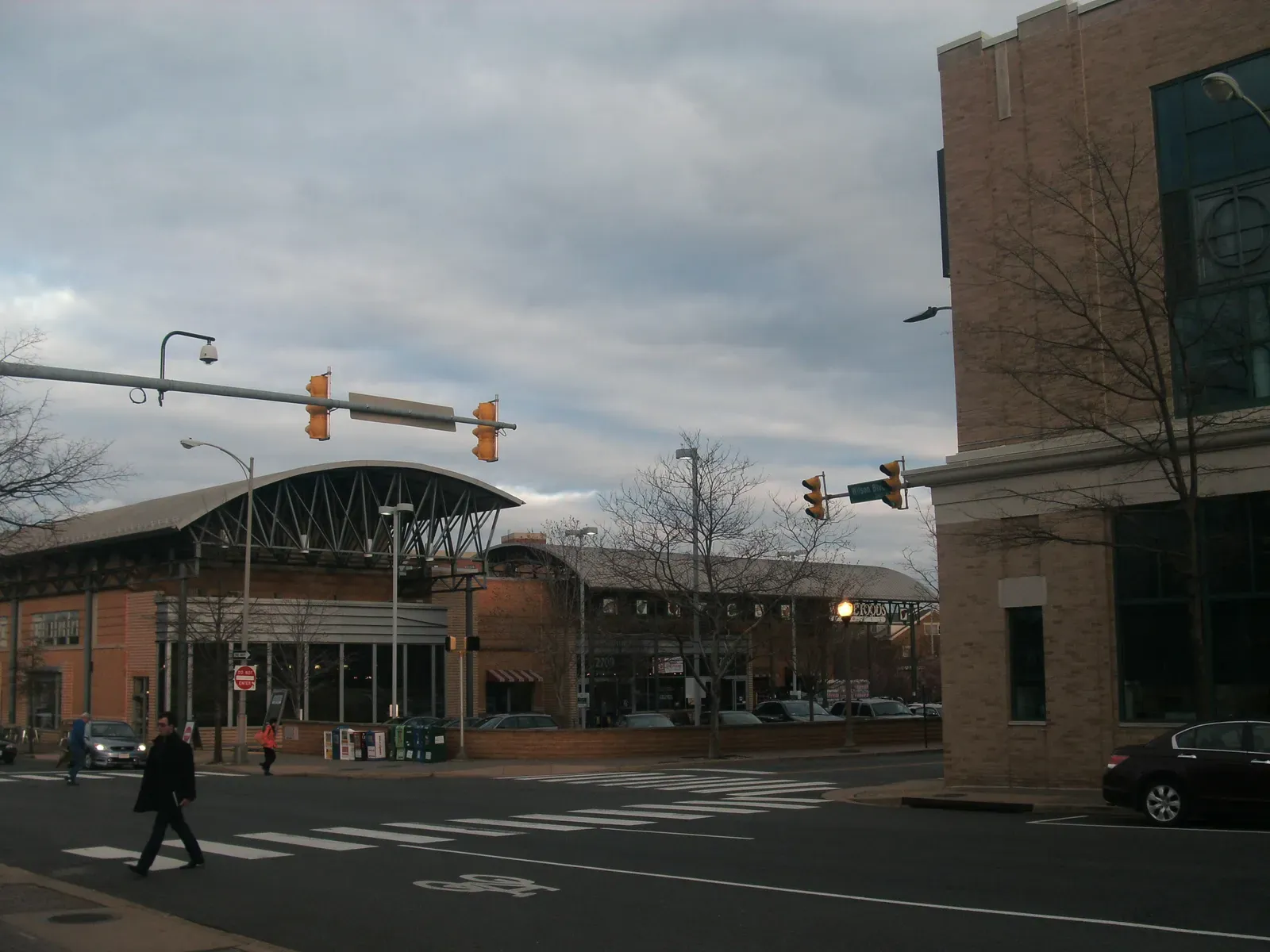
Just across the river from Washington D.C., Arlington gives residents all the benefits of an East Coast urban hub without the capital-city price tag. Walkable neighborhoods like Clarendon and Ballston offer quick Metro access, making it genuinely possible to live car-free while staying connected to major opportunities. This is the kind of setup that quietly changes how you feel every morning before you’ve even had coffee.
The psychology here is built on predictability. The level of stress varies considerably across commute modes, and research consistently shows that cycling and walking result in the lowest risk of experiencing stress. In Clarendon and Ballston, the compact grid layout means residents can swap the car for a walk or a quick Metro ride, sidestepping the unpredictability that makes long car commutes so draining. Walkable environments carry genuine psychological benefits, and greater land-use mix with accessible street networks has been associated with reduced psychological distress. That’s the everyday reality for residents who can step out the door and reach a Metro station within minutes.
2. Capitol Hill, Seattle, Washington
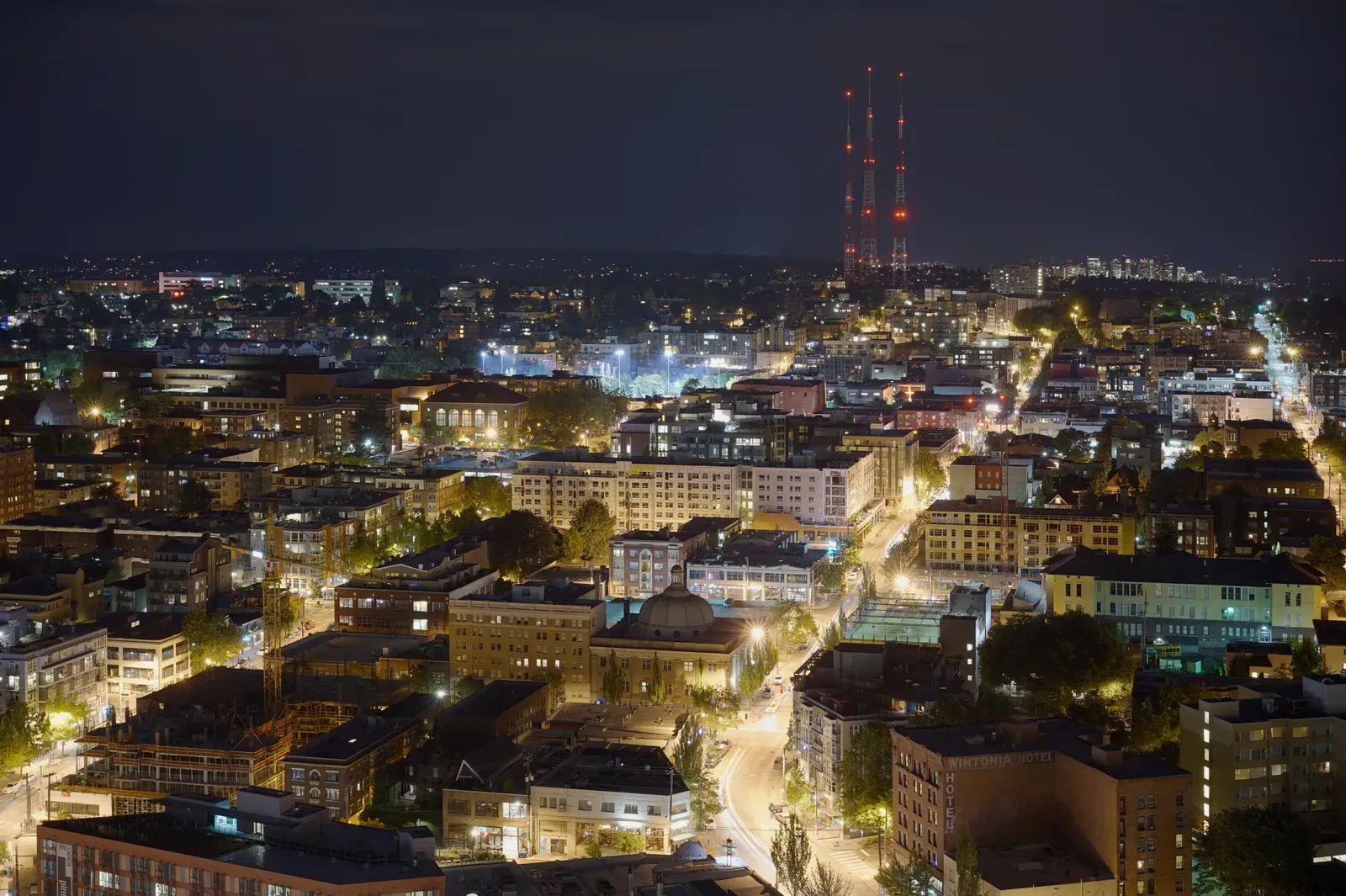
Seattle has rapidly growing walkable neighborhoods surrounded by mountains and water, and Capitol Hill sits at the center of this urban density. The neighborhood features a tight grid of streets, abundant transit options, and a mix of shops, cafes, and services within easy walking distance. Residents here rarely depend on a single mode of transport, which matters more than most people realize.
Traditional urban neighborhoods typically include a mix of residential and commercial land uses, which provides better accessibility to employment, retail, and entertainment. Though housing costs tend to be higher in more walkable areas, transportation savings from fewer and shorter car trips are expected to offset some of that additional cost. Capitol Hill’s density means that getting to work often involves a short bus ride or a brisk walk through lively streets rather than a slow crawl on the freeway. Research consistently shows that residents on streets with higher traffic volumes and speeds are less likely to know their neighbors and show less concern for their local environment than people on quieter streets with less vehicle traffic. Capitol Hill’s human-scale blocks naturally reduce that isolation.
3. Long Island City (Hunters Point), Queens, New York
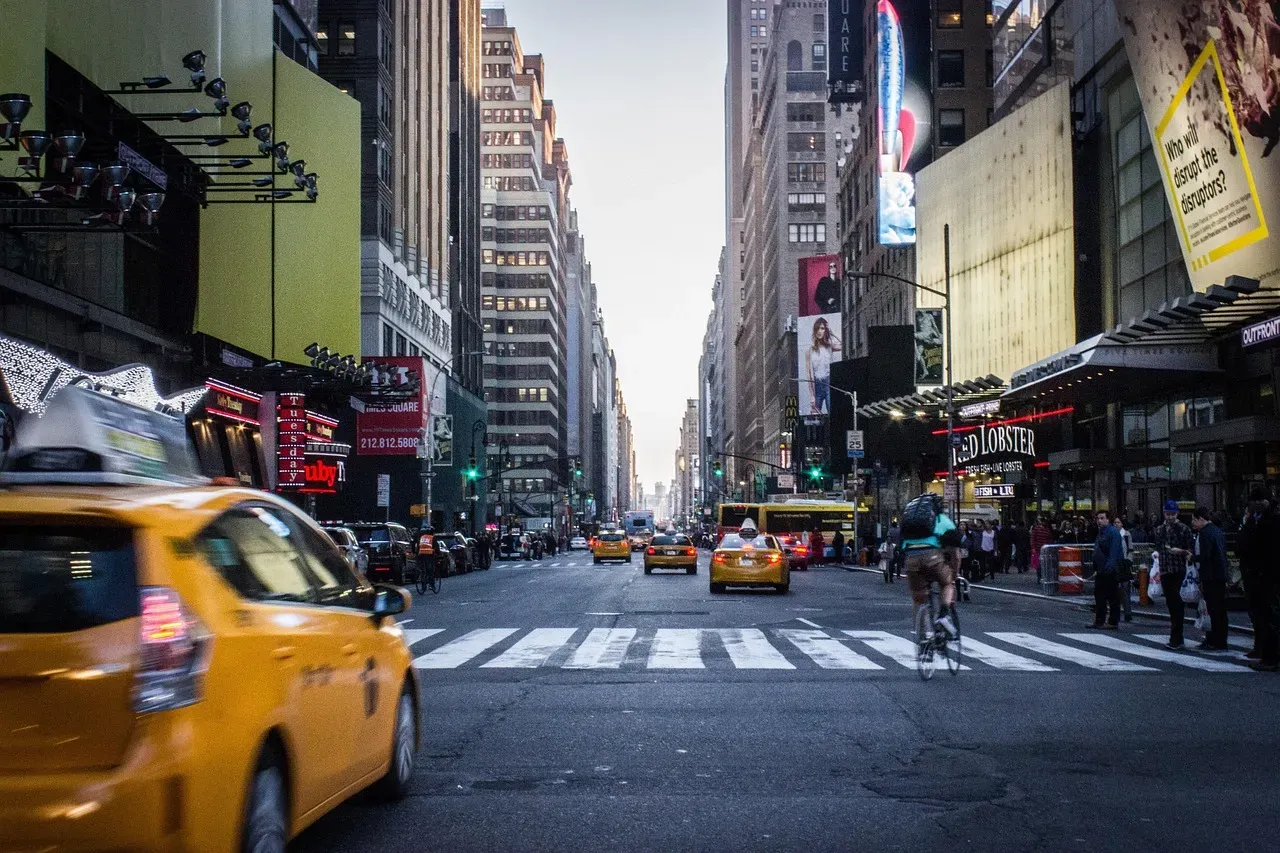
Search interest in Hunters Point has grown steadily year over year, with buyers and renters drawn to the neighborhood’s amenity-rich environment, waterfront location, and proximity to Manhattan, with commutes as quick as one stop on the E, F, or 7 train. That kind of commute length, just a few minutes on a fast subway line, removes nearly all the psychological burden that longer trips accumulate. Long Island City has transformed in recent years, now filled with modern residential options and waterfront parks, offering a quieter vibe with a super short commute to Manhattan.
Short, predictable transit trips represent the gold standard for commuter psychology. A long commute time can reduce quality of life by cutting into time for family and leisure, and can also cause insufficient sleep and sleep disorders, which in turn are associated with fatigue, anxiety, and depression. In Hunters Point, the commute window is so compressed that residents recapture meaningful amounts of time each day. When the body is exposed to noise and stress during commuting, it activates the hypothalamic-pituitary-adrenal axis and the sympathetic nervous system, leading to the secretion of stress hormones like cortisol. A short, low-noise subway hop simply doesn’t trigger the same physiological cascade as sitting in gridlock traffic for forty minutes.
4. Jackson Heights, Queens, New York
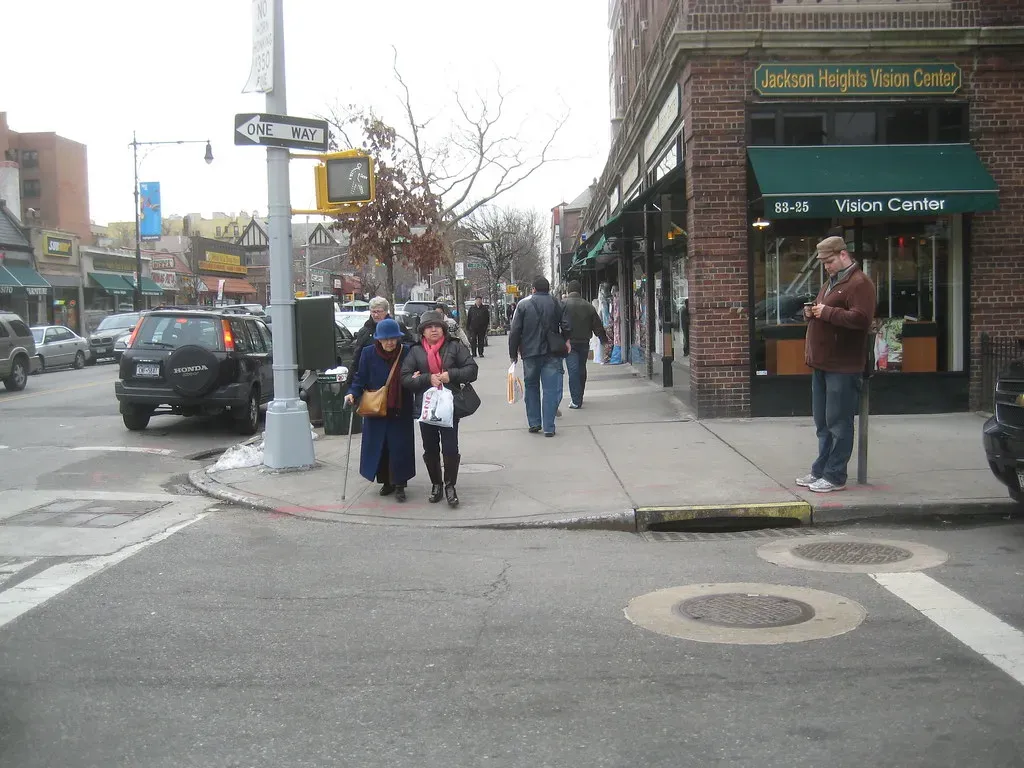
Jackson Heights stands as one of the globe’s most diverse neighborhoods in terms of population, restaurants, and culture, offering genuine value for residents who want urban life without paying Manhattan prices. Its commute story is just as compelling. At the heart of the neighborhood, residents can enjoy the 34th Avenue Open Street, a stretch of car-free space that functions as a community hub with events throughout the year. Car-free corridors like this don’t just reduce traffic. They lower ambient noise, which has a direct and documented effect on mental well-being.
The sound of road traffic is linked to increased stress and anxiety, and recent 2024 research published in PLOS One confirms it also undermines the mental health benefits of natural and ambient sounds. Jackson Heights, with its pedestrian-friendly open streets and multiple subway lines, insulates residents from the worst of that acoustic pollution. Research shows that residents of walkable neighborhoods report higher levels of social capital, community trust, and civic engagement, and that the simple act of walking creates more opportunities for spontaneous interactions than commuting alone in a vehicle. For many residents, the daily walk to the subway genuinely counts as a social experience rather than just transportation.
5. Wicker Park and Bucktown, Chicago, Illinois
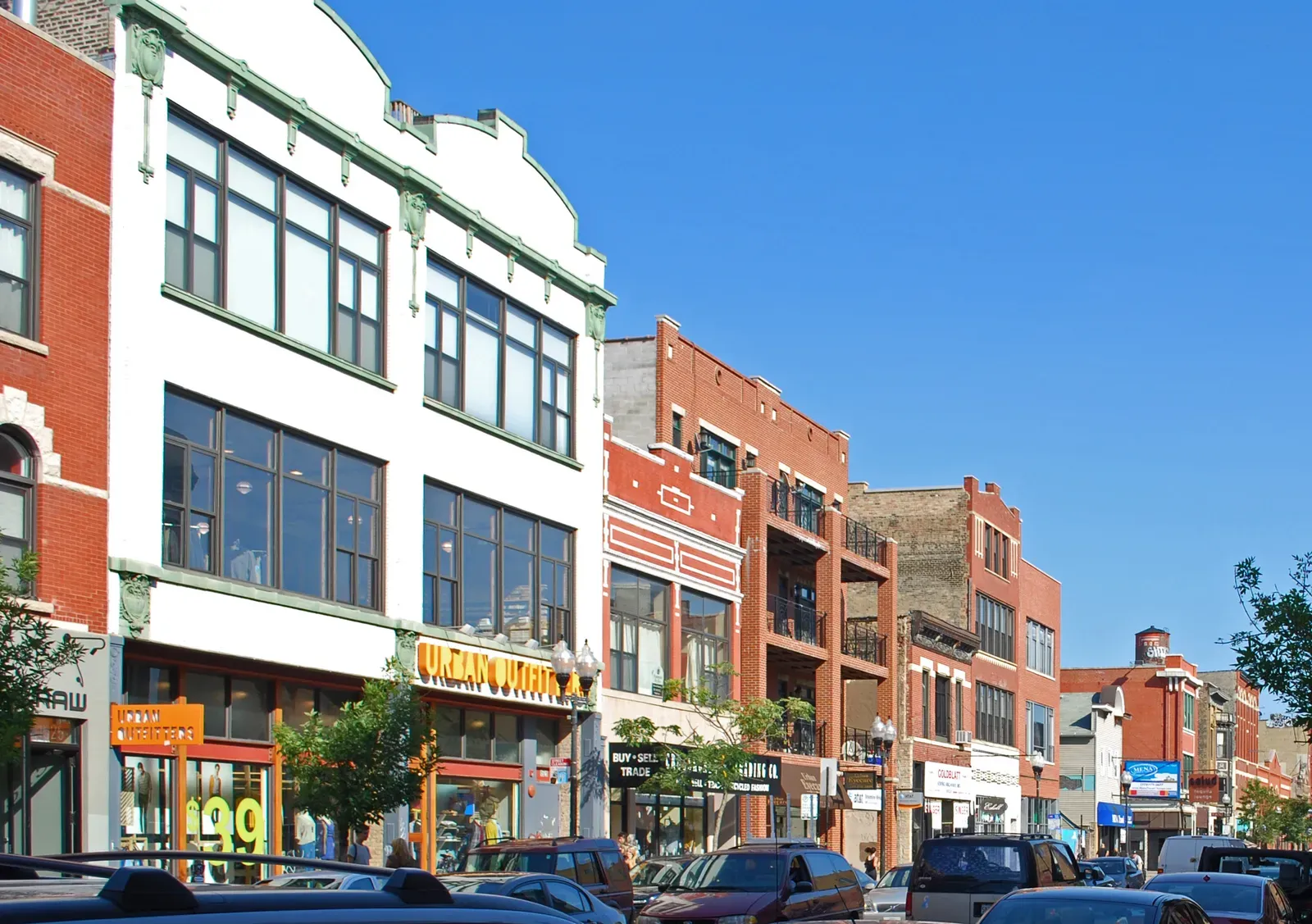
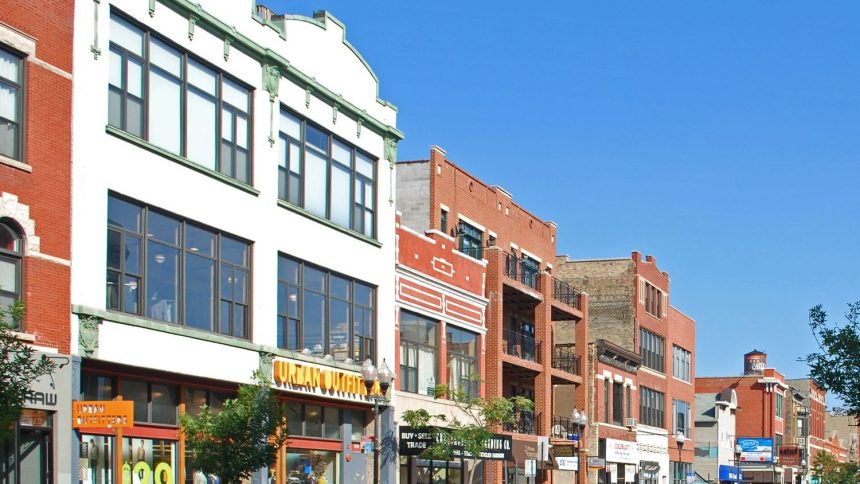
Lakefront paths, grid-style streets, and extensive transit options make Chicago ideal for pedestrians, and it’s considerably more affordable than coastal giants like New York or San Francisco. Wicker Park and Bucktown, on Chicago’s near northwest side, concentrate those advantages in a dense, mixed-use environment where the Blue Line runs directly to downtown. Residents here enjoy a commute that is fast, frequent, and largely free from the anxiety of traffic unpredictability.
Partner offer
The design of these neighborhoods matters in a very specific way. Key components of a genuinely walkable community include compact, mixed-use urban neighborhoods with integrated green spaces that meet residents’ needs within a smaller radius. Wicker Park checks those boxes almost completely, with grocery stores, parks, restaurants, and transit all within a short walk. The protective effect of walkability is thought to stem from multiple benefits, including physical activity, more time spent outdoors, and improved social ties within neighborhoods. When your morning involves a ten-minute walk to a reliable train rather than an unpredictable drive through congested streets, the psychological difference compounds over weeks and months.
6. Portland’s Inner Southeast and Northeast Neighborhoods, Oregon
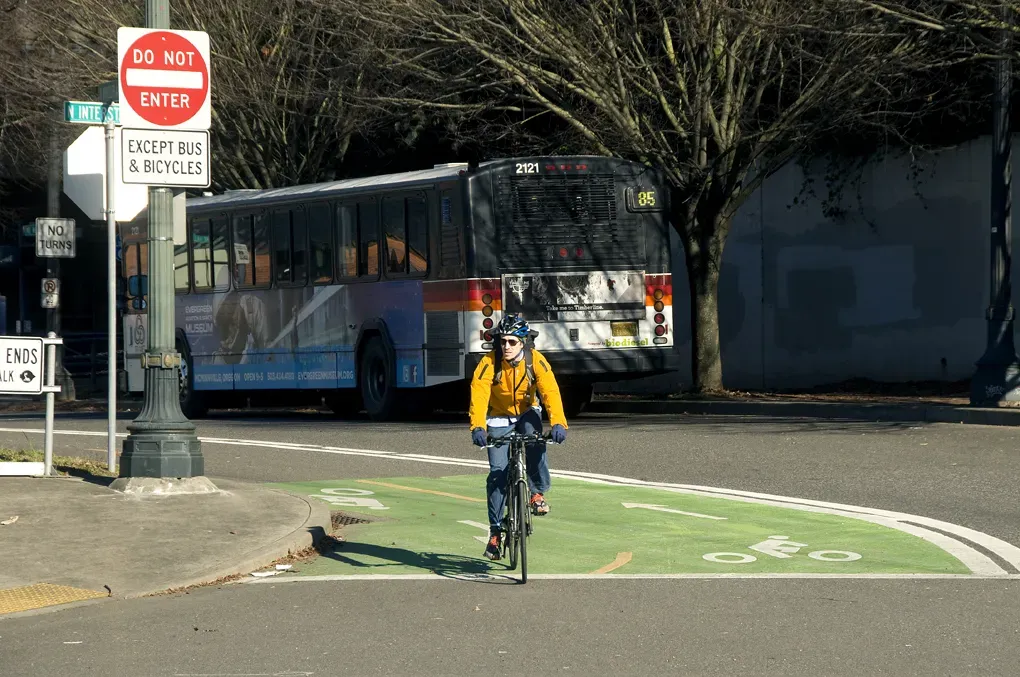
Portland stands out for its Vision Zero commitment to eliminate traffic fatalities, and the city’s neighborhood greenways provide low-stress walking routes that are separated from heavy traffic. Inner Southeast and Northeast Portland take full advantage of this infrastructure, offering residents a genuinely pleasant active commute experience. The greenway network connects residential streets to bike paths and transit lines, which means cycling to work here feels safe enough to actually be an everyday habit rather than an act of courage.
The level of stress varies clearly across commute modes, with cycling and walking consistently resulting in the lowest risk of experiencing stress during commuting. Portland’s layout is specifically designed to make cycling the path of least resistance, which pays dividends in daily mental well-being. Research points to broader implications for walkable and bikeable communities in lowering the impact of mental health issues, and highlights the importance of incorporating walkability into urban planning through measures like adding sidewalks and traffic calming infrastructure. Portland’s inner neighborhoods are a practical proof of concept for what that philosophy looks like at scale.
7. Elmwood Village, Buffalo, New York

Buffalo is quietly one of the most livable and walkable cities in the Northeast, and Elmwood Village offers vibrant neighborhood life with historic homes, great food, and a genuine sense of community at a fraction of what you’d pay in nearby metro markets. The neighborhood’s layout is compact and human-scaled, with the Elmwood Avenue corridor serving as a main street where daily errands happen on foot. Residents simply don’t need a car for much of daily life, and that independence from car-dependent commuting carries measurable psychological weight.
More attractive, safe, and walkable streets increase community livability overall, and residents on quieter streets with less vehicle traffic tend to know their neighbors better and show greater concern for their local environment. Elmwood Village delivers exactly that. The mechanisms through which environmental noise influences mental health remain an active area of research, but multiple biological pathways have been proposed, most notably the chronic activation of the stress hormone axis and heightened sympathetic nervous system activity, which can lead to sustained stress responses and impaired emotional regulation. Elmwood Village’s low traffic volume keeps that biological alarm system largely quiet, which is precisely the point. Residents who live here often describe the neighborhood as “calm” without quite knowing why. The science is increasingly clear about why that calm exists.
What These Neighborhoods Have in Common
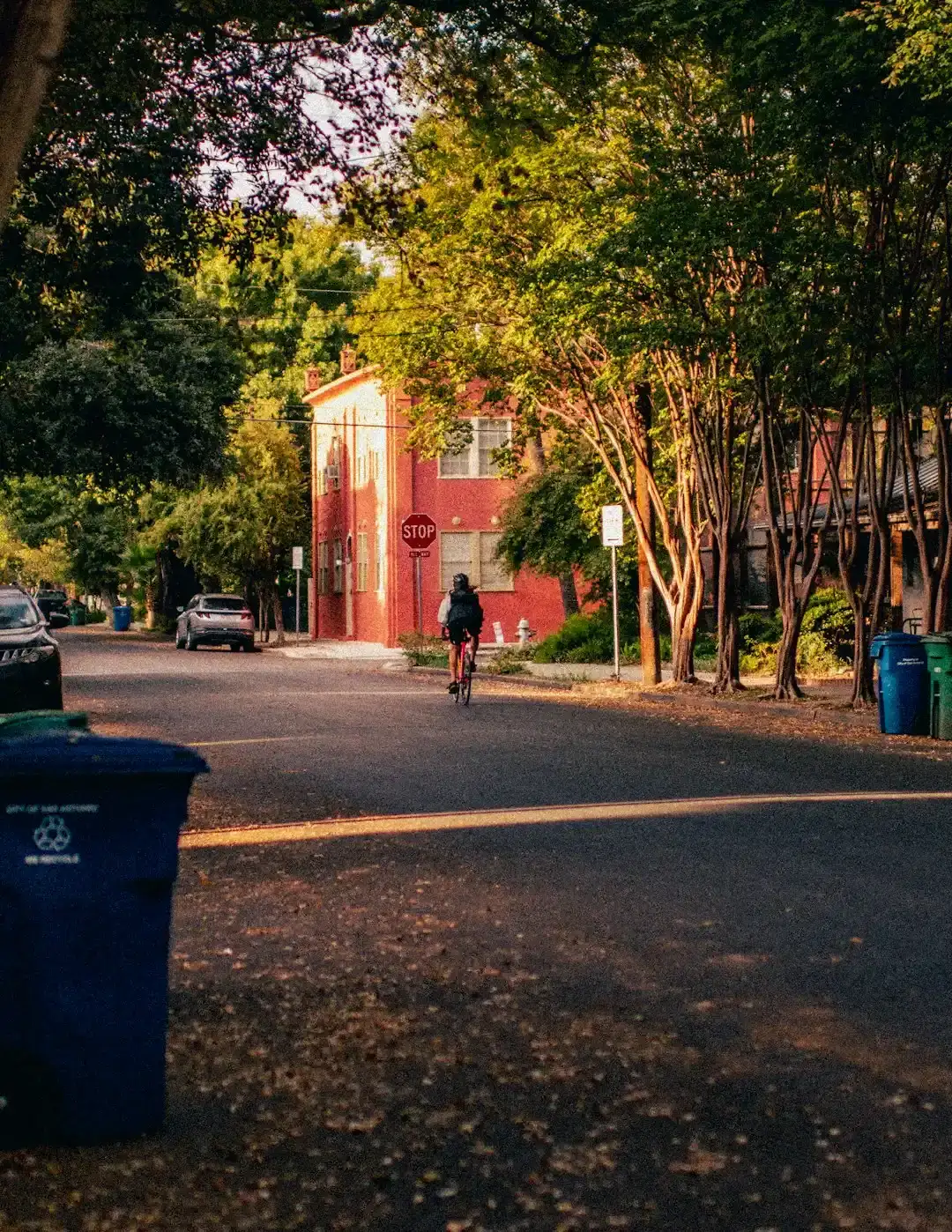
Every neighborhood on this list shares a few key structural features. They all offer multiple ways to get around, which fundamentally changes the psychological experience of commuting. Research confirms that traffic delay, not just overall commute length, is the factor most strongly associated with depression risk, with every ten additional minutes of delay carrying a measurable mental health cost. When you can walk, cycle, or hop on reliable transit, you sidestep the unpredictability that makes heavy-traffic commutes feel so relentless.
Greater land-use mix and street-network accessibility have been associated with reduced psychological distress, and older adults who perceived their neighborhoods as more walkable reported greater life satisfaction and happiness. These are not small effects. They accumulate across thousands of daily trips, shaping mood, sleep, relationships, and long-term health in ways that are hard to reverse once the damage is done. Researchers say walkable communities have broader implications for lowering the impact of everyday mental health stressors, and that incorporating walkability into urban planning through traffic calming and better infrastructure is a meaningful public health strategy.
The real takeaway here isn’t just about real estate choices. It’s about recognizing that neighborhood design is a health decision. The places that protect commuter psychology do so quietly, through wide sidewalks and bike lanes and predictable subway schedules. The stress they prevent never makes headlines. It just stays where it belongs: absent from your morning.
Partner offer
Planning a trip to Vegas?
Compare hotel rates and show tickets on VEGAS.com.