Most of us picture novelists at a quiet desk, with a lamp, a view and plenty of routine. Plenty of famous books started out nothing like that. Some were scribbled in rented rooms, on hotel stationery, or in the back seat of a car.
Moving around changes what a writer notices. Unfamiliar streets, strange weather and the plain inconvenience of being away from home all leave marks on the page. Here are seven novels that took shape on the road, with notes on where and how.
Frankenstein by Mary Shelley
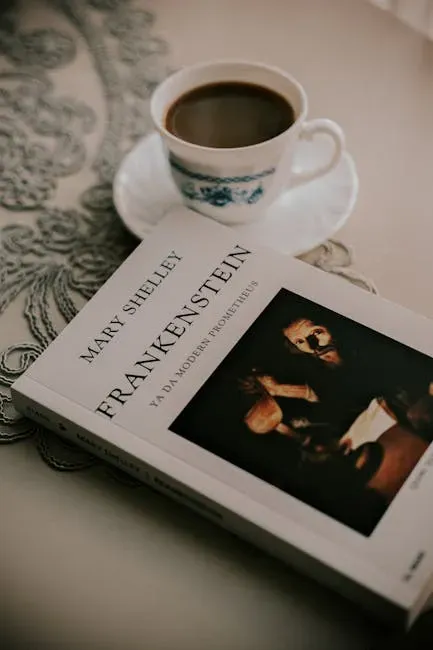
In the summer of 1816, Mary Shelley was staying near Lake Geneva with Percy Shelley, Claire Clairmont and Lord Byron. The group was on a trip abroad, and the weather was bad enough to keep everyone indoors. Byron proposed that each guest write a ghost story, and Mary’s idea grew into her first novel.
She didn’t finish it on that trip. Still, the seed came from the Villa Diodati stay, and she developed the story over the following months. It was published anonymously in 1818, and the setting of Swiss lakes and Alpine scenery shows up in the book’s landscapes.
The Idiot by Fyodor Dostoevsky
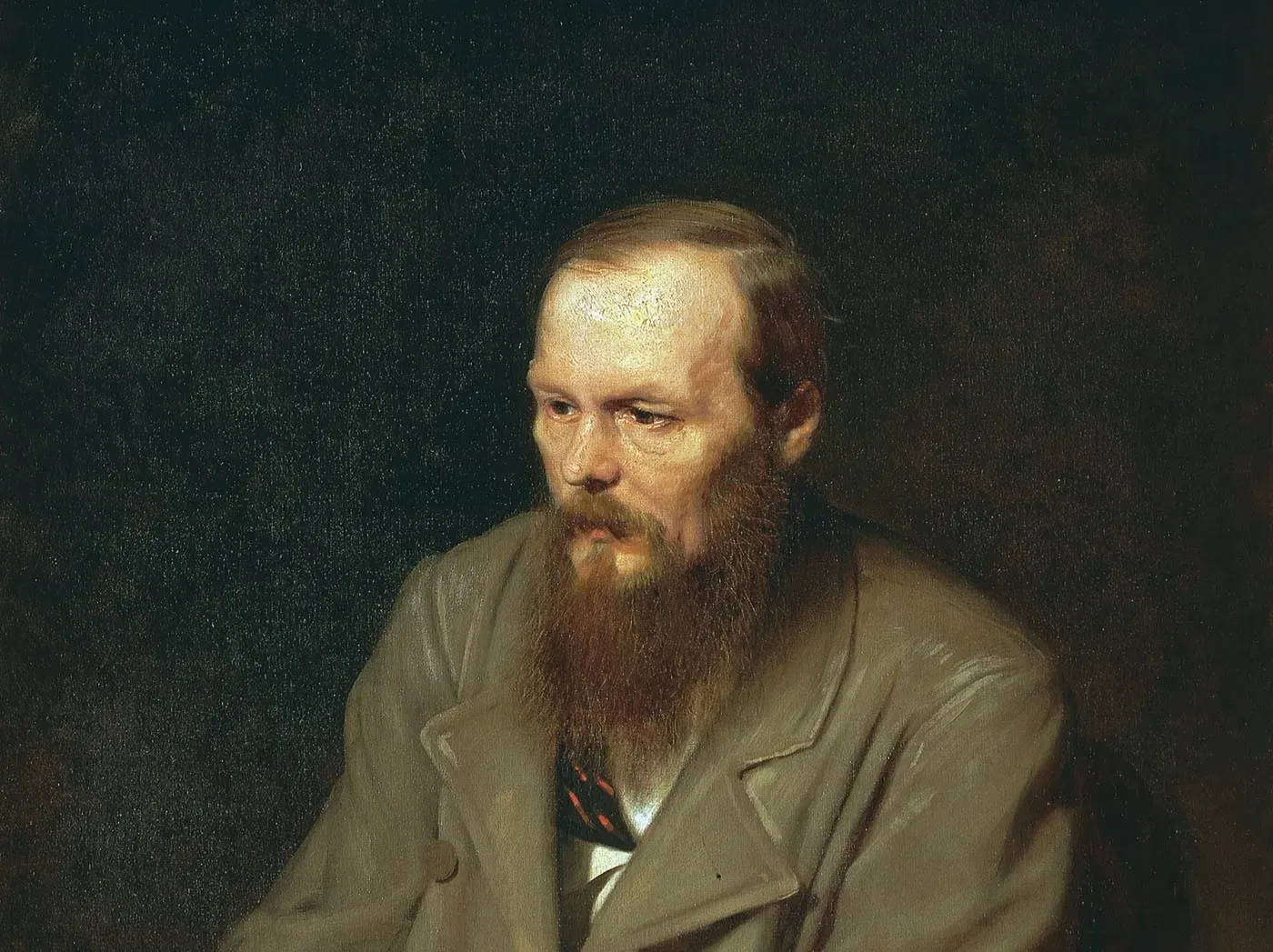
Dostoevsky wrote much of The Idiot while living abroad in 1867 and 1868. He and his young wife Anna had left Russia partly to escape debts. They moved between Geneva, Vevey, Milan and Florence, often short of money.
He drafted the novel in those temporary homes and sent chapters back to a Russian magazine for serial publication. A restless life suited the book’s tone, since its hero is a kind, naive outsider returning to a society he barely understands. Dostoevsky finished it in Florence in early 1869.
Treasure Island by Robert Louis Stevenson

Stevenson began Treasure Island in 1881 while on a family holiday in Braemar, in the Scottish Highlands. The weather was wet, and he reportedly drew a map of an imaginary island to amuse his stepson. That map became the starting point for the story.
He wrote at a quick pace, reading chapters aloud to the family in the evenings. The book first appeared in a magazine serial before being published as a book in 1883. It is a good reminder that a rainy holiday can produce a classic.
The Sun Also Rises by Ernest Hemingway
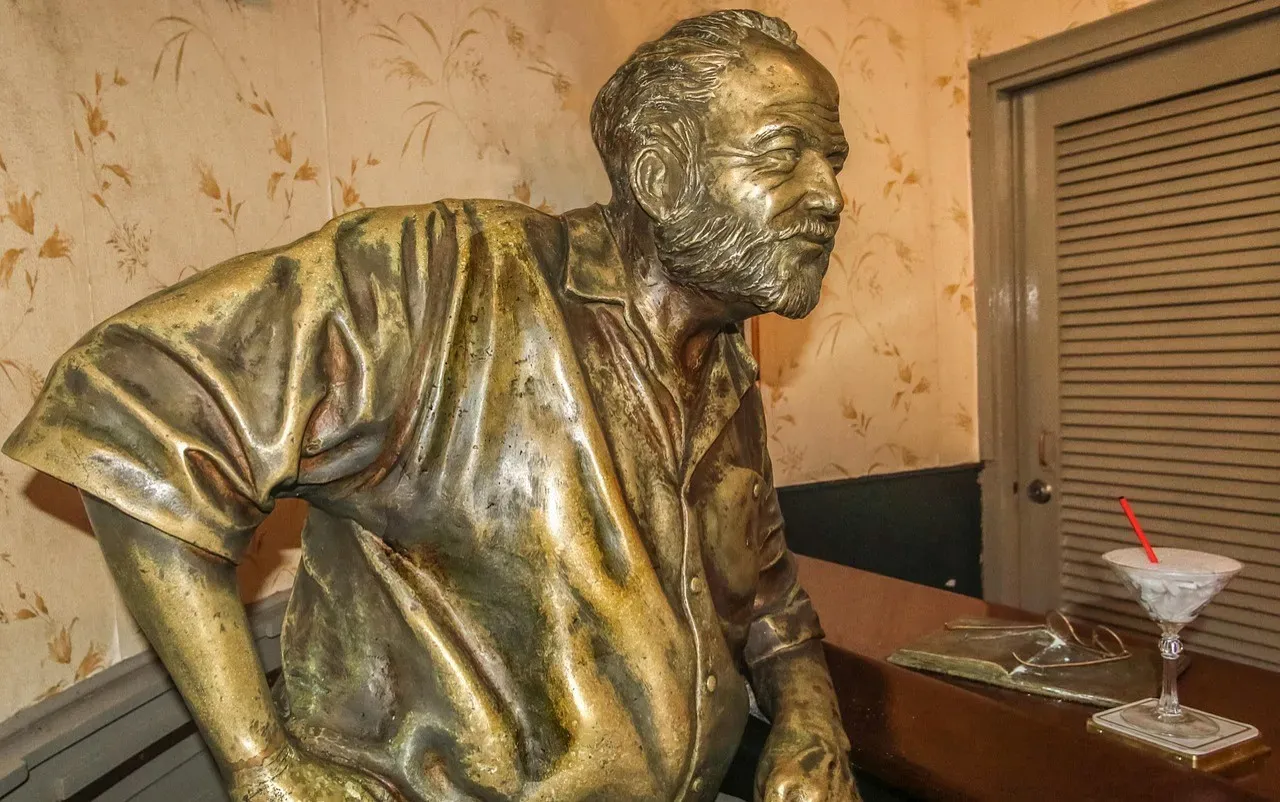
Hemingway went to the fiesta in Pamplona in the summer of 1925, and the trip became the basis for his first major novel. Soon afterward he started writing in Spain, with early drafting commonly placed in Valencia around his birthday in July. He then continued work in Madrid and finally in Paris.
So the book was drafted across several cities rather than in one study. The finished novel was published in 1926 and follows expatriates drifting between Paris and Spain. Its sense of movement mirrors the way it was made.
Murder on the Orient Express by Agatha Christie

Christie traveled often in the early 1930s, including on the Orient Express and on archaeological trips with her second husband, Max Mallowan. The novel is widely linked to a stay at the Pera Palace Hotel in Istanbul, where she is said to have worked on it. The hotel itself promotes the connection, so it is best treated as local lore backed by her known travels.
What is firmly documented is the book’s publication in Britain in 1934. Christie wrote many of her novels during journeys to the Middle East, absorbing trains, stations and hotel life. The claustrophobic train setting benefits from that firsthand sense of travel.
The Sheltering Sky by Paul Bowles

Paul Bowles wrote The Sheltering Sky in the late 1940s while traveling through North Africa. He was mostly based around Morocco and Algeria, and parts of the book were drafted as he moved inland. He published it in 1949, and it follows American travelers whose journey turns darker the further they go.
The book reads like it was written from inside the place, because it was. Bowles later settled in Tangier and stayed for decades. His first long stay there coincided with the work that made his name.
Lolita by Vladimir Nabokov

Nabokov was a serious butterfly collector, and he spent summers driving across the American West in search of specimens. Accounts of his writing life say he worked on Lolita during those trips, with his wife Vera often at the wheel. He used index cards, which suited a writer working in motel rooms and cars.
The novel was completed in the mid 1950s and first published in Paris in 1955, after American publishers turned it down. A US edition followed in 1958. Its road trip structure and its sharp view of motels and roadside America owe a lot to those collecting journeys.