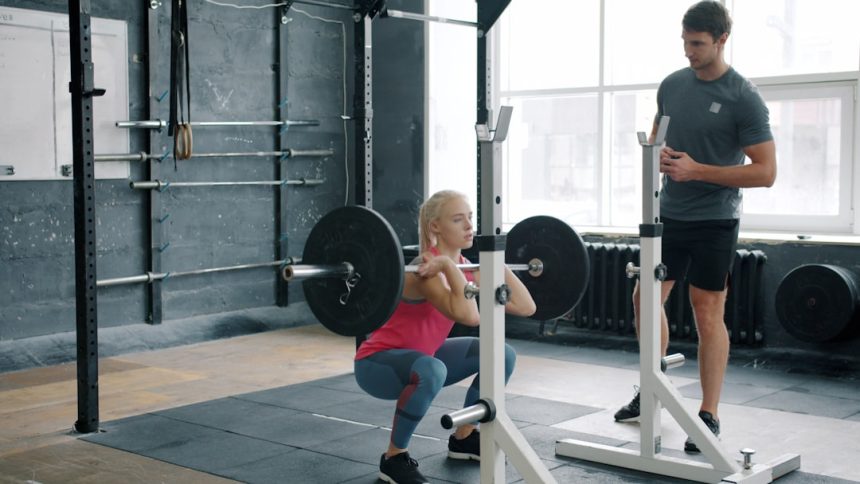

Bones Respond to Stress Like Muscles Do (Image Credits: Unsplash)
Weight-bearing exercises stand out as a cornerstone for maintaining robust bone health by compelling the skeleton to adapt to gravitational forces.
Bones Respond to Stress Like Muscles Do
Peak bone mass typically occurs around age 30, after which density naturally declines by about 1% annually in many adults.[1][2] This process accelerates with age, hormonal changes, and muscle loss, raising risks for osteoporosis and fractures. However, activities that load bones appropriately trigger remodeling, where old tissue breaks down and stronger bone forms in response – a principle known as Wolff’s law. Studies show these movements enhance density particularly in the hips, spine, and legs. Orthopedic experts emphasize that consistent practice also improves balance and reduces fall risks. Short, high-impact sessions prove most effective for stimulating osteoblasts, the cells responsible for bone building.
Unlike swimming or cycling, true weight-bearing work occurs when feet and legs bear body weight against gravity. Resistance elements amplify benefits further. People over 50 stand to gain the most, as proactive steps counter sarcopenia and metabolic slowdowns.
Prepare Safely for Bone-Strengthening Workouts
Consult a physician before intensifying routines, especially if osteoporosis or joint issues exist. Proper footwear supports impact absorption during dynamic moves. Beginners start slow to master form and avoid injury. Progressive overload – gradually increasing intensity – maximizes adaptations without strain. Combine exercises with calcium-rich diets and vitamin D for optimal results. Professionals recommend 30 minutes daily, split into sessions if needed.
Warm-ups prevent pulls, while cool-down stretches maintain flexibility. Track progress through improved endurance or professional bone scans.
Master These 7 Top Weight-Bearing Exercises
Trainers and physicians highlight moves accessible to various fitness levels. Each targets key areas while building overall resilience.
- Brisk Walking or Running: Head outdoors or on a treadmill for 30 minutes. This delivers repetitive force to lower limbs, preserving cortical bone.[1]
- Bodyweight Squats: Feet shoulder-width, lower until thighs parallel ground, then rise. Perform 3 sets of 8-12 reps. Focus on heels for quad and glute activation.
- Farmer’s Carry: Grip heavy dumbbells, walk steadily for 30-45 seconds over 3-4 sets. Engages core and grip for full-body loading.
- Deadlifts: Hinge at hips to lift barbell from ground, 3 sets of 5-8 reps. Prioritize neutral spine for safety and osteogenic gains.[1]
- Jumping Rope: Skip for 30-60 seconds in 2-3 sets. Lands softly to jolt bones and sharpen coordination.
- Resistance Band Rows: Pull anchored band to chest, 3 sets of 12. Bolsters posture and upper-back density.
- Jumping Jacks: Jump feet out while raising arms, 3 sets of 20. Provides cardio boost if joints tolerate.
Maximize Gains with Smart Habits
Incorporate variety to hit multiple sites – lower body one day, full body next. Pair with muscle-strengthening twice weekly. Rest days allow recovery, but daily light walking sustains momentum. Track via apps or journals. Women post-menopause and older men benefit most from consistency.
Outdoor sessions add vitamin D from sunlight, aiding absorption.
Key Takeaways
- Aim for 30 minutes of weight-bearing activity most days to stimulate bone remodeling.
- Prioritize form over speed; progress loads gradually for safety.
- Combine with nutrition and medical check-ups for comprehensive bone protection.
Adopting these exercises equips the body to withstand aging’s toll on the skeleton. Which move will you try first? Tell us in the comments.